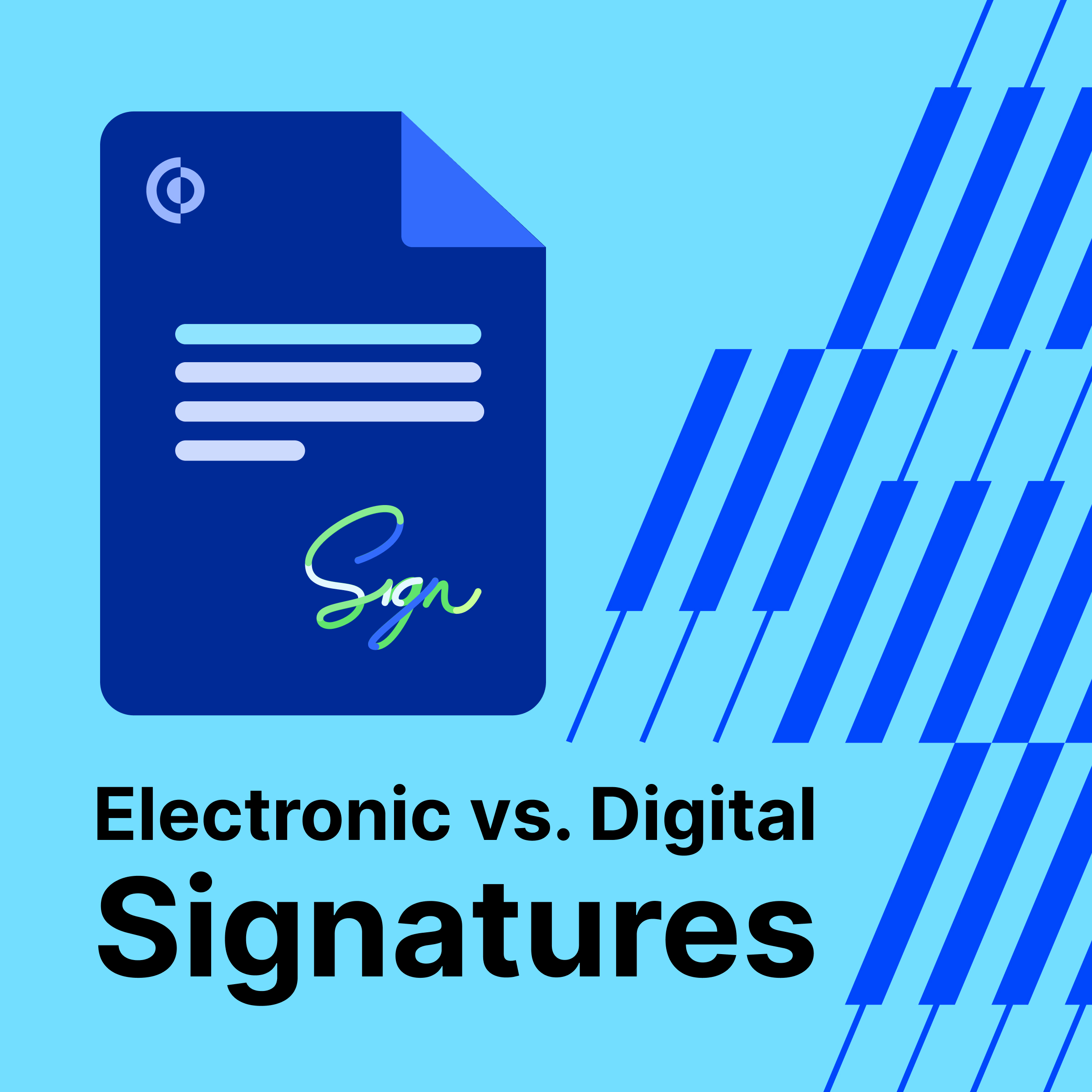
Which Digital Signature Standard Is Actually Secure?

A mortgage refinance, a cross-border vendor contract, and a telehealth consent form all get signed "digitally." But most of the acronyms attached to that word, ESIGN, eIDAS, UETA, describe the law, not the lock.
Only one layer actually decides whether a signature can be forged: public key infrastructure, or PKI.
Key takeaways
- Public key infrastructure (PKI) is the only layer in the digital signature stack that determines whether a signature can be forged. ESIGN, UETA, and most of eIDAS govern legal validity, a separate question from cryptographic security.
- NIST's FIPS 186-5 sets the federal bar for signing algorithms (RSA, ECDSA, EdDSA) and says nothing about legal enforceability.
- A signature holds up under challenge when it pairs PKI-based cryptography with a certificate issued only after real identity verification. Clearing a legal minimum alone won't do that.
What PKI actually does
When someone signs with PKI-based technology, the signing device hashes the document and encrypts that hash with a private key only the signer holds. Anyone can verify the result with the matching public key, bound to the signer's identity through a certificate authority. Change a single character afterward and the hash breaks, so the signature stops verifying. That mechanical link between hash and key stops forgery, not a checkbox, a typed name, or a law declaring the signature valid after the fact.
NIST's FIPS 186-5, the current federal Digital Signature Standard, specifies which algorithms, RSA, ECDSA, and EdDSA, are secure enough for signing government data. It's the answer key for which math can be trusted, and it has nothing to say about whether a signature is legally binding.
Why the legal frameworks don't answer this question
The ESIGN Act and its state-level counterpart, UETA, say an electronic signature can't be denied legal effect just because it's electronic. That's essentially the whole rule, and neither specifies how the signature must be created. A typed name at the bottom of an email satisfies ESIGN, and so does a signature backed by a verified government ID and a cryptographic key pair, though only the latter would survive a forensic challenge.
eIDAS, the EU's version of this framework, gets closer by tiering signatures based on the verification behind them: simple, advanced, qualified. Only the qualified tier requires a certificate issued after identity verification, on a certified device. The other two can be as thin as a scanned signature image pasted into a PDF.
The filter that actually matters
For a mortgage refinance, a cross-border vendor contract, or a healthcare consent form, ESIGN compliance answers almost nothing, since nearly any process clears that bar. What actually matters: whether the signature is cryptographically bound to a verified identity, whether that verification happened before the certificate was issued, and whether the result can survive scrutiny years later if someone tries to disown the document.
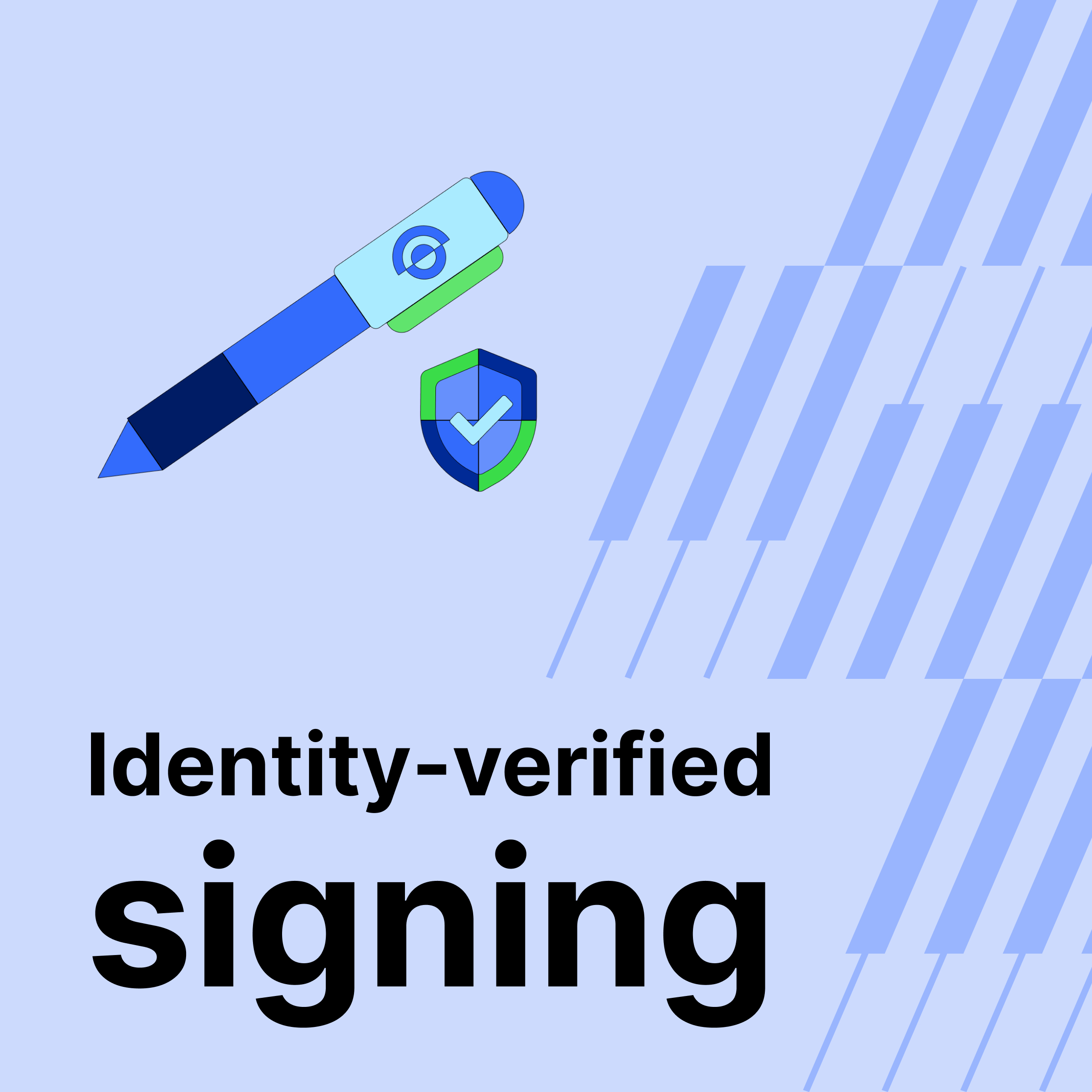
Apply that filter to any e-signature product instead of the acronym on its marketing page: public-key cryptography, a certificate issued only after real identity verification, and a private key protected well enough that only the actual signer could have used it. Proof builds its e-signature product around exactly that filter, putting identity verification in front of the signing event rather than bolting it on afterward.
If you're choosing a tool for documents that need to hold up years later, see how Proof Sign ties every signature to a verified identity.

















.jpg)































.jpg)