The Insider Threat Your Hiring Pipeline Was Never Built to Catch
.jpg)

Updated July 9, 2026
Insider threat programs have long been a fixture at companies with high value assets. They have dedicated teams, behavioral monitoring tools, access baselines, and incident response protocols built specifically for the risk of a malicious employee. The threat model that justified that investment assumed a relatively targeted attacker: a nation-state, a competitor, or a sophisticated actor with a specific reason to come after that specific organization.
That threat model is changing.
Key takeaways
- Hiring fraud has commoditized the insider threat — organized operations now spray fraudulent applications across hundreds of employers simultaneously, making the "we're not a target" assumption obsolete.
- The FTC reported that job search fraud losses jumped from $90 million in 2020 to over $501 million in 2024; a single DOJ-documented scheme placed fraudulent workers inside more than 300 U.S. companies.
- Behavioral monitoring, access baselines, and anomaly detection cannot catch a fraudulent hire who behaves exactly as their role requires — detection is structurally compromised from the moment they are provisioned.
- The only effective intervention point is before access is granted: government ID verification, liveness checks, real-time deepfake detection, and a trained identity agent at the pre-offer stage are the controls that matter.
- Security teams need to own an identity thread through the hiring funnel alongside HR — not as an audit function after the fact, but as a live gate at application, shortlist, and Day One.
Hiring fraud has commoditized the insider threat
The shift that happened to social engineering a decade ago is happening to insider threats now.
Phishing bifurcated into opportunistic attacks at massive scale - thousands of finance professionals receiving the same generic "there's a problem with your email account" message - and highly targeted campaigns built on extensive research and profiling of companies and their employees. Both avenues of attack may succeed depending on an organization's maturity.
Hiring fraud is following the same pattern. Organized operations are spraying applications across hundreds of employers simultaneously, running the same fraud playbook opportunistically against any company with remote roles. The "who would target us this way?" question that once filtered out most organizations no longer holds. Meanwhile, nation-state actors are running targeted campaigns against defense contractors and financial institutions with a specific objective in mind.
The scale reflects this. The FTC reported that losses from job search fraud jumped from $90 million in 2020 to over $501 million in 2024. The DOJ has documented a single scheme that placed fraudulent workers inside more than 300 U.S. companies, including Fortune 500 firms. These are opportunistic operations at scale, and the targets are no longer limited to organizations with obvious high-value profiles.
Why existing insider threat programs miss fraud
Most insider threat programs are built around a core assumption: the threat actor takes a job in the company - any job - or the malicious intent grows over time, but in both cases, often requires that the employee access data that is outside of their normal job role.
The logic is sound. A software engineer attempting to access HR data unrelated to their role is a flag. A finance employee querying systems outside their remit is worth reviewing. Behavioral baselines, access monitoring, and anomaly detection are well-established controls that work well for the threat they were designed to catch.
Hiring fraud bypasses all of it by design.
A software engineer accessing your codebase is behaving exactly as a software engineer should. A finance professional accessing financial data will not trigger a behavioral alert. From the monitoring system's perspective, nothing unusual is happening. The access granted matches the role, which means the controls built to catch misuse will never fire, because the fraud is the intended use, performed by someone who was never who they claimed to be.
By the time a fraudulent hire is provisioned, the threat model has shifted entirely to detection. And detection, for this type of insider threat, is structurally compromised from the start.
What a mature response looks like
Amazon's chief security officer Stephen Schmidt disclosed that since April 2024, the company had blocked more than 1,800 job applications suspected of originating from North Korean actors, with the volume increasing roughly 27% per quarter. Amazon's counter-fraud operation applies the same discipline to hiring that mature security organizations apply to their networks: dedicated identity verification infrastructure, algorithmic review of application anomalies, geographic consistency checks, and structured interviews designed to surface inconsistencies a standard recruiter screen would miss.
That is what an insider threat program extended into the hiring pipeline looks like. Most organizations are nowhere near it. Their insider threat programs begin the day an employee is provisioned. The hiring pipeline sits entirely outside the security perimeter, managed by HR with tools built for workflow and compliance, with no mechanism for catching a synthetic identity that presents cleanly at every stage.
Extending the program upstream
The logical place to extend an insider threat program is the hiring pipeline, where identity can still be verified before access is ever granted. That means applying security discipline at stages that have historically been owned entirely by HR.
At the application stage
Passive identity screening catches synthetic identity patterns, high-risk contact data, and behavioral anomalies before a recruiter spends a minute on the candidate. Security involvement here sets a baseline that every subsequent stage builds on, and does it without adding friction to the recruiter's workflow.
At the shortlist
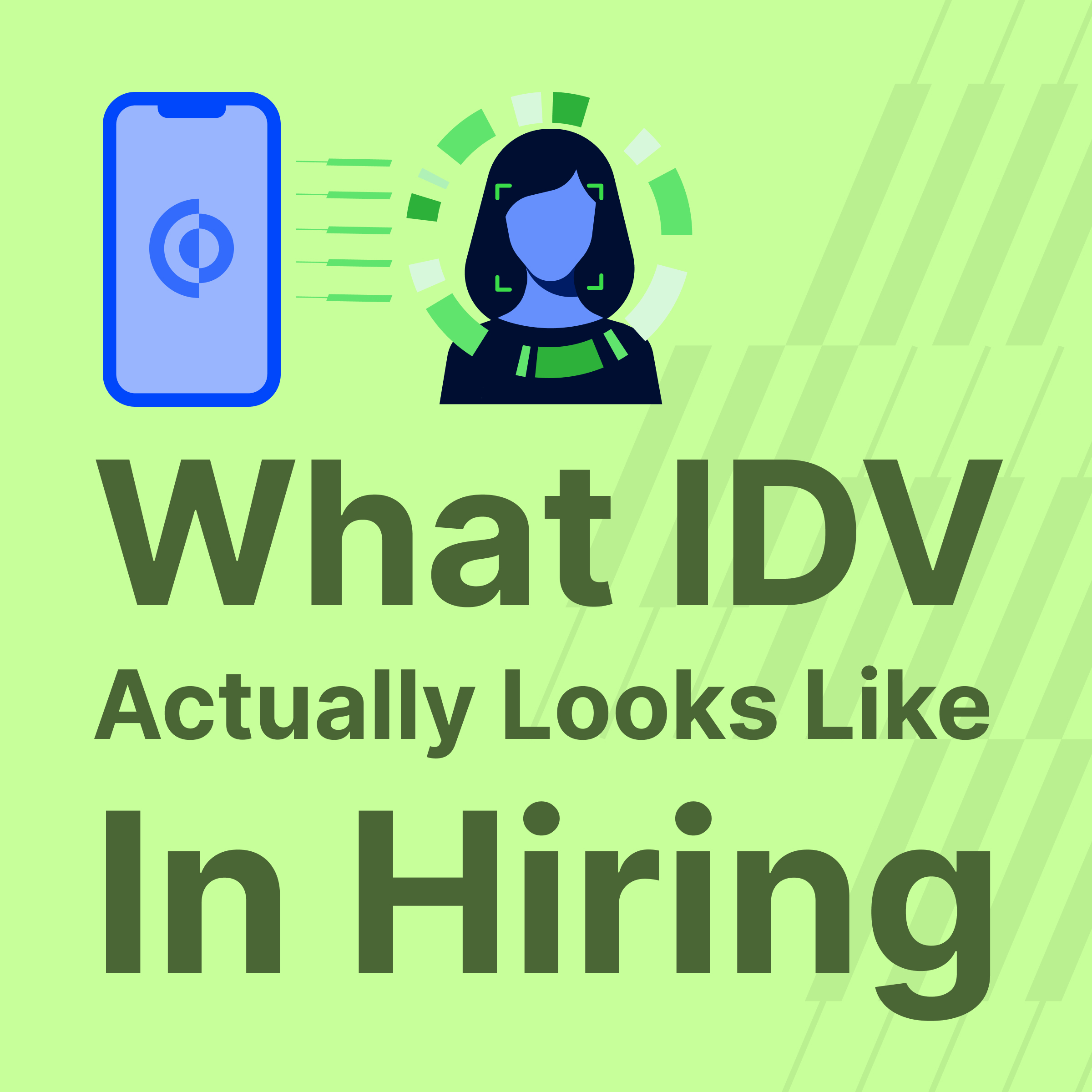
Government ID verification and liveness checks confirm that the person applying is real and matches the claimed identity. That verification creates a record that travels through every subsequent stage, so each checkpoint builds on the last rather than starting from scratch.
At offer and Day One
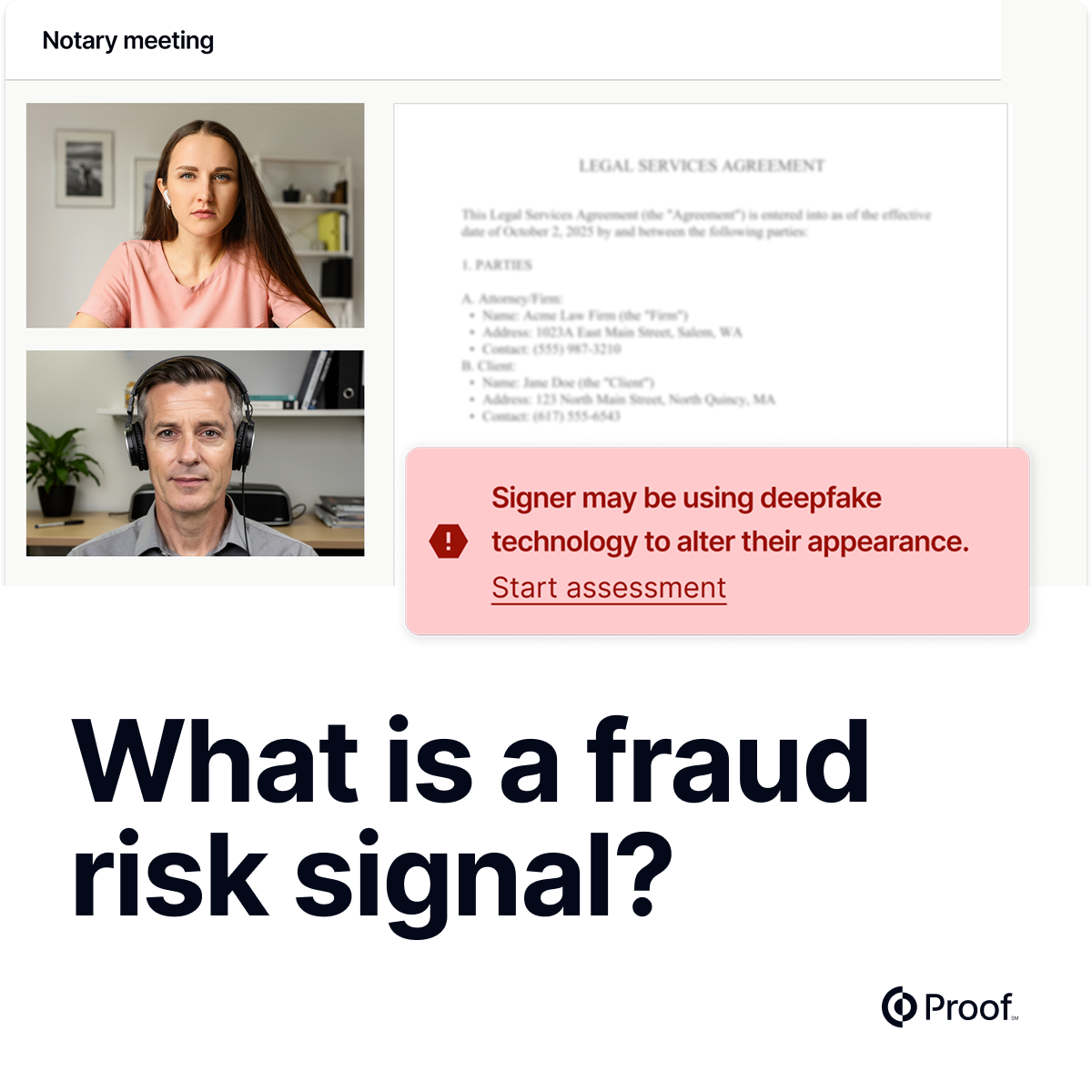
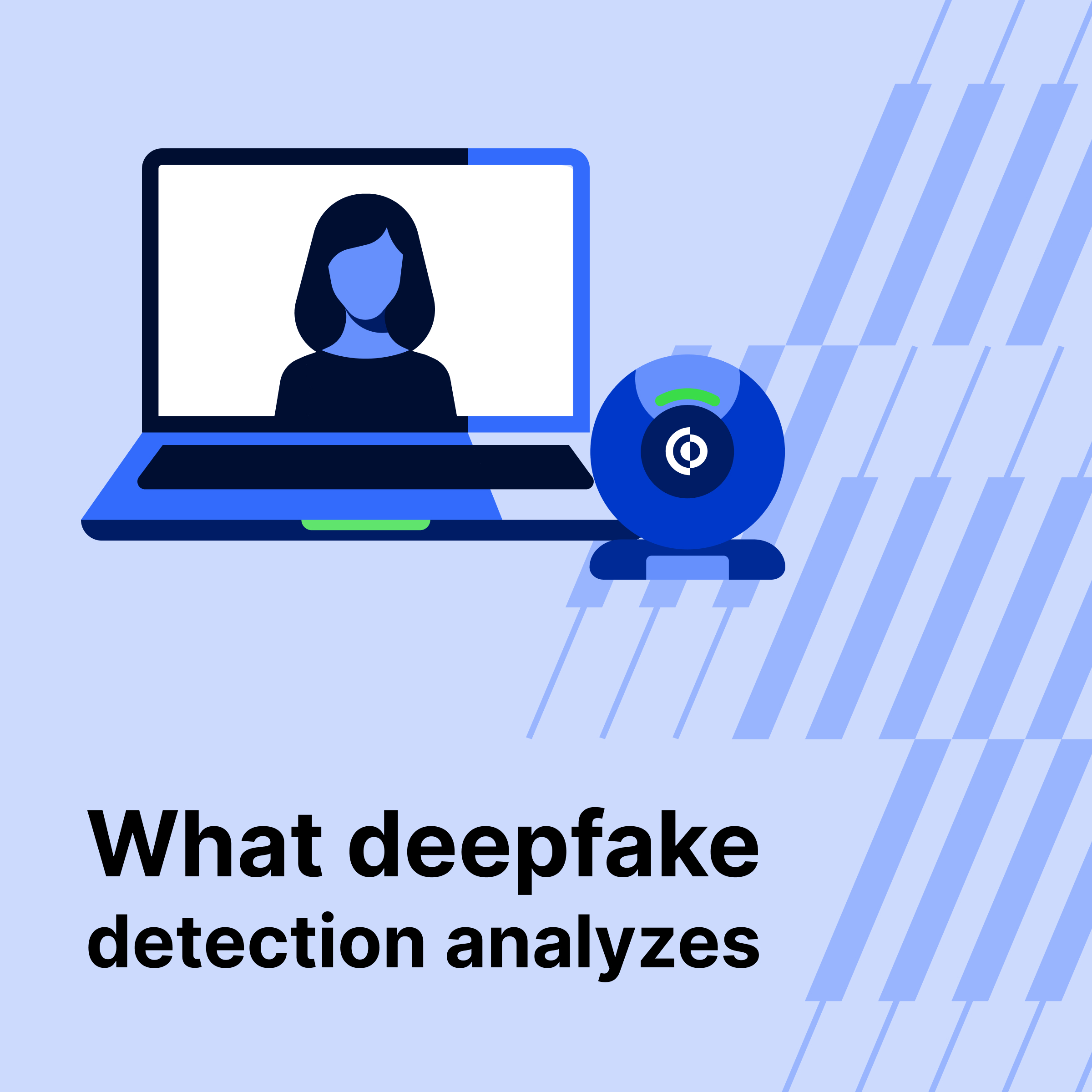
A trained identity agent joins the pre-offer session with full context from every prior stage. Real-time deepfake detection runs in the background. The I-9 remote examination closes the record: a fraudulent hire cannot match the identity they rode in on during a live document review conducted by a trained examiner. For a security organization, this is the last informed gate before someone gains the access that comes with their role.
Two programs, one gap
For most organizations, the message here is that insider threats are now their problem, regardless of industry or perceived target profile. Hiring fraud has made the threat both opportunistic and accessible, and the assumption that only high-value targets need to worry about this is no longer a useful filter.
For financial institutions and companies with existing insider threat programs, the message is more specific: your current controls focus on detecting abnormal behavior after access is granted, and those controls will not catch a fraudulent hire who behaves exactly as their role requires. The program needs to extend upstream, into the hiring pipeline, where the threat can still be intercepted before it is inside the perimeter.
That is the extension Proof was built to support, adding a continuous identity thread to the hiring funnel that security teams can own alongside HR, without requiring engineering work to deploy.


































.jpg)