Why Michigan’s Move Signals the Next Era of Identity Verification

Updated July 10, 2026
Knowledge-Based Authentication (KBA) has played a role in identity verification for years, but the cracks are showing. Personal data is easier to access than ever. Breaches continue to expose sensitive information. Fraud tactics keep getting more sophisticated.
The result is simple. The industry needs a stronger, more reliable path forward.
Michigan is stepping into that role.
Key takeaways
- Michigan updated its remote notarization standards to require biometric authentication, moving away from KBA as the primary identity verification method — a shift that reflects broader industry momentum.
- KBA relies on information that can be researched, purchased, or stolen from data breaches, making it structurally vulnerable to modern fraud tactics.
- Leading biometric identity verification systems now achieve accuracy exceeding 99.5%, and confirm physical presence in real time — something knowledge-based questions cannot do.
- Organizations that implement robust biometric identity verification now — with proper fallback procedures — will be better positioned to reduce fraud risk and meet evolving regulatory expectations.
- Michigan's framework is part of a modernizing regulatory landscape; other states and industries are following the same trajectory.
Michigan's progressive biometric standards
Michigan recently updated its remote notarization standards to allow biometric authentication for identity verification, with clear guardrails in place. The state introduced specific requirements around retry limits, delay timing, and fallback procedures to ensure biometric verification remains both secure and accessible.
These requirements are intentional. Michigan’s framework reflects a broader understanding that biometric authentication, when implemented correctly, delivers stronger security without creating unnecessary friction for legitimate users.
We've built full compliance with Michigan's biometric standards directly into our platform. When a Michigan-commissioned notary completes a notarization, the system automatically applies live biometric sample capture and manages retry handling. All of this happens while keeping the experience seamless for the end user.
Why biometrics outperform KBA
The move from KBA to biometrics is not just about adopting new technology. It addresses foundational security gaps.
KBA relies on information that can be researched, purchased, or stolen. Past addresses, loan amounts, and credit inquiries are widely available through data breaches and social engineering. Once personal history becomes accessible, knowledge-based questions lose their strength as a verification method.
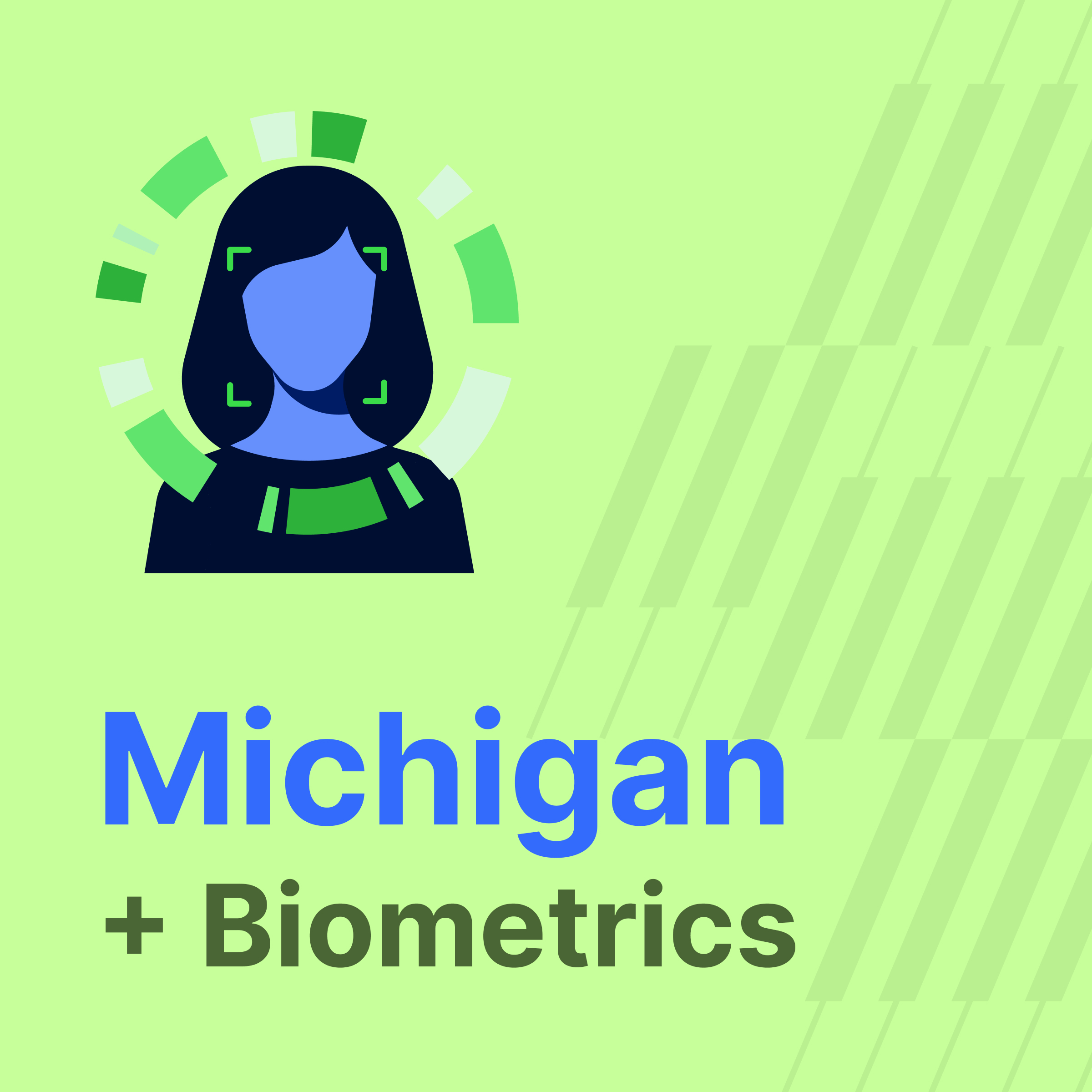
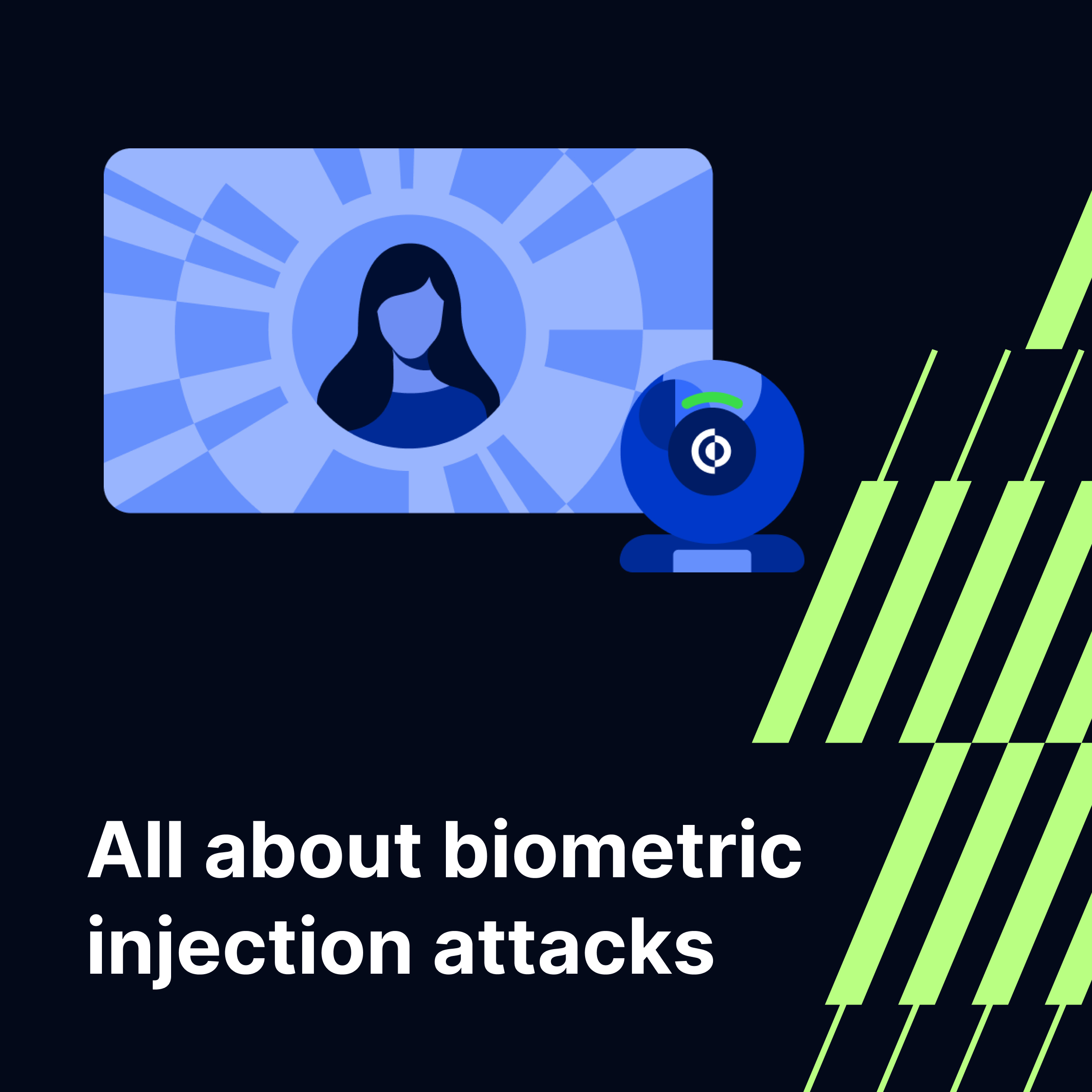
Biometrics approach the problem differently. Leading facial recognition algorithms now demonstrate accuracy exceeding 99.5 percent and verify something far more durable than knowledge. They confirm physical presence. A live selfie video matched to a government-issued ID validates that the real person is present in real time.
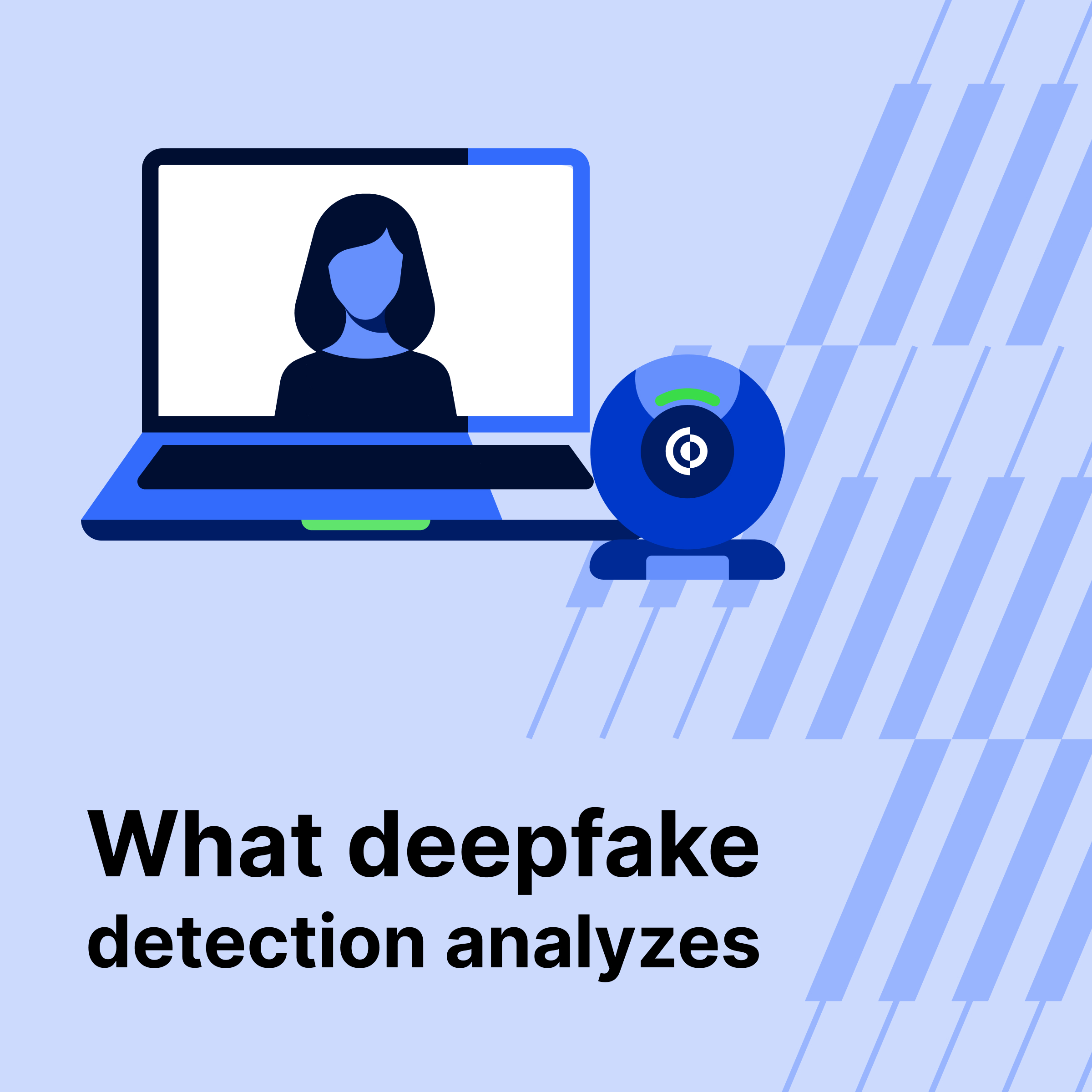
Modern biometric systems also detect impersonation attempts using photos, masks, or deepfakes. This creates an active defense against sophisticated fraud tactics rather than relying on static data points.
Real-time verification changes everything
KBA asks, “What do you know?” Biometrics asks, “Are you actually here?”
That distinction matters, especially in high-stakes transactions like property transfers, loan signings, and legal documents. Confirming physical presence provides a level of assurance that knowledge verification alone cannot deliver. It is the difference between proving familiarity with someone’s history and proving you are that person acting in real time.
For organizations managing fraud risk, this shift is critical. Biometric verification combined with credential analysis creates a layered defense that evolves alongside emerging threats.
Setting industry standards
Michigan's approach exemplifies how forward-looking regulation can improve security outcomes when regulators and technology leaders like Proof work together to shape practical, secure standards. By enabling biometric authentication with thoughtful implementation requirements, Michigan joins states that allow organizations to adopt stronger verification methods while maintaining appropriate oversight.
This move aligns Michigan with a modernizing regulatory landscape. As the industry increasingly recognizes the security advantages of biometrics over traditional KBA, the updated standards provide a clear path for organizations to implement more robust fraud prevention.
Michigan is doing its part to ensure that digital infrastructure remains current, secure, and ready for the next phase of online notarization.
What This Means for the Industry
The transition from KBA to biometrics represents more than a technology shift. It reflects a fundamental change in how identity verification is approached in a digital-first world.
Organizations that move early by implementing robust biometric verification with proper fallback mechanisms will be better positioned to manage fraud risk, meet evolving regulatory expectations, and deliver secure customer experiences.
For Michigan notaries, biometric authentication is enabled by default across our platform. There is nothing to configure. Just stronger security and faster verification.
For organizations operating in other states, we are actively working with regulators and industry groups to expand biometric authentication capabilities while maintaining high standards for security and accessibility.


















































.jpg)






















































.jpg)