The 3 Checks That Catch Most Fake IDs Online

.jpg)
A fraudster opening a bank account with a doctored license doesn't need a perfect forgery, just something that passes a quick glance from a busy teller. Online, the bar is higher: automated verification runs checks no human could do at scale, and three of them catch most fake IDs before they cause damage.
Key takeaways
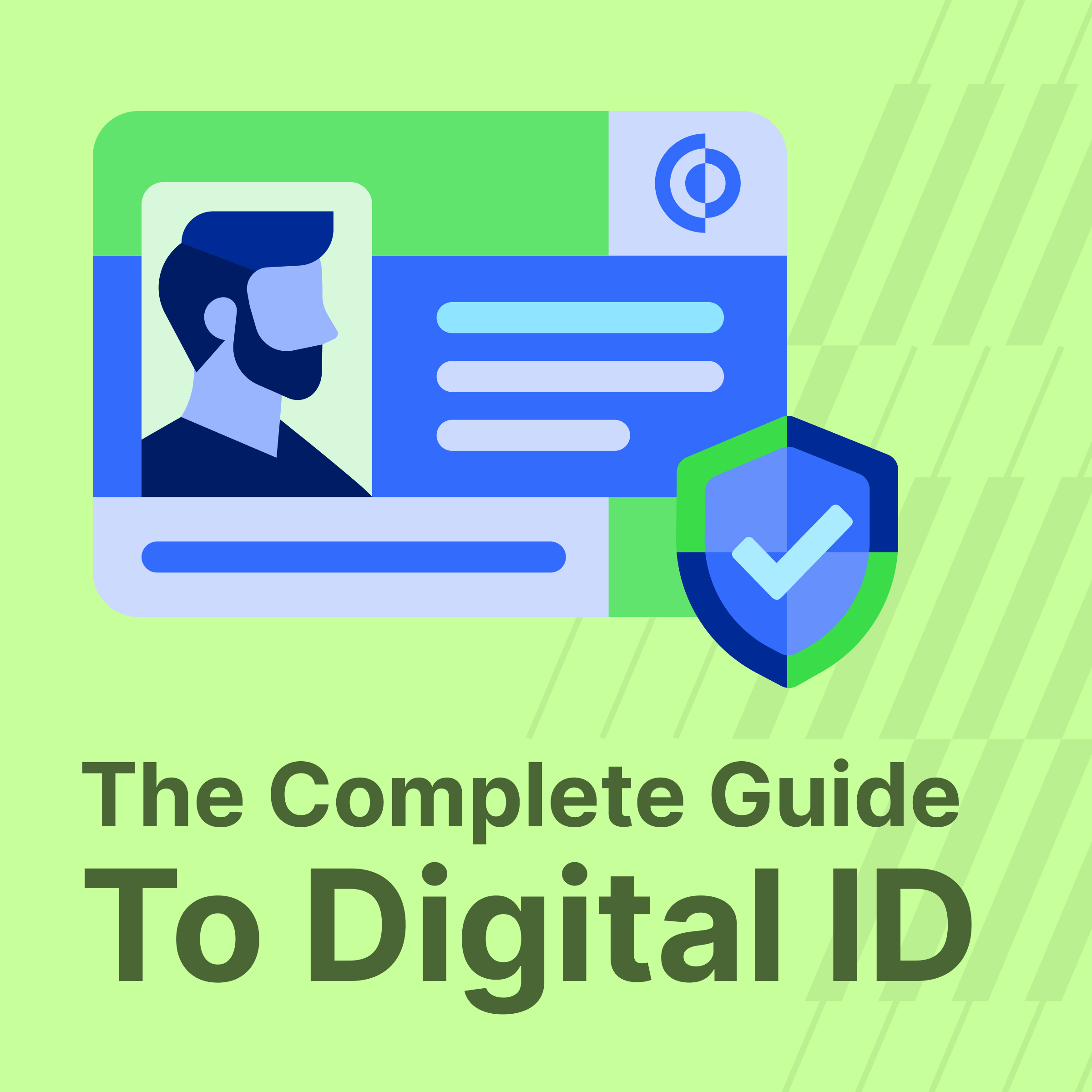
- Document authentication flags forgeries by checking holograms, UV ink, microprint, and barcode data against AAMVA's design standards.
- DMV cross-referencing, via AAMVA's Driver License Data Verification service (roughly 73% of the US population), catches fabricated or stolen data that looks flawless.
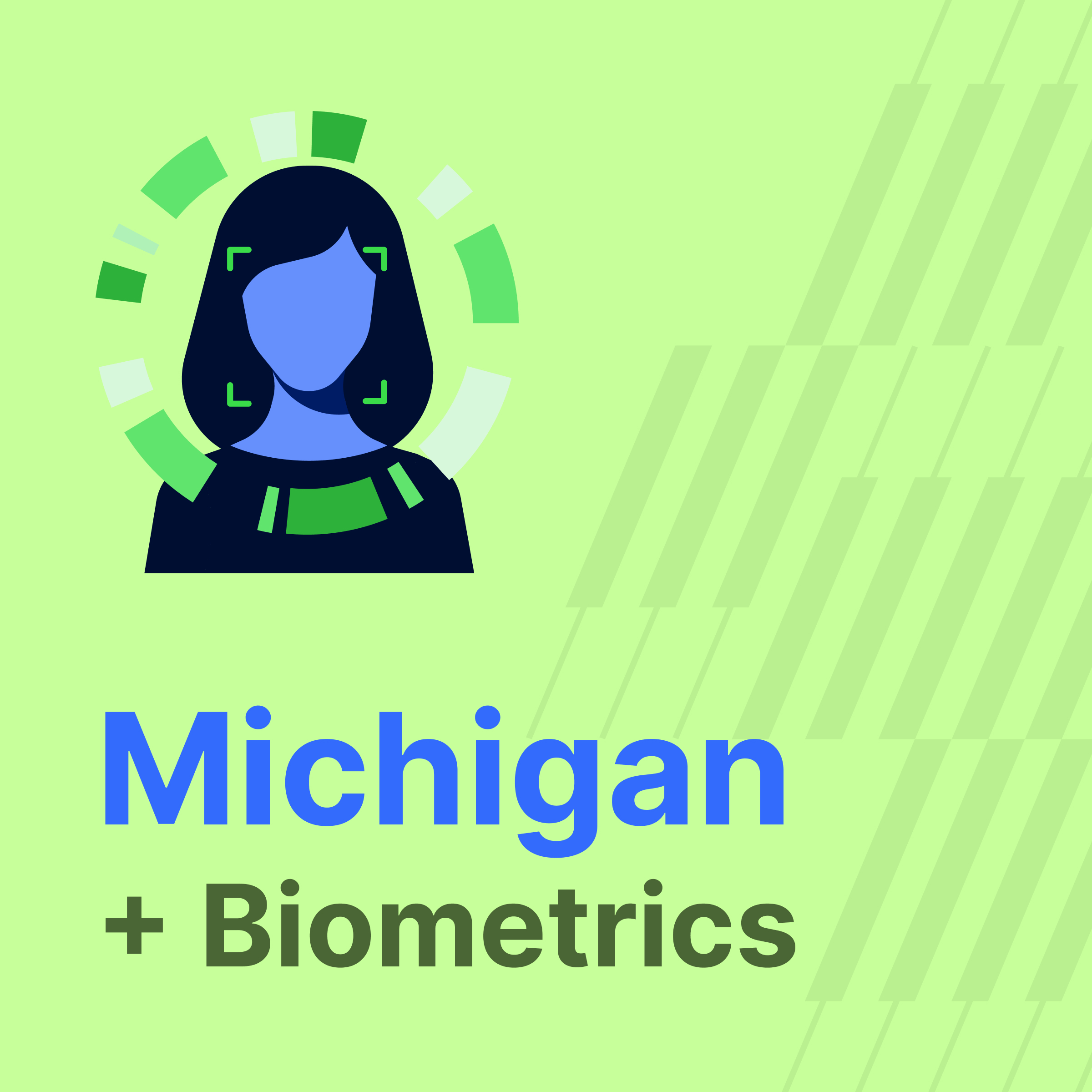
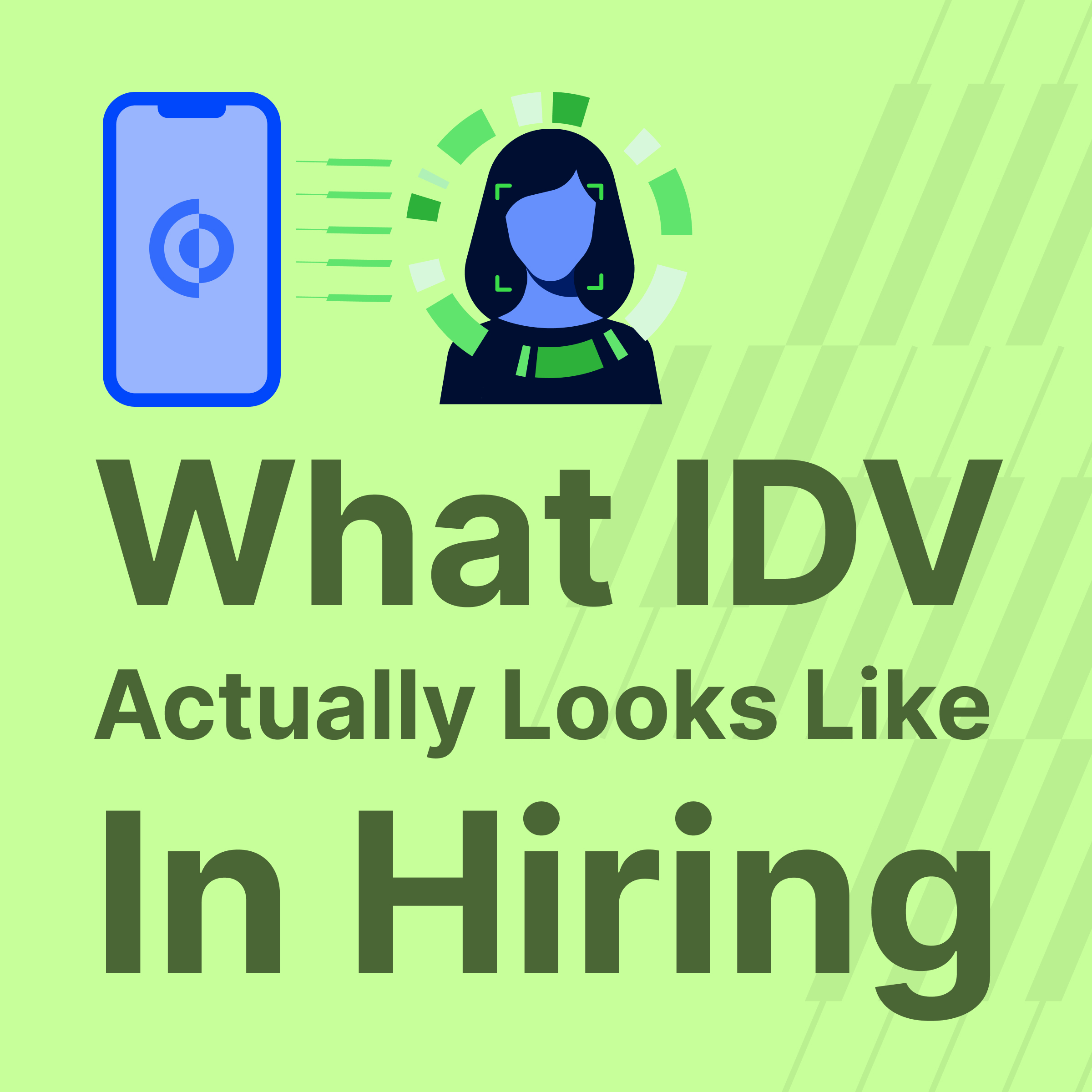
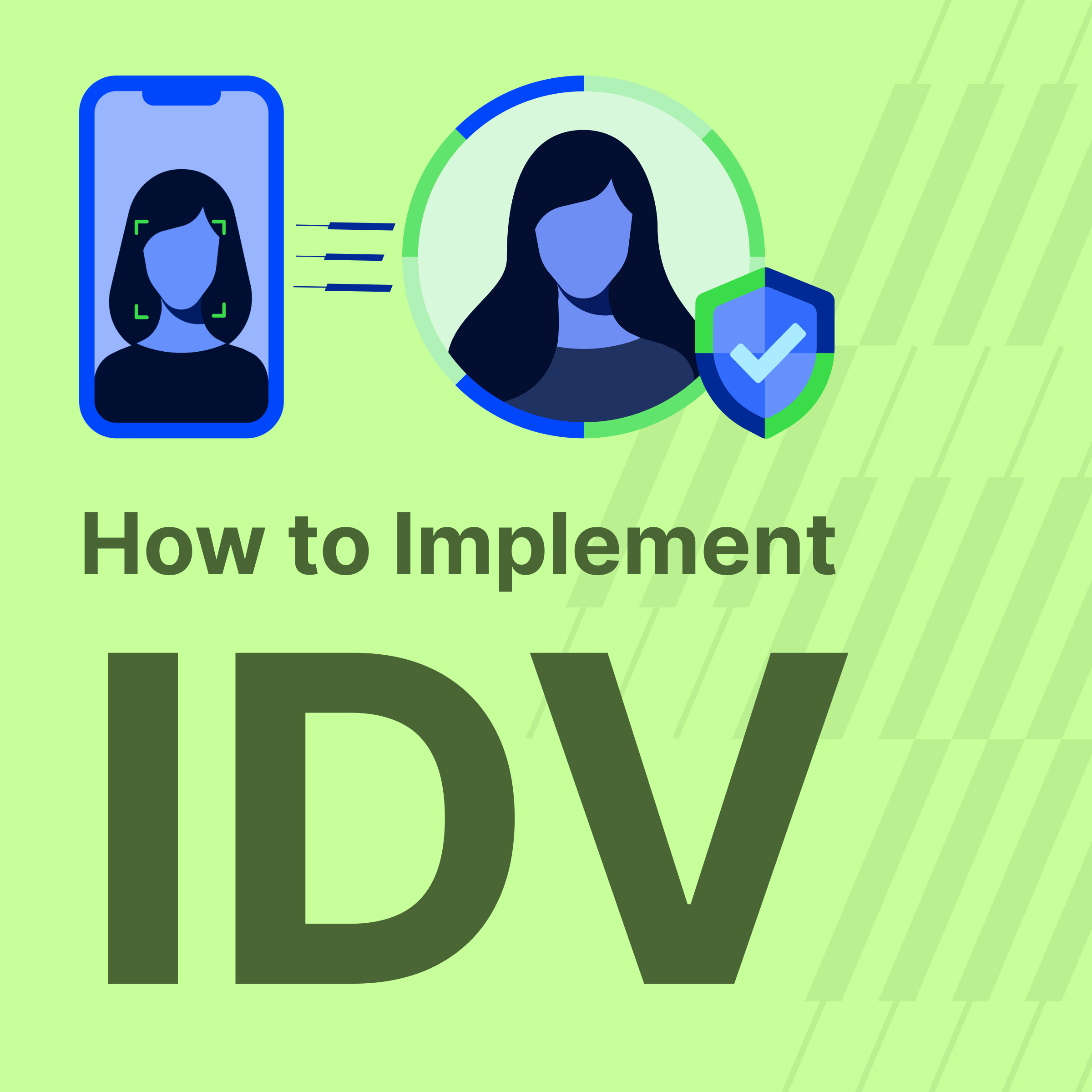
- Biometric and liveness matching catches the hardest case: a real ID used by someone who isn't its owner, including deepfakes and photo spoofs.
- Each check closes a gap the other two leave open, which is why running all three together is what actually stops fake IDs.
1. Document authentication
Government IDs carry security features that are hard to fake at home: holograms, UV-reactive ink, microprint, and a barcode encoding the cardholder's data in a format governed by state and national standards. A verification system scans the document under different light and checks whether the printed data matches the barcode. Replicating a convincing hologram at scale is far harder than replicating a photo, so a screenshot or a Photoshop job usually fails right here.
2. Cross-referencing against the issuing source
Looking legitimate and belonging to the person holding it are different questions; the document check above only answers the first. AAMVA's Driver License Data Verification (DLDV) service closes that gap by checking a license against the issuing state DMV in real time, covering roughly 73% of the US population across 44 jurisdictions. A mismatched name, birth date, or license number, or a credential reported lost or stolen, surfaces here before a human reviewer would ever catch a subtle font error.
3. Biometric and liveness matching
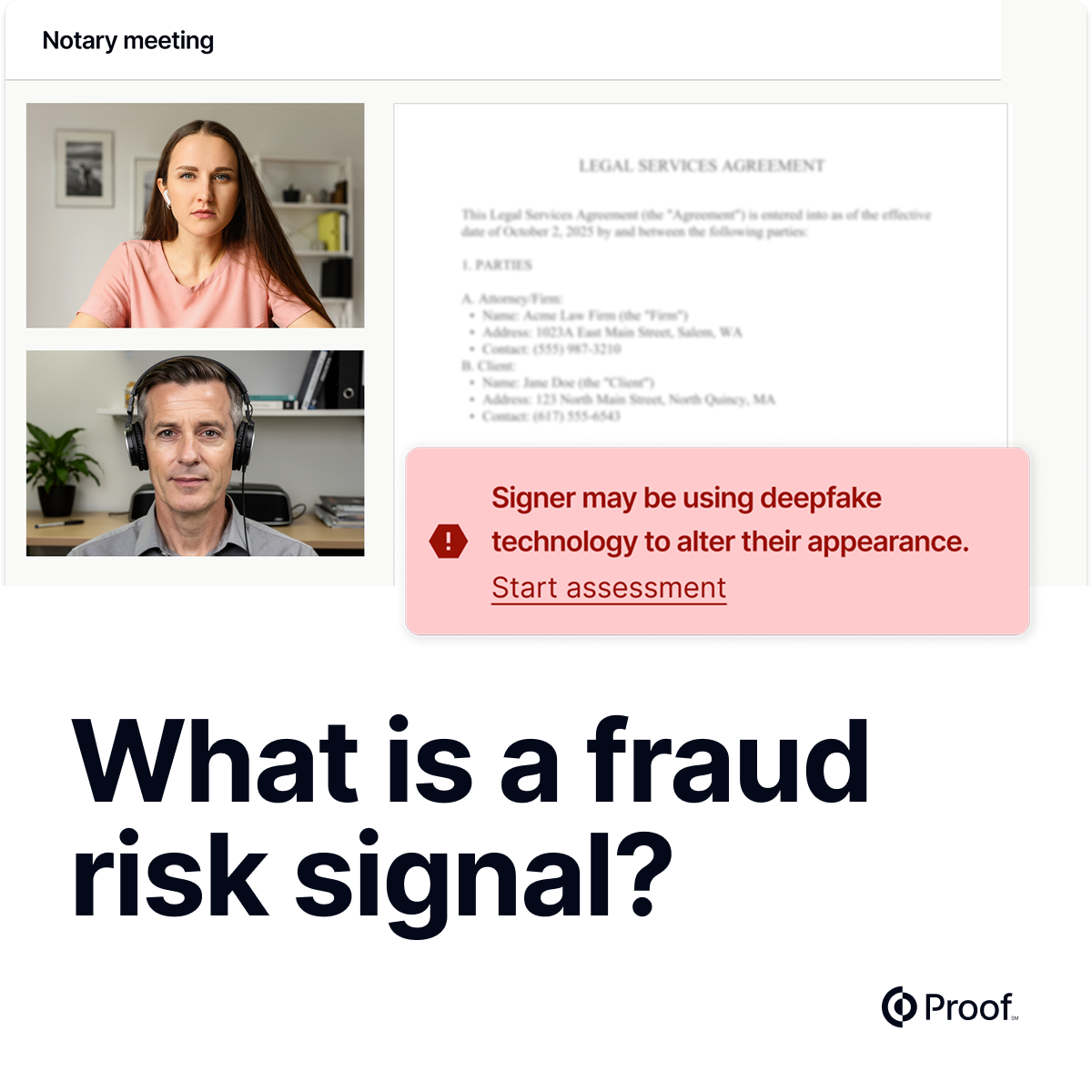
Even a document that's genuine and DMV-verified doesn't prove the person on camera is who the card says. Biometric matching compares the ID photo to a live selfie or video, while liveness detection confirms the face in frame belongs to an actual, present person rather than a photo, replay, mask, or deepfake. This is the hardest case to catch on paper: a real, correctly issued ID in the wrong hands. It matters most at account opening: TransUnion found 8.3% of digital account-opening attempts were flagged as suspected fraud in 2025.
Why all three matter together
Skip any one and a fraudster finds a path through: a stolen ID number with a fake photo sails past document authentication but fails biometric matching, and a well-made counterfeit fails the DMV cross-reference no matter how convincing it looks. Stack all three and faking your way through gets expensive fast, which is why Proof and other layered identity verification platforms build all three into every flow by default, high-risk case or not.
The stakes justify it: business email compromise targeting real estate closings, often paired with identity fraud to redirect funds, cost victims over $3 billion in 2025, and real estate fraud complaints to the FBI's Internet Crime Complaint Center hit $275.1 million last year as well.
If your business needs to know a government ID is real and belongs to the person presenting it, see how Proof runs all three checks together in one flow.

























































.jpg)