Why Identity-Verified Signing Matters, and How to Evaluate It

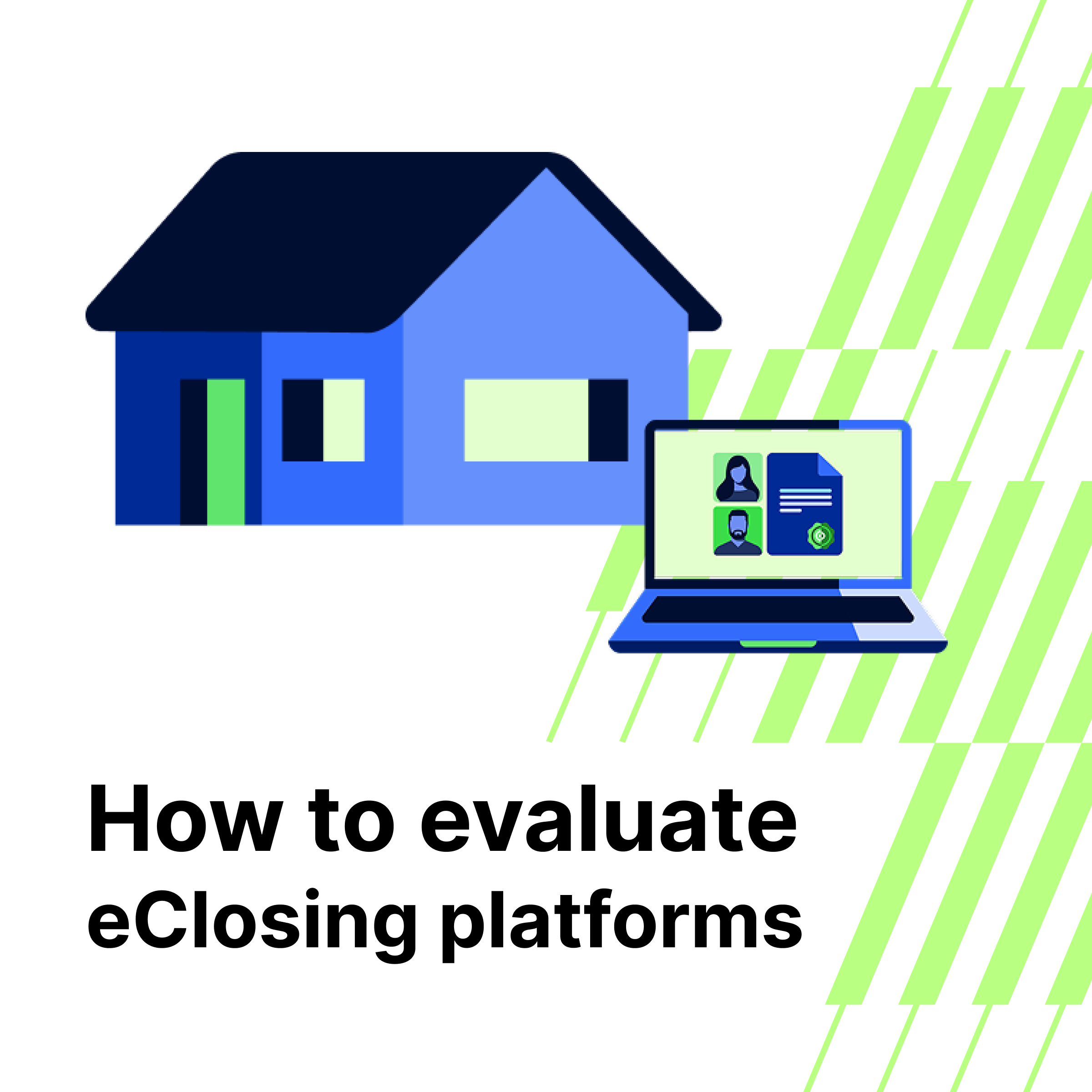
A title company closes on a home.
A law firm sends a power of attorney to a client's adult child, handing that person authority over a parent's finances.
A lender sends final loan documents for e-signature at 9pm because the borrower is traveling.
In each case, someone clicks a link, types a name, and the document is "signed." The question that matters most rarely gets asked: did anyone actually confirm who just signed?
Most e-signature software solves a narrower problem. It moved signatures from wet ink to a click, replacing the fax machine, a real improvement, but not a way to confirm identity. The law reflects that same distinction: the ESIGN Act and the Uniform Electronic Transactions Act gave electronic signatures the same legal footing as handwritten ones, on one condition buyers tend to overlook: the signature has to be attributable to the actual person who signed.
If nobody can show who was really behind the click, that footing gets shaky fast, which is exactly what a fraudster counts on.
Key takeaways
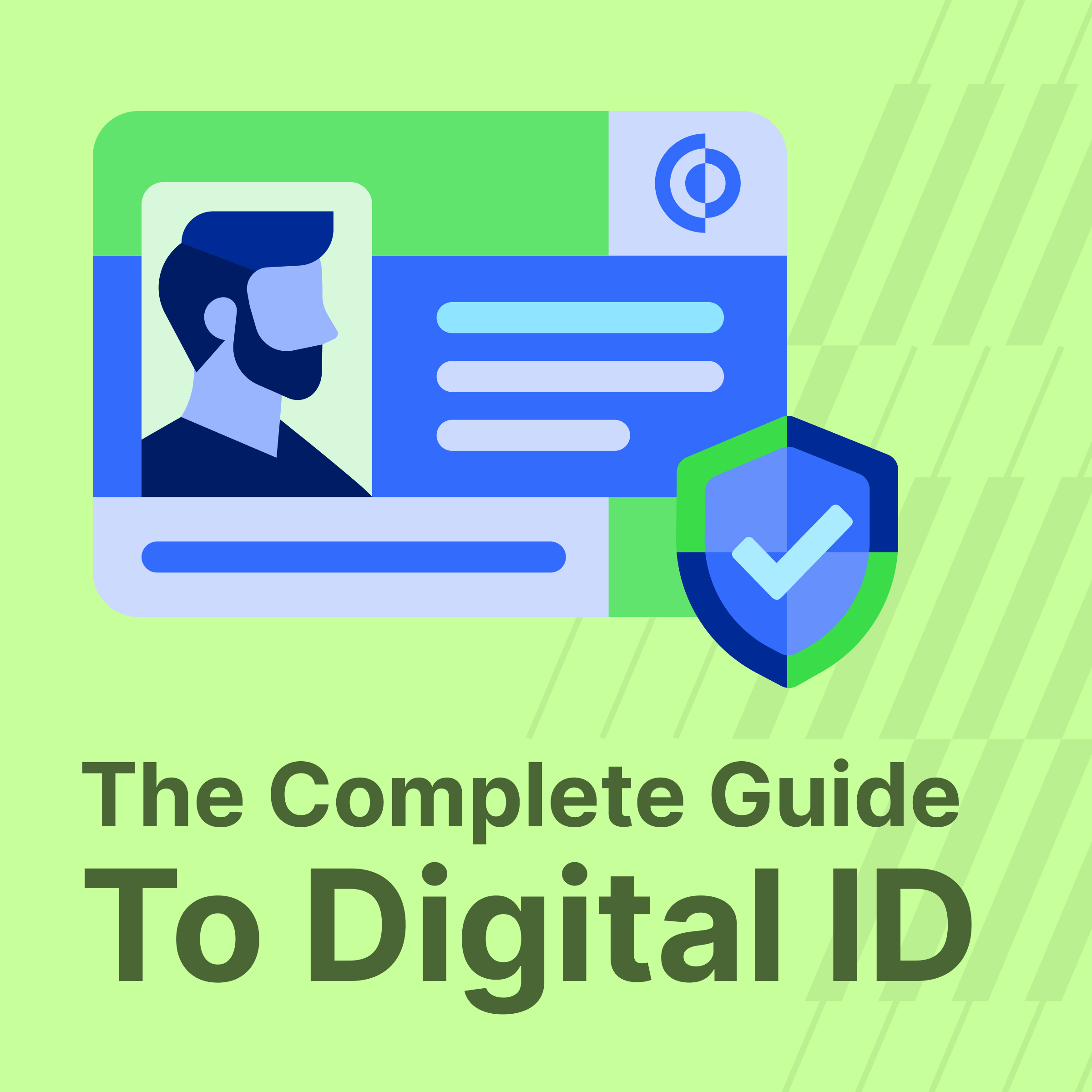
- Identity-verified signing requires a platform to confirm a government-issued ID and match it to a live biometric at the moment of signing, not once at account setup months earlier.
- Knowledge-based authentication (security questions drawn from credit-file data) is the weakest verification tier. NIST's current identity proofing guidance states plainly that it should not be used for identity verification, because that data is too widely exposed in breaches.
- The strongest platforms attach a tamper-sealed audit trail to the document itself, documenting which ID was checked, the biometric match confidence, and every step of the signing session. That record is what holds up when a signature is disputed.
- The gap between software that confirms access and software that confirms identity will widen as AI-generated IDs become harder to detect with a quick visual check.
The gap between "signed" and "verified"
Ask most e-signature platforms how they know who signed, and the answer usually involves an email link, a texted one-time code, or knowledge-based questions pulled from credit-file data, all of which confirm access without confirming identity. NIST's current identity proofing guidance states plainly that knowledge-based verification should not be used for identity verification, because that data shows up constantly in breaches and is easy for a fraudster to piece together.
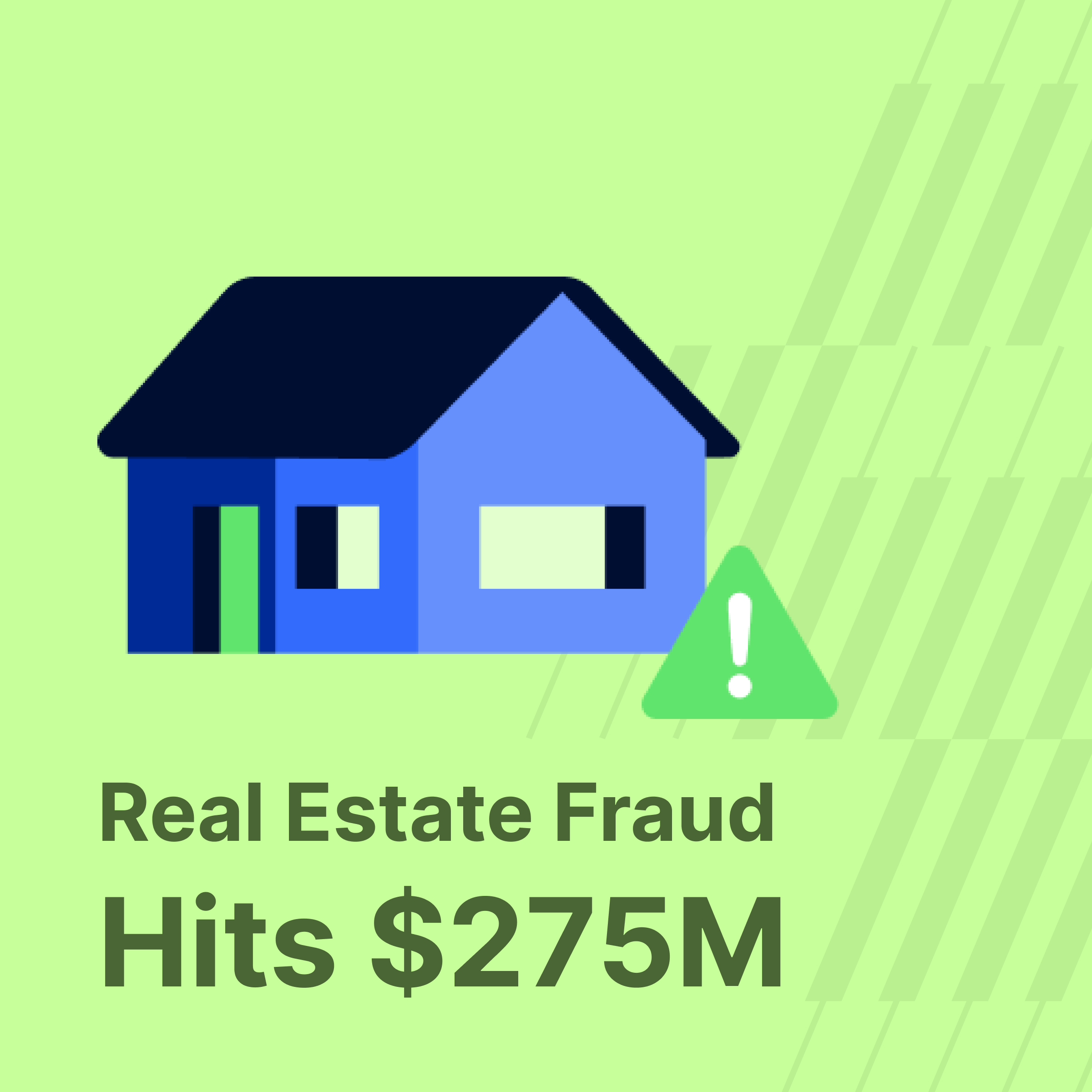
The same access gap fuels business email compromise, where an attacker hijacks a thread and gets fraudulent documents signed under someone else's name. The FBI's Internet Crime Complaint Center reported nearly $8.5 billion in such losses over the three years through 2024, much of it tied to real estate transactions specifically.
Why this matters more in high-stakes documents
Signing a lunch order form and signing a deed transfer are different acts, even when the software looks identical. The documents where identity verification matters most share a pattern: money changes hands, legal authority transfers, or a dispute later is plausible enough that someone might need to prove exactly who signed.
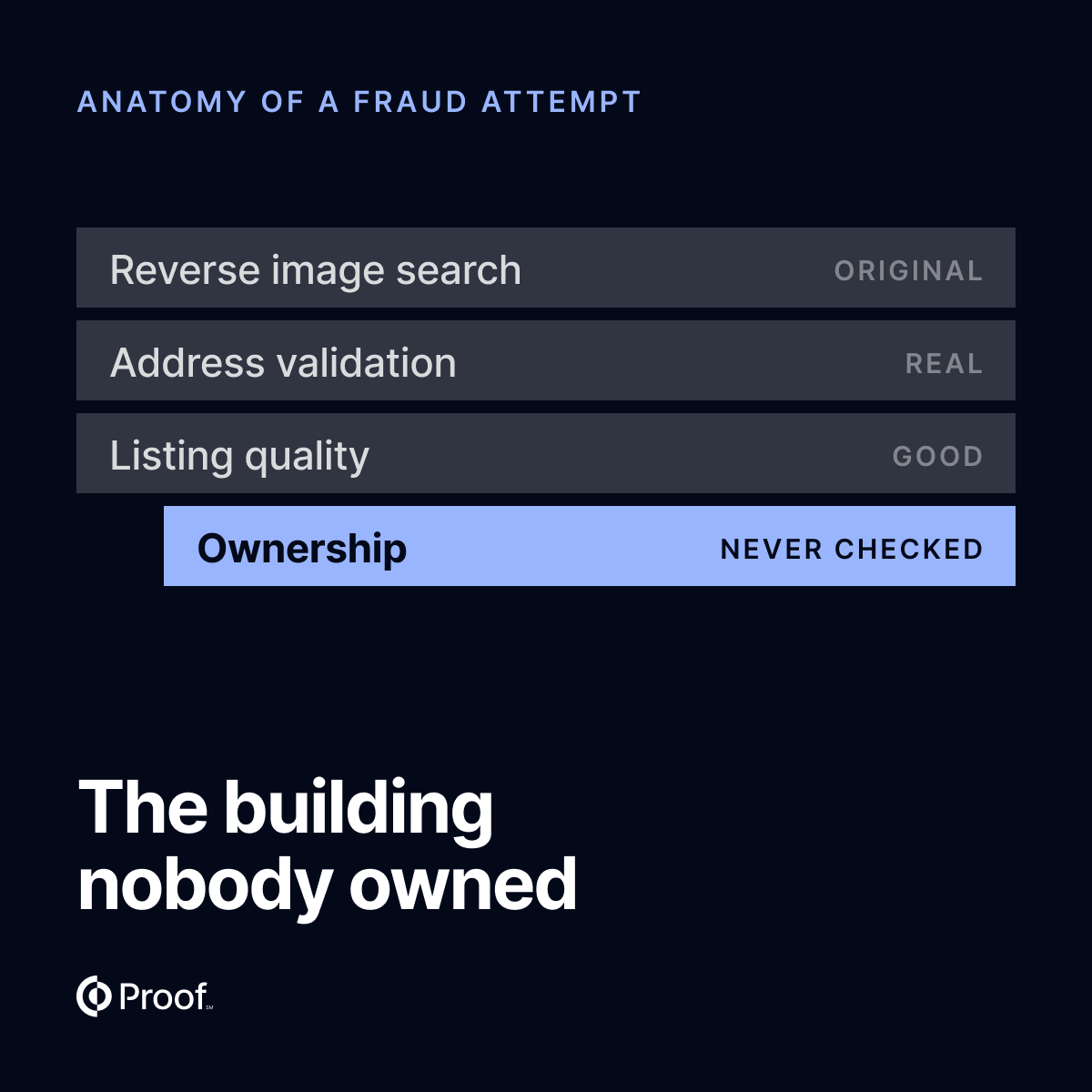
Real estate closings are the clearest example, and the numbers above aren't an outlier year: fraudsters increasingly use forged or AI-generated IDs that pass a quick visual check, and much of the fraud NAR tracked involved impersonating a legitimate owner to transfer or encumber property.
A power of attorney carries similar stakes, as do loan documents, settlement agreements, and large vendor contracts. If a signature on one of these is ever challenged, "we sent a link to an email address" is a far weaker position than "we verified a government ID and matched a live biometric at the moment of signing."
How to actually evaluate an e-signature tool's identity verification
Marketing pages use "identity verification" loosely. There are roughly three tiers underneath the term, and they aren't interchangeable. Knowledge-based authentication sits at the bottom, asking the signer questions drawn from public or credit-file records.
NIST has moved away from recommending it because that data is too widely exposed to count as proof of anything. Government-ID-based verification is a real step up: the platform scans a driver's license, passport, or other government document, checks it for tampering or forgery, and in stronger implementations validates the data against issuing-authority records. NIST's Identity Assurance Level 2 (IAL2) standard describes this done rigorously, including confirming the applicant is the rightful owner of the claimed identity.
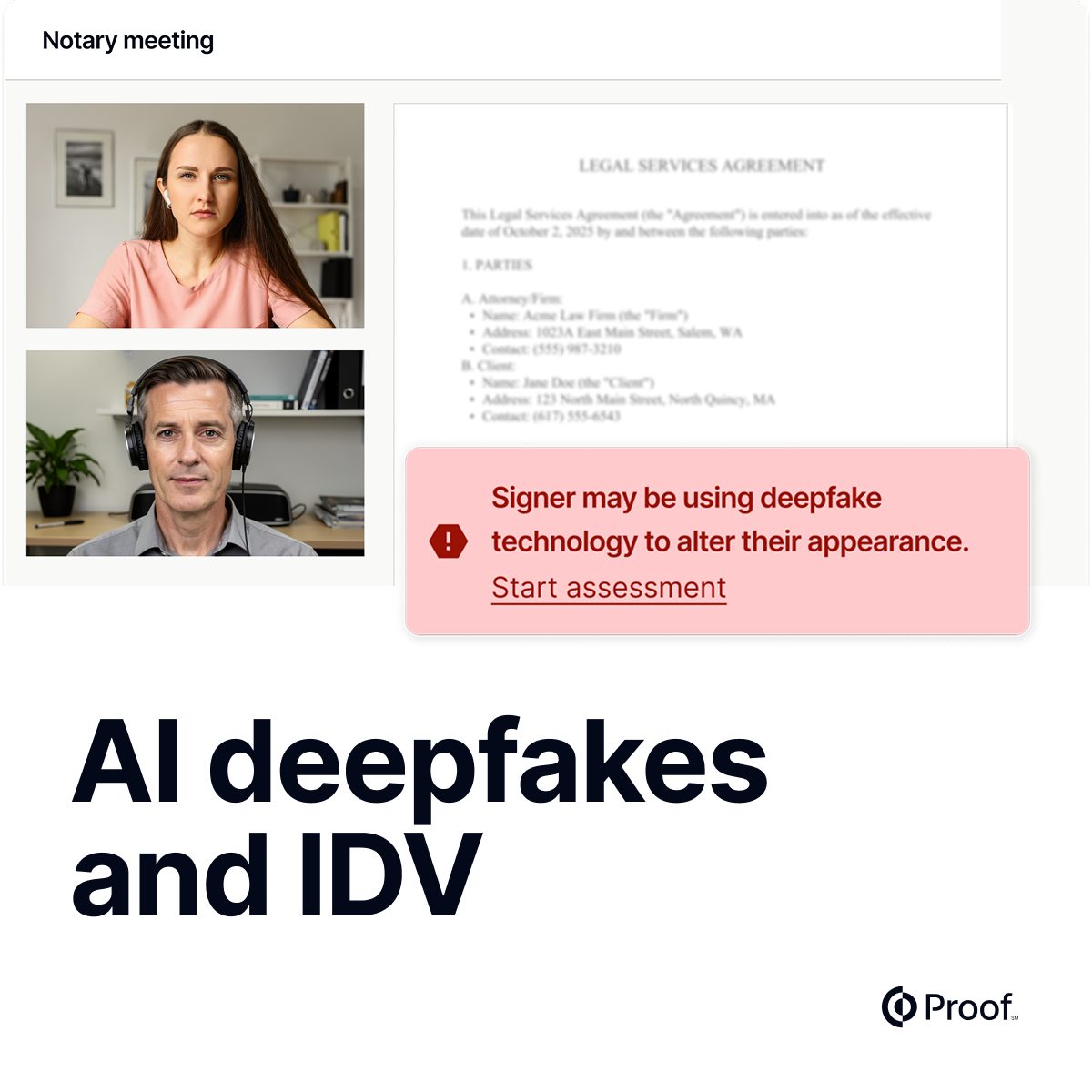
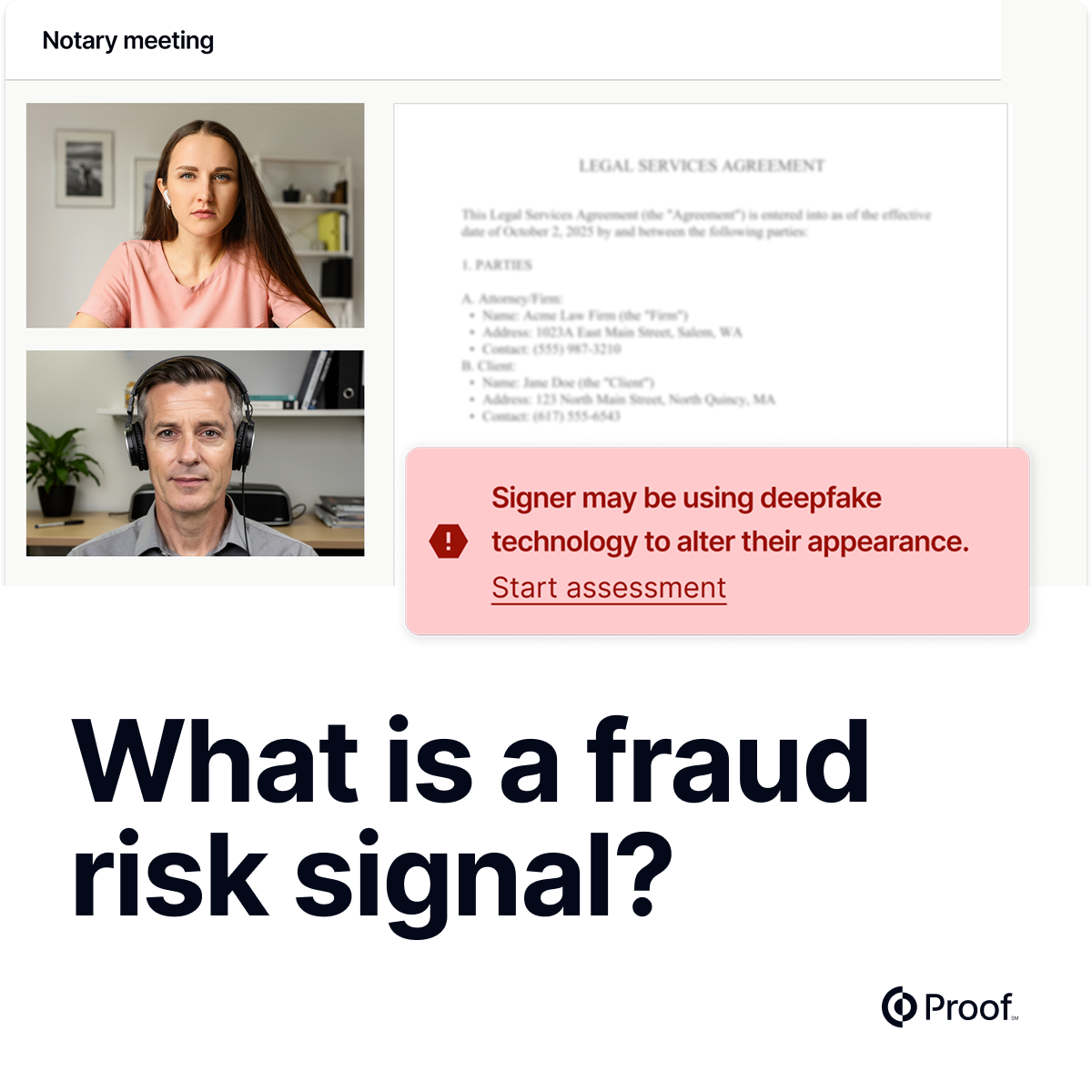
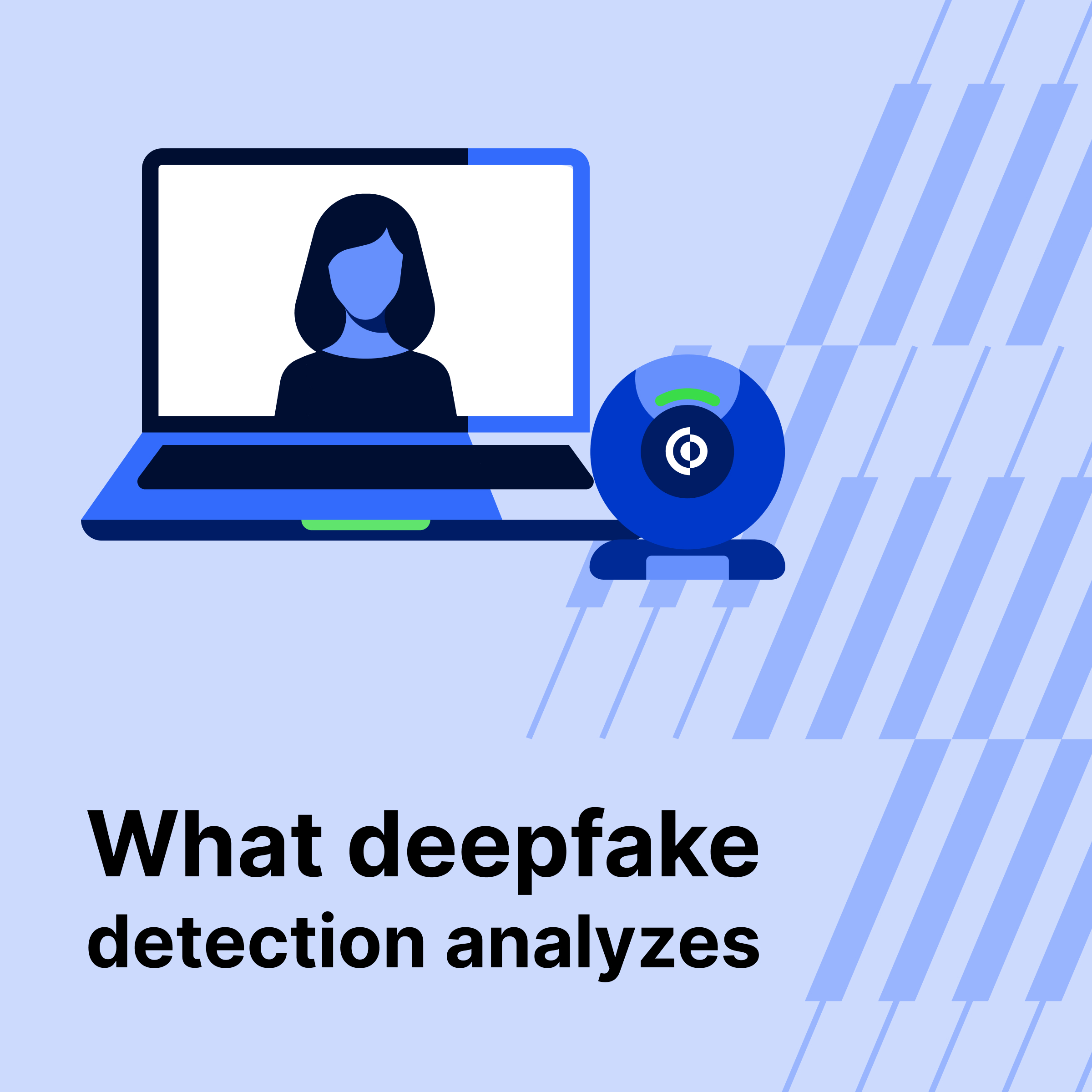
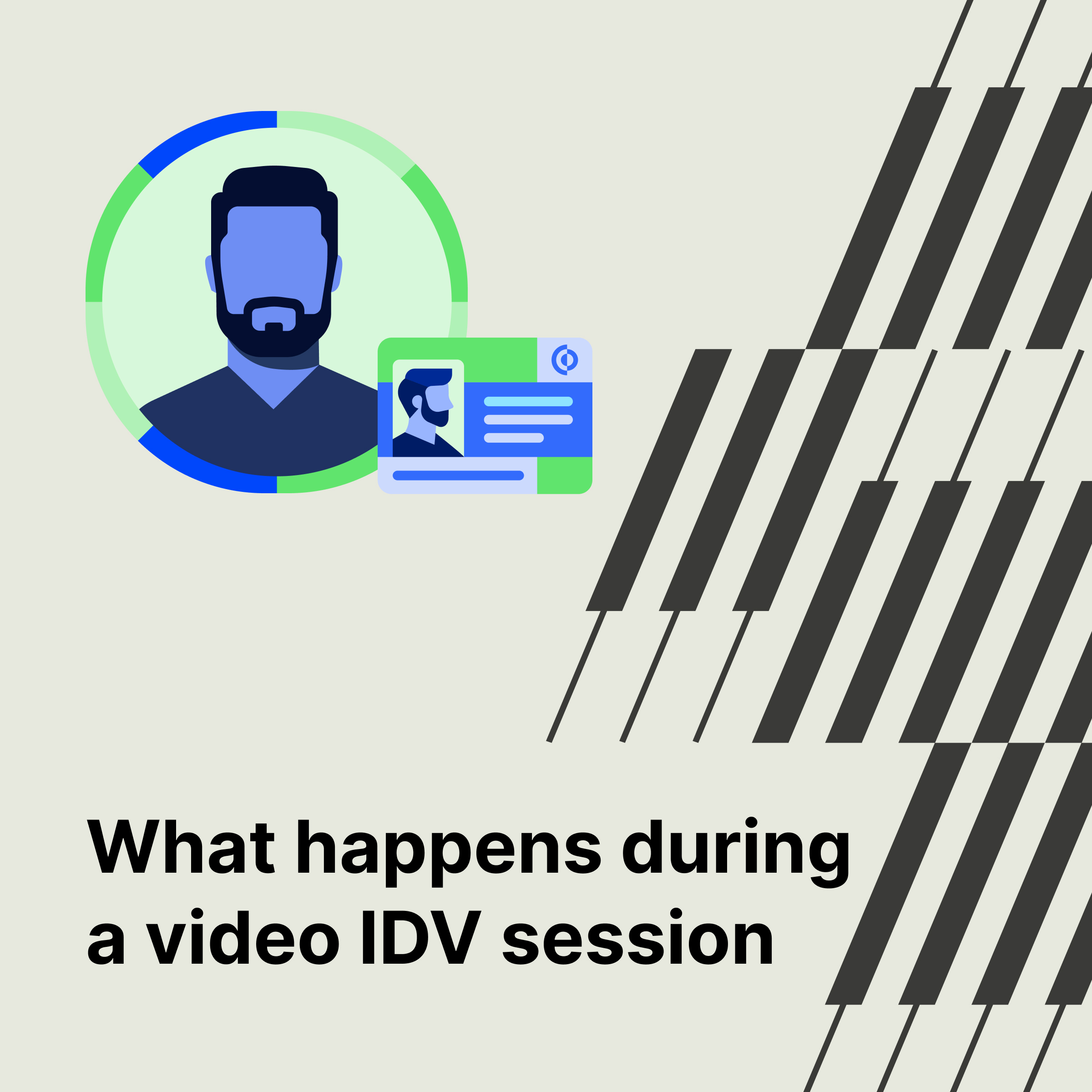
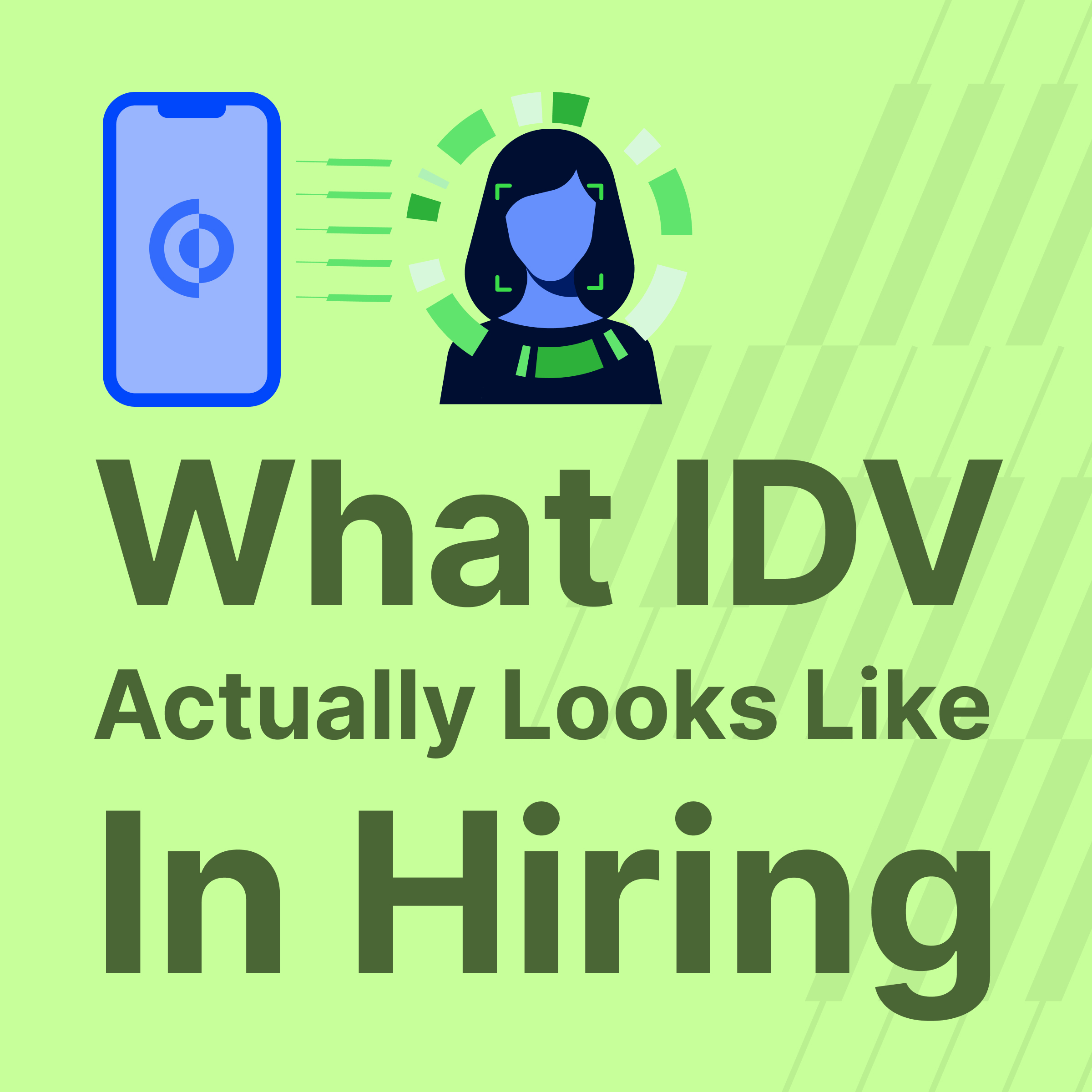
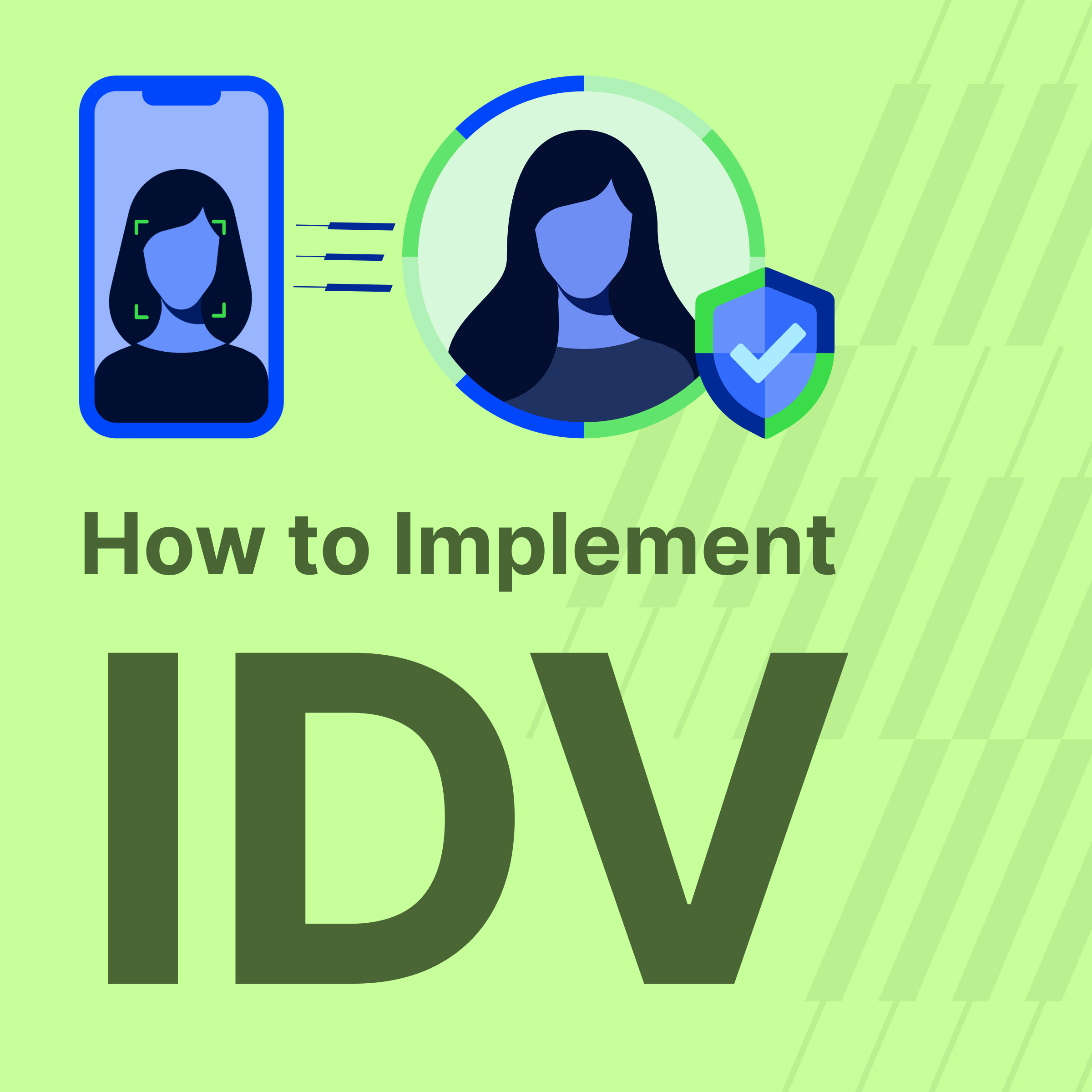
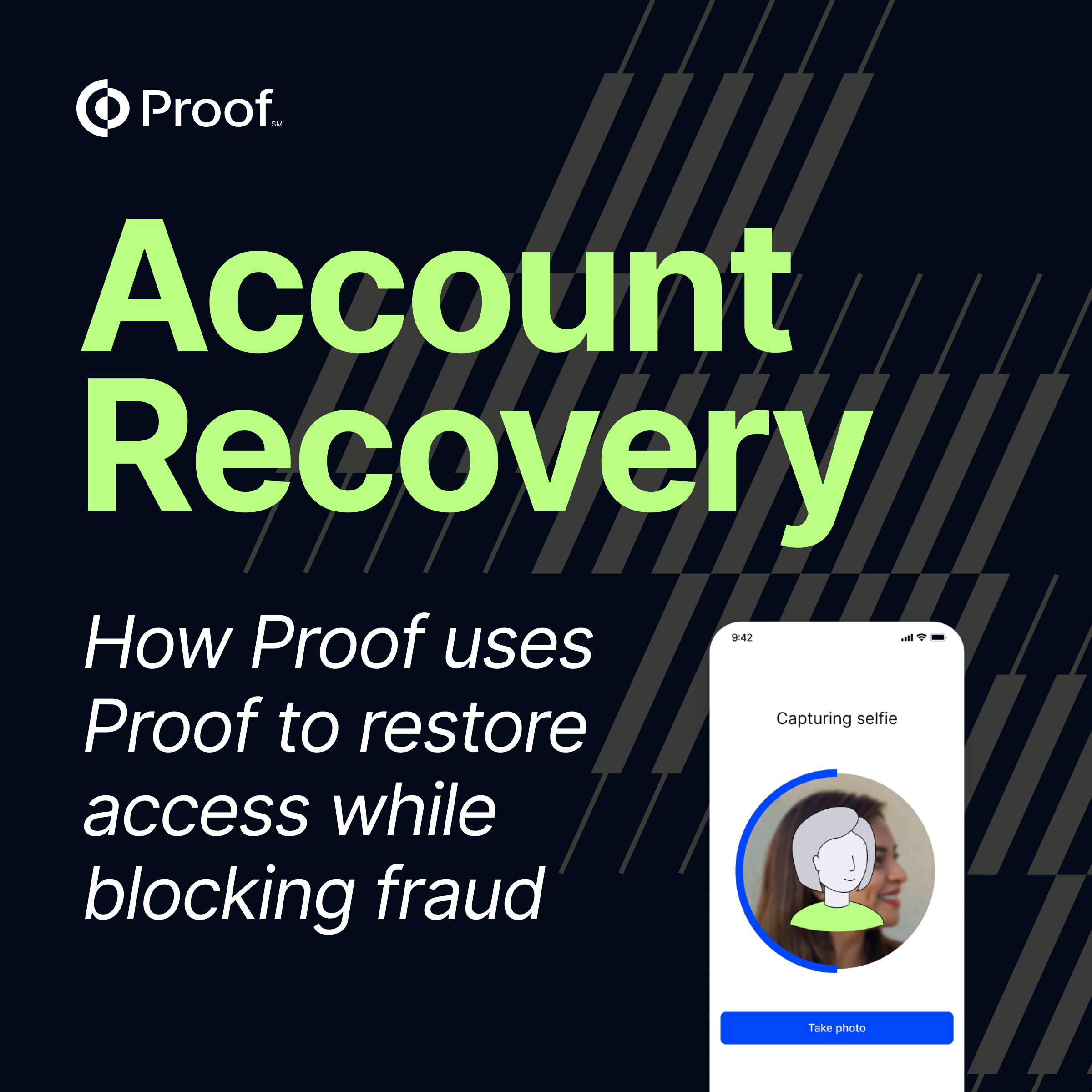
Biometric liveness matching is the strongest layer, usually paired with ID verification rather than replacing it. A live selfie or short video confirms both that the face matches the ID photo and that a live person, not a photo or mask, is on the other end. This kind of presentation attack detection is measured against the ISO/IEC 30107-3 standard, and it's the tier Proof is built around, pairing document checks with a biometric match rather than leaning on either alone.
When evaluating a vendor, ask which tier they actually offer and whether verification happens at the moment of signing or only once, at account creation. A signer verified eight months ago hasn't been re-verified for today's document, and verification that's optional under deadline pressure tends not to happen at all.
The audit trail is where the proof lives
Verification only helps if it produces evidence someone can point to later. A rigorous platform attaches a detailed, tamper-sealed record to the document itself, not a log stored separately that might be edited or lost, showing what ID was checked, the biometric match confidence, the timestamp and IP address of the session, and every step the signer took.
Proof audit trails include both a transaction-level summary and a document-level, tamper-sealed detail record, specific enough to hold up when a signature is disputed years later. A "certificate of completion" listing just names and timestamps, with no record of how identity was confirmed, is thinner protection than it looks.
The bottom line
Identity-verified signing separates a signature that merely exists from one that can be defended when it counts: a lender proving a borrower actually authorized a loan, a family confirming a power of attorney reflects a parent's real wishes, a title company standing behind a closing months later.
Fraud tactics keep getting more sophisticated and forged IDs keep getting more convincing, so the gap between software that checks access and software that verifies identity will only widen.
If a signature on your documents ever needs to hold up to that kind of scrutiny, see how Proof ties every signature to a verified government ID and biometric match, so the record you're left with is one you can defend.
























.jpg)




































.jpg)