The Interview Isn't Where Candidate Fraud Gets Caught


Updated July 9, 2026
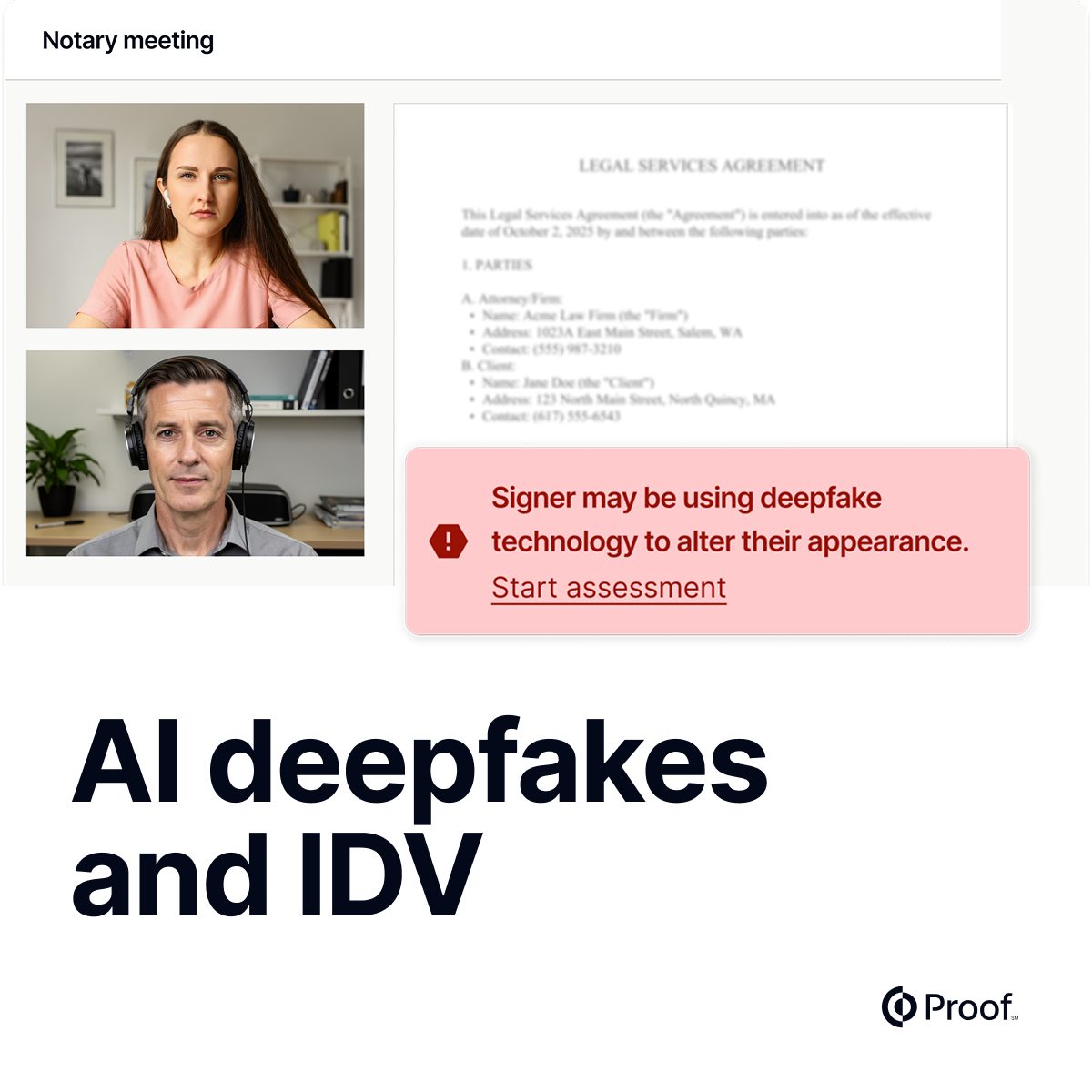
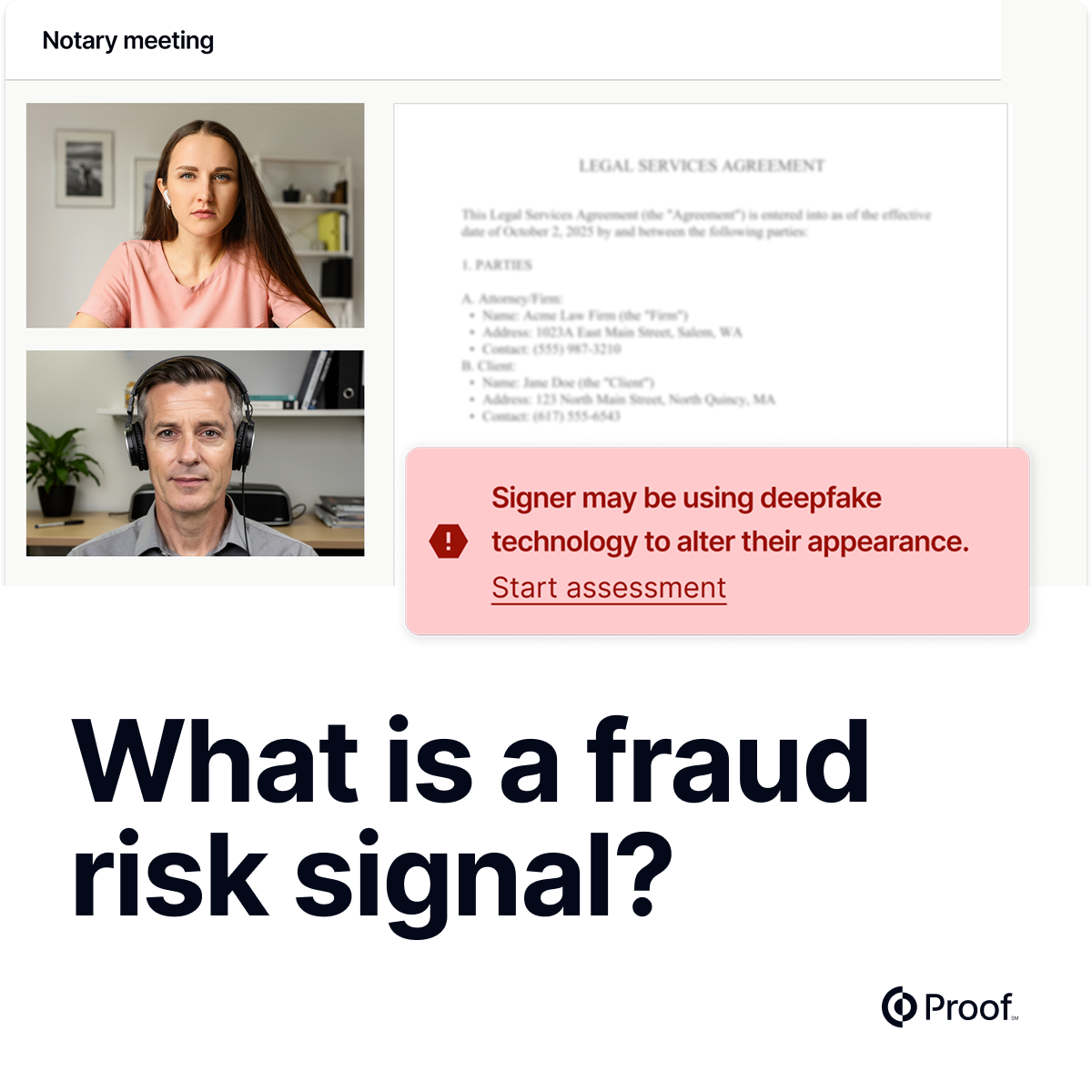
There is a documented case of a job applicant using deepfake technology to conduct a convincing interview for 70 minutes before being caught. That case gets cited as evidence of how good the fakes have gotten. But the more interesting (and maybe more important) thing it reveals is what had already happened before the call started.
By the time that recruiter was 70 minutes into that interview, the fraudulent candidate had already cleared a resume screen, passed early screening, and made it through however many rounds it took to reach that stage. Every checkpoint the hiring process had was behind them. The interview was simply where the fraud was finally caught, after it had already cleared every checkpoint intended to stop it.
Key takeaways
- Most hiring funnels evaluate candidate fit, communication, and skill — but none of those stages verify who the person actually is, making every pre-background-check stage vulnerable to synthetic identity fraud.
- A convincing fake candidate can be built for roughly $20 and 20 minutes, enough to clear every stage of a standard hiring process that does not explicitly verify identity.
- Candidate fraud detection is most effective when it is layered across the full hiring lifecycle — application, shortlist, offer, and Day One — not confined to a single checkpoint.
- Deepfake detection alone is not enough. The interview stage is the last line of defense, not the first — and by the time a deepfake appears, the organization has already invested significant time and resources in a fraudulent candidate.
What the hiring funnel actually verifies
Most hiring processes include multiple stages designed to narrow the candidate pool. What very few of them do, at any stage before a background check, is verify who the person actually is.
A resume screen evaluates fit.
A phone screen evaluates communication.
A technical assessment evaluates skill.
None of these confirm that the person completing them is who they claim to be, and a synthetic identity built from stolen personal data (a real name, a real work history, an AI-generated face) is specifically constructed to clear each of those stages cleanly.
Background checks, the closest thing most organizations have to identity verification, run late. They come after phone screens, after multiple interview rounds, after a candidate has been shortlisted and a hiring manager has invested real time in them. According to LinkedIn's recruitment data, the average time-to-hire in the U.S. runs between 36 and 44 days from posting to offer. The average recruiter spends approximately 23 hours screening resumes for a single hire. By the time a background check runs, the organization has already made a significant investment in a specific candidate based entirely on unverified identity.
And background checks verify history, not identity. A fraudster using a stolen identity with a fabricated or borrowed work history can pass one.
Proof's own research puts the cost of building a convincing fake candidate at a $20 tool and 20 minutes. That investment produces a candidate who can clear every stage of the funnel that does not explicitly verify identity, which in most hiring processes means every stage until the background check.
Verify candidates anywhere in your workflow
The 70-minute interview case makes the argument for verification that happens before the interview ever starts, but the broader point is that it does not have to be confined to one stage. Verification is most powerful when it is layered, fitting into the moments that matter most for your process, your roles, and your risk profile. Here is what it looks like at each stage.
At the application stage
Passive identity screening at the moment a candidate enters the pipeline catches fraud signals that exist in the application data itself: synthetic identity patterns, high-risk contact data, behavioral anomalies that indicate automated or coordinated submission. This happens before a single recruiter minute is spent, and it removes fraudulent applications before the 23-hour screening clock starts running.
At the shortlist
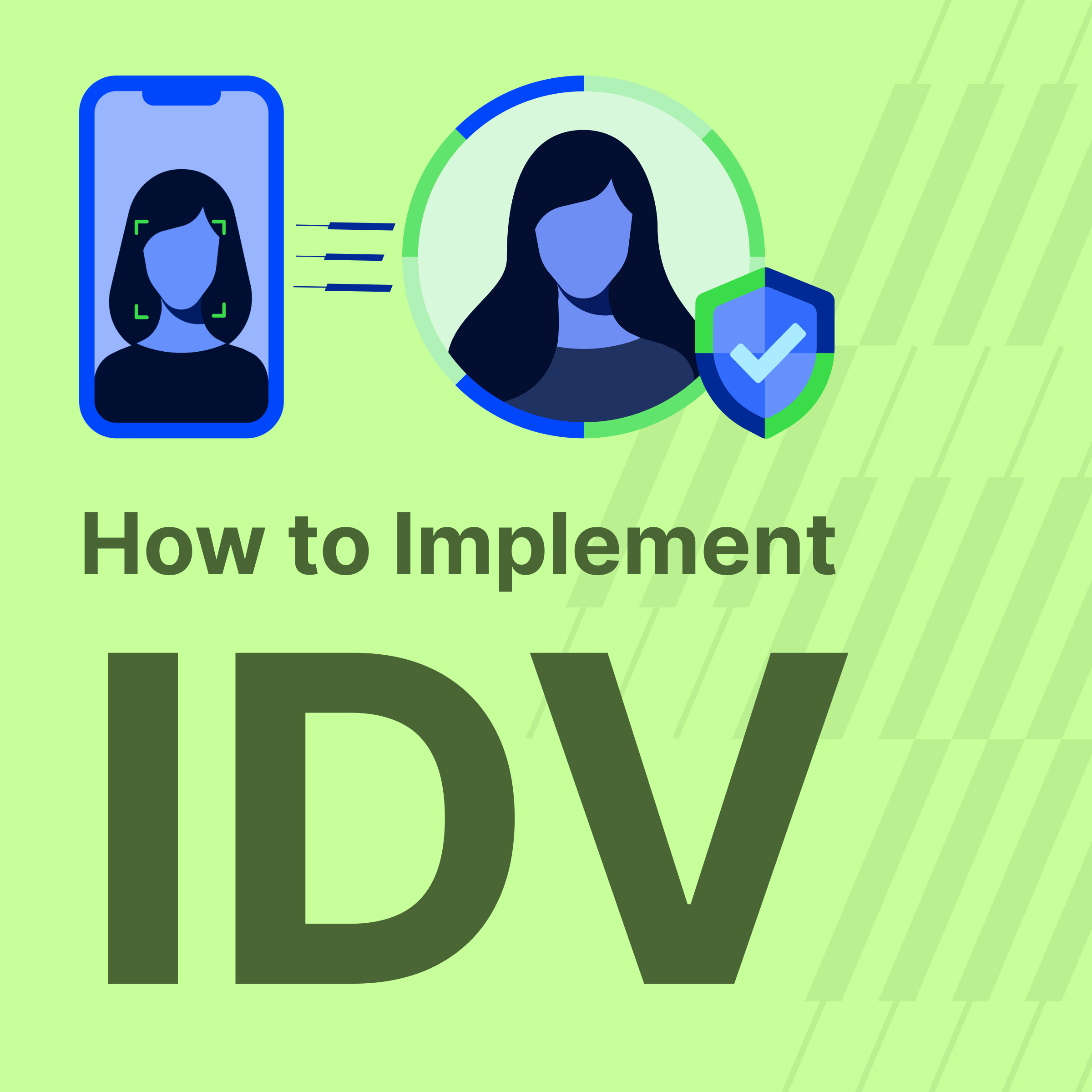
When a candidate reaches the shortlist, government ID verification and liveness checks confirm that a real human being is applying who matches the identity on file. That verification creates a record that travels through every subsequent stage. When the same candidate appears in an interview two weeks later, the question shifts to whether the person on the call matches the verified identity already established.
At offer and Day One
Verification should not stop when the interview ends. A trained identity agent joining the pre-offer session arrives with the full context built across every prior stage and runs real-time deepfake detection in the background. The I-9 at Day One closes the record: a fraudulent hire cannot match the identity they rode in on during a live document review conducted by a trained examiner.
A fraudster who cleared a 70-minute interview got that far because nothing earlier in the process asked who they were. That is the gap worth closing. See how Proof builds an identity record that starts at the first application and holds through Day One.























.jpg)



































.jpg)