
Reduce FAFSA fraud without slowing disbursement
Verify student identity at NIST IAL2, detect synthetic applicants, and keep FAFSA aid moving without adding friction for financial aid teams.
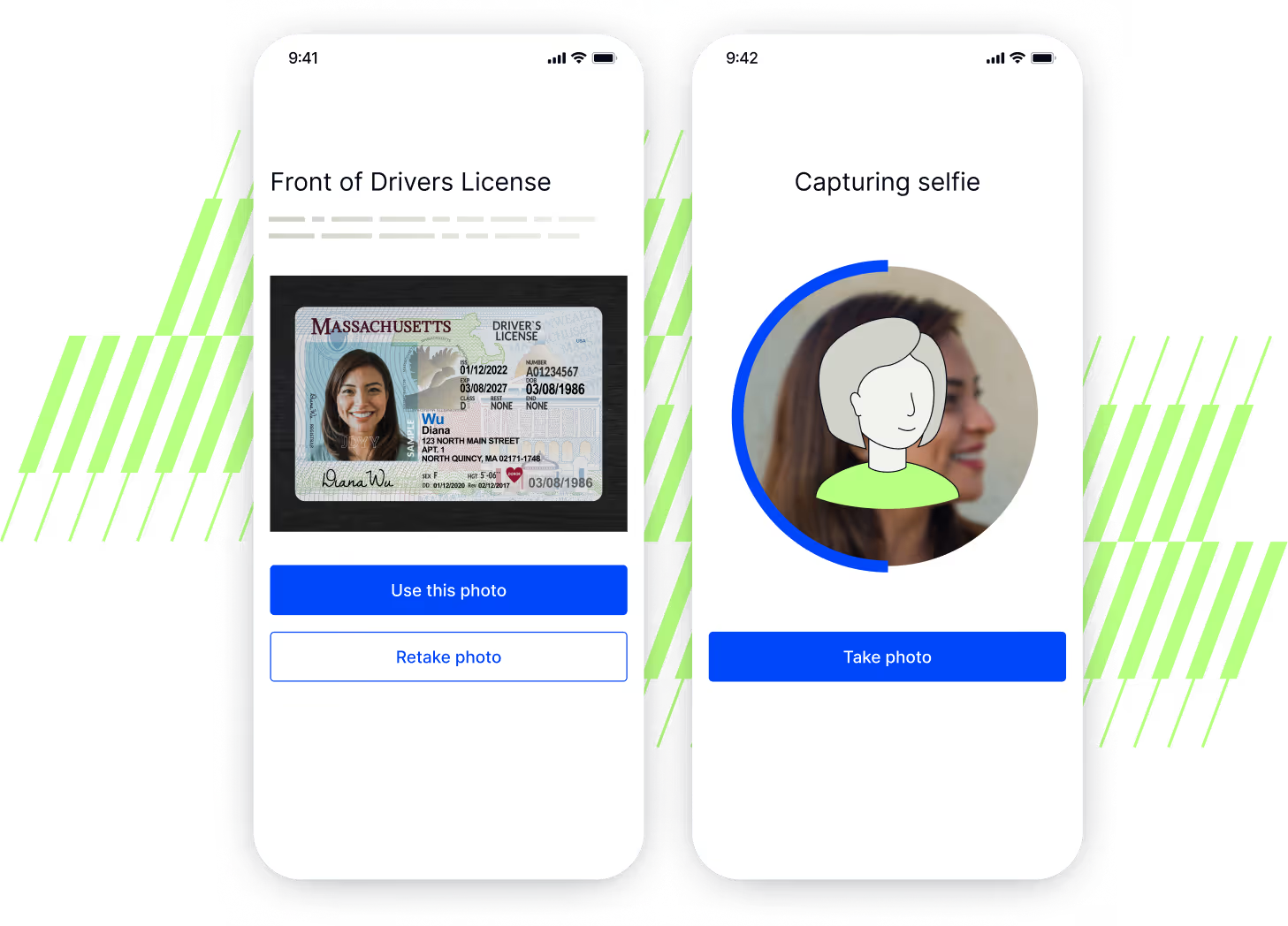
Synthetic students are driving a new wave of FAFSA fraud
$10M+
Stolen financial aid from community colleges in just 12 months
3.12%
Federal aid payments flagged as improper or fraudulent
1.2M+
Suspicious FAFSA-related applications flagged in just one state system
Why institutions trust Proof for FAFSA verification
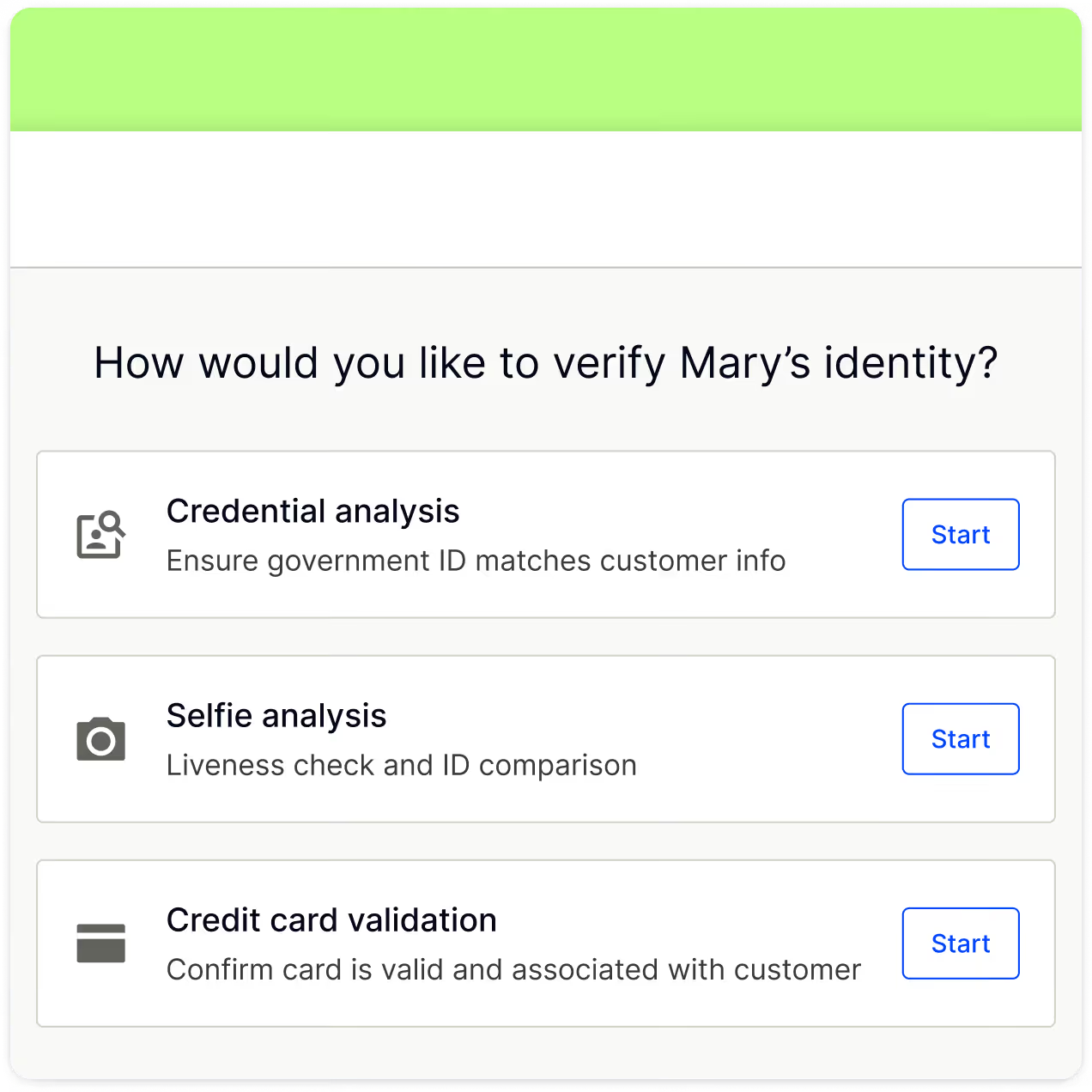
High-assurance identity verification
Verify student identities with confidence while meeting federal assurance requirements aligned to NIST IAL2 standards.
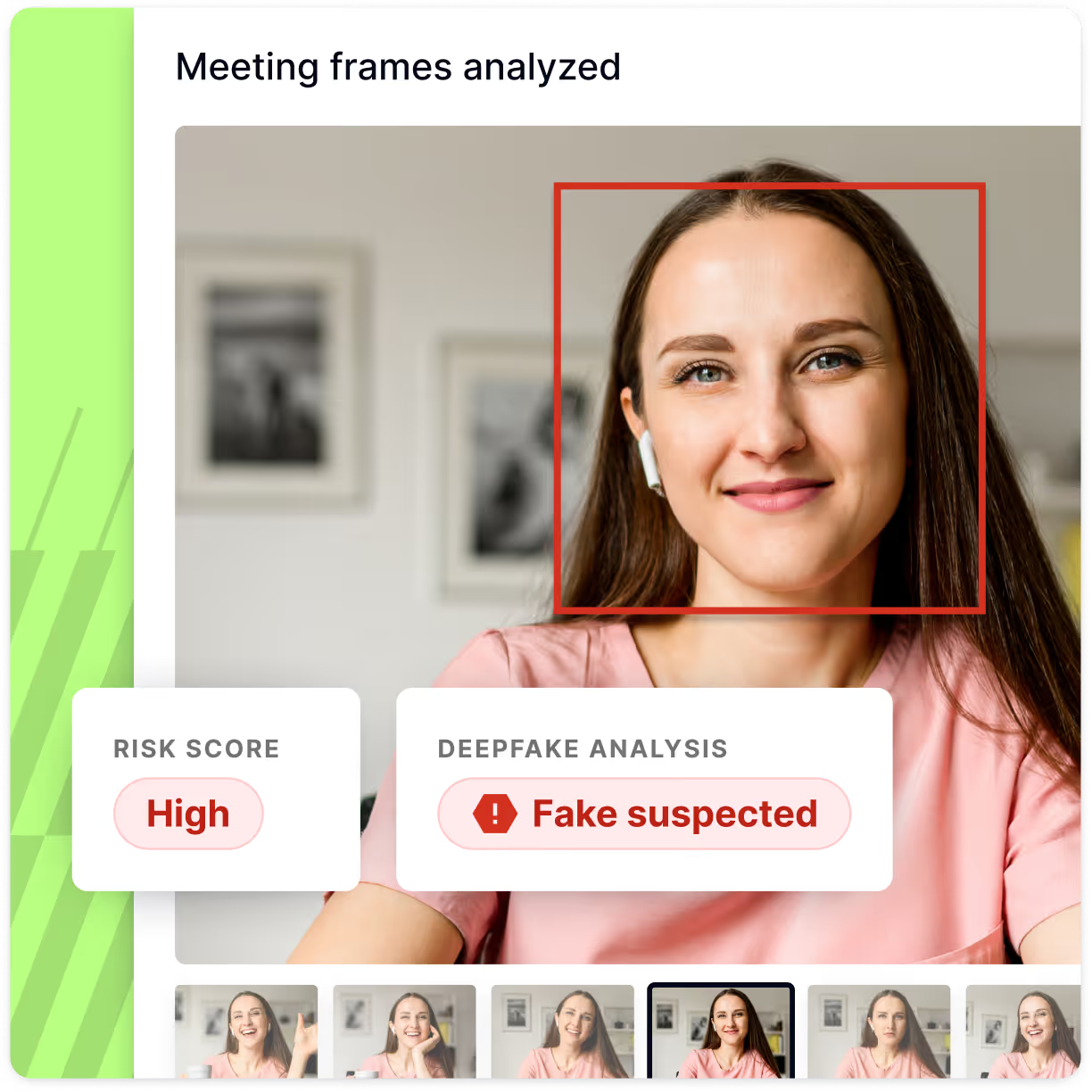
Biometric liveness detection
Confirm applicants are physically present during verification, preventing impersonation.

Human verification when needed
Escalate higher-risk cases to trained specialists for additional review.
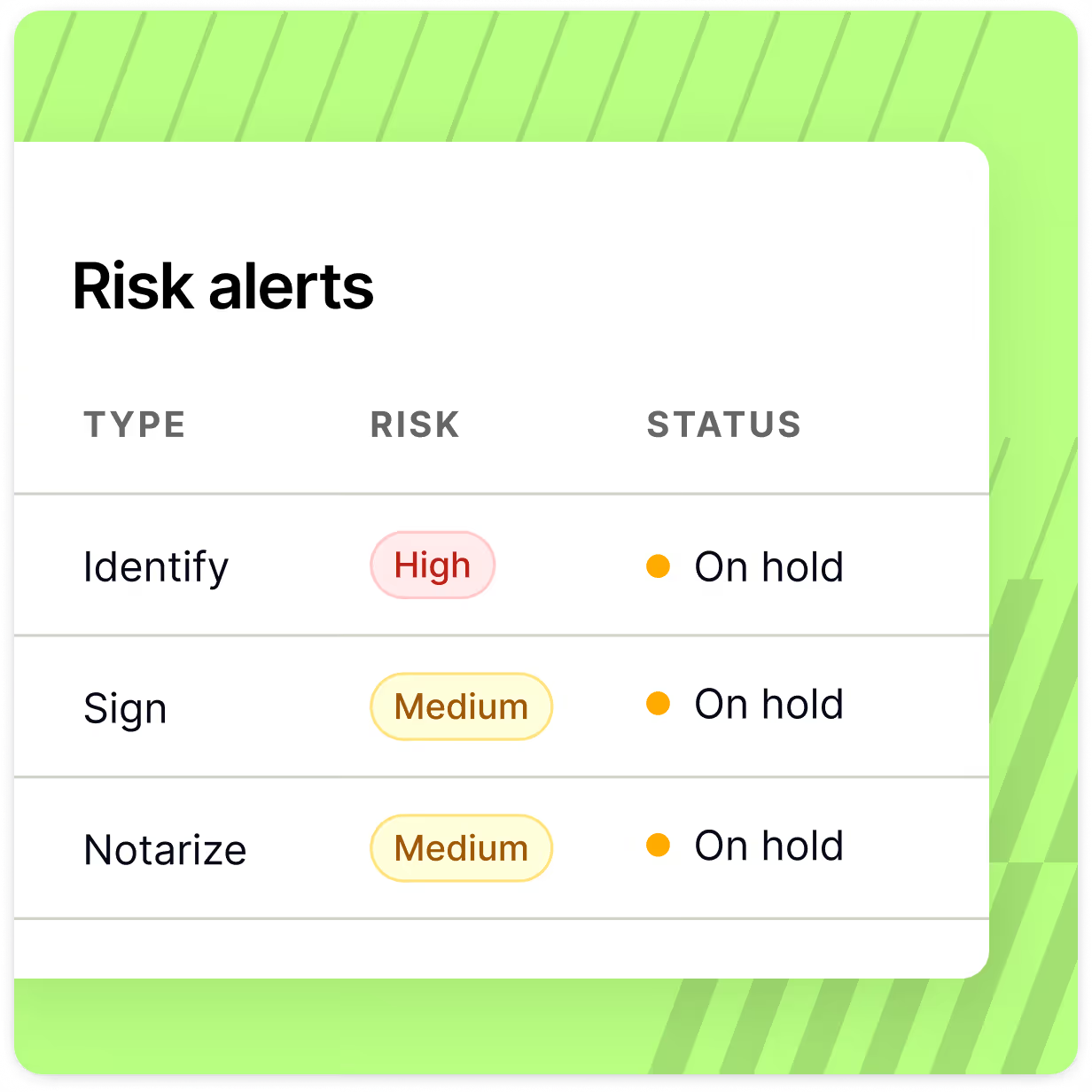
Synthetic identity detection
Identify fabricated or mismatched identity signals before aid is issued.
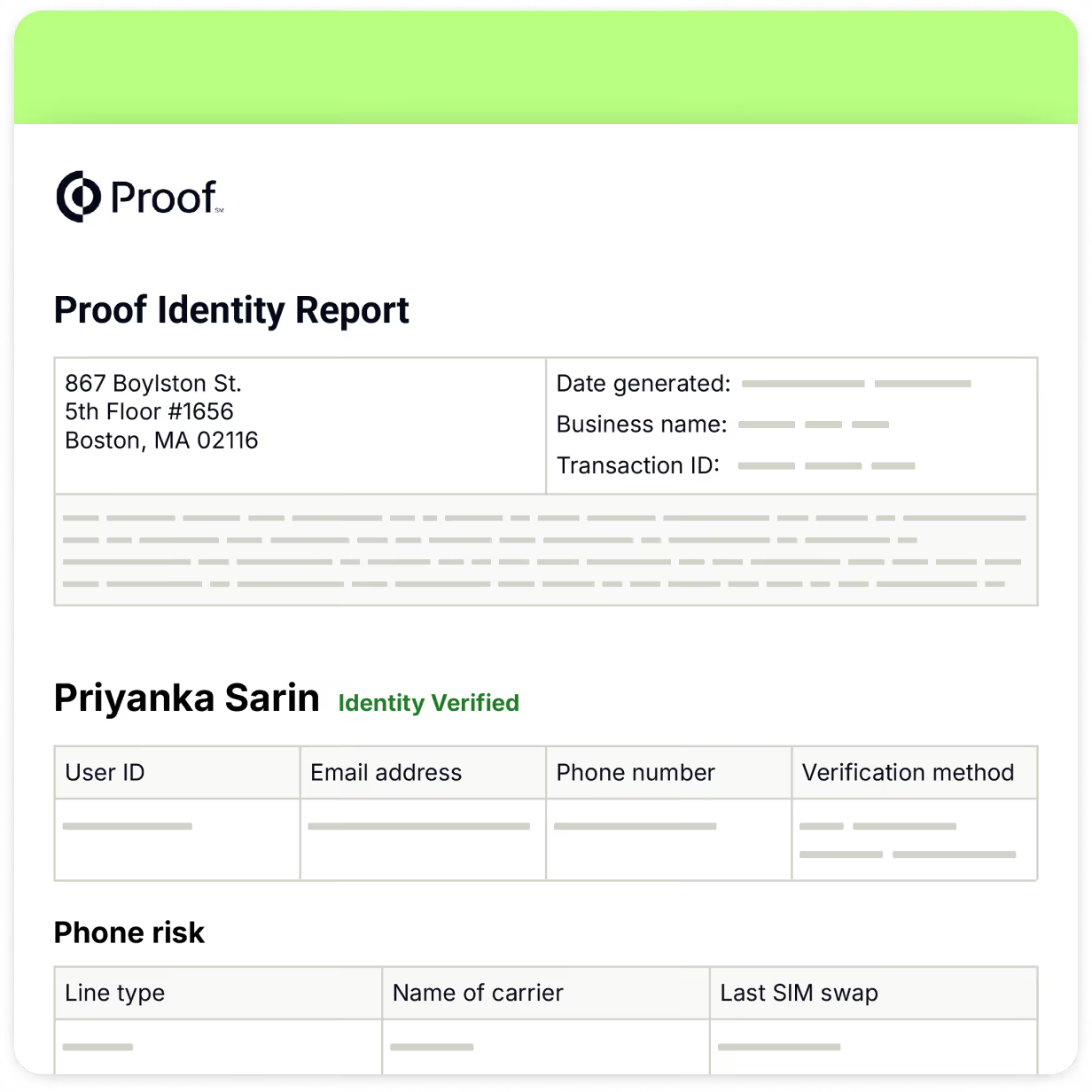
Audit-ready verification records
Maintain documented proof of how each identity was verified for compliance and reporting.
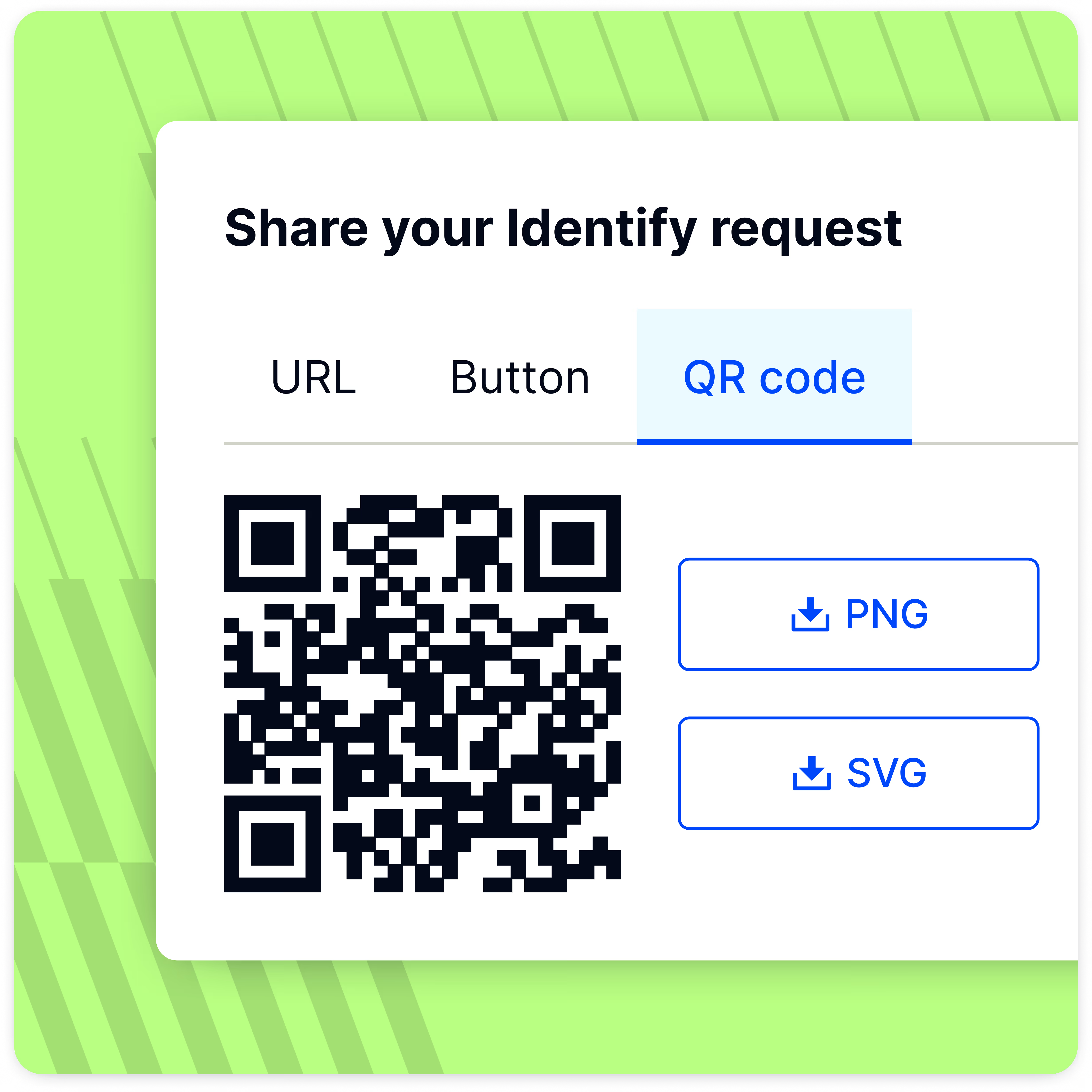
Flexible workflow deployment
Embed verification at admissions or apply it selectively based on risk signals.
How Proof fits into your FAFSA verification workflow
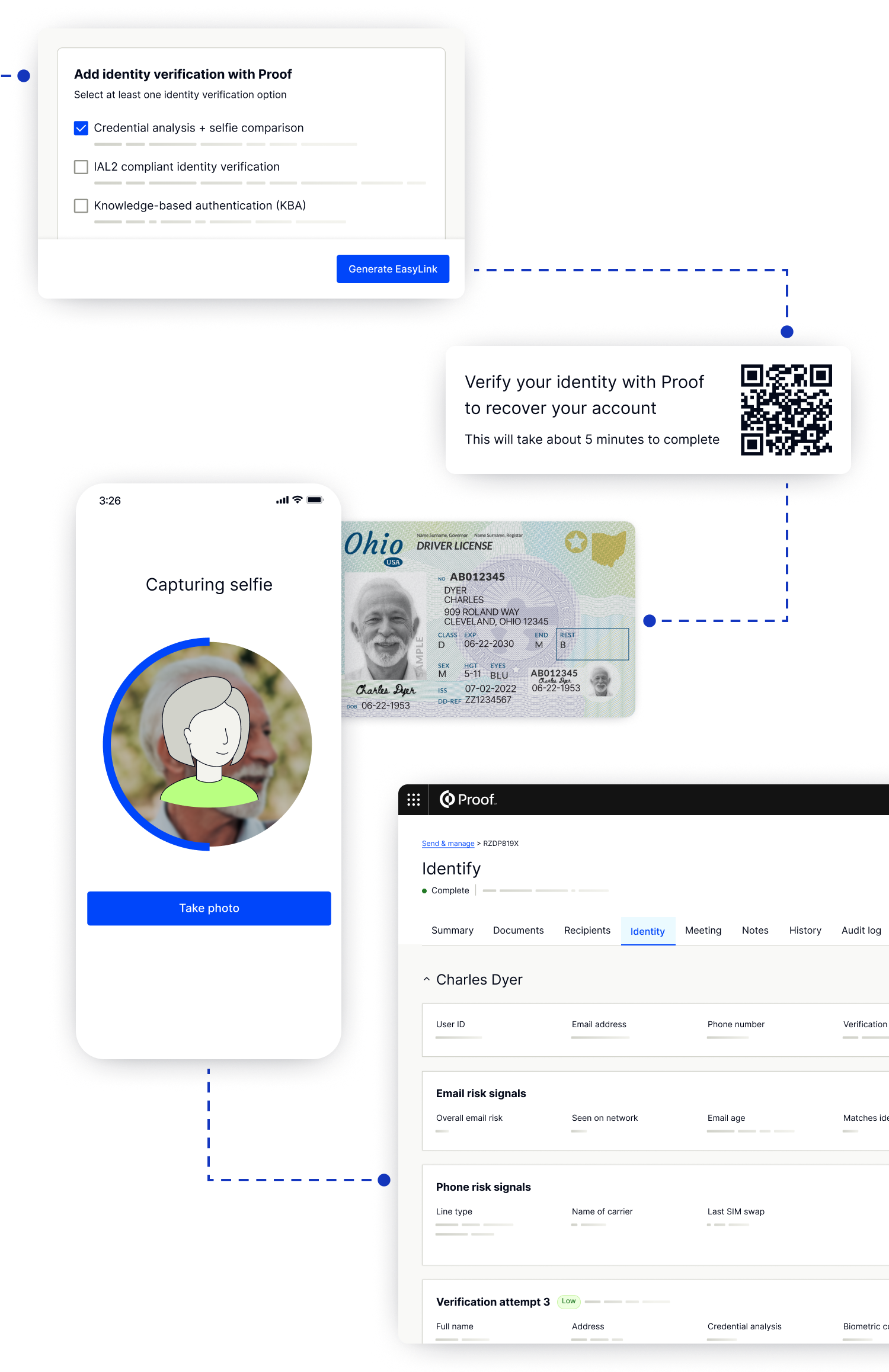
1. FAFSA application automatically routes to verification
When identity review is required, applicants are seamlessly guided into Proof through an embedded step in the FAFSA or admissions workflow.
2. Student begins identity verification
Applicants are prompted to complete identity verification through a secure digital flow accessible from any device.
3. Identity is verified at IAL2
Government ID validation, biometric liveness detection, and identity checks confirm the applicant’s identity meets federal assurance standards.
4. Risk signals trigger step-up review
Submissions that show inconsistencies or elevated risk are automatically flagged for additional scrutiny.
5. Human specialists review high-risk cases
Verification experts evaluate flagged applicants to determine legitimacy and prevent fraudulent approvals.
6. Results are recorded for compliance
Institutions receive documented verification outcomes aligned to FAFSA reporting and audit requirements.
7. Verified students proceed without delay
Eligible applicants move forward in the aid process while fraudulent identities are stopped before funds are disbursed.
A better way for financial aid teams to manage identity verification

Fewer identity investigations
High-risk applicants are flagged automatically, reducing the need for manual case review.

Clear verification status per applicant
Staff can see whether identity has been verified, escalated, or completed without chasing documentation.

Faster aid release for verified students
Once identity is confirmed, applicants move forward without additional verification delays.

Reduced peak-cycle workload
Automated verification absorbs volume during FAFSA surges when staff capacity is limited.

Consistent verification documentation
Every identity check produces a standardized record for reporting and audit purposes.

Less back-and-forth with applicants
Students complete verification in a guided flow rather than submitting documents repeatedly.
Resources
FAFSA Fraud Is Rising - and New Rules Put Compliance in the Spotlight

Ghost Students, Stolen Identities, and the FAFSA Fraud Crisis

Creating Phantoms: How Fraud Actors Build Synthetic Identities
Put Proof to work in your FAFSA verification workflow

Frequently asked questions
How does Proof support FAFSA identity verification requirements?
Proof enables identity verification aligned to NIST IAL2 assurance standards, including biometric liveness detection and documented verification records that support federal guidance.
Can identity verification be applied only to certain students?
Yes. Institutions can deploy verification universally or apply it selectively based on verification groups, risk signals, or institutional policy.
Is in-person identity verification required?
No. Students complete verification remotely through a secure digital flow accessible from any device.
How are verification outcomes documented?
Proof provides audit-ready records showing how identity was verified, including session data and verification results.
How long does identity verification take for students?
Most students complete verification in minutes. Additional review only occurs if risk signals require escalation.
How does Proof fit into admissions or financial aid systems?
Verification can be embedded directly into existing workflows or triggered as a step-up process based on institutional requirements.
How long does it take to implement Proof?
Most teams are up and running in under a week. We don’t require any rip-and-replace; Proof fits into your existing systems and processes with minimal lift.
Is Proof compliant with state and federal requirements?
Yes. Proof meets or exceeds all state and local requirements for remote online notarization (RON), identity verification, and electronic signatures, and is accepted in all 50 states.