Hospice Scams: What They Are, How They Work, and What Legitimate Providers Must Do Now

Updated July 10, 2026
An 89-year-old woman in California recently discovered something alarming.
Her Medicare number had been stolen and used to enroll her in hospice care without her knowledge. On paper, she had been placed into end-of-life treatment even though she was not terminally ill.
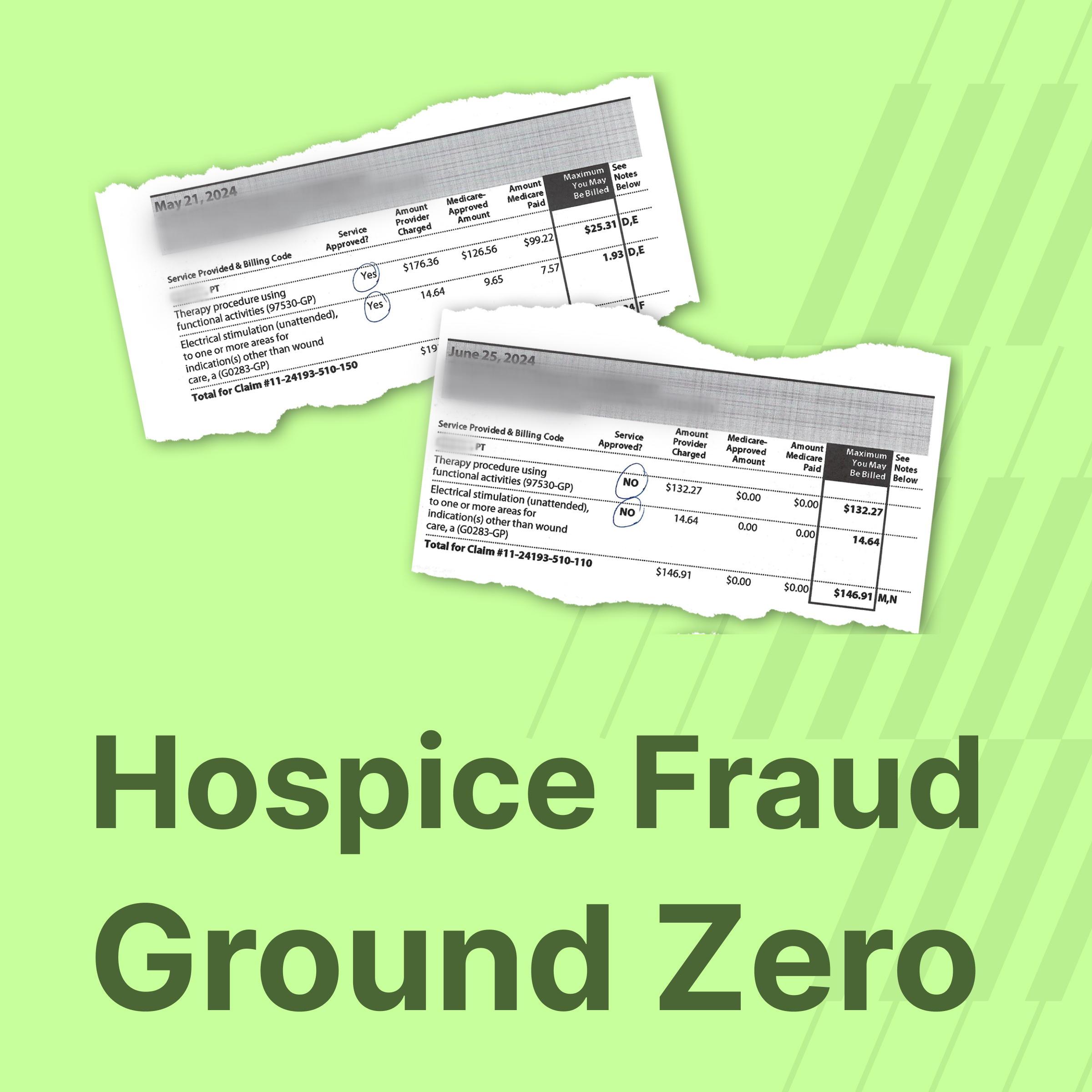
The case surfaced during a major CBS News investigation into hospice fraud in Los Angeles. Their reporting found growing red flags across hundreds of hospice companies operating in the county.
For patients, this type of fraud is devastating. It can block access to legitimate care and create lasting financial and medical complications.
For legitimate hospice providers, it creates a different kind of crisis. The entire industry is now under intense scrutiny, especially in Los Angeles. Regulators, investigators, and Medicare auditors are asking a simple question of every provider: Can you prove your enrollments and authorizations are legitimate?
Increasingly, the organizations that cannot answer that question clearly are the ones facing the most risk.
Key takeaways
- Hospice scams are a $3.5 billion problem in Los Angeles alone, with fraudsters stealing Medicare numbers to enroll patients who are not terminally ill and billing for services never provided.
- The core vulnerability in every hospice scam is identity and authorization — fraudsters exploit weak enrollment verification to submit false claims without the patient's knowledge or consent.
- Legitimate hospice providers now face the same scrutiny as bad actors — regulators and auditors are demanding verifiable, tamper-evident records that prove who authorized each enrollment and when.
- The providers that can produce cryptographically secured, identity-linked authorization records will be in the strongest position when audits, payment reviews, and fraud investigations arrive.
Los Angeles has become the epicenter of hospice fraud
Hospice fraud is not new. But in Los Angeles, the scale has reached a level that federal investigators describe as unprecedented.
Recent reporting and enforcement actions paint a stark picture:
- Investigators estimate roughly $3.5 billion in hospice and home-care fraud may be tied to operations in Los Angeles.
- California regulators have revoked more than 280 hospice licenses as part of a sweeping crackdown on fraudulent operators.
- Federal prosecutors have also pursued criminal cases tied to fraudulent hospice schemes, including a $16 million operation that billed Medicare for services never provided.
Even with those efforts, investigations suggest the problem persists. The CBS investigation found that many hospice facilities with significant fraud indicators remain active across Los Angeles County.
The result is a regulatory environment where legitimate providers must now prove their integrity in ways that were never required before.
How hospice fraud actually happens
Most hospice fraud schemes rely on the same vulnerability: identity and authorization.
Fraudsters obtain Medicare beneficiary numbers and use them to enroll patients into hospice programs without their knowledge. Once a patient is fraudulently enrolled, the organization can bill Medicare for services that may never occur.
Other schemes involve falsified consent forms, forged physician certifications, or fabricated patient authorizations.
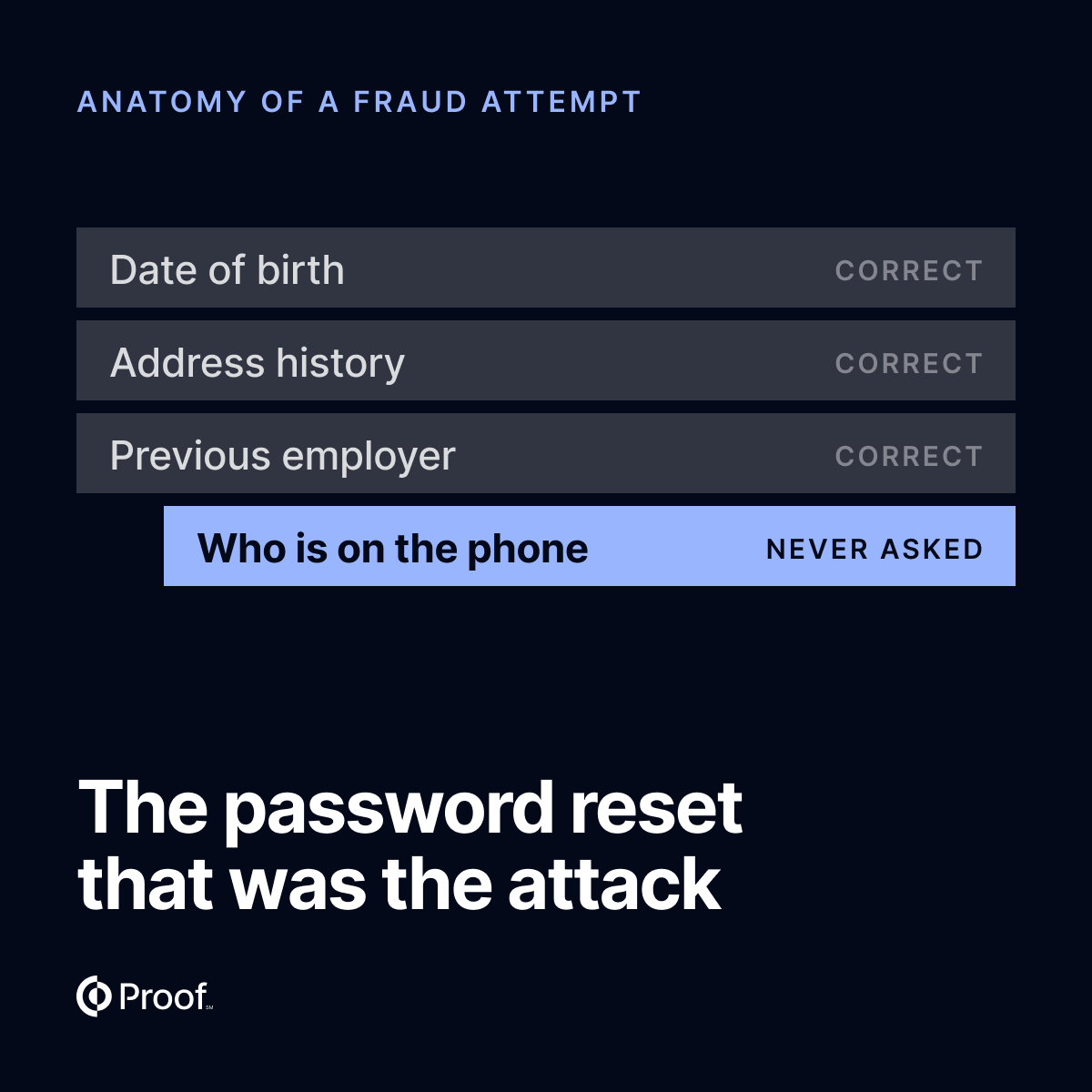
In nearly every case, the same weakness appears during investigations: there is no reliable way to prove who actually approved the action.
Historically, many hospice workflows relied on trust and manual processes. A signed document, a phone conversation, or an emailed form was often considered sufficient proof.
Today, that standard is no longer holding up under regulatory scrutiny.
Why legitimate hospice companies are now at risk
When fraud spreads across an industry, enforcement rarely stops at the bad actors. Instead, regulators raise the bar for everyone.
In Los Angeles, hospice providers are now operating in an environment where audits, payment reviews, and fraud investigations are becoming more common. Even organizations with strong compliance programs may struggle to prove the authenticity of patient authorizations if those records rely on traditional documentation alone.
The challenge is not intent. Most hospice organizations are committed to ethical care and rigorous compliance.
The challenge is evidence.
When investigators review a disputed enrollment or consent form, they want to know:
- Who authorized the decision
- When it happened
- Whether the identity of that person was verified
- And whether the record has been altered since
Many hospice systems simply were not designed to capture that level of…Proof.
What investigators actually want to see
When a hospice enrollment or authorization is questioned, the conversation quickly shifts from process to evidence. Investigators are not asking whether your team believes a document is legitimate. They are asking whether you can prove it.
That proof typically requires a verifiable record that connects:
- the identity of the person approving the action
- the device used during the transaction
- the exact time the authorization occurred
- and a secure record that cannot be modified afterward
Without that level of evidence, disputes can quickly become credibility debates between providers, patients, and regulators. And credibility alone is rarely enough.
How Proof helps hospice providers establish trust
Proof helps organizations replace assumptions with verifiable evidence.
With high-assurance identity verification, hospice providers can confirm the identity of patients, caregivers, or authorized representatives before critical actions occur. That verified identity can then be tied directly to key workflows such as hospice election forms, enrollment approvals, and medical authorizations.
Each action creates a secure, tamper-evident record showing who authorized the decision, when it happened, and exactly what was approved. Identity signals, device information, and timestamps are captured together, creating a clear audit trail that can stand up to scrutiny from regulators, auditors, or investigators.
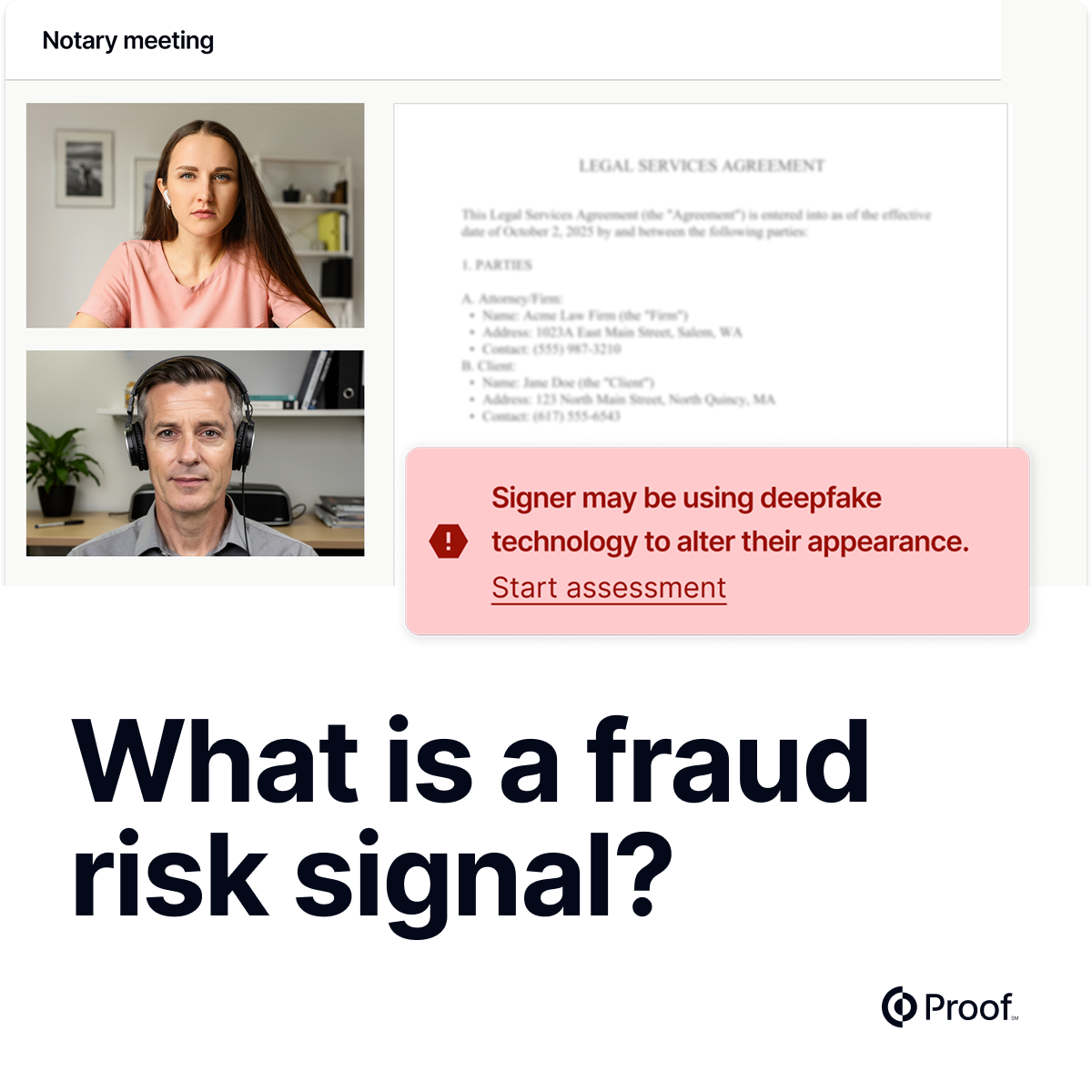
At the same time, fraud signals monitor transactions in real time. If suspicious activity appears such as identity inconsistencies, device anomalies, or behavior that suggests impersonation, teams are alerted immediately and can step in before a fraudulent enrollment or authorization moves forward.
The result is a workflow where identity is verified, authorization is provable, and fraud can be detected before it becomes a compliance issue.
Why this matters now
The hospice fraud crisis in Los Angeles is not hypothetical. Investigations are expanding. Licenses are being revoked. And regulators are increasingly focused on documentation and verification practices.
For legitimate hospice organizations, this creates a new operational requirement: the ability to demonstrate trust, not just claim it. The providers that can produce clear, verifiable authorization records will be in a much stronger position when scrutiny arrives.
Because in today’s environment, the question is no longer whether fraud exists in hospice care. The question is whether you can prove that your organization isn’t part of it.
Request a demo to see how Proof verifies patient authorizations >






























.jpg)



































.jpg)