Real Estate Fraud Hit $275M in 2025. The Fix Isn't Better Agent Training.

Updated July 8, 2026
In June 2026, Inman published the number the real estate industry has been tracking: real estate fraud hit $275 million in losses in 2025, up 58% from the prior year, across 12,368 complaints. The data comes from the FBI’s 2025 IC3 report and a HomeLight survey of 950 agents.
The Inman piece framed this as an agent awareness problem. Agents are encountering AI-generated seller IDs that pass visual inspection, wire fraud instructions embedded in spoofed email threads, and deed and title fraud moving faster than standard verification steps can flag. The question that falls to title companies, lenders, and settlement services providers is whether the identity checks built into their closing workflows actually perform against the current threat.
Key takeaways
- Real estate fraud in 2025 totaled $275 million across 12,368 FBI complaints — a 58% year-over-year increase driven by AI-enabled impersonation and wire fraud.
- AI has collapsed the cost of forgery. A seller identity document that once required significant resources to fake convincingly now takes commodity tools and minutes to produce.
- The three dominant attack vectors — wire fraud at closing, seller impersonation with AI-forged IDs, and deed and title fraud — all strike at the transaction authorization moment, not the perimeter.
- Effective defense requires authorization-moment verification: biometric matching against a government-issued ID, liveness detection, and a tamper-evident audit trail — confirmed in real time at the specific event where fraud risk is present.
What AI has changed about the threat model
Real estate fraud is not a new category. Wire fraud, seller impersonation, and deed fraud have been documented attack vectors for decades. What AI has changed is the cost and speed of executing them. A forged seller identity document that used to require significant resources to produce convincingly now requires commodity tools and a short window of time. The attack surface is unchanged. The cost of exploiting it has dropped substantially.
This matters because the identity checks in most real estate transactions were calibrated for a different environment. The visual inspection of a government-issued ID at closing, or the review of seller credentials before authorizing a wire, were designed when fake documents were expensive and slow to produce. When that assumption no longer holds, the check still happens, but the defense no longer works.
The identity gap at the closing moment
The HomeLight survey identified wire fraud at closing, seller impersonation with AI-forged IDs, and deed and title fraud as the three most prominent attack vectors agents are encountering today. These are not perimeter attacks. They happen at the transaction authorization moment, when a party’s identity is being affirmed and an irreversible action is about to be taken.
That moment is where the identity gap is most consequential. An AI-generated identity document can pass a visual inspection. A spoofed email thread can be indistinguishable from a legitimate one. The existing verification steps were not designed to distinguish a real credential from a high-quality synthetic one, because until recently, synthetic credentials were not an operational threat at scale.
What verification at the authorization moment requires
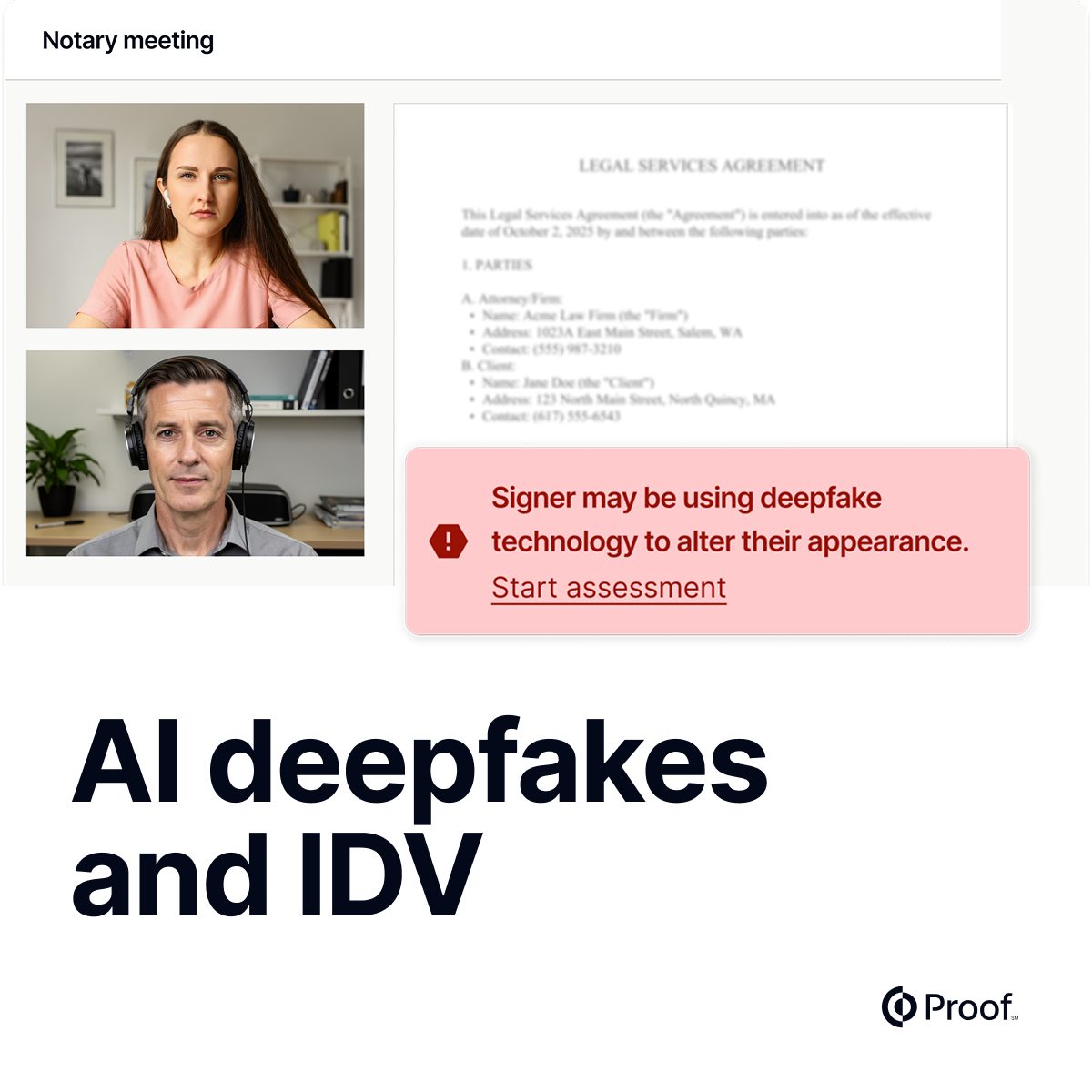
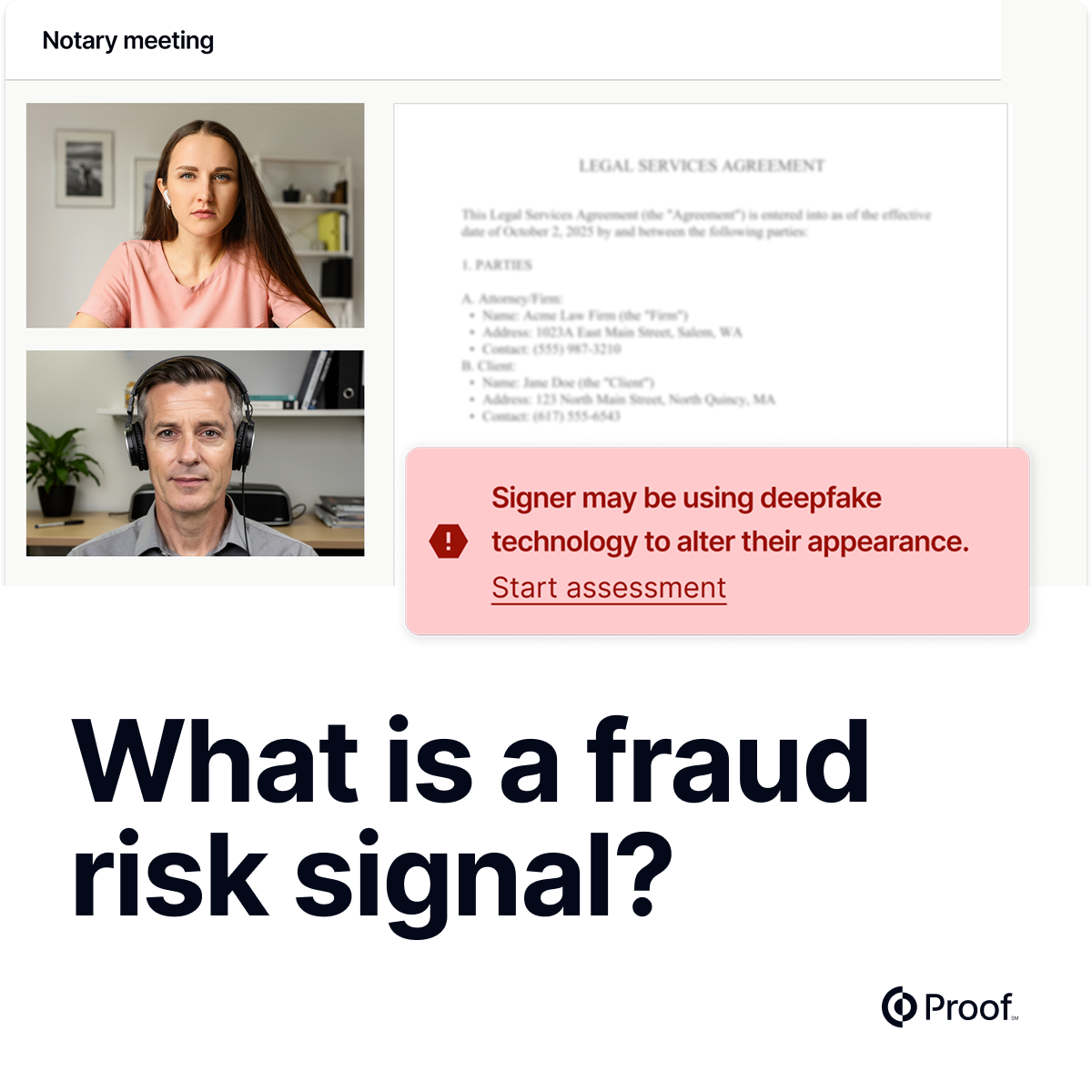
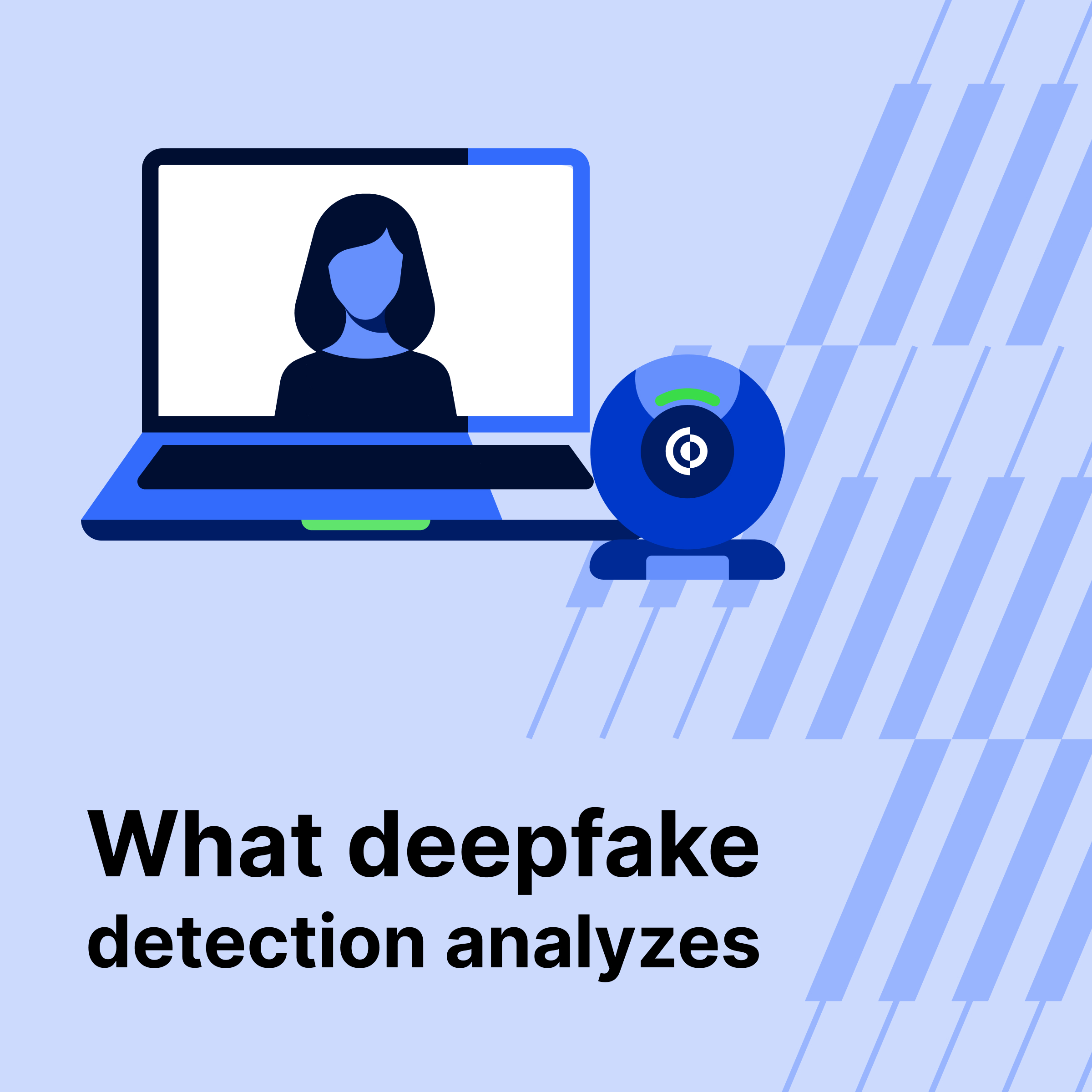
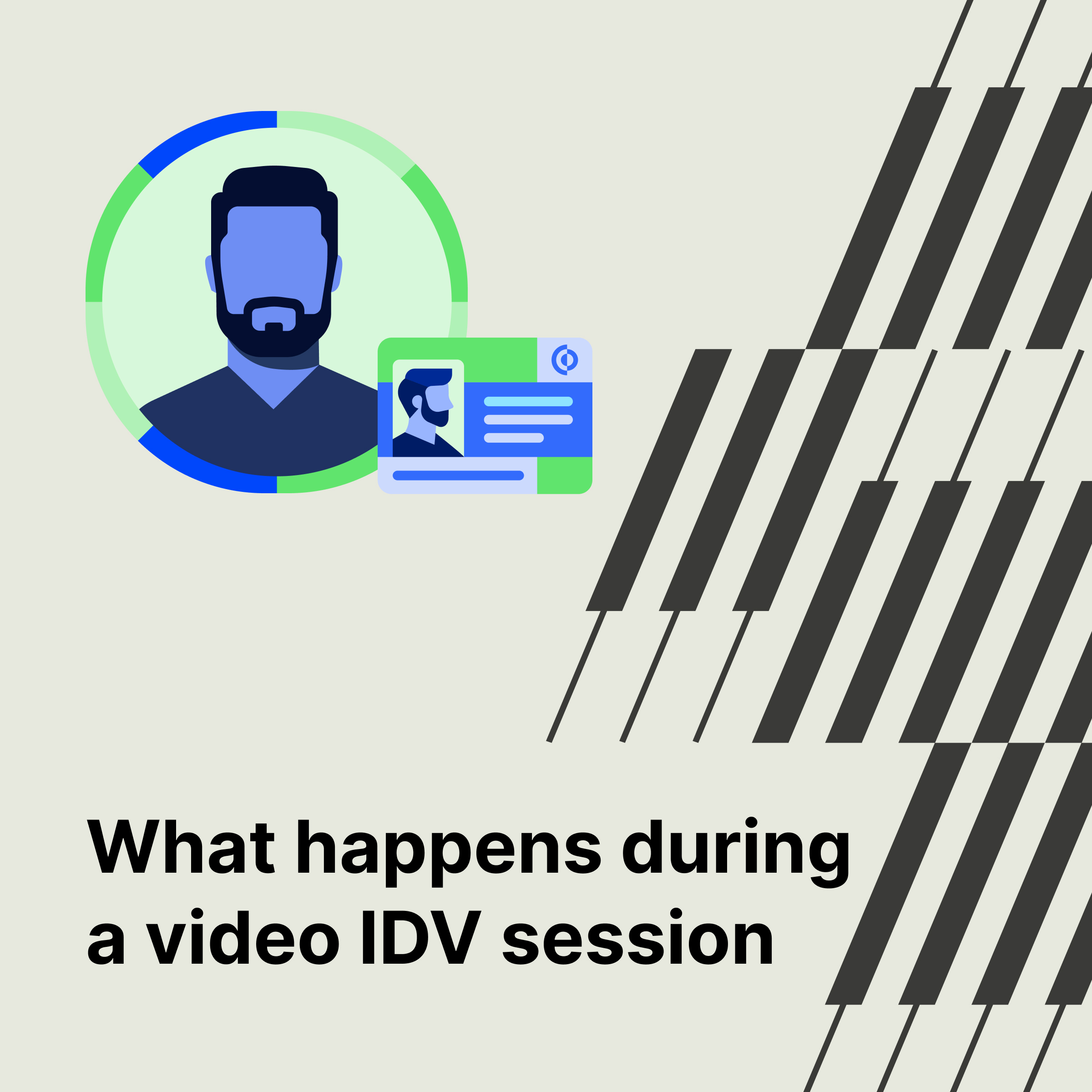
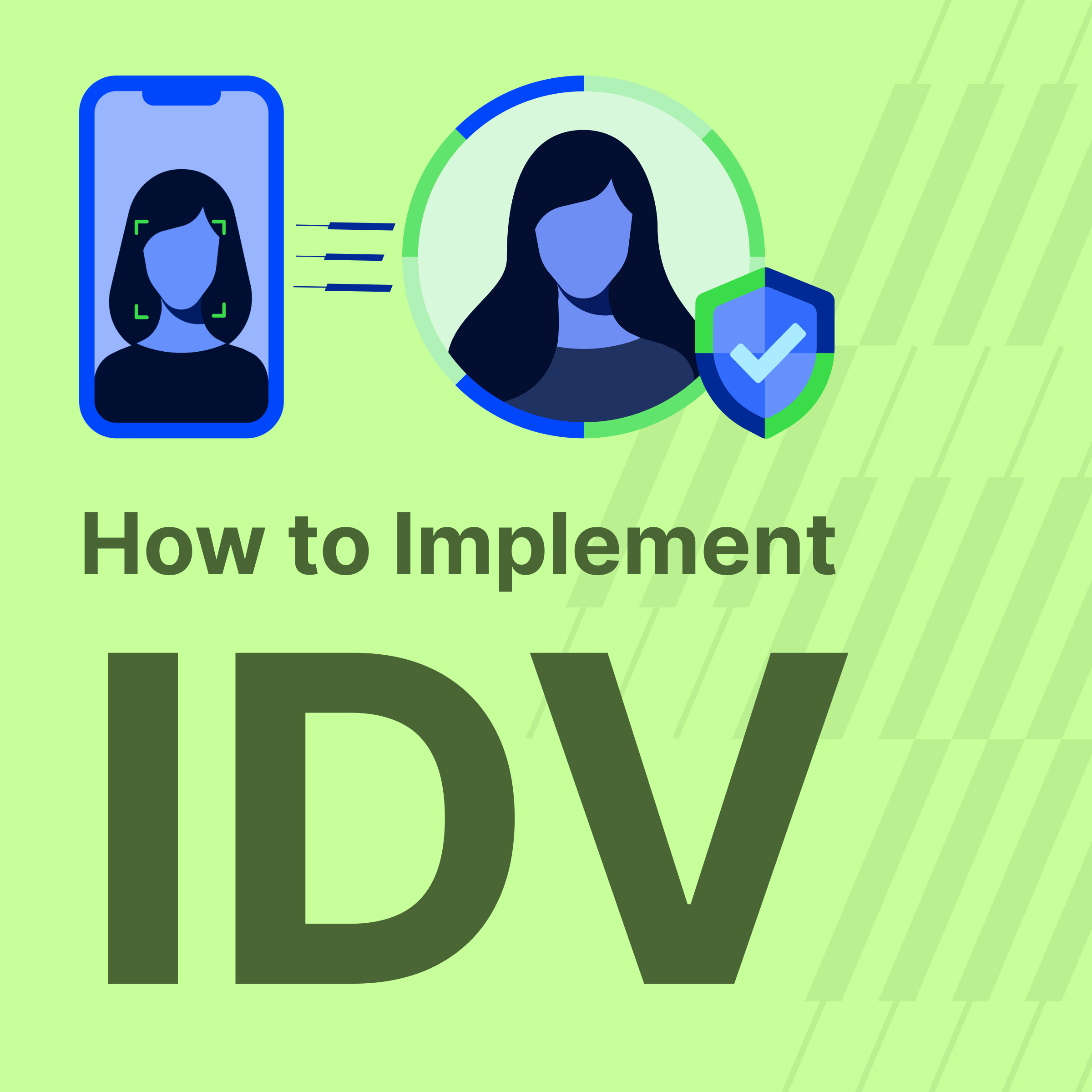
Closing this gap requires identity verification that goes beyond visual document inspection. It requires biometric matching against a government-issued ID, liveness detection that distinguishes a physically present person from a deepfake or a static image, and a tamper-evident audit trail that records who authorized what and when.
It also requires that verification happen at the right moment. A credential established at account creation and trusted thereafter does not address a forged seller ID presented at closing. Authorization-moment verification means the identity of the party signing the deed or approving the wire is confirmed in real time, at the specific transaction event where fraud risk is present.
Proof delivers authorization-moment verification at the closing event. The Proof Engine evaluates 4.5 million compliance rules per transaction to NIST IAL2 standards and generates a court-admissible, tamper-evident record of who signed, when, and under what identity assertion. More than $640 billion in real estate transactions have run through this infrastructure.
What the $275M number means right now
The FBI’s 2025 IC3 data is a trailing indicator. It captures what was lost using tools and techniques that were available last year. The models generating AI-forged identity documents in 2025 were less capable than what is available today, and the cost of running these attacks has continued to fall.
Wire fraud at closing is also irreversible. Once funds move, recovery is rare. Wire fraud carries an asymmetry that most security gaps do not: the attack is cheap, the losses are high, and recovery once funds move is rare.
The closing workflow that was adequate in 2024 is demonstrably less adequate today. The pattern does not reverse on its own.
If you’d like to talk through what authorization-moment verification looks like for your closing infrastructure, you can book time with our team here.















































.jpg)














































.jpg)