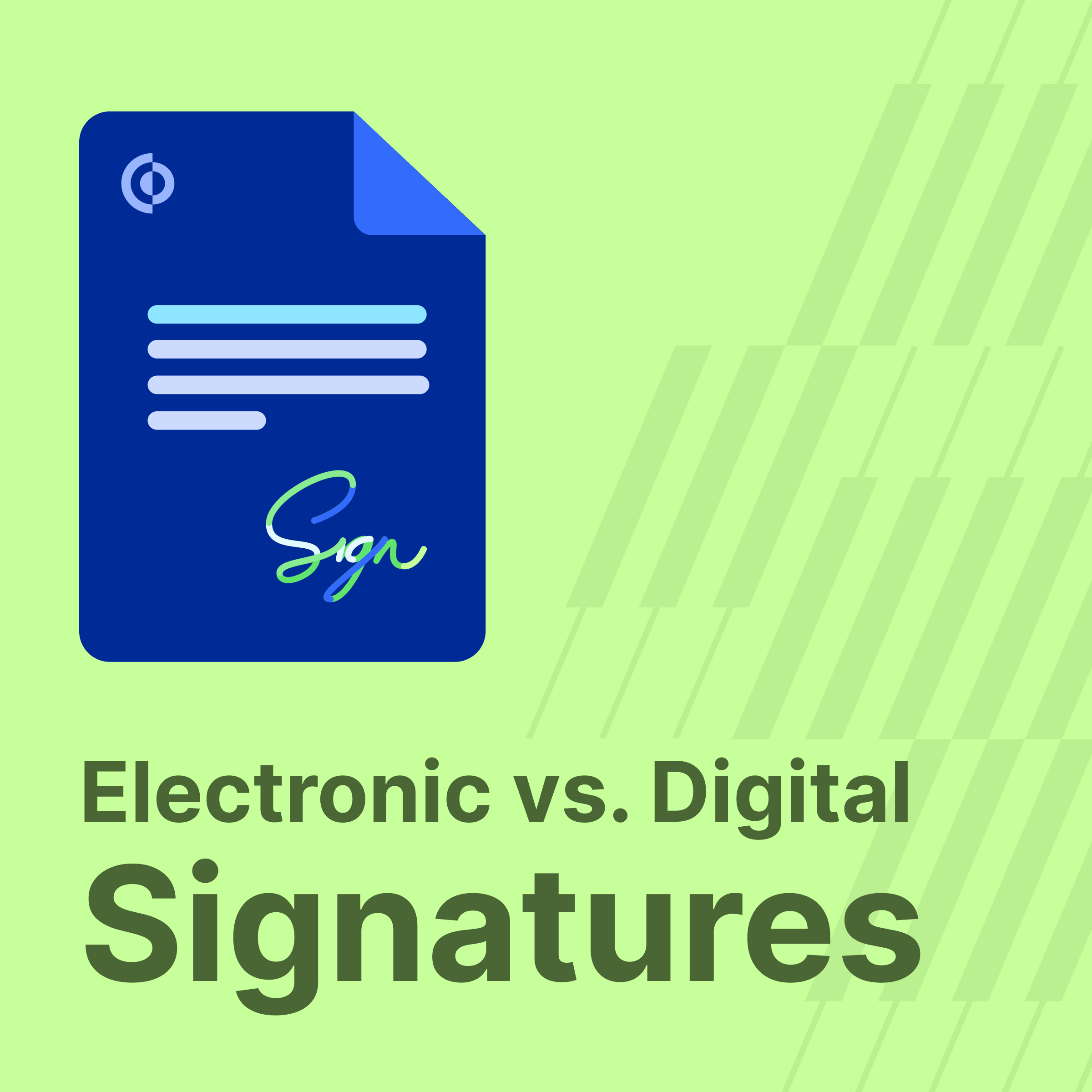
The One E-Signature Feature That Actually Verifies Identity

Picture the moment right before someone signs a $2 million commercial lease, a power of attorney handing a family member control over a parent's finances, or the closing documents on a home. The document is binding, and whatever gets clicked next is about to change something real. Reminder emails and a clean interface matter far less at that moment than one question: does the tool actually confirm who is signing?
Key takeaways
- The feature to check for is identity-verified signing: the platform checks a government-issued ID and matches it to a live biometric of the signer at the moment they sign, not just once at account setup.
- Email links, SMS codes, and knowledge-based questions confirm access to an inbox, a phone, or a set of facts, not identity, and NIST has stopped recommending knowledge-based verification for identity proofing at all.
- Before signing a contract for e-signature software used on anything involving money, property, or legal authority, ask one question: does it verify a government ID and match a live biometric before the signer touches the document?
Why identity matters in eSign
Most e-signature tools authenticate access, not identity. They confirm someone clicked a link sent to an email address, typed a code texted to a phone, or answered a knowledge-based question pulled from a credit file, none of which proves who is actually on the other end. NIST has moved away from knowledge-based verification entirely because the underlying data, old addresses, past loan amounts, turns up in enough breaches that a motivated fraudster can reconstruct it.
The fraud numbers above trace back to that same gap: impersonation and forged IDs, not stolen passwords, are driving losses on signed documents now.
What identity-verified signing actually looks like
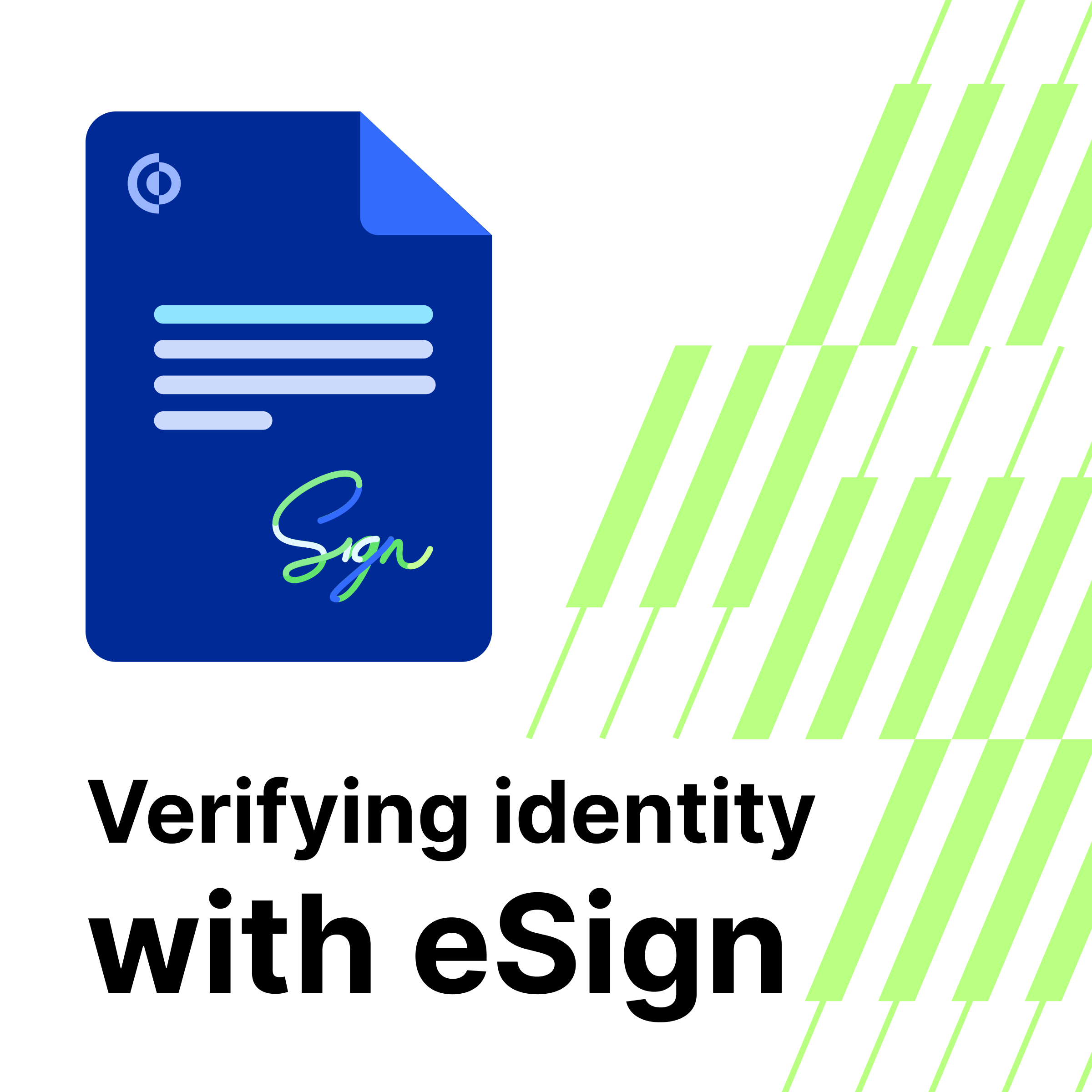
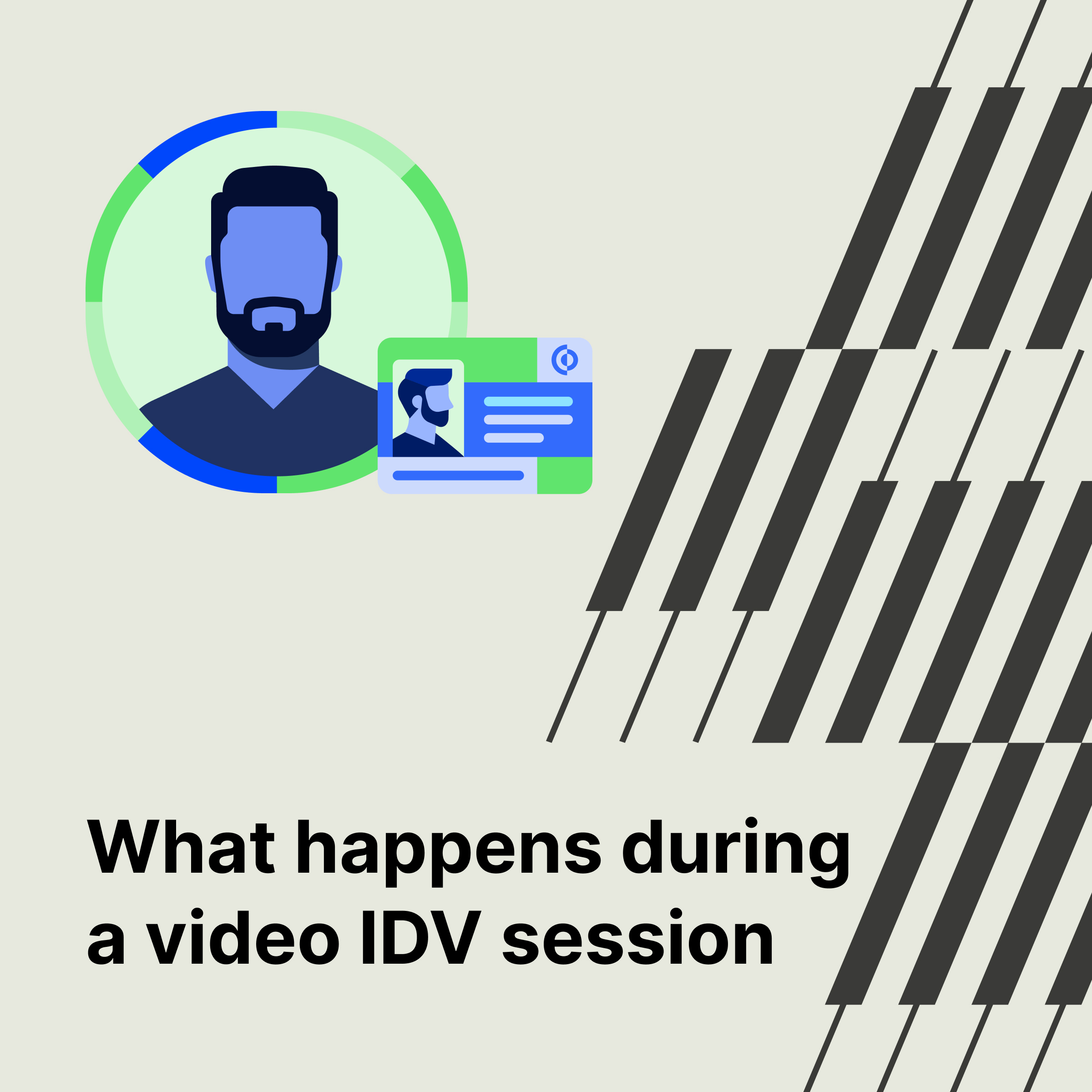
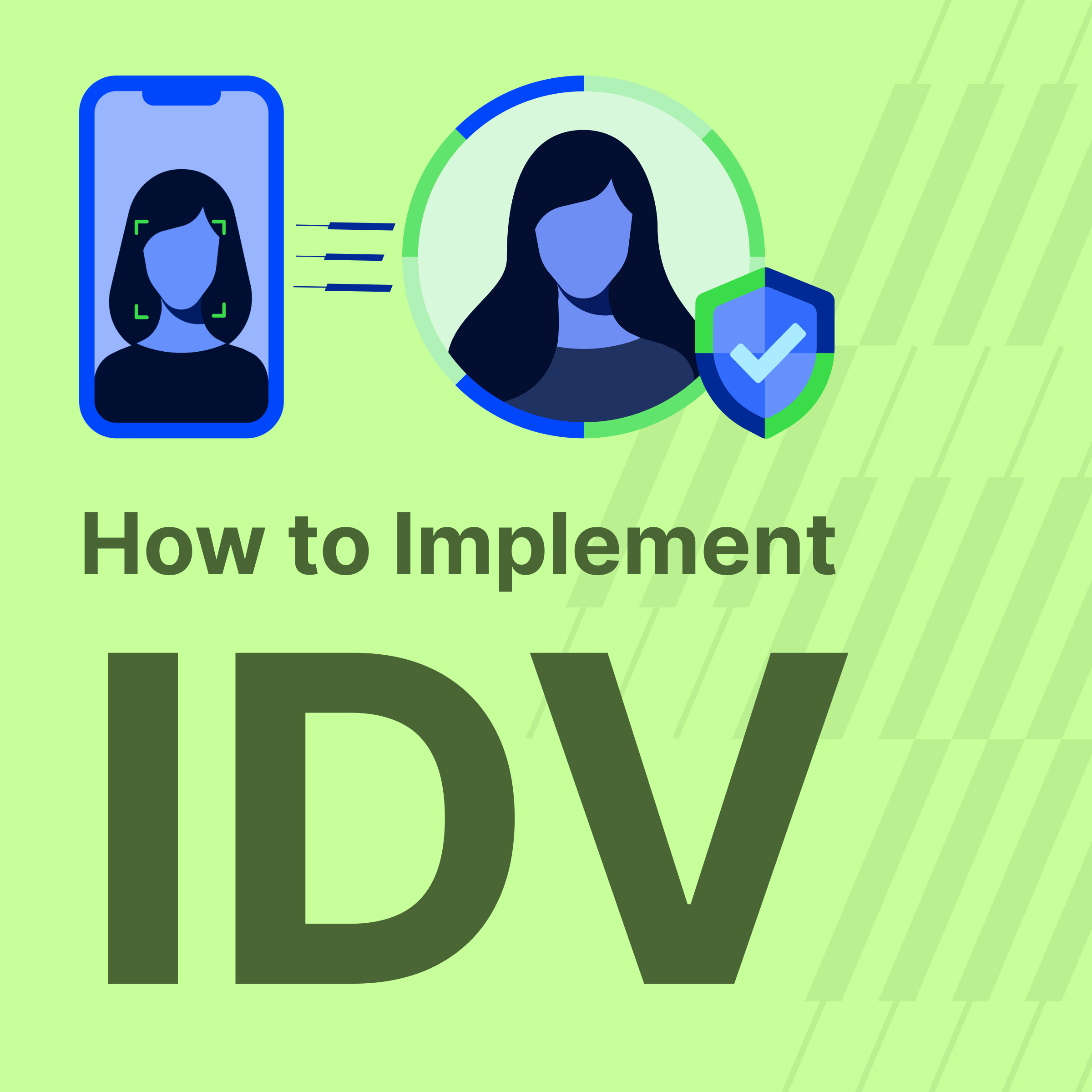
A platform built around identity-verified signing checks a government-issued photo ID against issuer records, then runs a live biometric match, a selfie compared against the ID photo, to confirm the signer is the person the ID belongs to. That verification happens at the moment of signing rather than once at account setup, and it's attached to the document's audit trail so the proof travels with the record.
Under both the ESIGN Act and state adoptions of the Uniform Electronic Transactions Act, a signature has to be attributable to the actual signer to hold up, and identity verification is what makes that attribution defensible instead of assumed. It's the layer Proof builds directly into the signing moment, not an optional add-on.
The bottom line
If a vendor's answer is email link, SMS code, or "we ask security questions," keep looking, at least for anything with money, property, or legal authority attached. Everything else on the comparison sheet, pricing, integrations, interface polish, matters less.
If a signature on your documents ever needs to hold up to a challenge, from a title company, a court, or a family disputing a power of attorney, see how Proof ties every signature to a verified government ID and biometric match before the document is considered complete.




















.jpg)
































.jpg)