Your Interviewers Can't Catch Deepfakes. That's Not Their Fault.


Updated July 9, 2026
If you ask most hiring managers whether they could spot a fake candidate in an interview, a significant number will say yes. They will point to their experience, their instincts, their ability to read a candidate's comfort with their own claimed background.
That confidence is understandable and, according to the data, largely misplaced.
A 2025 Checkr survey of 3,000 American managers found that 62% of hiring professionals believe job seekers are now better at faking their identities with the help of AI than HR teams are at detecting those deceptions. What the data describes is a structural mismatch between the tools available to fraudsters and the tools available to the people trying to catch them, and closing that gap requires more than better interviewer training.
Key takeaways
- Interviewers were never designed to be fraud analysts — deepfakes, AI-generated answers, and synthetic identities require algorithmic detection, not sharper instincts.
- When dedicated deepfake detection technology was deployed across one hiring platform, it found fraudulent activity in 25–30% of flagged sessions — nearly double the rate human interviewers had previously identified.
- Interview-stage detection is structurally too late. By the time a fraudulent candidate reaches a live interview, your organization has already invested recruiter time, hiring manager hours, and organizational trust.
- Effective candidate fraud detection is a thread, not a moment — it runs from application through Day One, with each stage building on the identity record established before it.
- The I-9 remote examination process is one of the most reliable fraud detection moments in the entire hiring funnel, yet most organizations treat it as a compliance checkbox.
- Stopping fraud upstream — before the interview clock starts — protects your recruiters, your security posture, and your organization from the full cost of a fraudulent hire.
Why human detection was never the right last line
The instinct to rely on interviewers to catch fraud makes sense as long as you assume fraud looks like a person who is nervous, evasive, or inconsistent.
That was a reasonable assumption when fraud required a human being to maintain a lie in real time, under pressure, without preparation. It is a much weaker assumption when the person on the other side of the camera has:
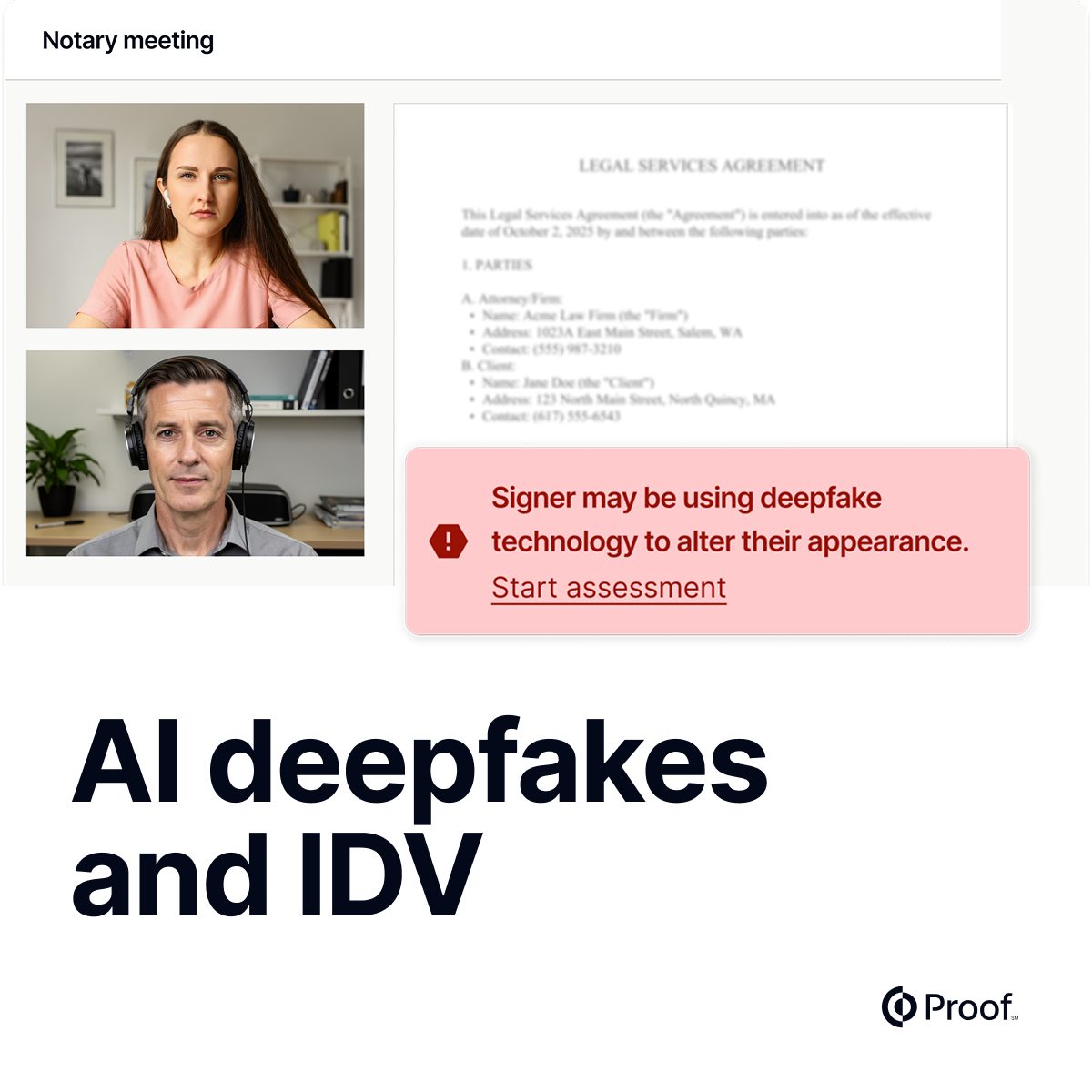
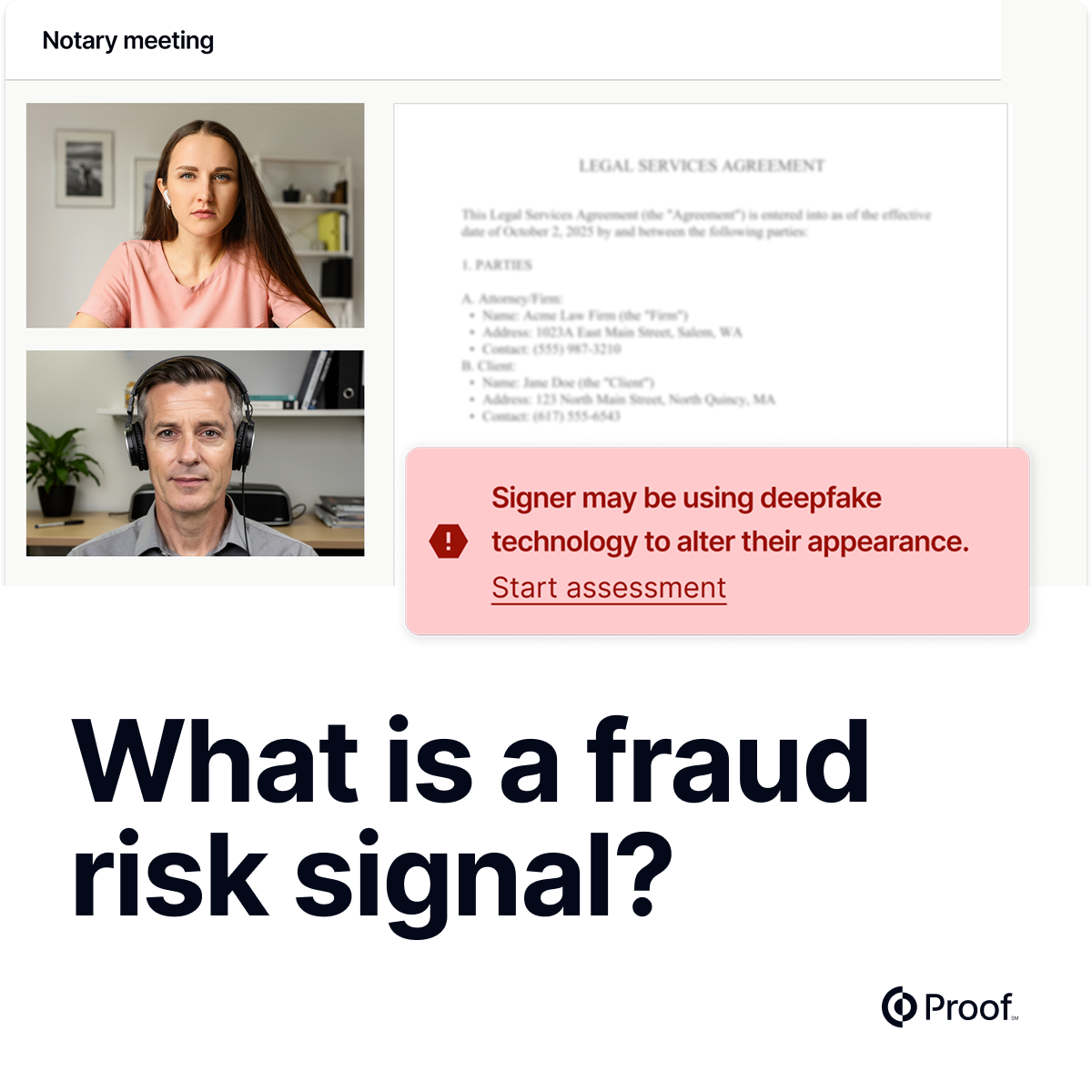
- A deepfake video layer running over their real face
- An AI system providing real-time answer prompts through an earpiece
- A fabricated identity assembled from stolen data that will match anything a background check queries against
In that scenario, the interviewer is doing their job well, in a context that was simply never designed for the threat they are now facing. Human interviewers are trained to evaluate qualifications, communication style, and professional judgment. Forensic video analysis was never part of the job description, and it should not be added to it.
What detection tools are actually showing
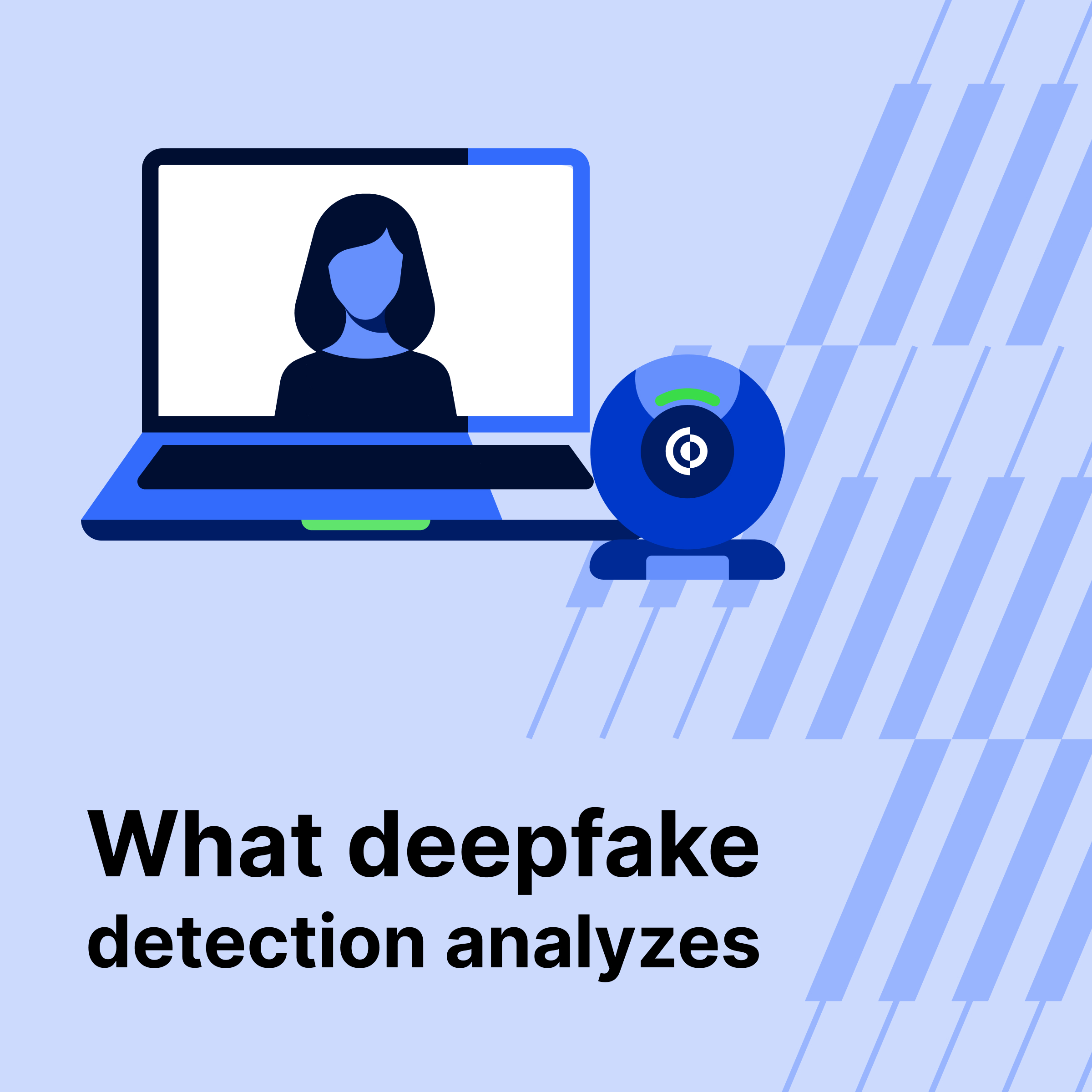
When InCruiter deployed dedicated deepfake detection technology across its platform in early 2026, it found fraudulent activity in 25 to 30 percent of flagged sessions, a rate nearly double what experienced human interviewers had previously identified from the same candidate pool.
That gap represents fraud that was present, that made it through human review, and that only surfaced when an algorithmic layer specifically designed to detect it was added to the process.
What the data actually shows is that interview-stage detection, whether human or algorithmic, is structurally too late for most of the fraud that matters. By the time a candidate reaches a live interview, they have already:
- Cleared resume screening
- Passed a phone or video screen
- Had time invested on both sides of the process
The recruiter has spent hours on this person. The hiring manager has carved out calendar time. If detection happens at the interview stage, the cost of the fraud to the organization has already been partially realized, even when the fraud is caught.
For fraud that is not caught at the interview stage, the candidate continues on to offer, onboarding, Day One system access, and whatever access they were hired to have. The KnowBe4 case is now widely cited precisely because it made this sequence visible: a fraudster with a stolen identity cleared all interview rounds at a security company, and both the interview process and the background check missed it entirely. The fraud was detected only after it had already cost the company real damage.
The case for moving detection upstream
Interviewers and interview-stage tools are working with a small window of signal, assessed in real time, under the normal pressures of an interview setting.
At the application stage
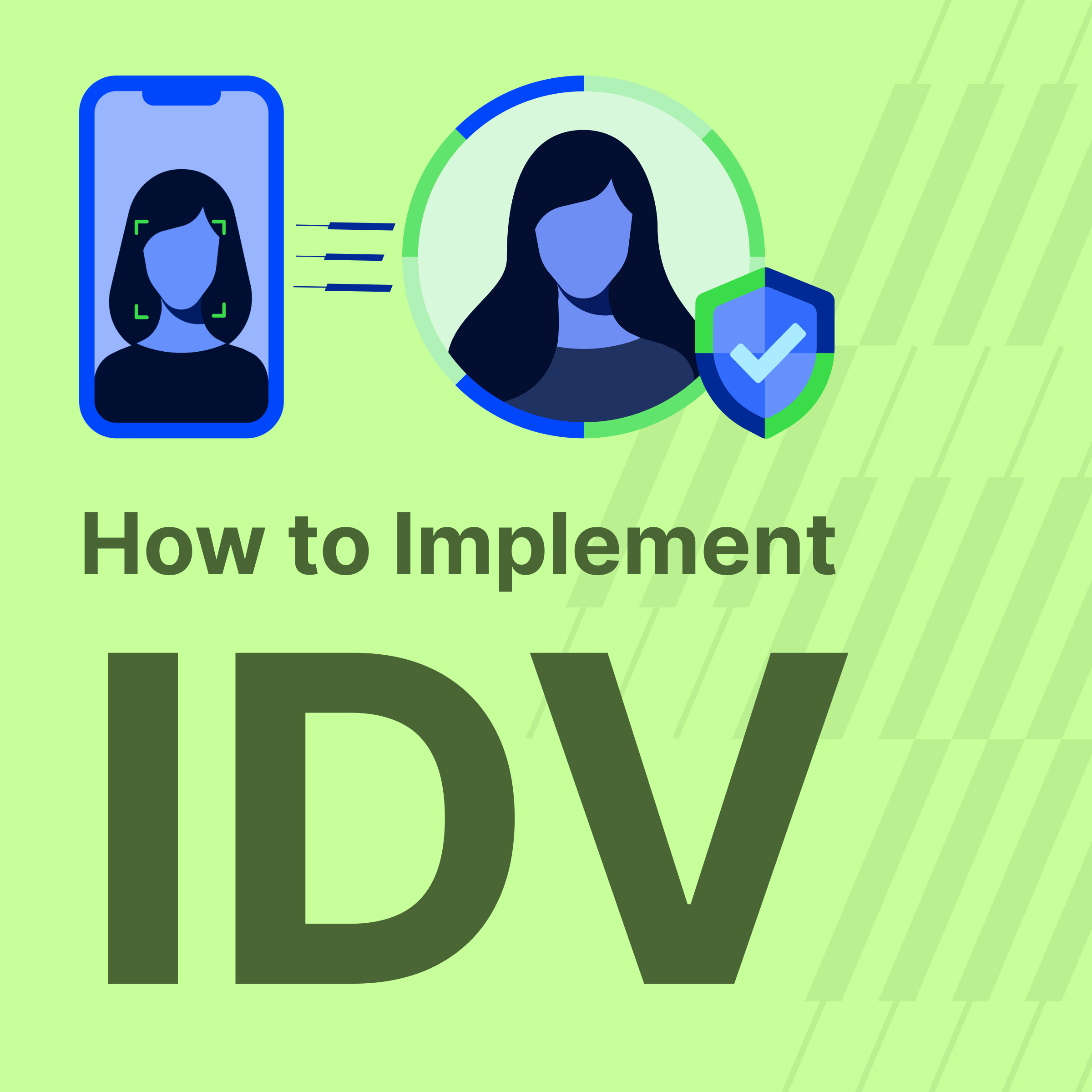
Passive screening at the application stage works with a much richer signal set. The email address, phone number, name, and address a candidate submits can be evaluated against fraud pattern databases before a single recruiter minute is spent. Government ID verification and liveness checks, triggered when a candidate reaches the shortlist, confirm that a real human being is applying who matches the claimed identity before anyone has invested interview hours in them.
At the interview stage
By the time an interview happens, a candidate whose identity has been continuously verified across multiple stages is a fundamentally different kind of candidate than one who has only passed a resume screen. The interviewer arrives knowing the person on camera has already been verified, and can focus entirely on what they were hired to evaluate: fit, capability, and judgment.
At the offer stage
Verification should not stop when the interview ends. Before an offer is signed, a trained identity agent can join the session with full context: every prior verification, every risk signal, the complete identity record built from the first application. Real-time deepfake detection runs in the background. If the face does not match the identity on file, a human catches it before the offer goes out.
Day One and beyond
Day One is the final gate. The I-9 remote examination process is widely treated as a compliance checkbox, but it is actually one of the most reliable fraud detection moments in the entire funnel. A fraudulent hire cannot match the identity they rode in on during a live document review conducted by a trained examiner. The I-9 closes the identity record that started at application and surfaces what algorithms miss entirely.
TL;DR: verification is a thread, not a moment. Every stage builds on the one before it, and if that thread breaks anywhere, the framework catches it before it becomes an incident.
Give your recruiters the support they need to catch fraud
The 62% of hiring professionals who say candidates are better at faking than recruiters are at detecting have identified the problem accurately. The answer is to stop asking interviewers to be fraud analysts and build the infrastructure that lets them do what they were actually hired to do.
If your interviewers are your last line of defense, that is worth changing. See how Proof moves fraud detection upstream, before the interview clock starts >
























.jpg)
































.jpg)