What Identity Verification Actually Looks Like for Your Real Candidates

Updated September 16, 2026
Every conversation about candidate fraud eventually runs into the same concern: we can't add friction for candidates. The hiring market is competitive. Candidates drop off. A bad experience reflects on the employer brand, and the last thing a talent team needs is another step in the funnel that loses real people before they ever get to an interview.
Key takeaways
- Identity verification for candidates starts passively. Proof runs over 100 risk signals against submitted contact data at the application stage, with no additional step required from the candidate.
- A government ID check and liveness detection can be triggered at any configured stage of the hiring funnel, and most candidates complete the process in a few minutes on their phone.
- Liveness detection confirms a real person is present, defeating static images and screen recordings. For high-stakes roles, a live supervised session adds a trained examiner to a brief video call.
- Real candidates compete against fraudulent applicants carrying AI-generated resumes and fabricated employment histories. Verifying identity at the top of the funnel removes those fraudulent candidates from the pool entirely.
- A verified identity record carries through the full hiring lifecycle. Candidates verified at application do not repeat the process at the interview stage, the offer, or Day One onboarding.
How identity verification works from the candidate's side
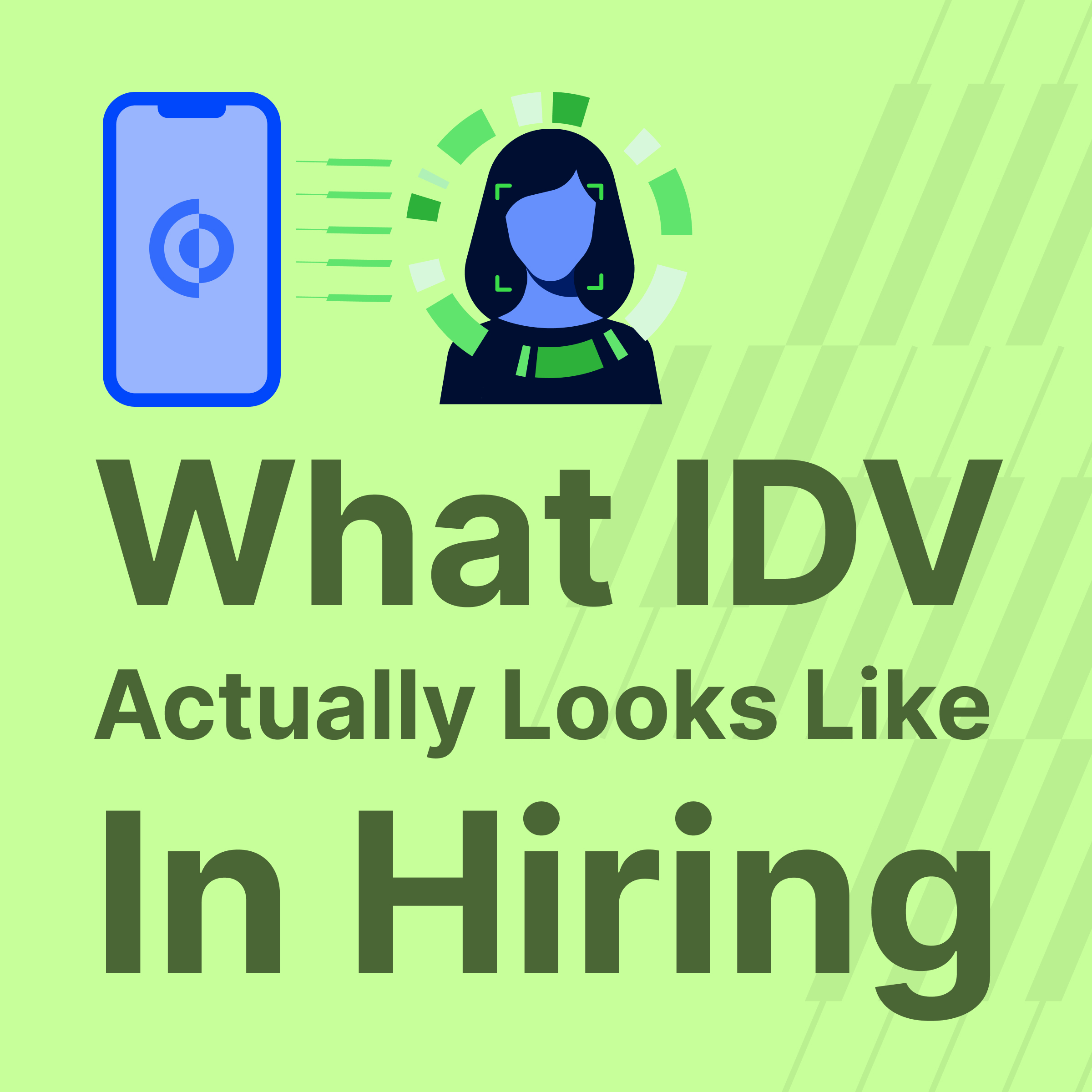
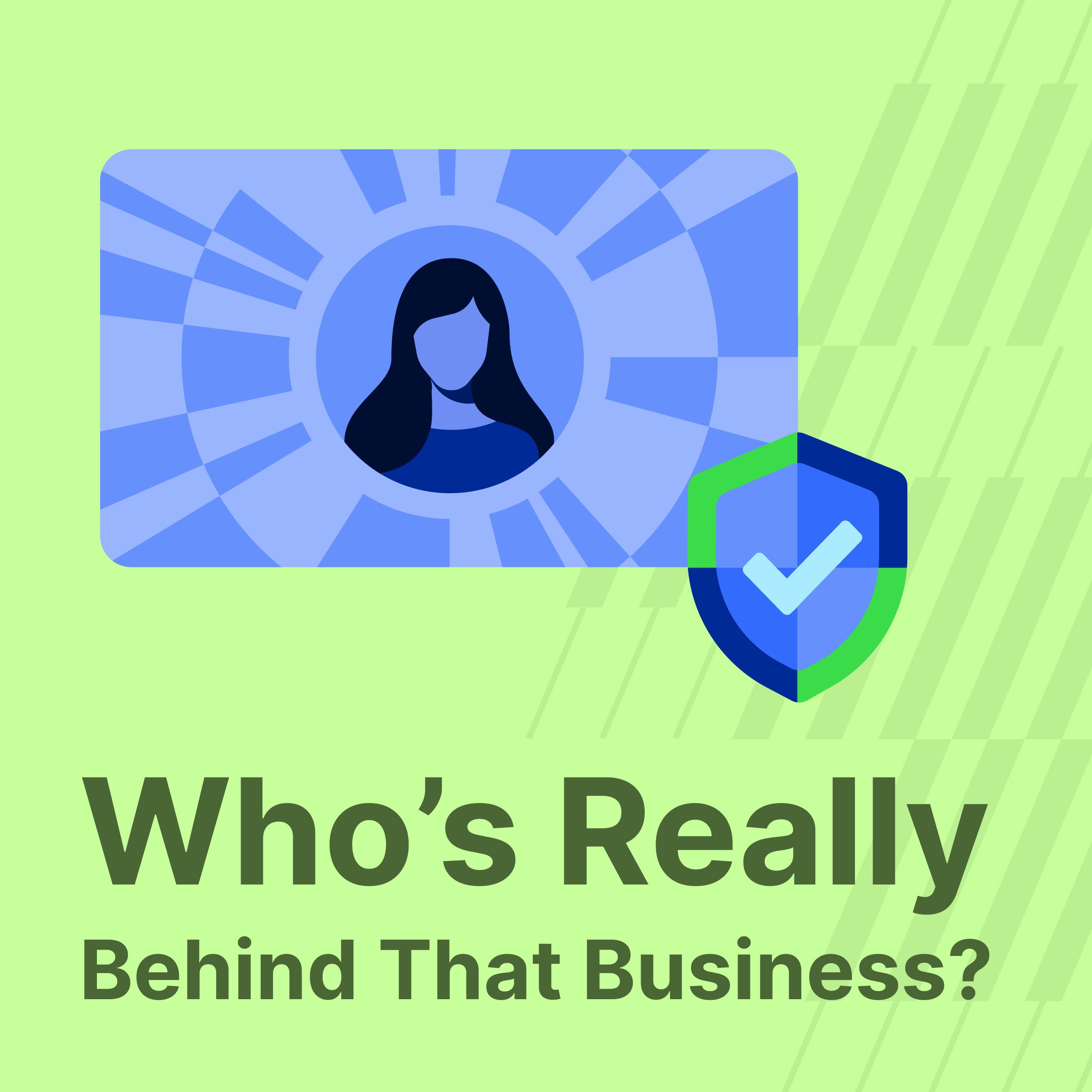
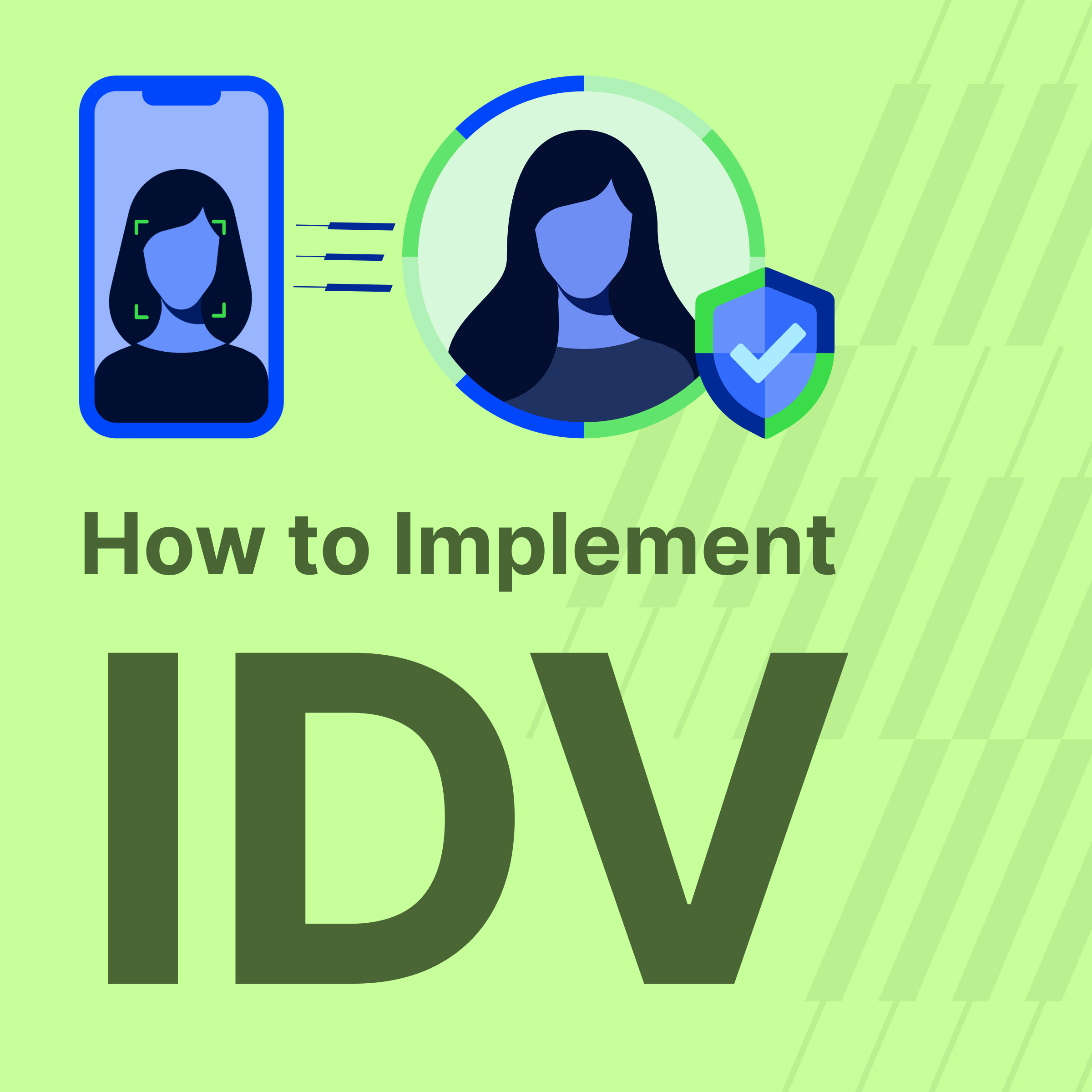
For most candidates, the first identity check they encounter happens before they know it occurred. When someone applies for a role, Proof runs passive signals in the background: over a hundred risk indicators tied to the email address, phone number, and other submitted contact details. There's no additional step, no link to click, no form to fill out. The candidate submits their application the same way they always have, and Proof returns a risk signal to the recruiter in the ATS. Real candidates with real contact information pass this without any awareness it happened.
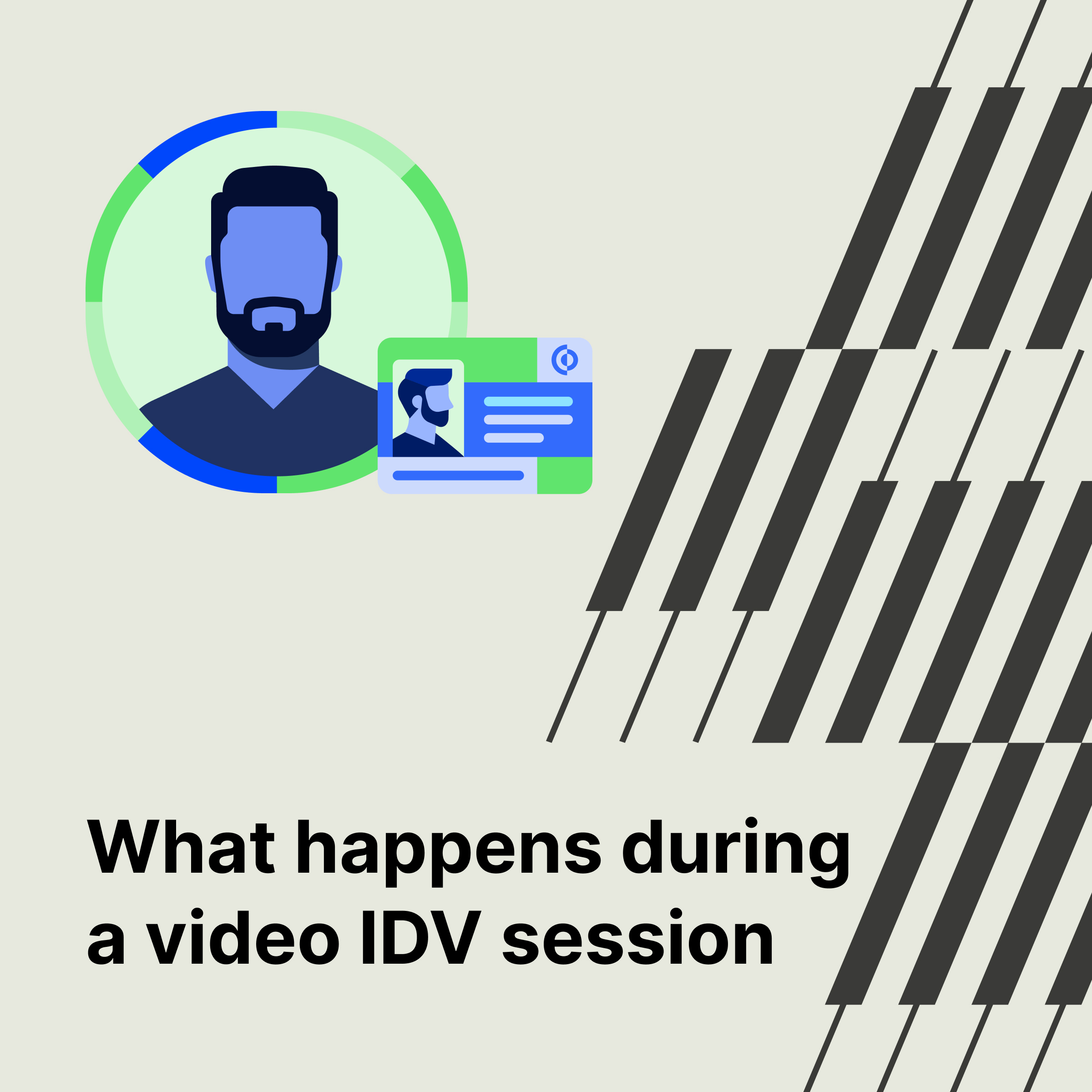
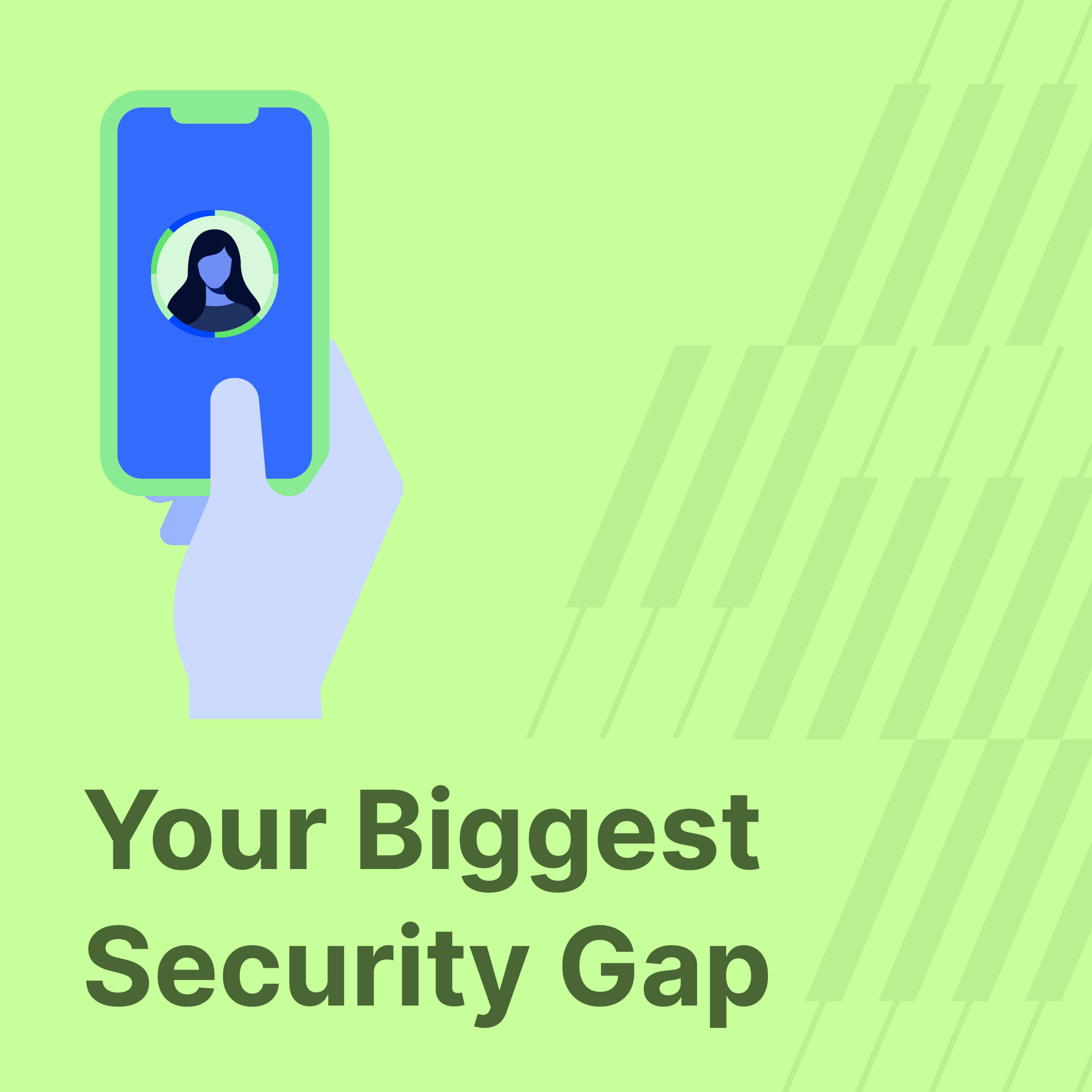
For candidates who move into active consideration, a government ID and liveness check can be triggered at whatever stage the team configures, whether that's the shortlist, the interview stage, or pre-offer. What that looks like from the candidate's side:
- Receive a link and open it on their phone or computer
- Confirm some basic information
- Photograph the front and back of a government-issued ID
- Take a quick selfie.
Nothing to download, no account to create. For most people, it takes a few minutes.
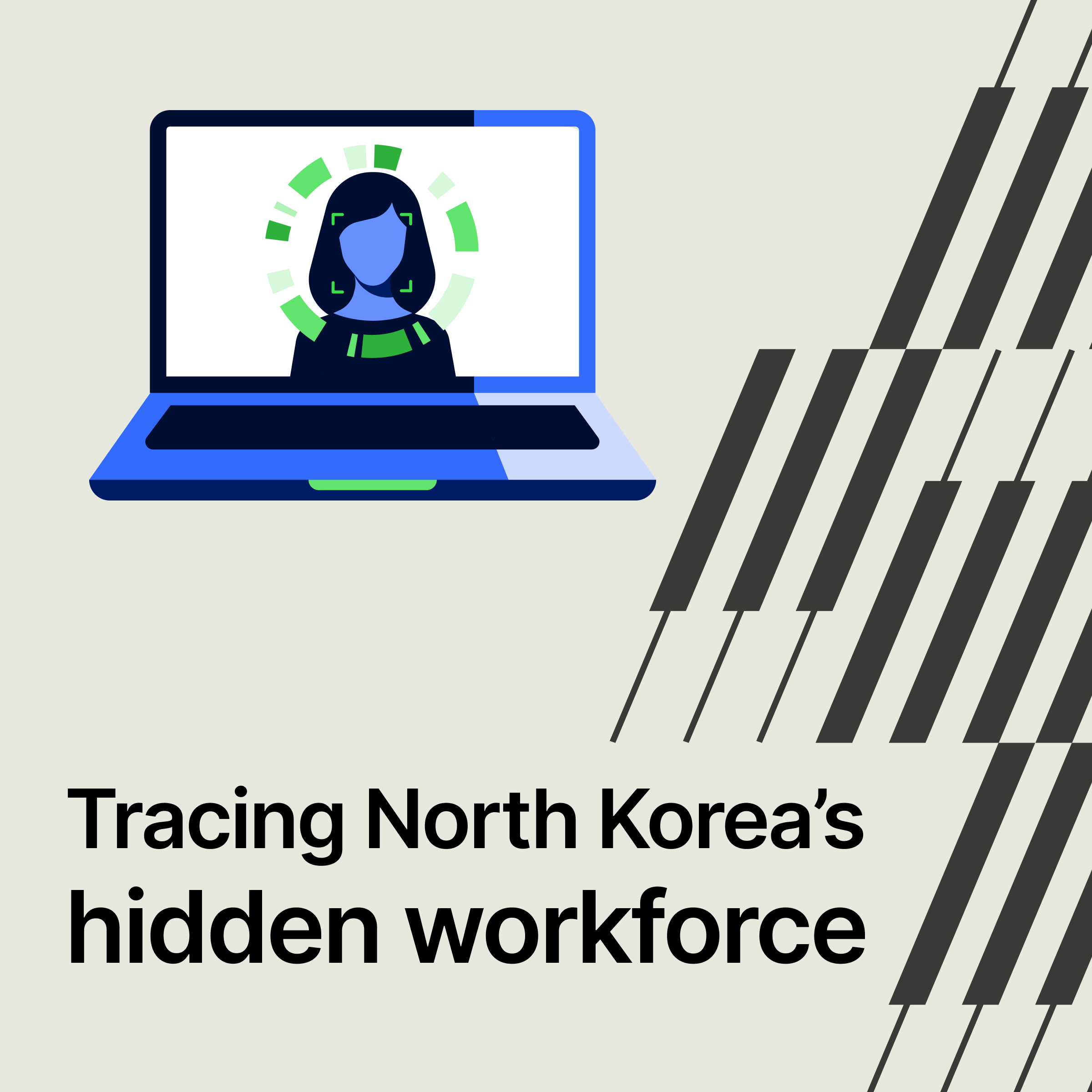
The liveness check is the part that sounds more invasive than it is. It's a single photo that confirms a real person is in front of the camera, not a static image or a screen recording. Candidates who have gone through mobile banking verification or airport e-gates have already done something functionally similar.
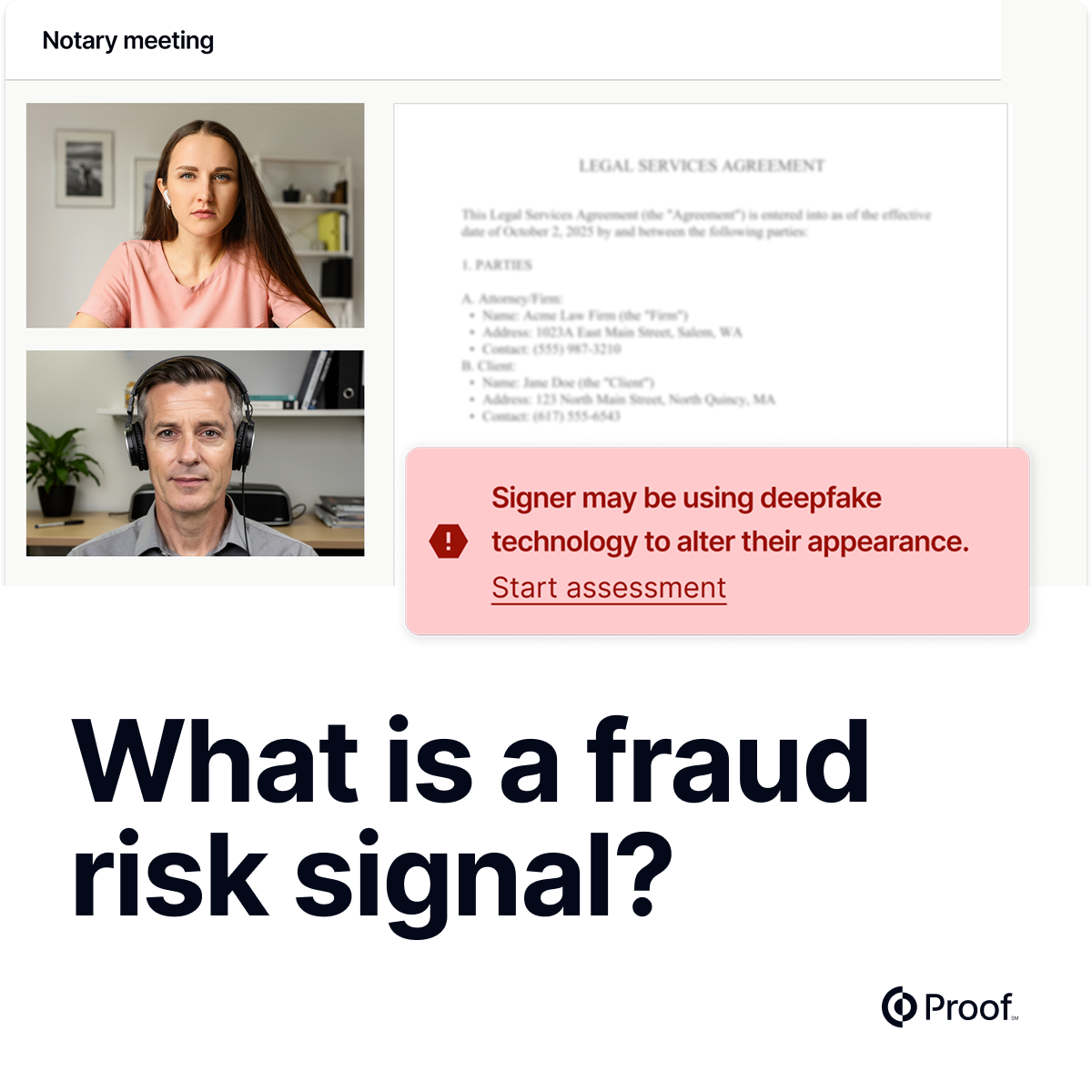
For high-stakes roles where identity certainty matters most, a live supervised session adds a trained examiner to a brief video meeting. This is the step that catches sophisticated fraud that nothing else can, and it's also the step most candidates complete without incident because they are who they say they are.
How identity verification levels the playing field for real candidates
The objection to identity verification usually focuses on what it costs the candidate. The question worth asking is what the current situation costs them.
Right now, real candidates compete in applicant pools that include synthetic identities and coordinated impersonation schemes. Those fraudulent candidates often look better on paper than a human could, with AI-generated resumes optimized against job descriptions and fabricated employment histories that pass a background check. Real candidates are losing interviews, losing time, and occasionally losing offers to people who don't exist.
Running verification at the top of the funnel changes the competitive landscape. A candidate whose identity is confirmed at application is competing against a pool that contains only other verified humans. The floor under the whole process rises, and the people it rises for first are the ones who were never the problem.
Identity confirmed early in the funnel also doesn't reset as the candidate advances. Once a candidate has verified with Proof, that record carries through to the interview stage, the offer, and into Day One onboarding. They don't verify again at each step. The organization already has the record, and the candidate has already cleared it. That continuity actually reduces friction across the funnel compared to organizations that run disconnected checks at multiple stages.
Why consistent verification protects candidates and companies alike
The verification process is designed for the 99.9%, because the 99.9% are the ones who move through it. A fraudulent candidate relying on a stolen identity or a deepfake is the one for whom each layer creates an obstacle. A real candidate completing a two-minute ID check on their phone on a Tuesday afternoon is done before the recruiter has moved to the next application.
The broader purpose of a uniform verification process is also worth naming: it means every candidate gets the same check, applied the same way, regardless of who a recruiter thinks might be suspicious. That's better for candidates and better for compliance. A documented, consistent process is a record of fairness, not just a record of risk.
For organizations that have avoided identity verification because they worried about the candidate experience, the more useful question is which candidates they're worried about protecting. The answer is real people, trying to get real jobs, who deserve to compete on a level playing field. A well-designed verification process is one of the most direct ways to give them that.
See how Proof builds verification that works for everyone in the funnel >

























.jpg)
































.jpg)