The VINsanity Indictment and the Urgent Need for Banks to Adopt Real Identity Verification


Updated July 10, 2026
Let’s talk about a hypothetical for a moment.
A bank approves a $50,000 loan for a new SUV. The paperwork is signed and the funds are wired.
And then weeks later, the bank discovers that the vehicle exists only on paper. The dealership was a shell company, and the person who signed the loan never actually participated in the transaction.
Sadly, this is not remotely a hypothetical.
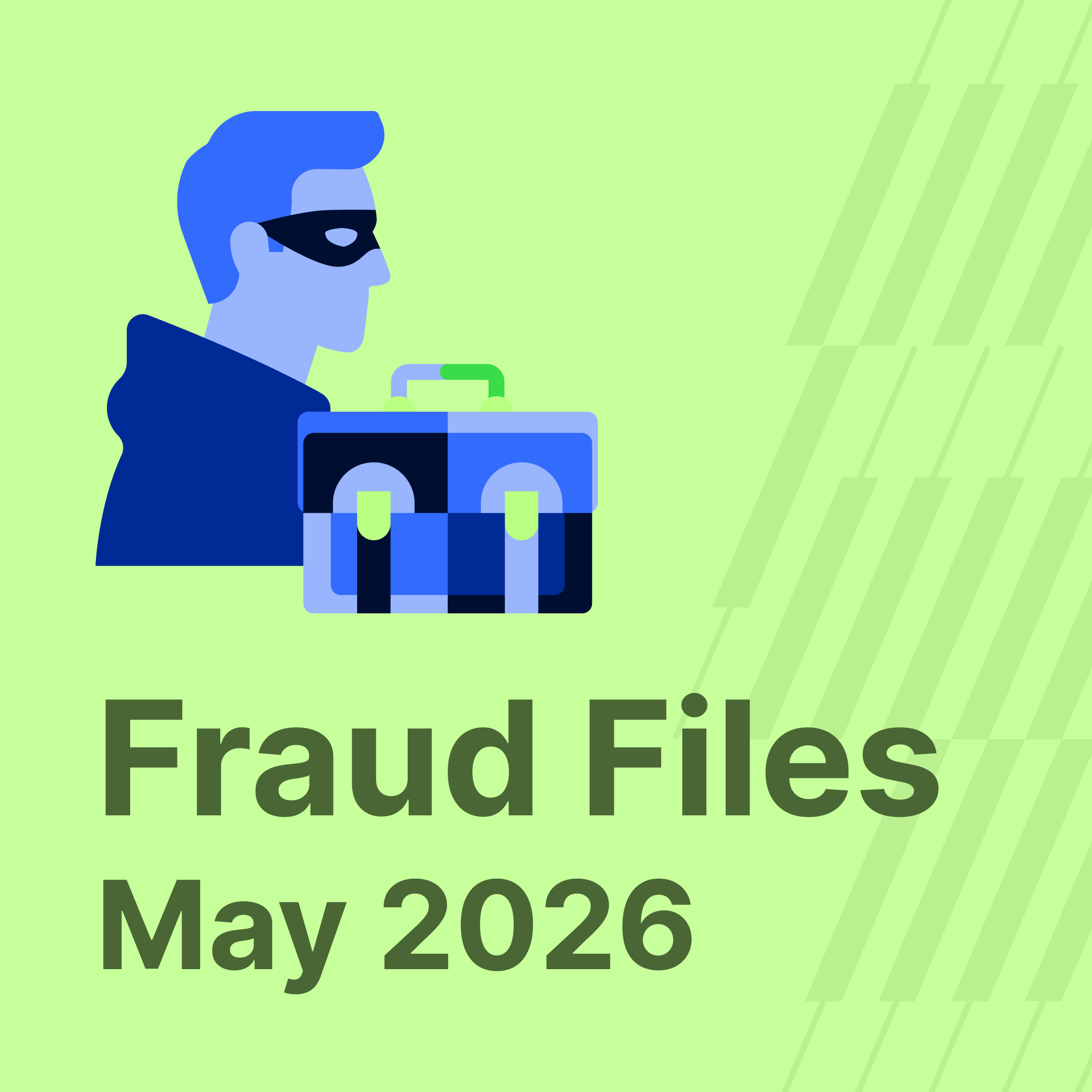
This is the reality of the VINsanity investigation in South Carolina. A single individual has been indicted on 125 counts for orchestrating a $1.4 million fraud scheme. He used small dealerships as fronts to secure loans for vehicles that were never in his possession.
When a fraudster can conjure assets out of thin air and walk away with a bank's money, status quo safeguards are worthless.
Key takeaways
- Traditional digital signatures are often just pixels on a screen — they provide no evidence of who was behind the keyboard or whether that person is real, making them exploitable by fraudsters using stolen identities.
- The VINsanity indictment illustrates a specific, repeatable fraud pattern: fraudsters exploit weak online application checkpoints to secure loans for assets that don't exist, using shell companies and stolen or fabricated identities.
- Real identity verification for banks requires layered controls — government ID capture, real-time DMV database checks, biometric selfie comparison, and AI-powered liveness detection — not just a checkbox at the point of application.
- Banks that fail to upgrade their identity verification infrastructure don't just absorb fraud losses — they absorb regulatory exposure, reputational damage, and the cost of every honest borrower who pays more because of fraud they enabled.
The vulnerability in the online application
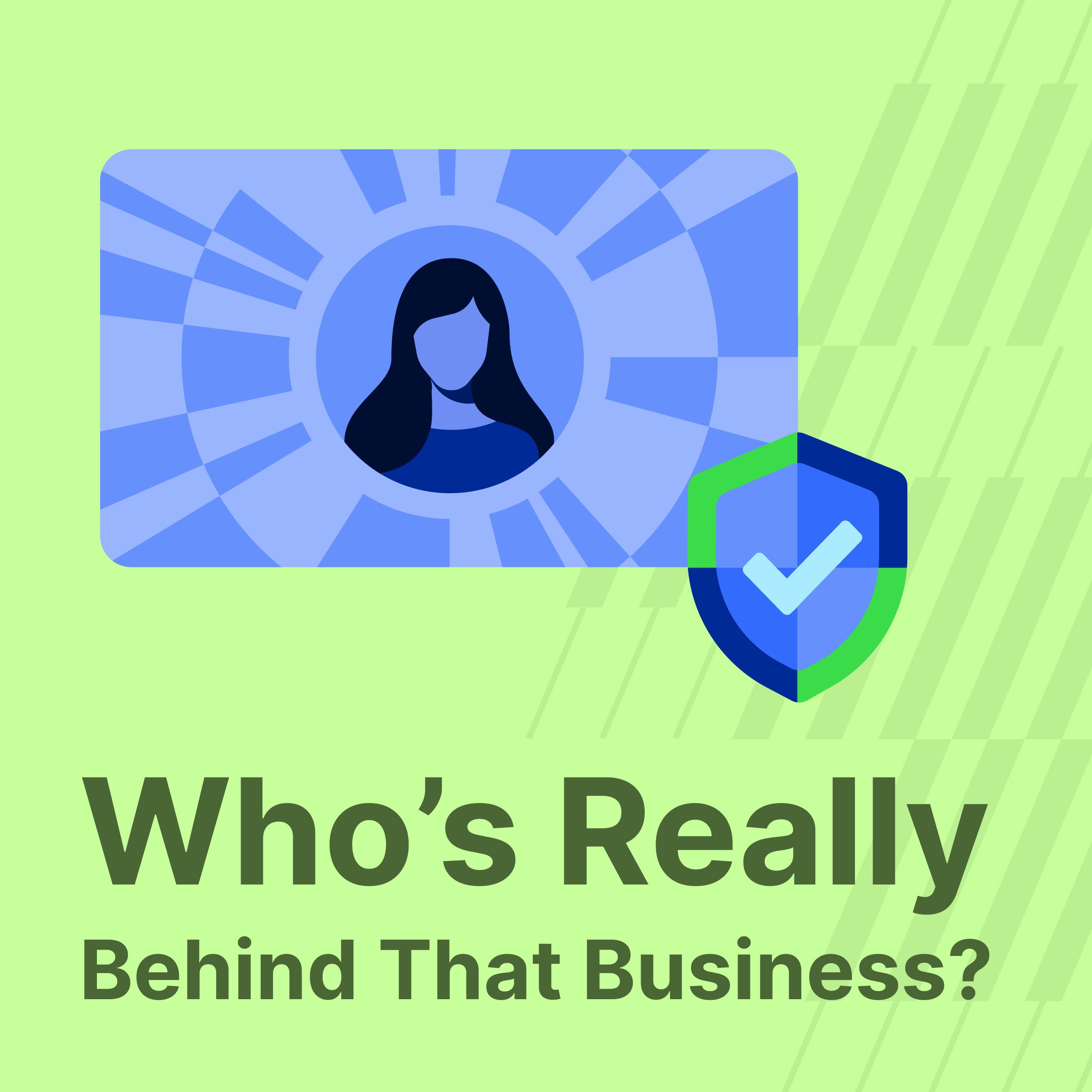
South Carolina Attorney General Alan Wilson stated that banking institutions must improve how they detect fraud during the online loan application process. The core of the problem is that traditional digital signatures are often just pixels on a screen, providing no evidence of who was behind the keyboard or whether that person is real.
Fraudsters exploit this gap by using stolen identities to bypass weak digital checkpoints. State Grand Jury chief attorney Creighton Waters compared it to home security. He noted that while a break-in is the criminal's fault, people still have a responsibility to ensure their front door is locked.
Proof provides the lock that actually works.
How Proof secures the transaction
Proof is an identity-centric security platform built to protect the most critical transactions in our economy. We protect the auto loans that keep people moving by ensuring every signature is tied to a verified human being.
Here’s how we catch schemes like this before the first dollar leaves the bank:
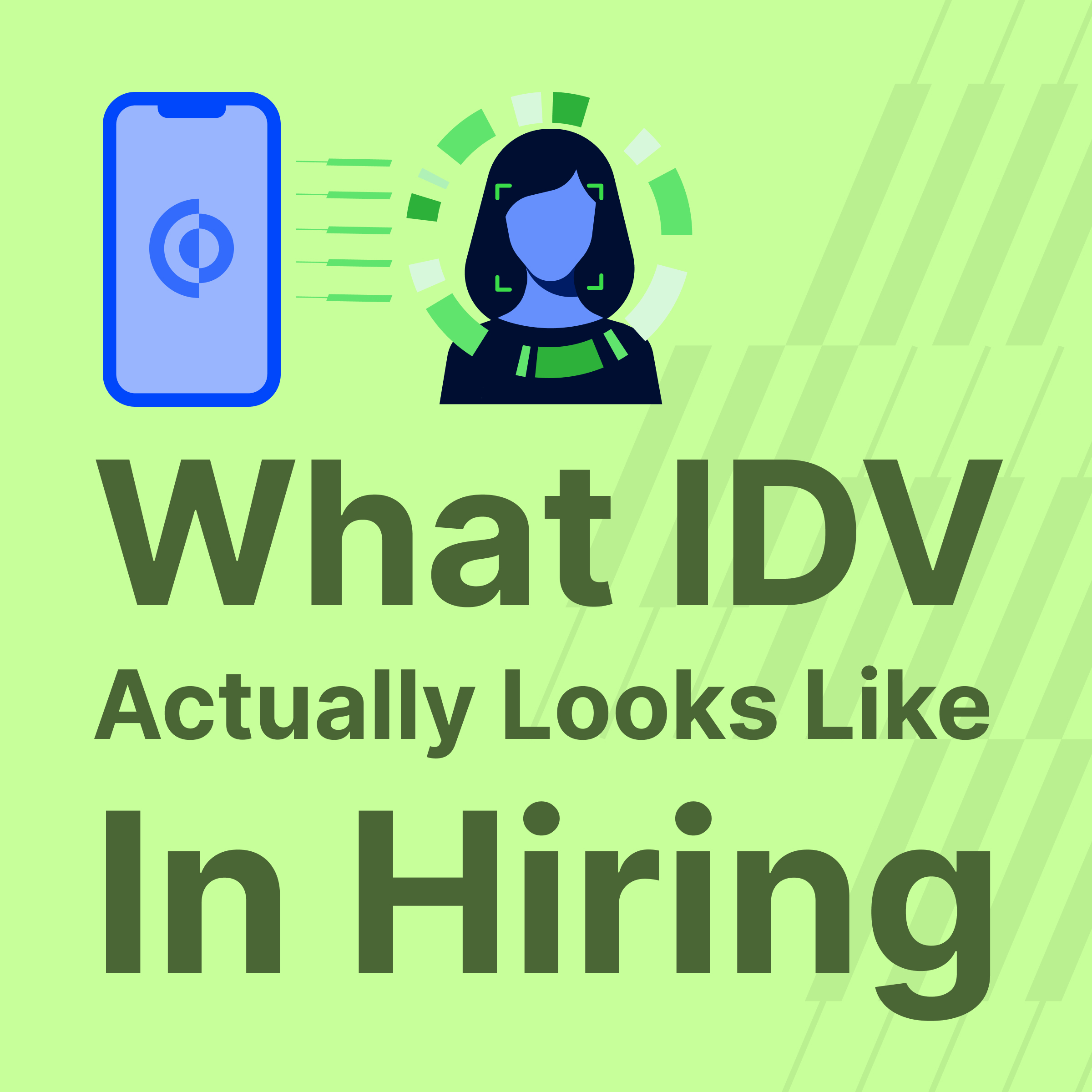
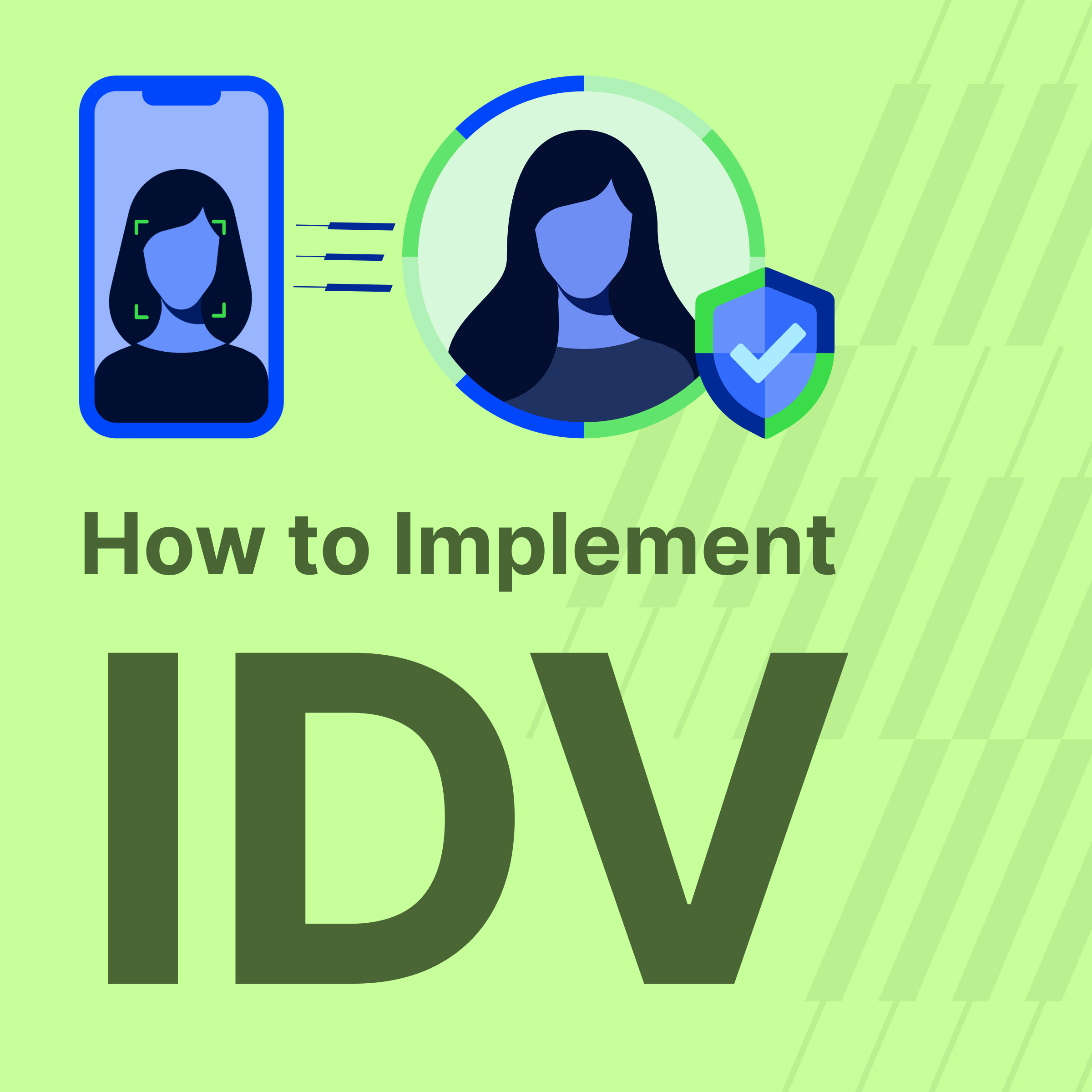
- NIST IAL2 identity verification: We meet the highest national standards for identity assurance. By requiring signers to capture a government-issued ID and a real-time biometric selfie, we ensure the person signing the loan is the legitimate owner of that identity.
- AAMVA integration: Proof verifies U.S. driver licenses directly against DMV records in real time to catch fraudulent or manufactured IDs. If a fraudster presents a fake ID, our system identifies the discrepancy immediately.
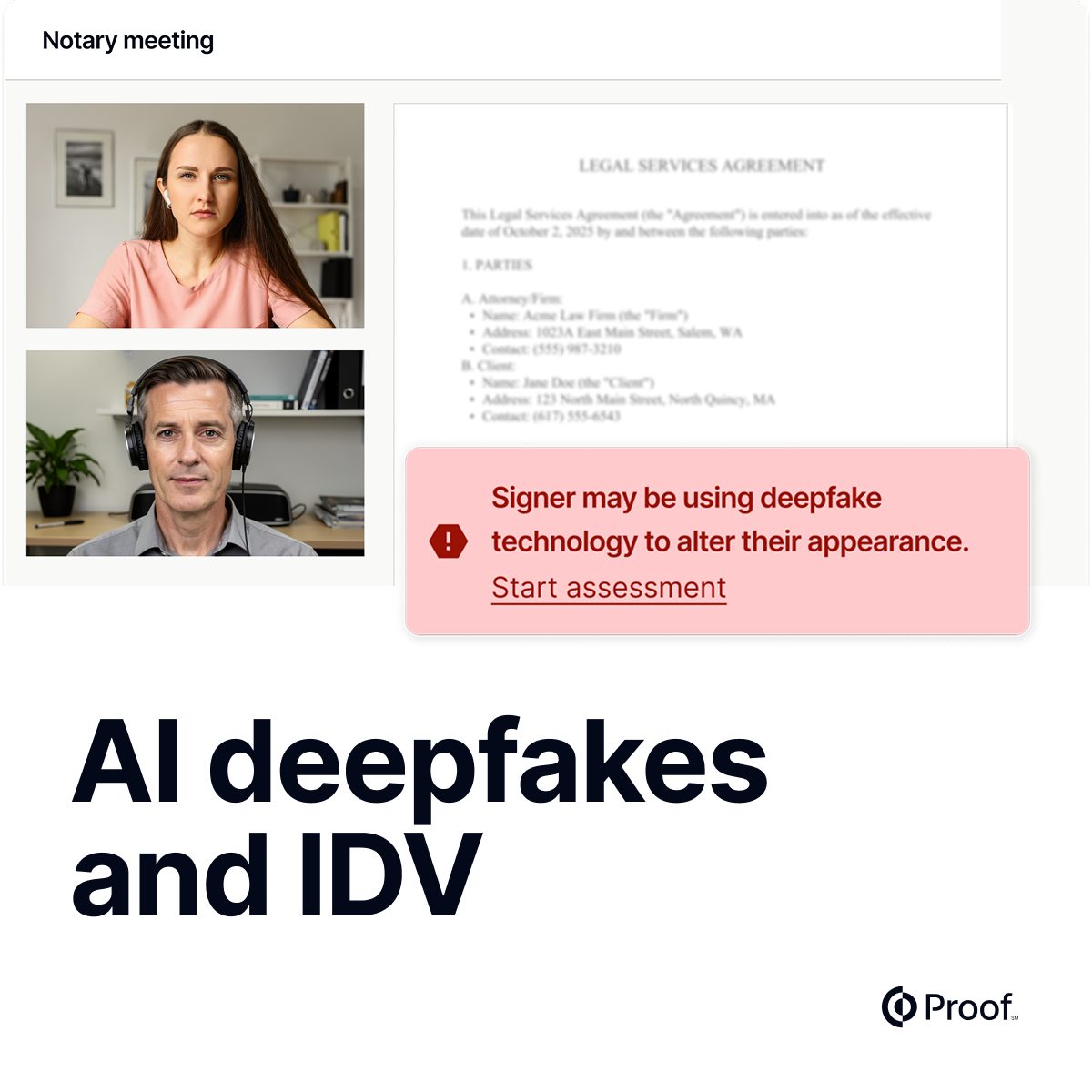
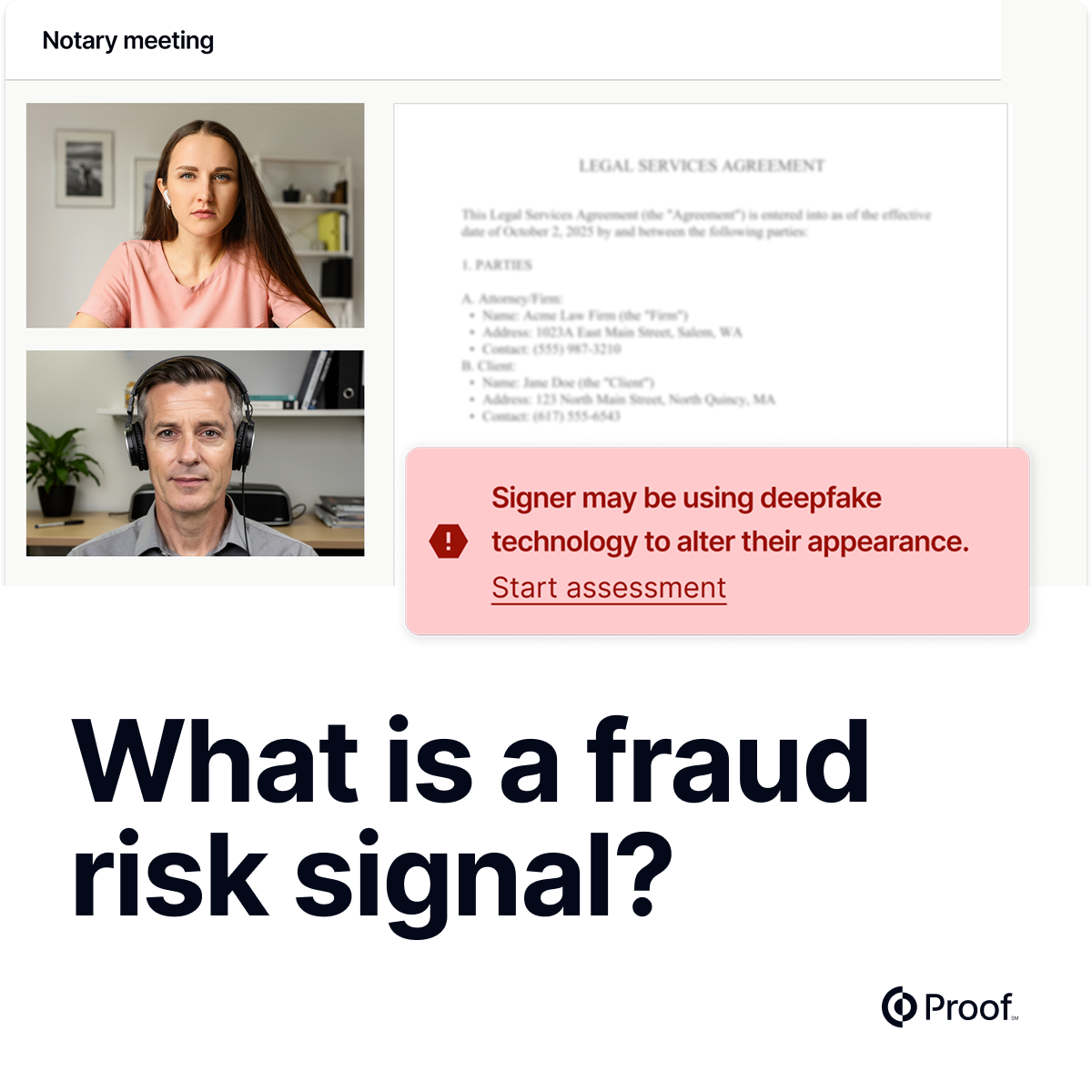
- Liveness detection: Our platform uses AI to confirm that the person on the other side of the screen is real and physically present. Deepfakes and static photos do not pass our security checks.
- Human-in-the-loop verification: For high-risk transactions, there is no substitute for a human eye. If a transaction triggers a fraud flag, Proof can route the user to a live "Trusted Referee." These on-demand agents verify identity face-to-face over secure video, bringing a human layer of defense to every identity check.
Trust as the new standard
Auto loan fraud is a serious crime that drives up costs for every honest consumer. It threatens the stability of lending institutions and undermines the digital economy. The VINsanity case illustrates the urgent need for better security across the industry.
The bottom line: lenders can no longer afford to guess if their customers are real.
We are on a mission to ensure that every critical authorization is backed by a verified identity. We want to create a world where trust is the default and fraudsters have nowhere to hide. It is time to secure the front door.
Schedule a demo with our team before the next million-dollar fraud scheme enters your workflow >






















.jpg)


































.jpg)