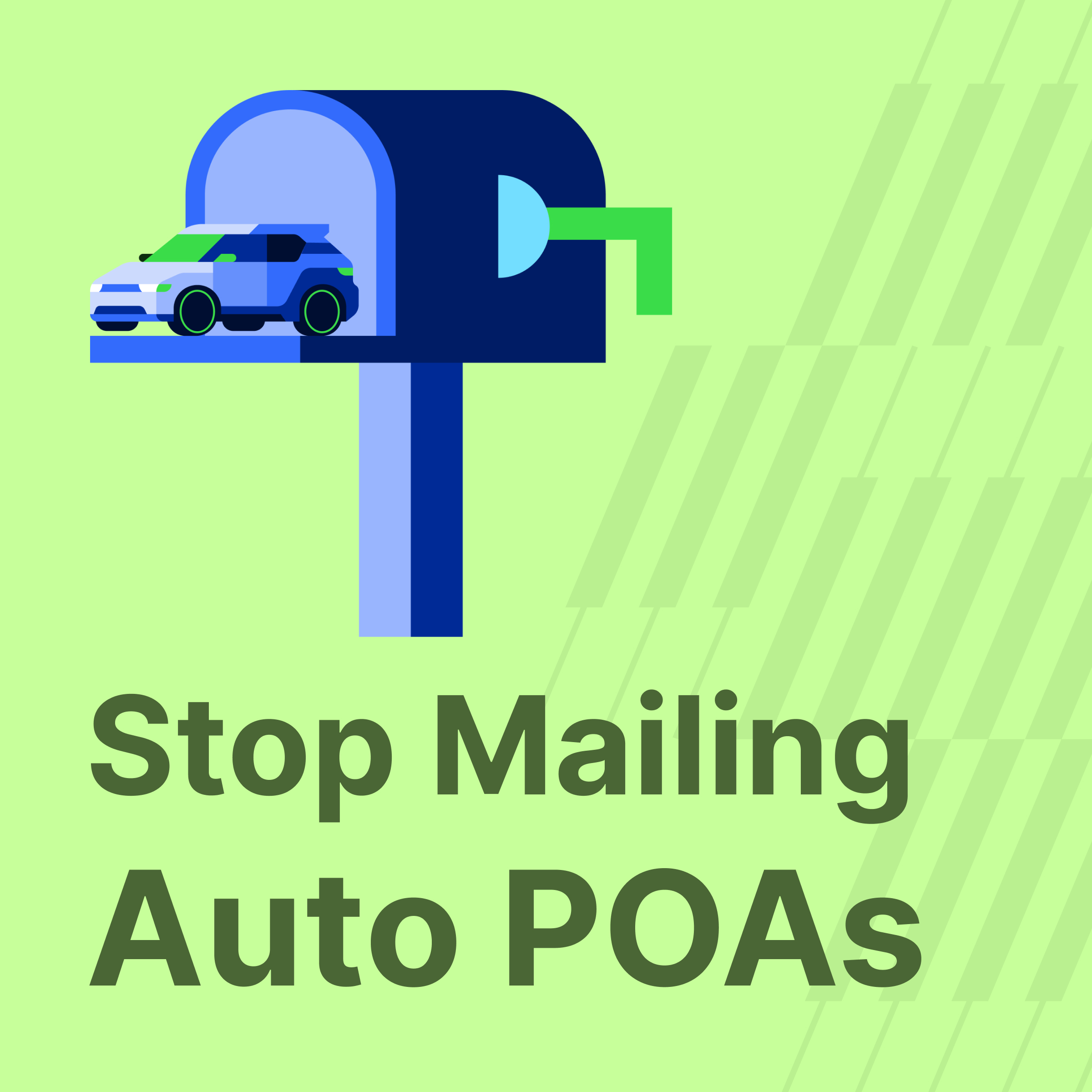
Why Auto Lenders Can't Afford to Keep Mailing POAs

Updated September 16, 2026
Every auto refinance starts the same way: the borrower agrees to the new terms, the deal is approved, and then someone has to get a power of attorney signed so the lender can handle the title transfer without the borrower standing at the DMV counter in person.
On paper, that step sounds simple. In practice, it is often where deals slow down, errors accumulate, and fraud finds its opening.
Across the auto lending industry, the POA process is still largely manual. Lenders mail documents, borrowers sign with whatever pen is nearby, notarization happens if the borrower can find someone local and schedule the time, and the completed packet travels back by mail or fax before anyone can move forward. For a transaction that is otherwise increasingly digital, it is a jarring step backward.
The lenders who are fixing this are funding faster, cutting operational costs, and closing a fraud vulnerability that paper processes leave wide open.
Key takeaways
- Mailing POAs for auto lenders creates measurable operational drag: overnight shipping costs, notary coordination fees, staff review time, and rework on rejected documents all compound at volume.
- POA requirements for vehicle title transfers vary significantly by state. Some require wet signatures, others accept electronic signatures, and RON acceptance at the DMV level is still inconsistent, creating a compliance risk for lenders operating across multiple states.
- Remote online notarization (RON) eliminates the mail-and-wait model. Borrowers can verify identity, sign, and get notarized in a single session from their phone, with no scheduling required.
- Lenders who digitize the POA workflow get faster funding cycles, a defensible audit trail, and a borrower experience that matches the rest of their digital stack.
The state complexity problem
Making matters more complicated, POA requirements for vehicle title transfers vary significantly by state. Some states require wet signatures on physical documents. Others accept electronic signatures. Some DMVs accept remote online notarization; others have not yet standardized their acceptance of RON for title work. And the requirements can change.
For a lender operating across multiple states, tracking and enforcing those requirements manually is a compliance risk in itself. An improperly executed POA in a state that requires a wet signature can delay or void a title transfer. A document signed without the required notarization in a state that mandates it can tie up funding.
The result is a process that requires constant staff attention, regular rework, and a backlog of transactions waiting on paperwork.
What the operational drag actually costs
The direct cost of a manual POA process is measurable: overnight shipping, notary coordination fees, staff time spent on manual review, and the cost of errors that require re-execution. But the indirect costs are often larger.
Every day a funded loan sits waiting on a title transfer is a day the lender carries risk it has not closed. Delayed funding cycles affect cash flow. Borrowers who encounter friction during the post-approval process become borrowers who leave negative reviews, or who refinance elsewhere the next time.
For a lender moving significant volume, even a modest reduction in the average POA cycle time compounds into real dollars. The lenders seeing the biggest impact are those who have replaced the mail-and-wait model with a workflow where the borrower verifies their identity, signs, and gets notarized in the same session, from their phone, without scheduling anything in advance.
How Proof closes the gap
Proof built its platform around exactly this use case. The process is designed to work within auto lenders' existing systems and to serve borrowers wherever they are.
Here is how it runs in practice:
- The lender initiates the POA workflow from within their DMS or CRM. The borrower receives a mobile-friendly link.
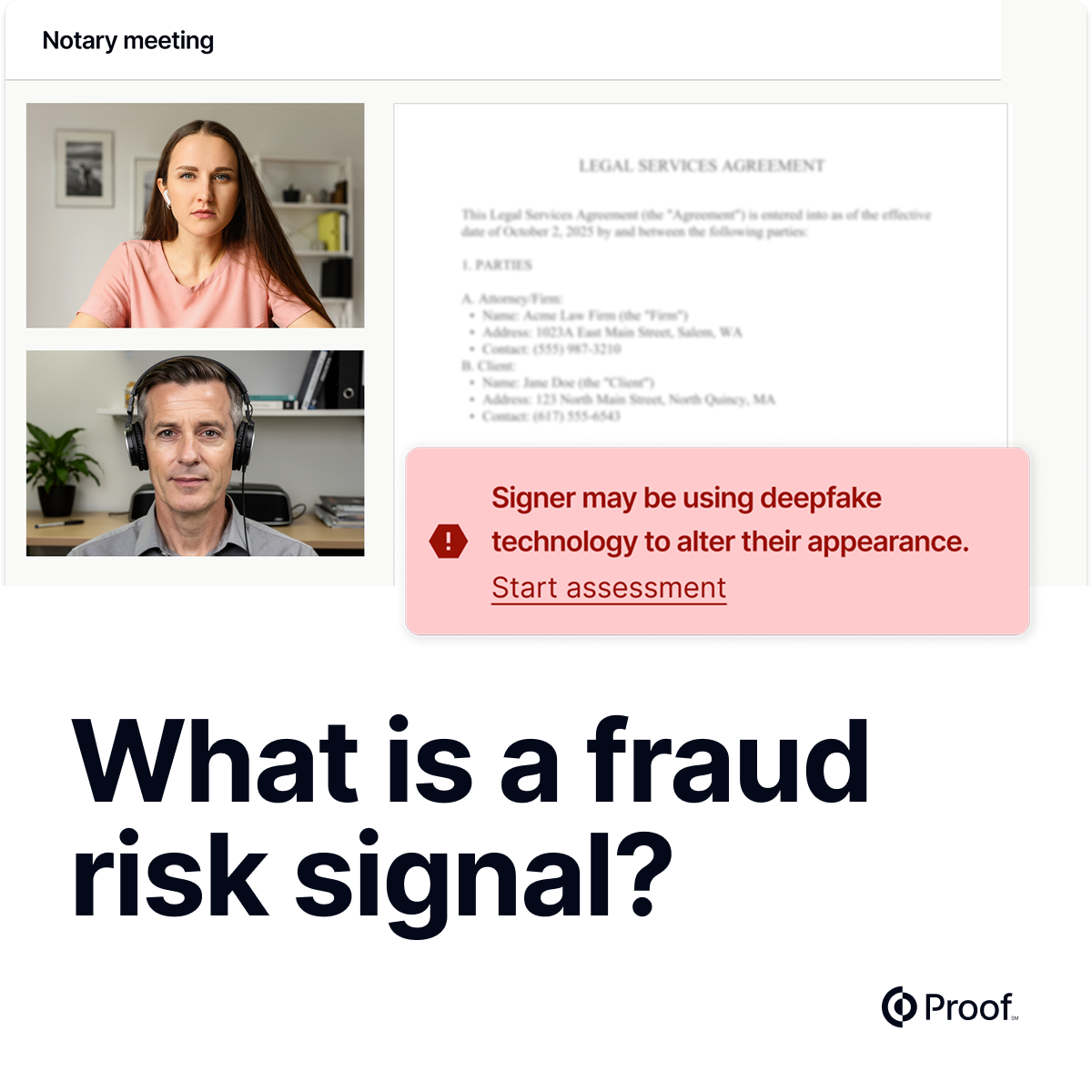
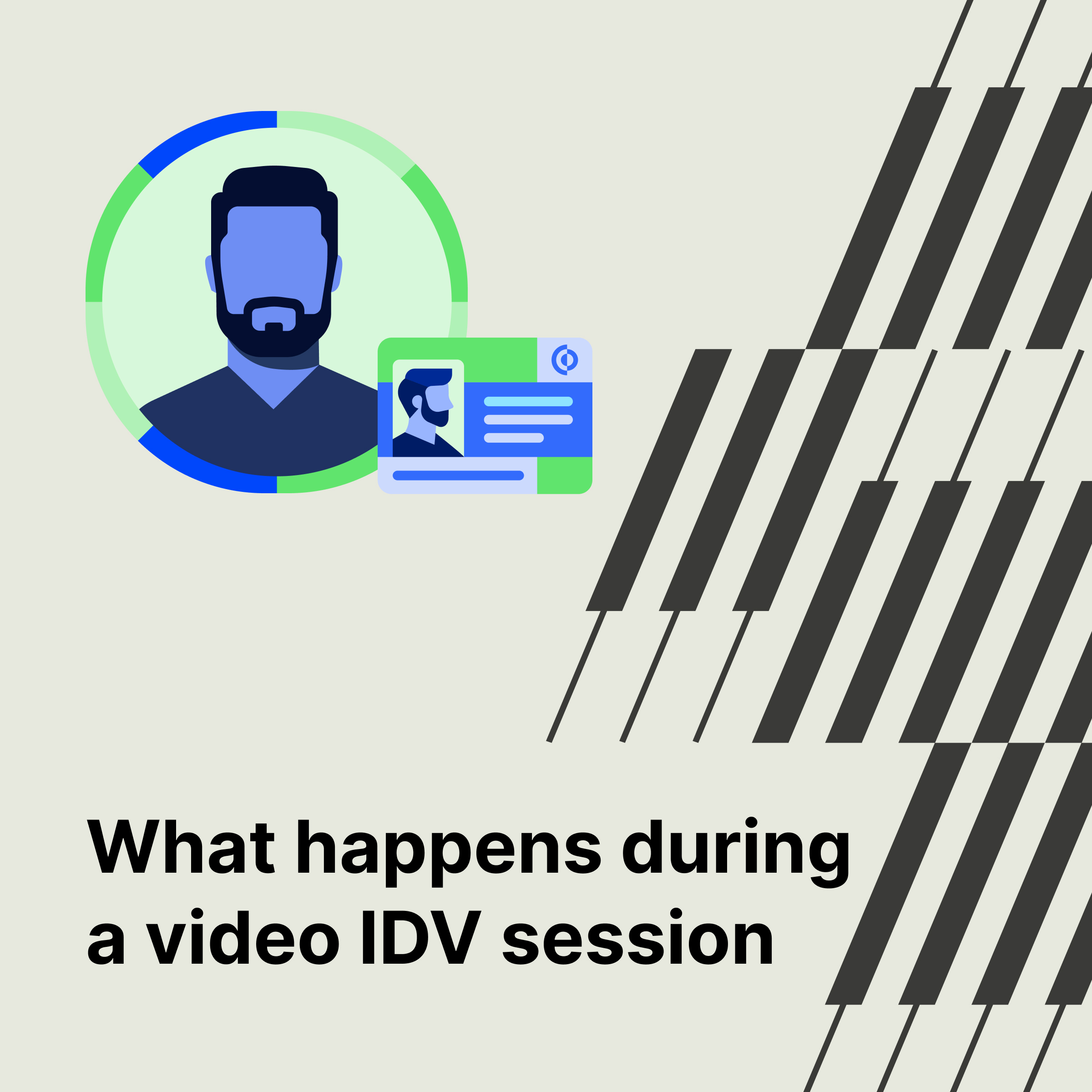
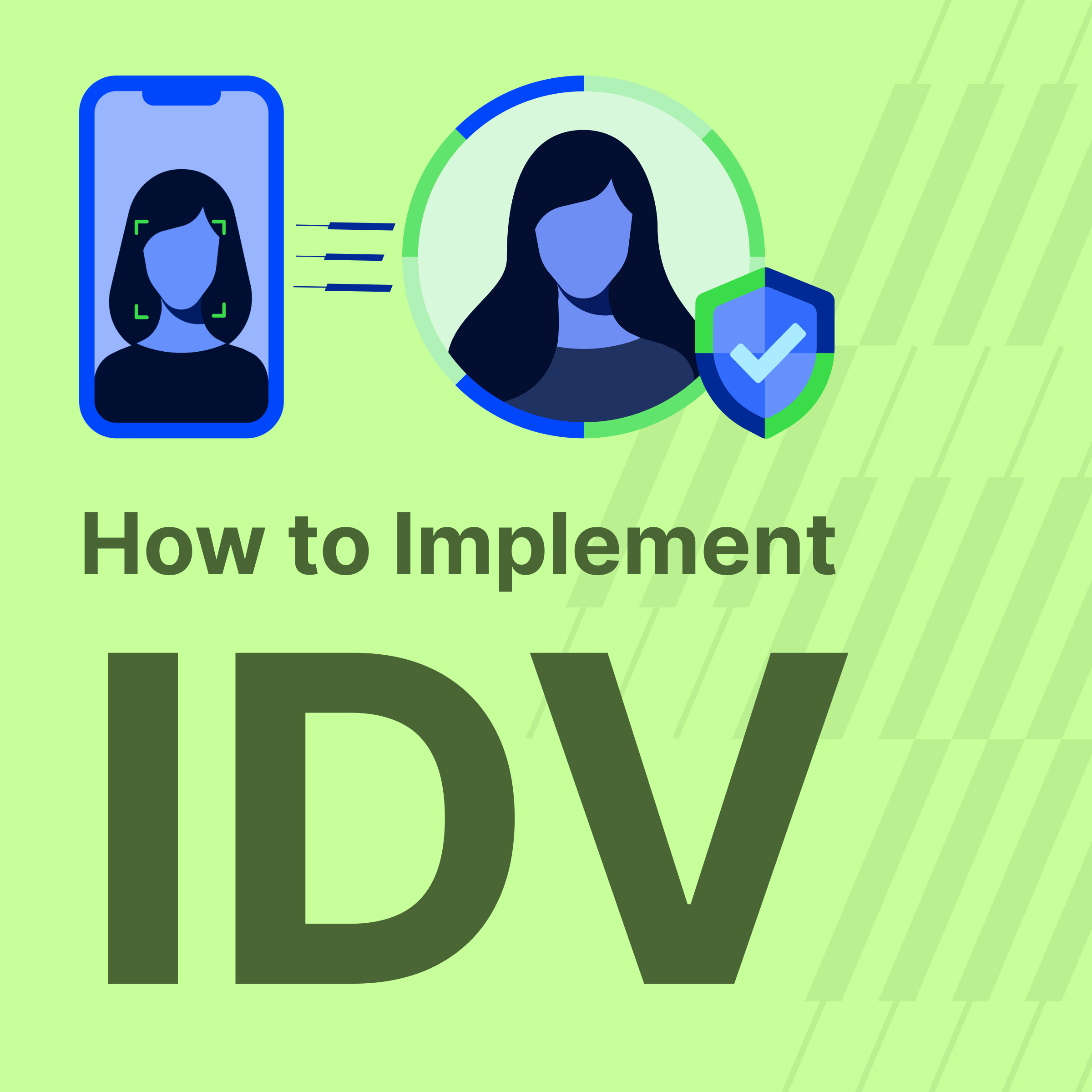
- Before any document is presented, Proof verifies the borrower's identity by matching a government-issued ID to a facial biometric, with real-time fraud signals screening in the background.
- Notarization happens via remote online notarization, either through the lender's own notary staff or Proof's on-demand network, which is available 24/7.
- The completed POA, sealed with a tamper-proof audit trail, routes instantly to the title processing team, with no printing, scanning, or waiting on mail.
- Every step is time-stamped and logged. If a title dispute surfaces six months later, or a regulator asks for documentation, the full chain of custody is immediately accessible.
The right time to go digital
Auto lending fraud is getting more sophisticated, state POA requirements are adding complexity, and borrower expectations for digital-first service are only moving in one direction.
The lenders who wait for their manual process to become untenable before addressing it are the ones who end up funding deals late, losing borrowers to faster competitors, and carrying fraud exposure that never had to exist.
The lenders who act now get faster funding cycles, a defensible audit trail, and a borrower experience that matches the rest of their digital stack.
Ready to move faster? Explore how Proof works for auto lenders >





























.jpg)


































.jpg)