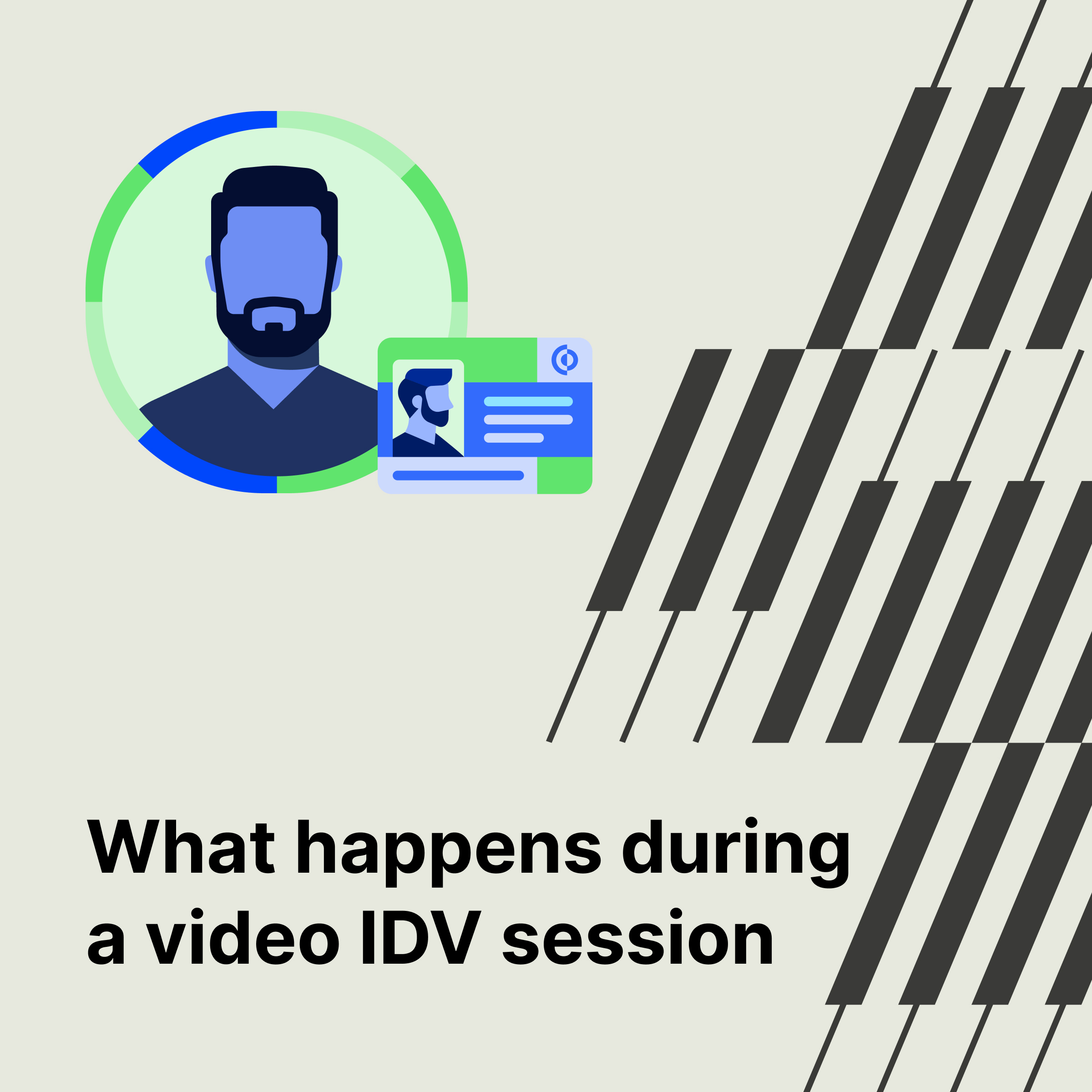
What Actually Happens During a Video Identity Verification Session with Proof

Updated October 8, 2026
One of your customers has been locked out of their account for three days. Your automated check has failed them twice. They have called support, answered every question correctly, and they are still locked out, because nobody on your team has a way to prove they are who they say they are.
Your help desk now has two options, and both are bad: restore the account and hope, or keep a real customer locked out indefinitely.
Verify gives you a third option: put that person on a live video call with an agent who can actually establish who they are, with deepfake detection software, and keep a recording of the whole thing.
Here is what triggers a session, what happens inside one, and what your company gets out of it.
Key takeaways
- Video identity verification combines live video, document scanning, biometric comparison, and deepfake detection into a single session that produces auditable evidence.
- Automated identity checks fail on ambiguous cases. A trained human agent watching in real time can resolve cases that a model has no category for, reducing both fraud and false positives simultaneously.
- Every Proof Verify session produces an identity report, a full session recording, and a timestamped record of the customer authorizing the action on camera, all of which are defensible in a dispute.
- Live-agent video verification with deepfake analysis resolves locked-account cases in a single call, replacing multi-day support queues and the binary choice between restoring access and keeping a real customer locked out.
What puts someone in a session
For high-stakes moments, you can trigger a Verify session and add human-in-the-loop security to your transaction. Some common examples:
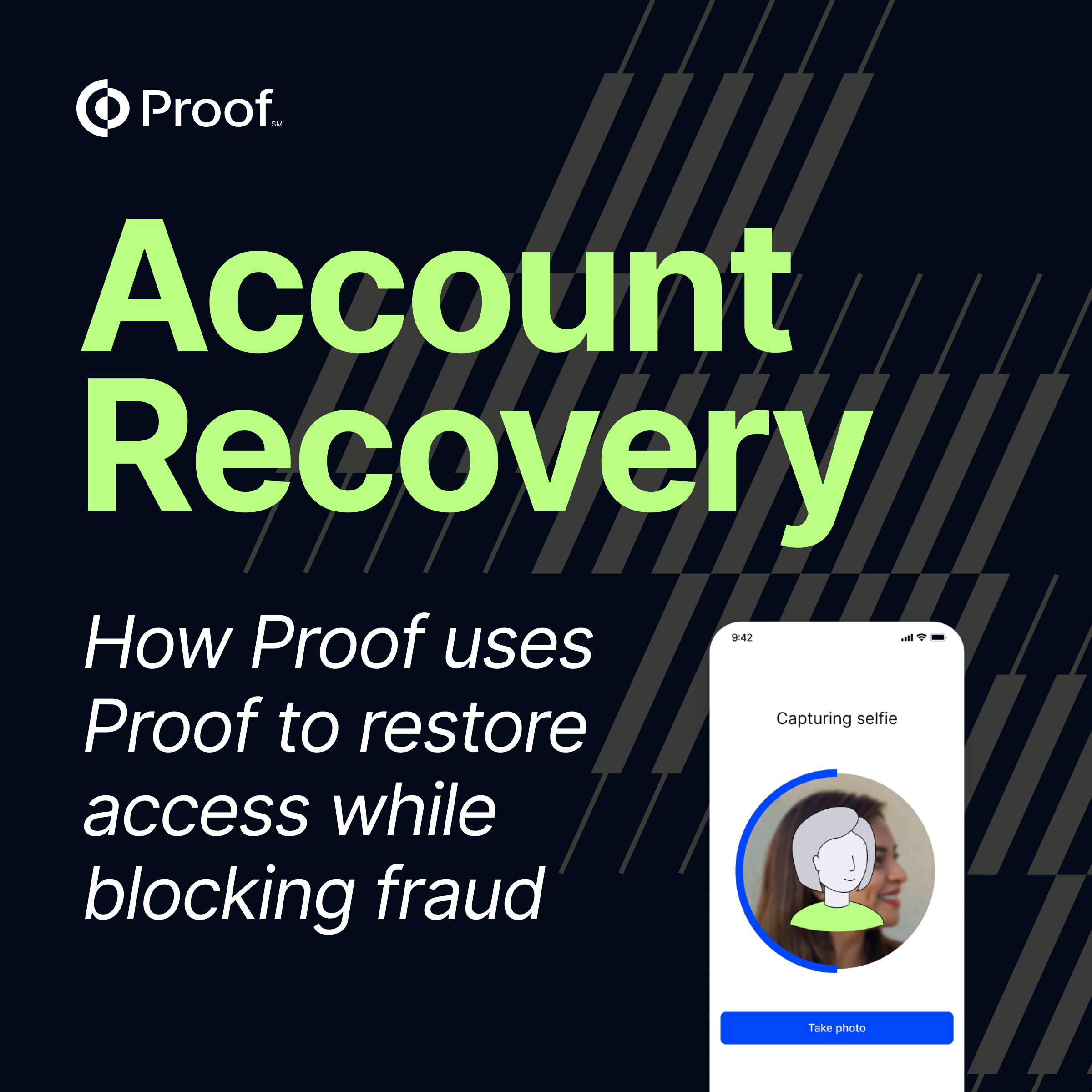
- Account recovery, and password or MFA resets. Recovery built on contact information, an email address and a phone number, has a flaw attackers know how to work. Making a live session mandatory for critical account actions is how IT teams shut down help desk fraud. Every credential you would normally check is the thing in dispute.
- High value transactions. Wire transfers, fund movements, and access grants need more certainty than everything else you process, and the money does not come back.
- Ownership transfers. Account and asset ownership changes often go unnoticed for months, which makes your file the only record of what happened.
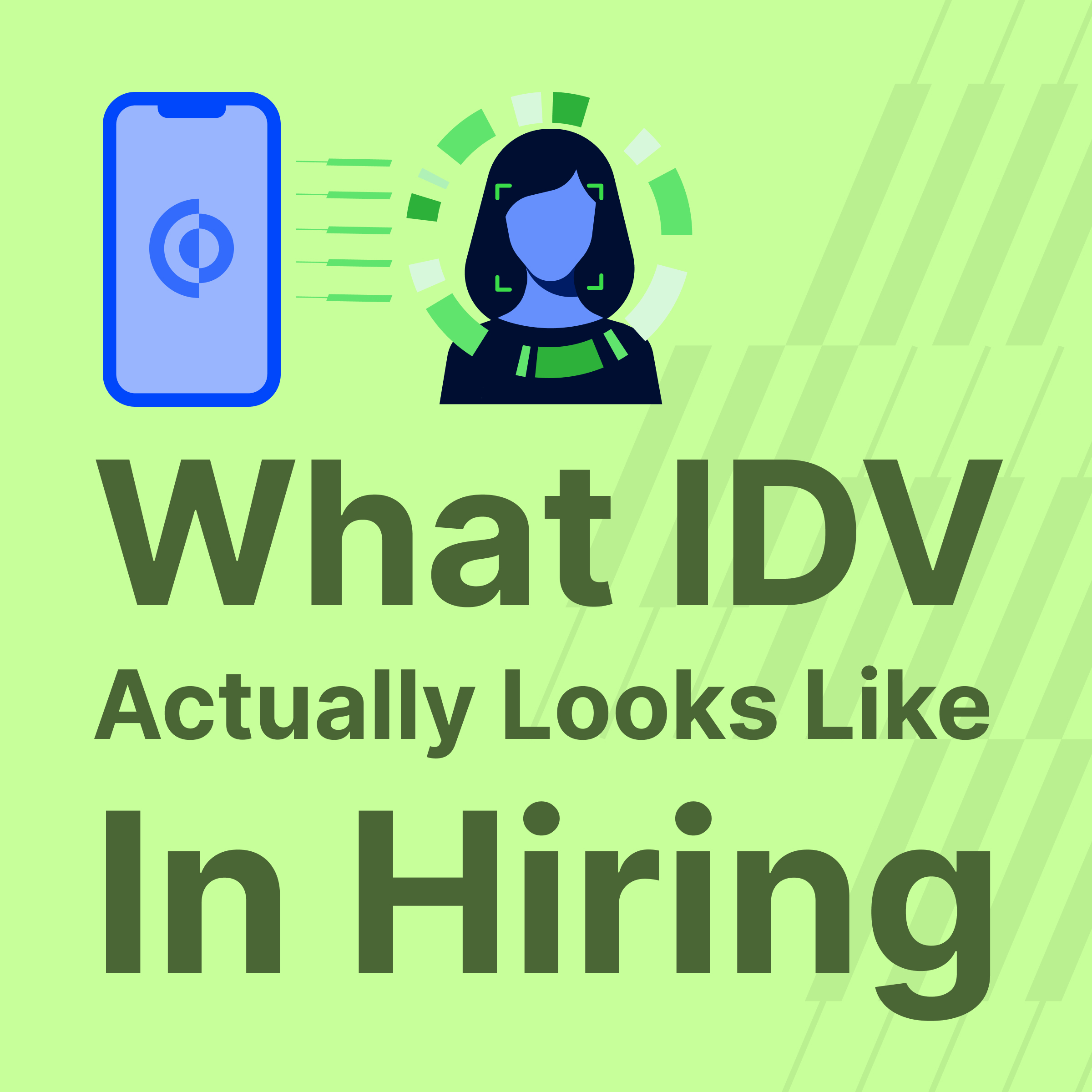
- Candidate fraud and employee onboarding. Fake applicants are flooding hiring pipelines. A face-to-face session confirms a candidate you may not be able to meet in person is a real human and establishes an identity record for a new employee from day one.
How a Verify session works, step by step
- A secure link goes out. Your customer gets a unique link inviting them to live video meeting with an agent.
- They enter basic information and meet the agent. The customer provides basic personal details, then connects with the agent who oversees the verification.
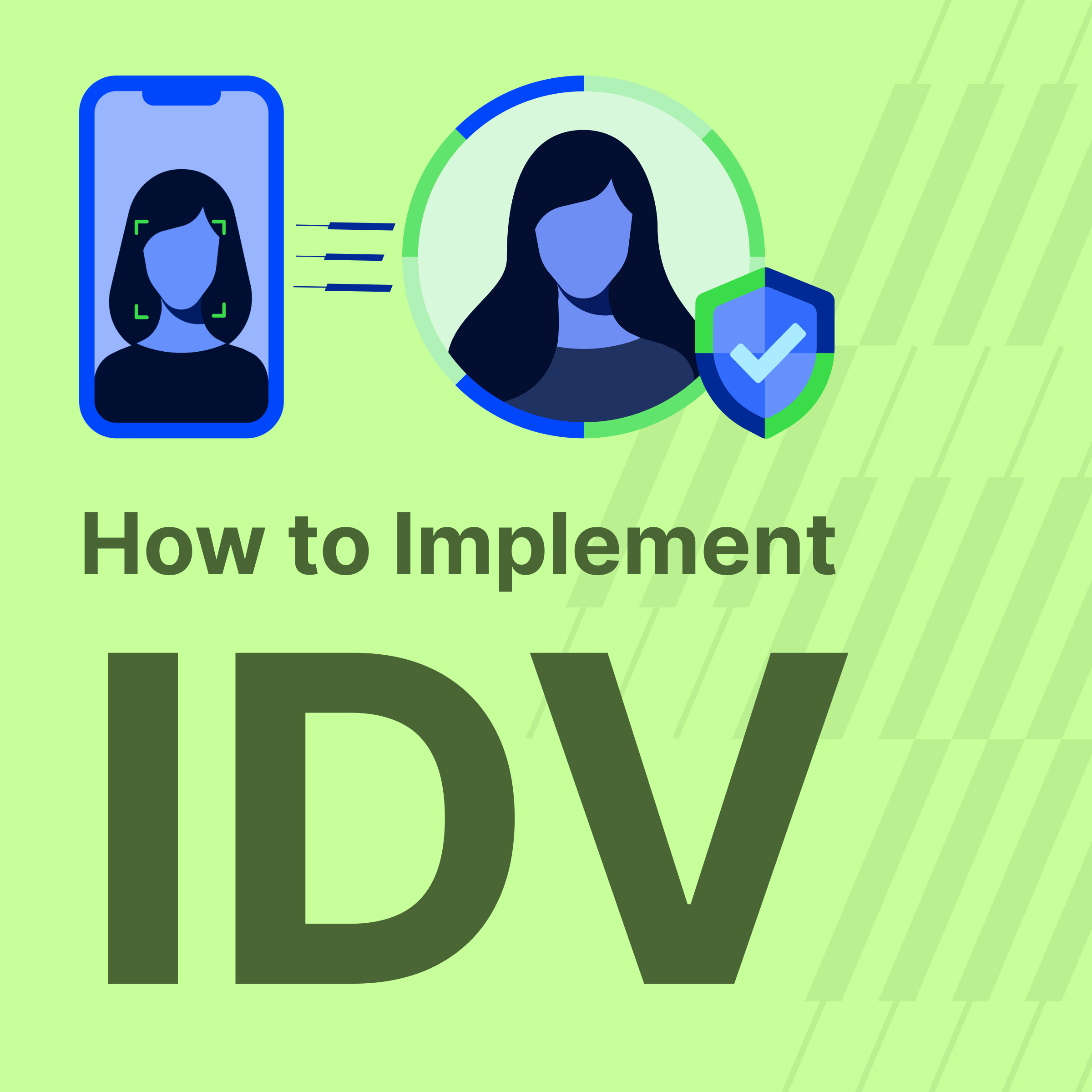
- The checks happen with the agent watching. During the call the agent can scan the customer's ID, run a biometric comparison, and validate a credit card. Details on each below.
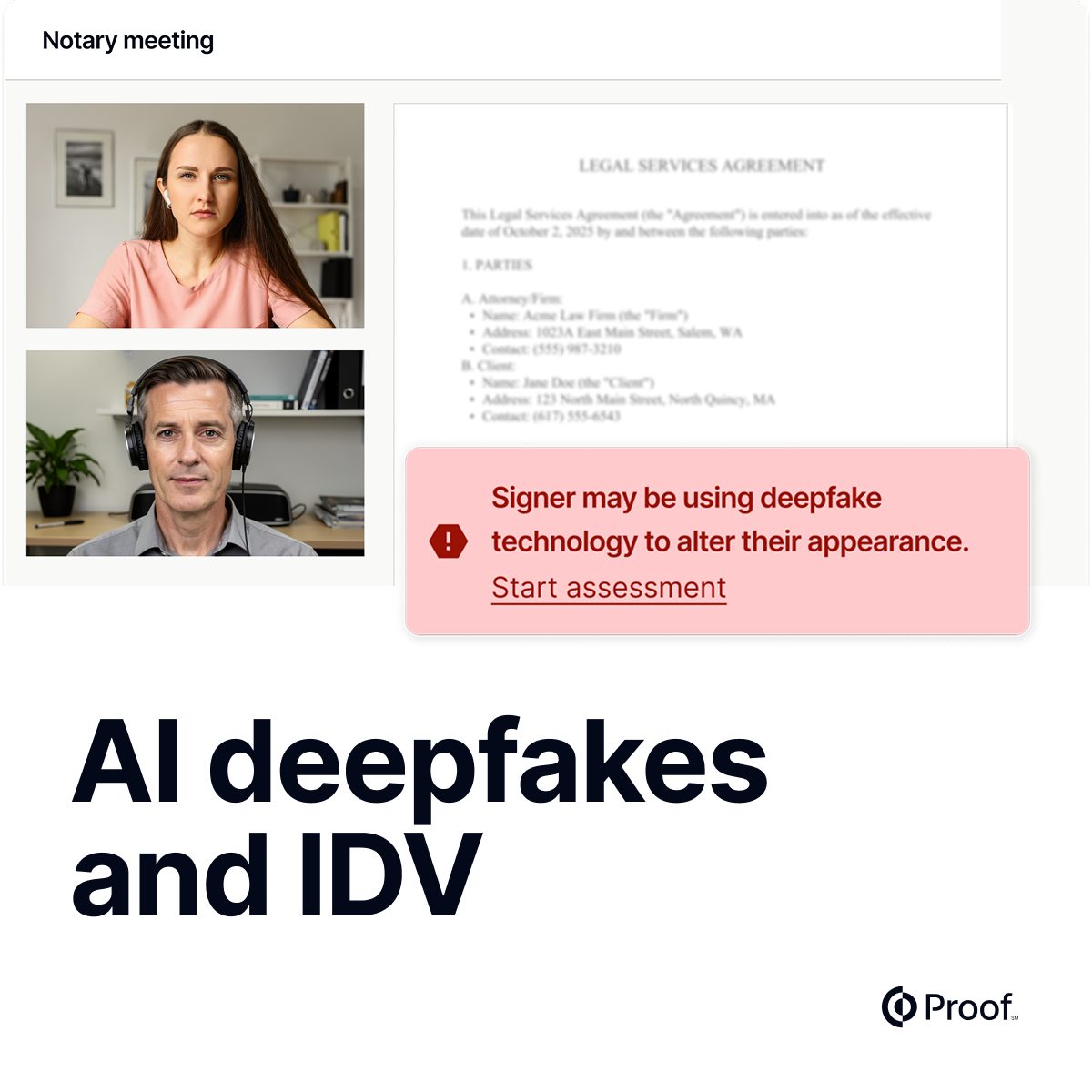
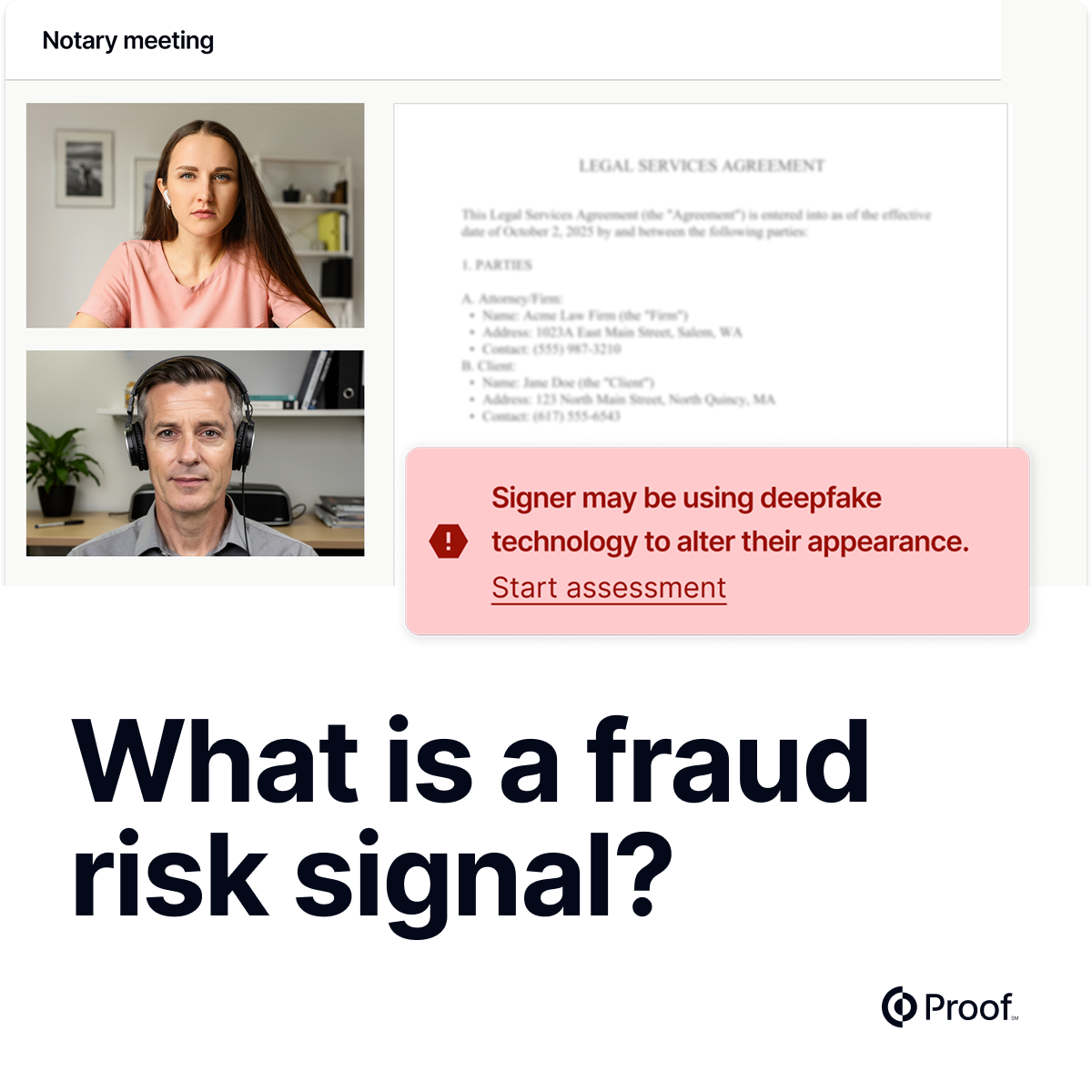
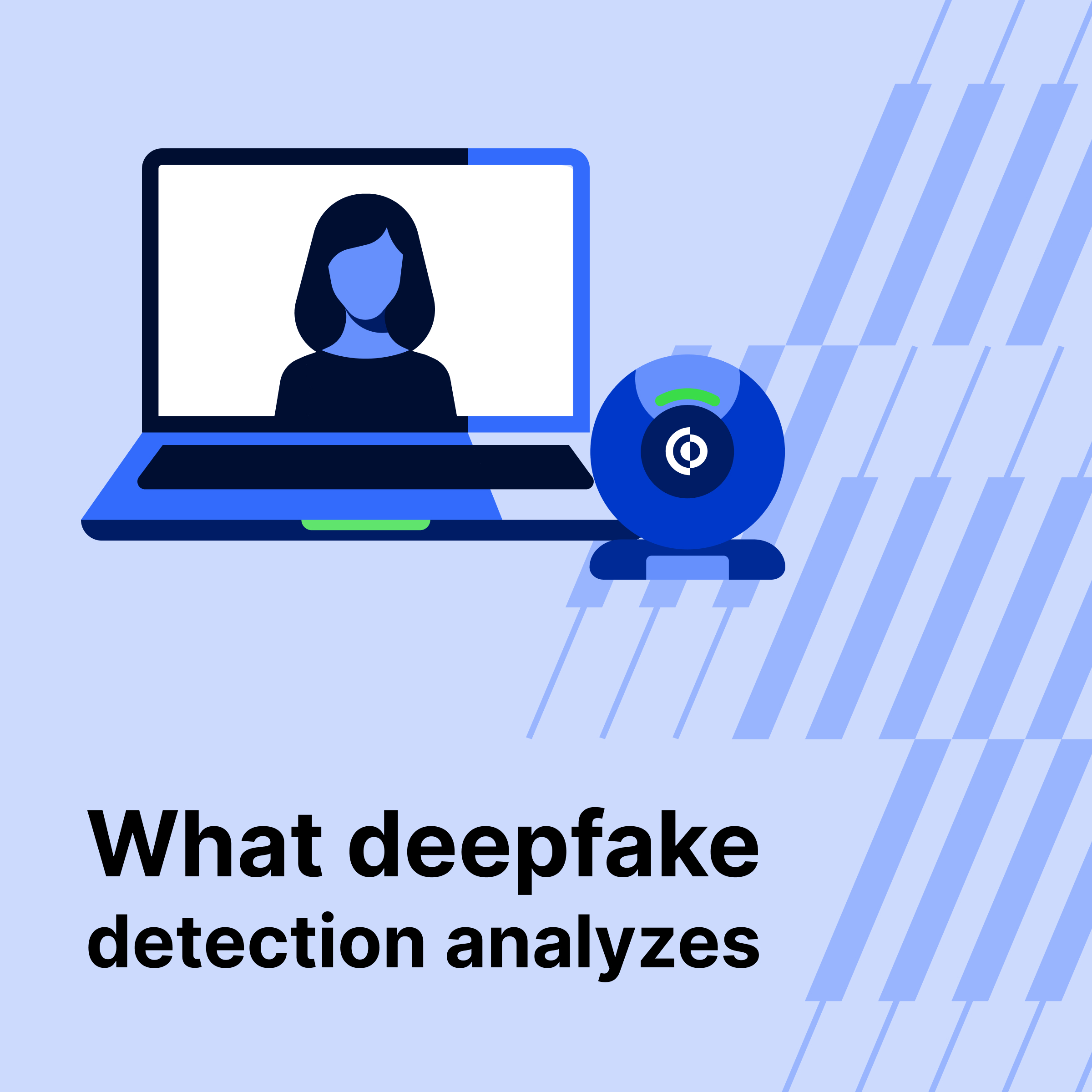
- Proof analyzes the video feed. Verify examines the feed with deepfake detection to determine if the video feed is created by AI.
- Signals come back and your agent decides. Within seconds the system surfaces risk signals to support a determination about the person's identity.
Why is video identity verification so important?
You get dispute-ready evidence.
A session produces an identity report with everything that was verified, a record of the full interaction, and a recording of your customer authorizing the transaction on camera. Six months later, if needed, you can defend against a dispute about what the customer agreed to. A timestamp and a checkbox lose that argument, while a video of a verified person approving the transfer wins it.
Fraud goes down and so do false positives.
When live agents supervise identity verification, both numbers move in your favor at once. Automated systems are forced into a binary on ambiguous evidence, while a trained person can ask one more question and resolve a case that a model has no category for. That is the difference between blocking a good customer and keeping them.
The locked out customer gets back in
Let’s go back to our locked out customer. They were facing three days of tickets, two failed automated checks, and a help desk with no way to say yes. In a Verify session, that same person opens a link, meets an agent, shows their ID, takes a selfie, and walks away with their account back inside one call.
Your team walks away with more: an identity report listing everything that was verified, a recording of the customer authorizing the action on camera, and a decision made by a trained human with deepfake analysis and risk scoring running the whole time.
Whether you are trying to shut down help desk fraud or put a person in front of every large wire, the session is the same and it takes minutes.
See how Verify secures remote authorizations with live agent verification >
































.jpg)














































.jpg)