How to Evaluate an Online Notary


Remote online notarization is legal almost everywhere now. The National Notary Association confirms RON carries permanent statutory authorization in nearly every state, with California the lone holdout still completing its transition. But not all remote online notarization vendors are made equal.
The stakes make notarization worth getting right. The FBI's Internet Crime Complaint Center puts 2025 real estate related fraud losses at $275.1 million in its 2025 IC3 report, a figure the National Association of Realtors flagged specifically because it lands on the agents, title companies, and buyers who move money through exactly these transactions.
A title company choosing a notarization vendor, a family arranging a power of attorney for a parent overseas, and a business owner who needs a corporate resolution notarized before a bank releases funds are all betting on a provider getting those three things right, not just being licensed to operate.
So, how do you ensure your online notarization platform is right for you?
Key takeaways
- Legal authorization only confirms a provider can operate. Two fully legal RON providers can still differ enormously on identity verification, documentation, and notary competence.
- The strongest identity verification combines credential analysis of the ID with biometric facial matching or knowledge-based authentication, well beyond a simple photo upload.
- A notarization needs to survive scrutiny years later, which is what an audio-visual recording, an electronic journal, and a tamper-evident seal are for.
- Ask any provider directly how its notaries are trained and vetted, and whether its notarizations are accepted where you actually need them.
Start with the legal foundation
Confirm the notarization will actually be recognized where you need it. This sounds basic, but it trips people up constantly. A notary is commissioned in a specific state, and while most states let that notary work with a signer anywhere, including overseas, some restrict it. NASS, the National Association of Secretaries of State, which tracks remote notarization rules nationwide, confirms the rules differ by both the notary's home state and the signer's location. If you're closing on a home in one state while sitting in another, ask the platform directly whether the notarization will be valid for your document and jurisdiction.
The legal landscape is also still evolving federally. The SECURE Notarization Act, reintroduced in Congress and pending in committee, would set a uniform national standard so a notary commissioned in one state could reliably notarize a signer anywhere in the country. Until it passes, a good platform is upfront about where its notarizations are and aren't accepted, rather than leaving you to find out from a confused county recorder's office.
Look hard at identity verification
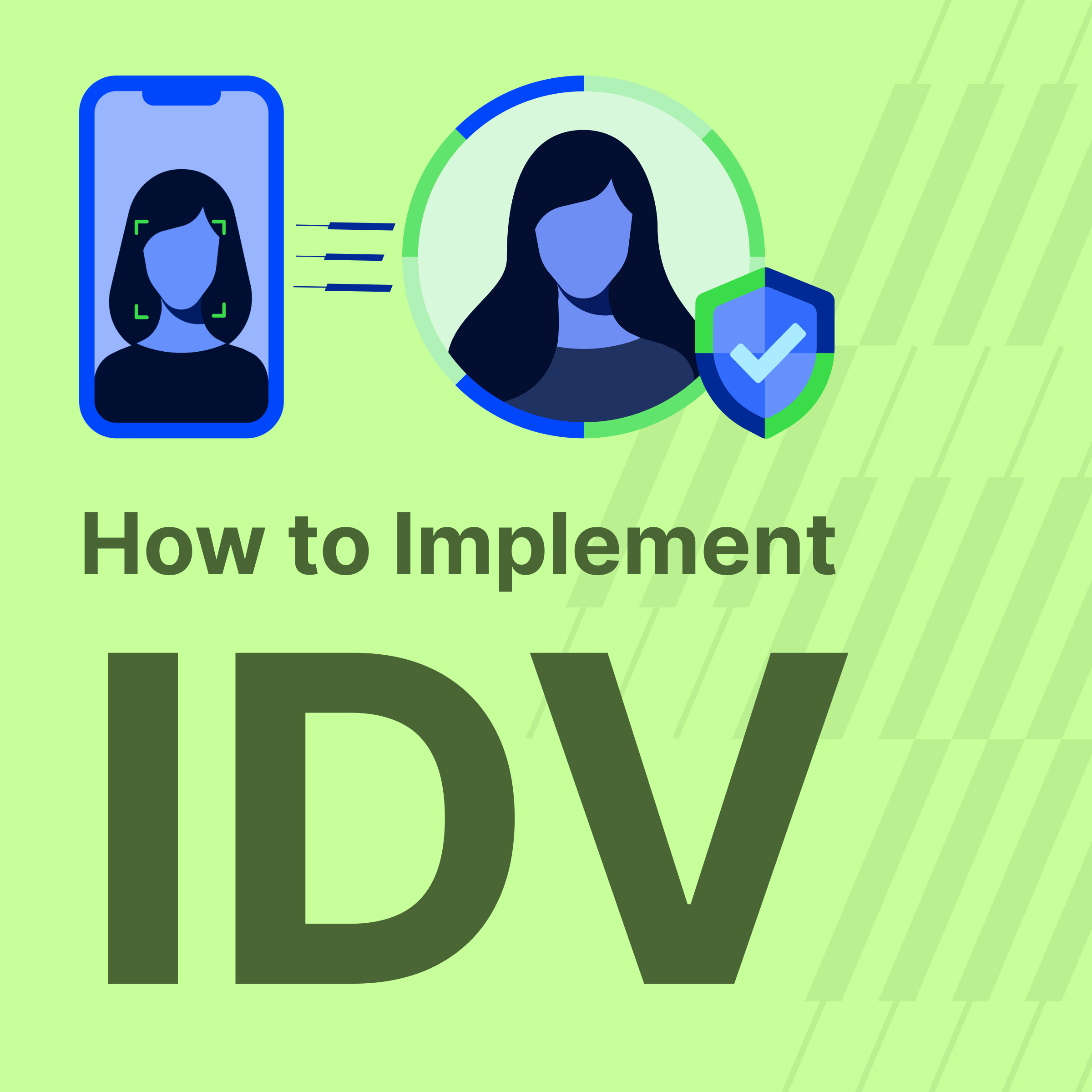
This is the core of the notary's job, and it's where the biggest quality gaps show up. A notary in person checks a physical ID and leans on judgment built from being in the room. Online, that judgment has to be replaced with layered technology, and the National Notary Association describes what that looks like in practice: credential analysis, software that examines the ID for tampering or forgery, combined with either knowledge-based authentication, questions pulled from data only the real signer should know, or biometric facial matching against the ID photo.
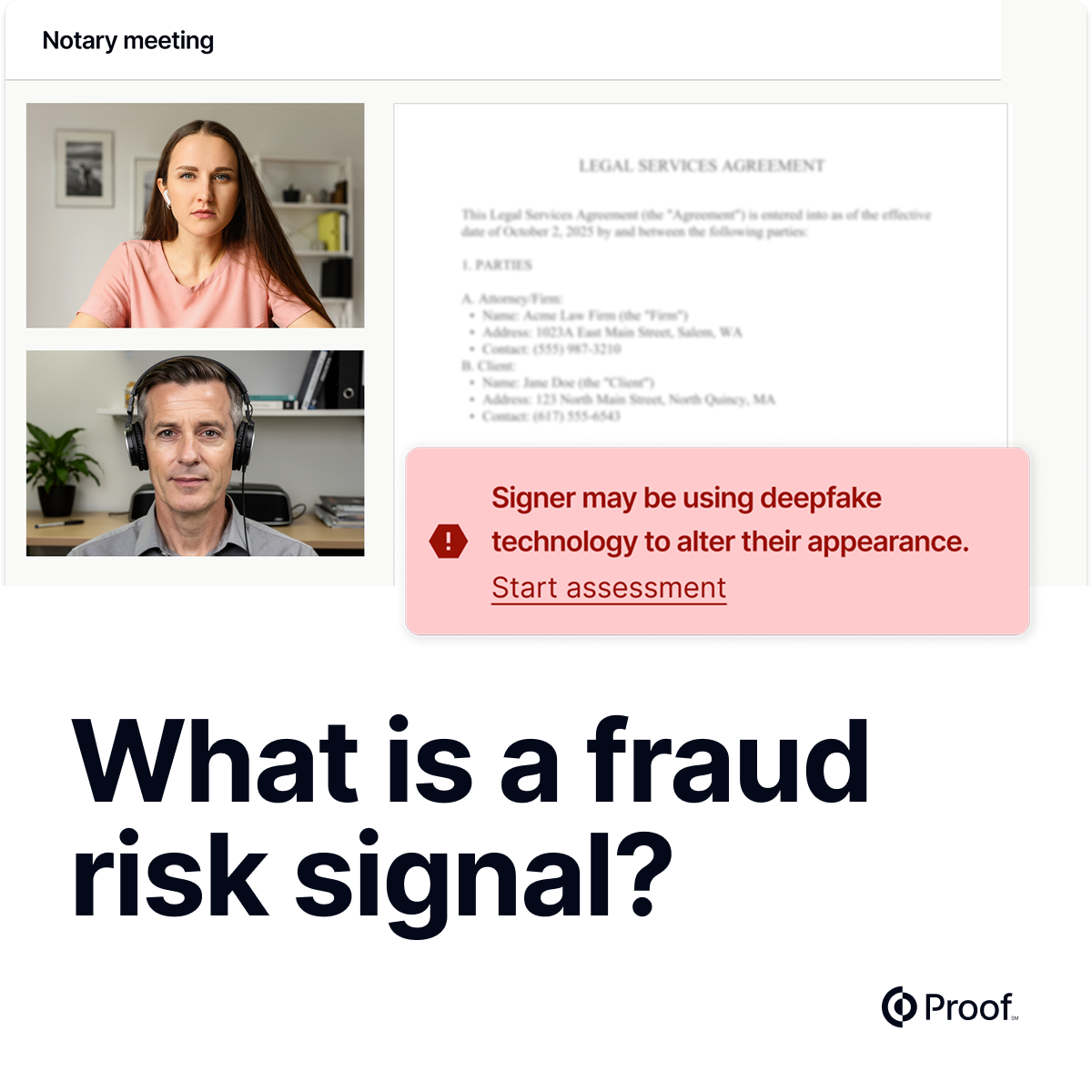
A closing or a power of attorney signing is exactly the high-value, time-pressured transaction that attracts the fraud cited above, which is why identity verification is the actual line of defense between a legitimate signer and an impersonator. Ask a platform specifically what identity checks happen before a session even starts; "we ask for a photo of your ID" is a thinner process than a well-built RON platform should offer.
Check how the session itself is documented
A notarization needs to be provable years after the fact. Most state RON laws require the notary to keep an audio-visual recording of the entire session, an electronic journal entry, and a tamper-evident digital seal on the completed document, mirroring the ALTA checklist for conforming RON laws. Think about what that protects against: a sibling contesting a parent's power of attorney two years later. Without a retained recording and journal, resolving that dispute comes down to competing memories; with one, it comes down to evidence.
ALTA has gone further, publishing its own principles for remote notarization in real estate aimed at protecting against fraud while still allowing a legitimate digital option. A lender evaluating a RON vendor for regular use should ask whether its practices map to those principles rather than stopping at the bare state-law minimum.
Evaluate the notary, not just the platform
The license to notarize belongs to a commissioned human, and that person's judgment matters most in exactly the moments when something goes slightly wrong: an ID photo a few years old that doesn't quite match the signer's current appearance, a connection that drops mid-session. A good platform trains its notaries thoroughly and vets them before they ever handle a live signing.
Proof, for example, requires notaries on its network to pass NIST IAL2 identity verification and a background check before they're authorized to notarize, and applies AATL-compliant digital certificates and tamper-evident seals to every completed document.
Ask any provider the same question rather than assuming every notary behind a login screen is equally prepared.
Consider reliability, acceptance, and support
A notarization is only as useful as its acceptance downstream. Will the county recorder take it? Will the receiving bank or law firm recognize it without a fight?
Ask each RON provider directly, especially for anything going to a government office unfamiliar with RON. Also consider what happens when something breaks mid-signing: a dropped connection, a redo, a question about whether a seal was applied correctly. Responsive human support during the signing window is worth more than a slightly cheaper platform that leaves you stuck in a chat queue.
None of these criteria work alone. A notary can be perfectly commissioned on a platform with weak identity verification, just as a platform with strong technology can still lack a notary who knows how to handle an edge case. Before committing to a notarization that matters, walk through the legal footing, identity verification, session record, notary training, and track record for acceptance and support.
That combination determines whether an online notary experience is merely convenient or genuinely trustworthy.
If you're weighing a remote online notarization provider against that standard, see how Proof handles identity verification and the audit trail during every session.






















.jpg)





































.jpg)