What Makes a Good Online Notary? 3 Things That Actually Matter


Updated September 16, 2026
Most people don't research online notaries for fun. They land here because a title company just emailed a closing package, a parent overseas needs a power of attorney signed before surgery, or a business owner is stuck until a corporate resolution gets notarized.
RON now has permanent statutory authorization in nearly every state, with California the lone holdout still finishing its transition, according to the National Notary Association. That legal footing is a floor, not a quality guarantee, and the gap between a good RON experience and a bad one comes down to three things.
Key takeaways
- A trustworthy online notary platform verifies identity with credential analysis on the ID itself, plus biometric facial matching or knowledge-based authentication (KBA), not a webcam glance alone.
- Every RON session needs a retained audio-visual recording, an electronic journal, and a tamper-evident digital seal to survive a dispute years after signing.
- The license to notarize belongs to a commissioned person, not to software. The notary must be authorized under the correct state's law and trained to handle out-of-state and overseas signers.
1. Identity verification that goes deeper than a webcam glance
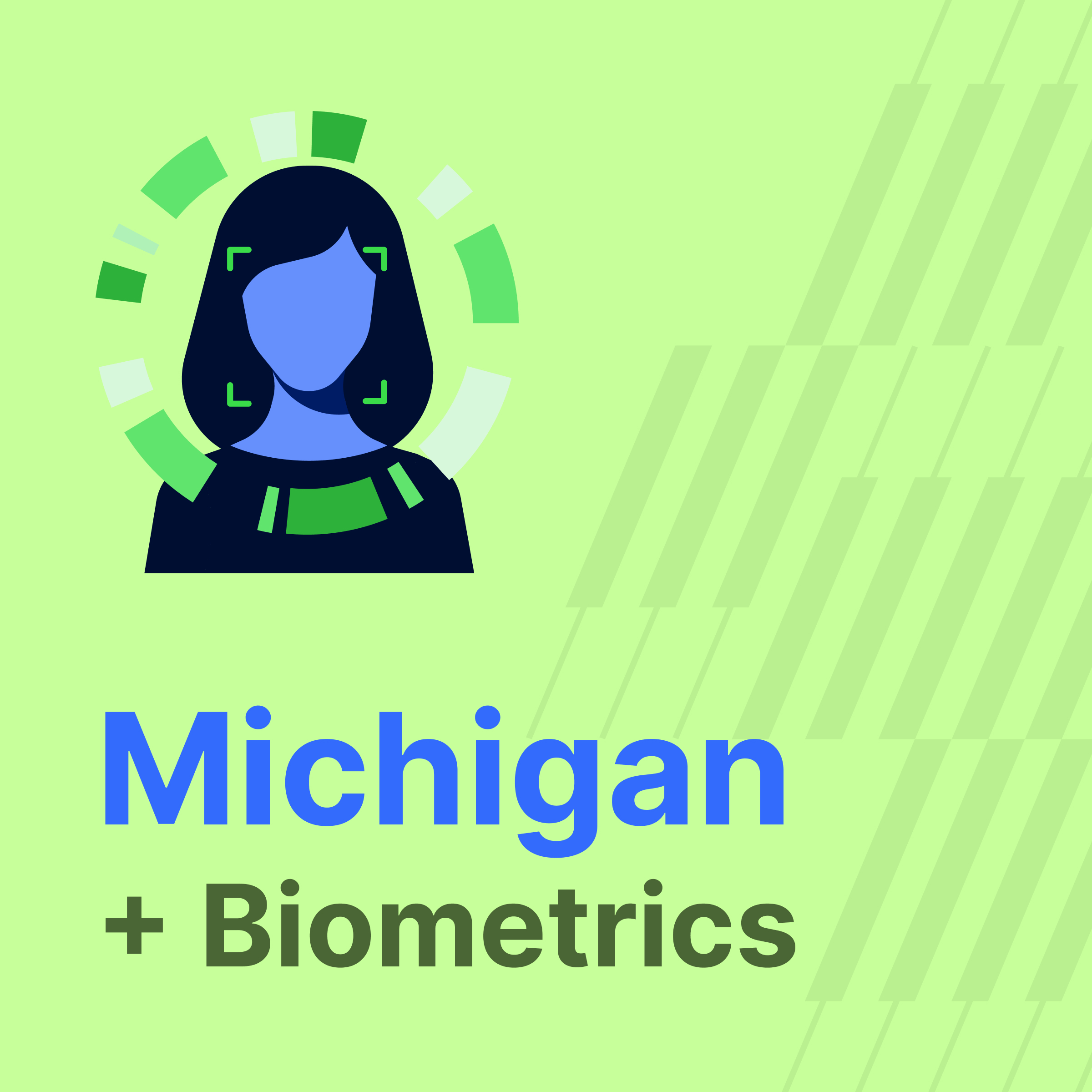
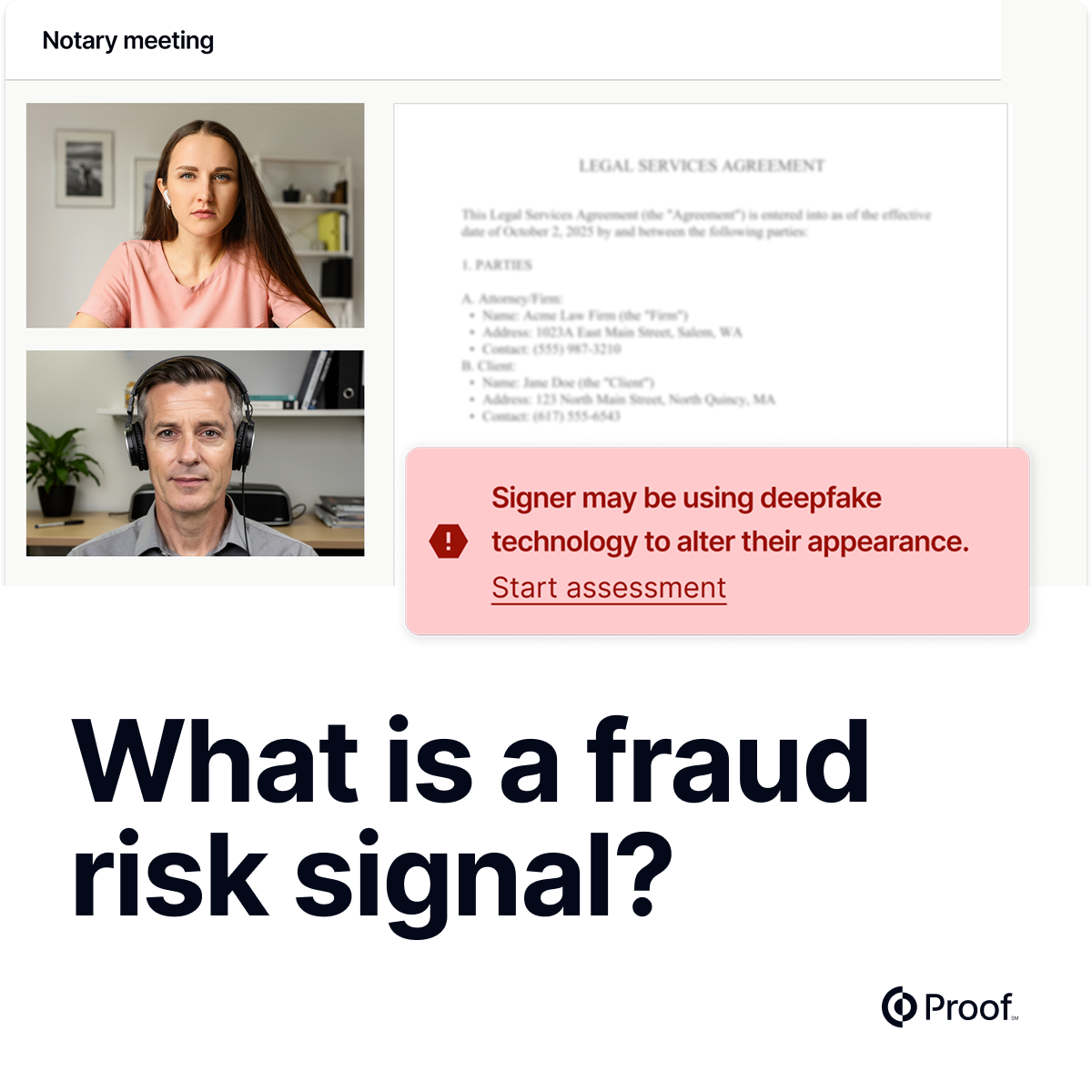
A notary's entire job is confirming that the person signing is who they claim to be. In person, that means checking a driver's license and trusting judgment built on being in the room. Online, a screen makes it easier to fake a document or coach an impostor, so the verification has to work harder. Real RON platforms pair credential analysis, running the ID through software that checks for tampering or forgery, with knowledge-based authentication or biometric facial matching, as outlined by the National Notary Association.
A platform that jumps straight from "hold up your ID" to signing has a gap that matters most on powers of attorney and real estate transfers, where impersonation is expensive.
2. A record that actually holds up later
A notarization has to be provable years after the fact, not just believable in the moment. Most state RON laws require an audio-visual recording of the entire session, an electronic journal retained well beyond the signing, and a tamper-evident digital seal on the document.
Picture a title dispute surfacing two years after closing, or a relative challenging a power of attorney. That recording and journal are what let a court reconstruct what actually happened instead of relying on competing memories. Proof applies tamper-evident, AATL-compliant digital certificates to every completed notarization, a detail worth asking any provider about.
3. A notary who is properly commissioned and fluent in the process
The license to notarize belongs to a commissioned person, not to a piece of software, and that person has to be authorized under the correct state's law and know how to handle the wrinkles that come up when a signer is out of state or overseas.
It's why notaries on Proof's own network go through NIST IAL2 identity verification and a background check before handling a live signing.
What this means for your notarizations
If a notary or platform checks all three boxes, verified identity, a durable record, and a properly commissioned professional, use it without hesitation. If it's missing even one, keep looking, especially for a home closing or a power of attorney.
If you're evaluating a provider for something that actually matters, see how Proof's notarization platform handles identity verification and the audit trail at every session.






















.jpg)



































.jpg)