The Return to In-Person Interviews Is an Admission, Not a Strategy

Updated September 16, 2026
Remote hiring opened real doors. It brought in candidates who couldn't or wouldn't relocate, cut time-to-hire for organizations that needed to move fast, and broke the geographic constraints that had quietly limited talent pipelines for decades. Companies built their hiring processes around it.
What few of them fully anticipated is what happens when the same format that made interviewing more accessible also made candidates easier to fake.
Gartner research cited by Computerworld found that 72.4% of recruiting leaders are now conducting in-person interviews specifically to combat fraud, even for roles that are otherwise fully remote or hybrid. Google, McKinsey, and Cisco have all reintroduced mandatory in-person rounds. At one major Dallas recruitment firm, in-person interview requests jumped from 5% to 30% of all engagements in a single year.
Key takeaways
- Face-swap software, voice cloning, and real-time AI coaching have made the remote interview an unreliable signal of who someone actually is. A 2026 Greenhouse report found 91% of U.S. hiring managers have encountered or suspected AI-generated interview answers.
- Physical presence solves the immediate problem of not knowing who is on camera, but it does nothing about the underlying identity gap and carries real costs for candidates and employers alike.
- The sustainable fix is a continuous identity layer that runs from application through onboarding, so the person on camera has already been confirmed against a verified identity before the interview starts.
What the reversion is actually saying
What companies bringing interviews back in person have concluded is that they cannot verify who is sitting on the other end of a video call with enough confidence to make the hire.
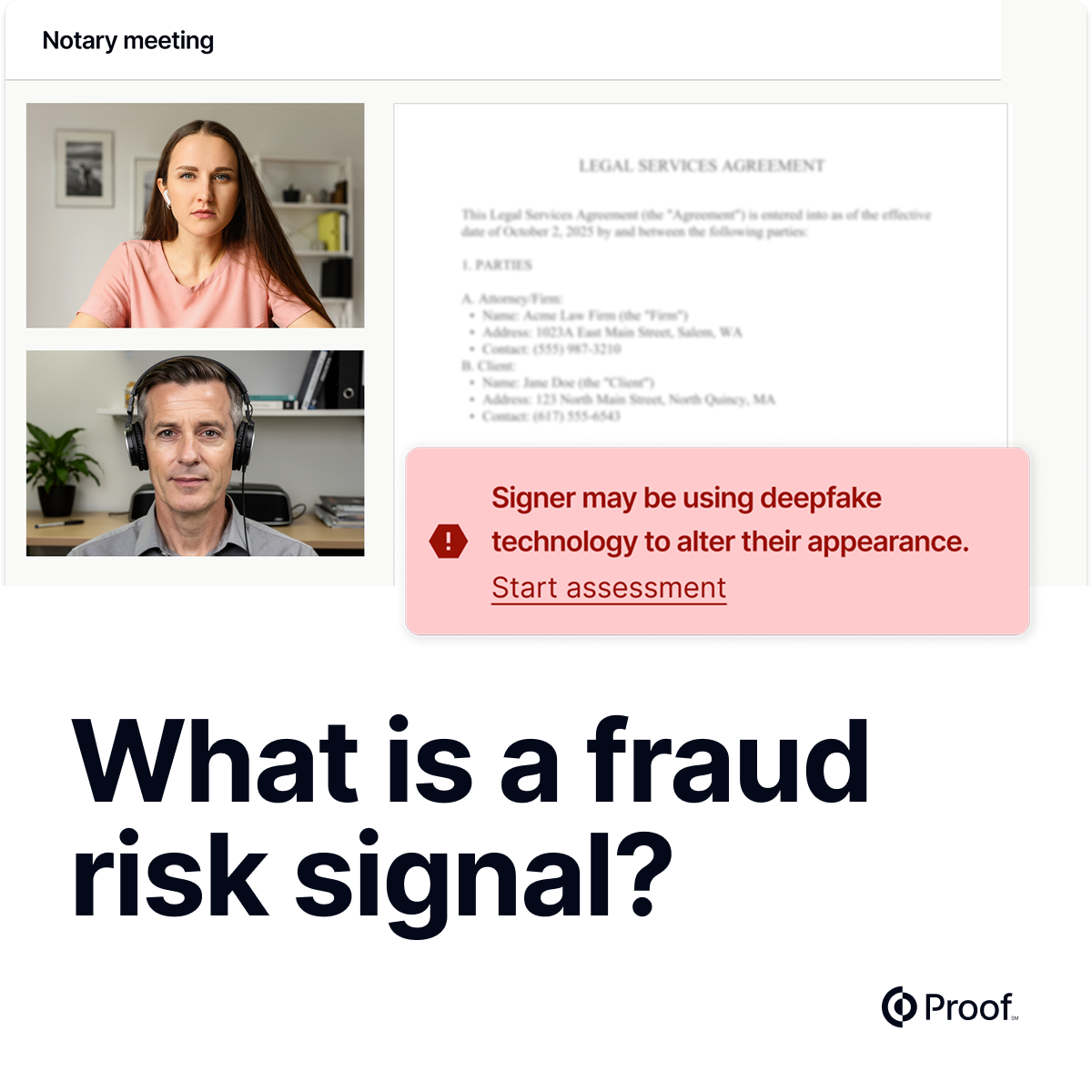
However, the remote-first format alone wasn’t the issue. What was missing underneath it was an identity layer reliable enough to make remote interviews trustworthy. A 2026 Greenhouse report found that 91% of U.S. hiring managers have encountered or suspected AI-generated interview answers during online meetings. Face-swap software, voice cloning, and real-time AI coaching have made the interview itself an unreliable signal of who someone actually is. When that verification infrastructure isn't there, physical presence becomes the workaround.
The in-person mandate is, in this sense, an admission that the remote interview pipeline has an unresolved identity problem.
Why in-person won't hold
Bringing candidates into a building solves the immediate problem of not knowing who is on camera. It does nothing about the underlying gap, and it carries real costs that fall on every candidate in the process, including the overwhelming majority who are exactly who they claim to be. Not to mention the costs on the company, paying for flights, hotels, etc. for candidates.
Requiring in-person stages for otherwise remote roles adds scheduling friction, slows time-to-hire, and excludes candidates who cannot travel to an office, whether because of geography, disability, caregiving responsibilities, or cost. It creates an uneven experience that falls hardest on the candidate populations least responsible for the fraud driving the policy. And it surrenders one of the genuine advantages that remote-first hiring created: the ability to hire people regardless of where they live.
The pressure to hire quickly and compete for distributed talent has not gone away. Organizations that have reverted to in-person stages to plug a fraud gap will feel that pressure reassert itself, and when they do, the in-person requirement becomes harder to justify. It was always a holding position.
What a trustworthy remote pipeline actually needs
The reason physical presence feels necessary is that the verification happening before the interview is not enough to answer the foundational question: is the person on this call the same person who applied, and are they who they say they are?
Answering that question reliably means building an identity layer that runs through the hiring process from the start, not a check that happens late and once.
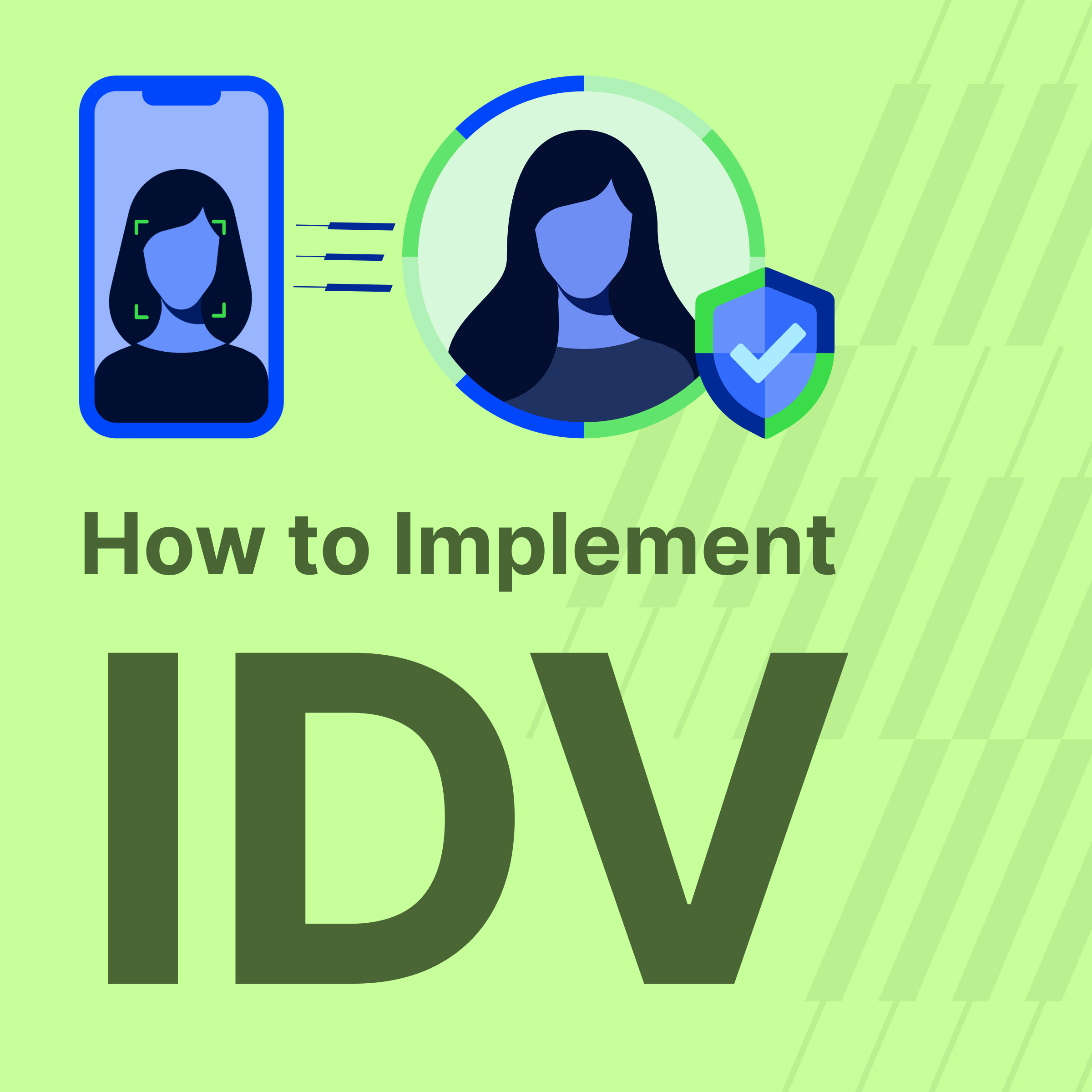
Passive identity screening at the application stage catches synthetic identity patterns and high-risk signals before a single recruiter minute is spent on a candidate. Government ID verification and liveness checks at the shortlist confirm a real human being is applying who matches the claimed identity, creating a verified record that travels through every subsequent stage. By the time an interview happens, the person on camera has already been confirmed against a verified identity established at application, and the interviewer can focus entirely on what they were hired to evaluate.
At offer and Day One, meet your new hire in a video conference gated by selfie. Selfie needs to match previous selfies and you can choose to further review identity data, ensuring consistency and accuracy. You can bring document execution into the meeting to facilitate onboarding documentation completion and I-9.
That is the infrastructure physical presence has been standing in for. Building it is what makes remote hiring trustworthy again. The 72% of recruiting leaders who have brought interviews back in person have identified the right problem - they just need the solution.
See how Proof builds the continuous identity thread from first application to I-9>
























.jpg)






































.jpg)