AI Is Industrializing "Pig Butchering." Can Dating Apps Still Prove Their Users Are Real?

Updated July 10, 2026
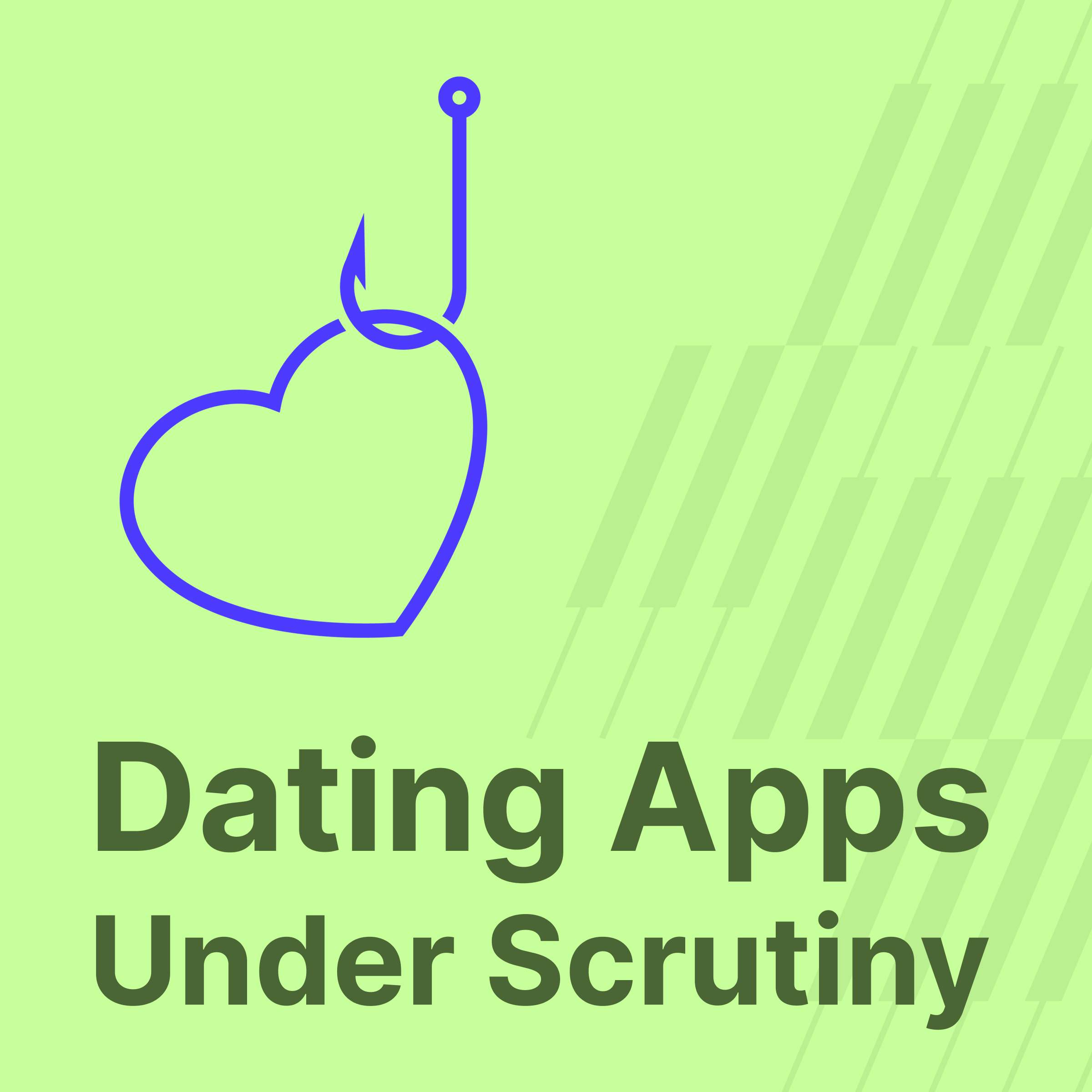
The San Francisco Standard recently detailed a chilling evolution in the world of digital connection. "Pig butchering" scams, once the domain of low-level scripts, are now being powered by sophisticated generative AI. While the public focus is often on the devastating financial losses of the victims, there is a quieter, equally dangerous crisis unfolding for the dating platforms where these scams begin.
Key takeaways
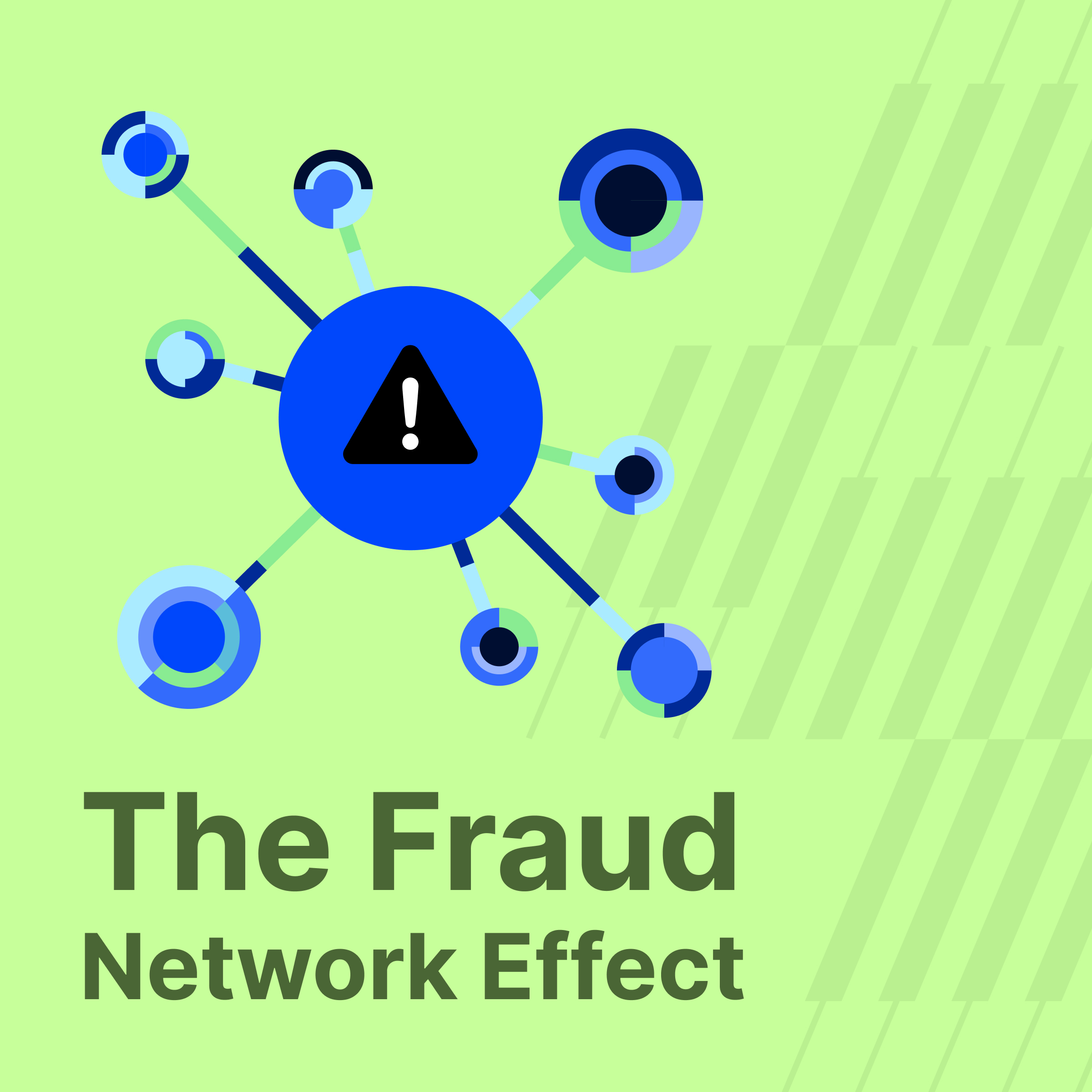
- AI has industrialized pig butchering behavior: fraudsters now use generative AI to manage hundreds of fake profiles simultaneously, mimicking human empathy and bypassing standard Trust and Safety filters.
- Dating platforms that rely on probabilistic trust signals (phone verification, photo matching, social media linking) are no longer equipped to detect these operations.
- When a million-dollar loss traces back to a fake profile on your platform, regulators don't ask about your safety policy — they ask for verifiable proof of who was behind the account.
- High-assurance identity verification, tied to tamper-evident audit records, is the only way to raise the cost of fraud high enough to change the economics for bad actors.
The end of the simple skepticism era
For years, dating apps have operated on a model of probabilistic trust. They use signals like photo matching, social media linking, or basic phone number verification to suggest that a user is who they claim to be.
While catfishing has always been a concern for users, generally speaking, simple skepticism paired with that probabilistic trust was usually enough to avoid a scam. But with the acceleration of generative AI and increasingly realistic deepfakes, those signals have become remarkably easy to fake.
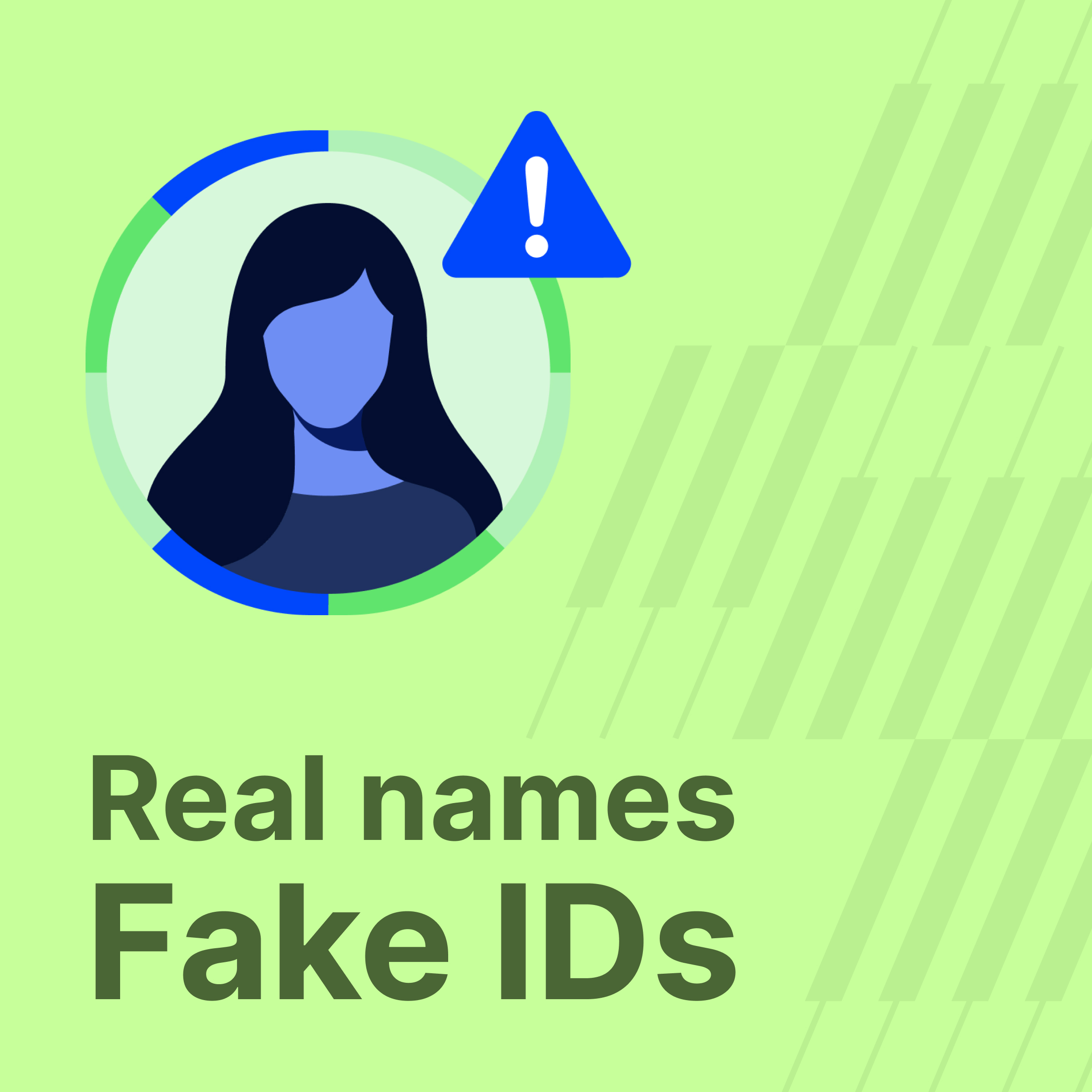
The Standard investigation highlights how fraudsters are now using AI to manage hundreds of high quality profiles simultaneously. These are no longer obvious bots with broken English and stock photos; they are industrialized operations that can mimic human empathy, respond in real time, and bypass the standard Trust and Safety filters that most platforms rely on.
When these interactions result in a million dollar loss, the scrutiny turns immediately to the platform. Regulators and legal teams are no longer asking if you have a safety policy. They are asking for proof that you knew who was behind the account before the damage was done.
The high cost of "good enough" verification
The challenge for most Trust and Safety teams is that their systems were never designed to capture high assurance evidence. Instead, they were built for growth and friction free onboarding. This created a massive vulnerability that organized crime is now exploiting at scale.
Historically, many digital workflows relied on manual processes or simple database checks. A phone conversation or an emailed form was often considered sufficient proof of life. Today, that standard is no longer holding up under regulatory scrutiny. When a platform is hit with a dispute or an investigation, the conversation shifts from the process you used to the evidence you can produce.
Most organizations then find themselves in a difficult position:
- They cannot prove who authorized an account.
- They cannot confirm whether that person’s identity was ever truly verified against a government source.
- They have no way to show if the record has been altered since the account was created.
Moving from assumptions to verifiable evidence
Most dating apps and platforms are committed to ethical user experiences and rigorous compliance. The challenge, therefore, is the evidence itself.
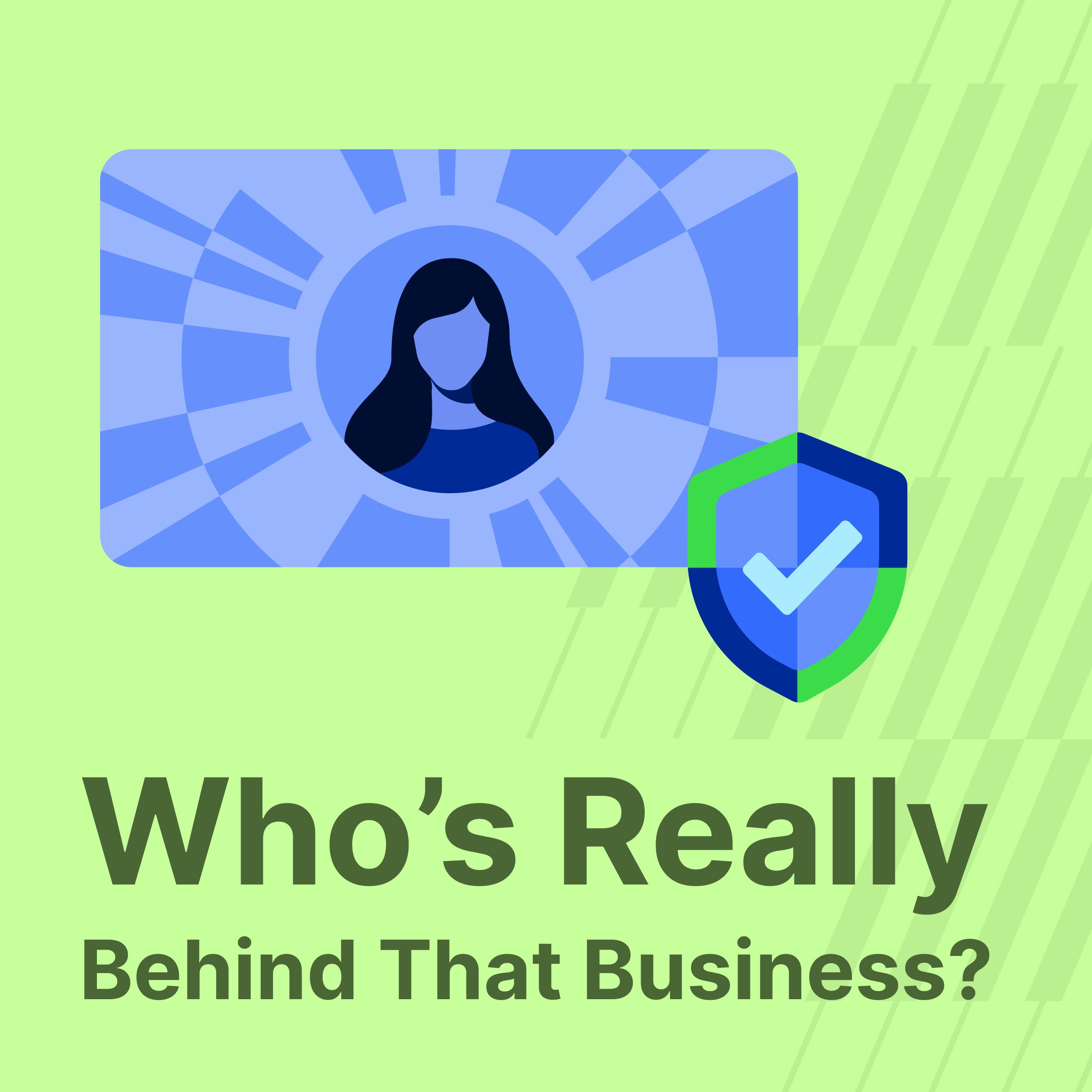
Investigators do not want to know if your team believes a profile is legitimate. They want a verifiable record that connects the identity of the person to the device they used and the exact time the authorization occurred.
This is the gap where Proof fits.
Instead of relying on forms or assumptions, the identity of the person taking the action is verified up front. This verified identity is then tied directly to key workflows, such as account creation or high stakes interactions. Each action creates a secure, tamper evident record showing who authorized the decision and when it happened. And in the end, identity signals, device information, and timestamps are captured together.
This creates a clear audit trail that can stand up to scrutiny from regulators, auditors, or investigators.
Why this matters for the bottom line
This approach does more than just stop a single scammer. It changes the economics of fraud.
When a platform requires a verified, high assurance identity to operate, the cost for a fraudster to manage hundreds of fake profiles becomes prohibitive. By raising the bar for entry, platforms can protect their legitimate users without slowing down the core experience of the app.
Dating platforms are currently at a crossroads. They can continue to rely on traditional documentation that was never designed to stop AI, or they can establish a new operational requirement. The ability to demonstrate trust is becoming as important as the ability to facilitate a connection. The providers that can produce clear, verifiable authorization records will be in a much stronger position when scrutiny arrives.
The era of assuming a profile is real is over. Instead, the priority has shifted to proving that your organization has implemented the highest possible standards for verification. Protecting the integrity of the platform requires more than just a policy. It requires a permanent, verifiable record of every identity you've allowed into your community.
Request a demo to see how Proof verifies account identities >





















.jpg)































.jpg)