Wigs, Fake IDs, and $19.8 Million in Loans: What the NFL Impersonation Scam Means for Lenders

Updated July 9, 2026
On April 1, 2024, representatives from Sure Sports and Aliya Sports Finance set up a video conference at the Ritz-Carlton in New York City to close a $4.4 million loan with Xavier McKinney, safety for the Green Bay Packers. The man who showed up was Luther Davis, a former defensive end at the University of Alabama, wearing a disguise and presenting a fake driver's license. Davis and his alleged co-conspirator, CJ Evins, had flown in from Atlanta specifically for the occasion.
They signed the paperwork and walked away with $4.4 million that the real Xavier McKinney never authorized.
According to federal court documents filed last month, this was one of at least 13 fraudulent loans totaling more than $19.8 million that Davis and Evins allegedly orchestrated between May 2023 and October 2024. The identities they used belonged to three NFL players: Atlanta Falcons quarterback Michael Penix Jr., former Cleveland Browns tight end David Njoku, and Green Bay Packers safety Xavier McKinney.
None of the players had authorized the loans or had any knowledge of the accounts and companies created in their names.
Key takeaways
- Luther Davis and CJ Evins pleaded guilty to orchestrating at least 13 fraudulent loans totaling more than $19.8 million by physically impersonating NFL players Michael Penix Jr., Xavier McKinney, and David Njoku at loan closings.
- The scheme succeeded because lenders relied on document review and visual confirmation — neither of which constitutes verified identity. A wig, makeup, and a fake driver's license were enough to close millions in loans.
- Lenders extending capital against real earning potential need identity assurance that goes beyond what someone presents at closing — biometric verification, real-time DMV checks, and tamper-evident audit trails are the controls that close this gap.
- This fraud ran undetected for more than 17 months across 13 transactions, which means the problem isn't just the initial closing — it's the absence of any identity layer capable of catching impersonation in progress.
How the scheme worked
The operation was built on fabricated documentation and physical impersonation.
Davis and Evins created fake personal financial statements, Secretary of State documents, and bank statements for shell companies registered to sound like they belonged to each player. They opened fake email accounts to initiate contact with lending agencies, then Davis would appear in person or on video, dressed in a wig, makeup, and a physical disguise, carrying fraudulent government-issued ID, to close the loans.
In one transaction, Davis allegedly impersonated Njoku over a recorded video conference to close a $4 million promissory note with Aliya Sports Finance and underwriter Sure Sports. The real Njoku never held a Georgia driver's license. The license number Davis provided belonged to a woman in Savannah, Georgia.
In another transaction, Davis allegedly appeared as Penix at a SpringHill Suites in Buford, Georgia to close a $3.3 million loan with All-Pro Capital Funding, wearing a durag-style head covering and presenting a fake Florida license with a photo pulled from the internet.
Plea hearings for Davis and Evins are scheduled for today, April 27.
The vulnerability every lender should recognize
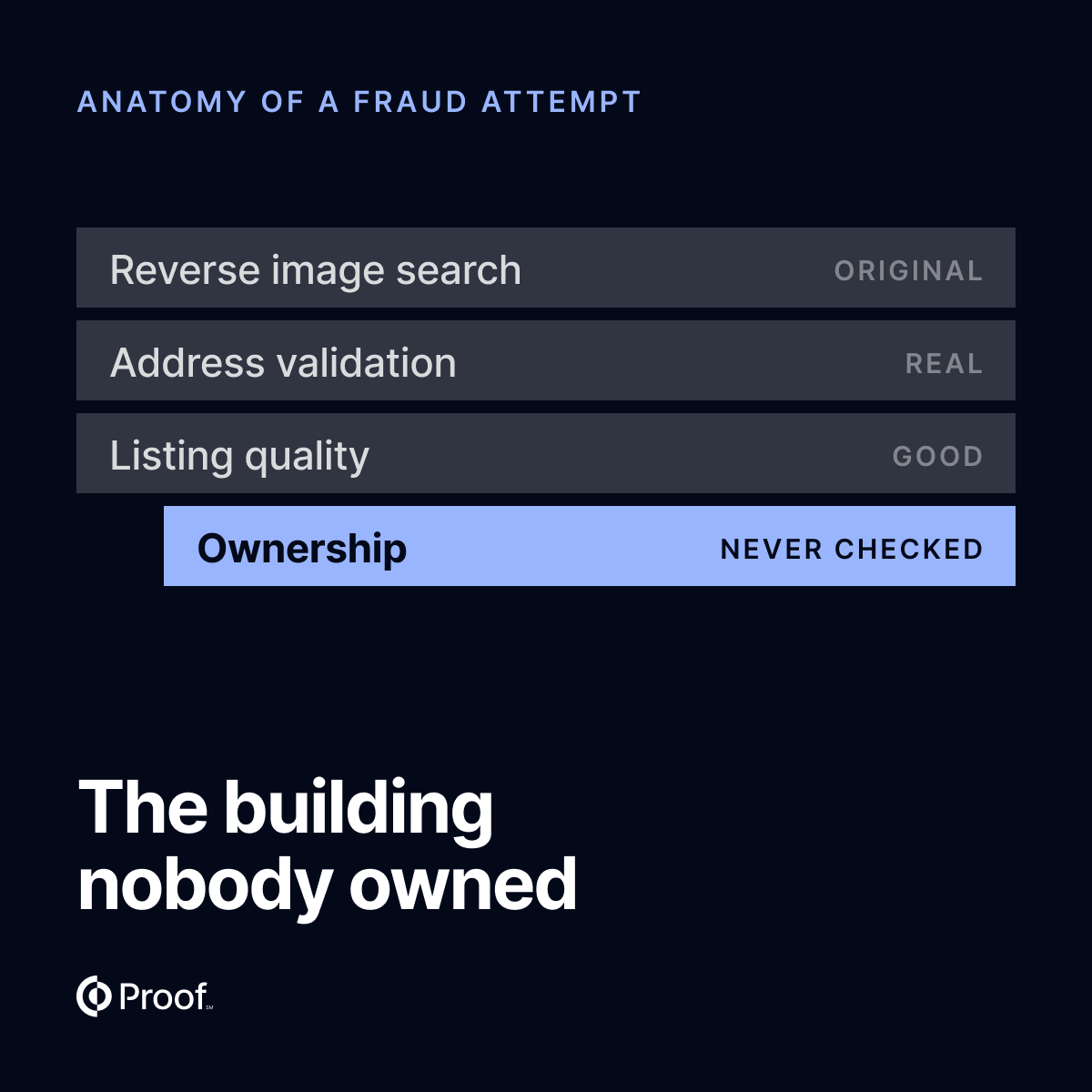
The mechanics of this fraud are less bizarre than they might appear. Document review and visual confirmation do not constitute identity verification. A fake driver's license, a fabricated financial statement, a manufactured company filing…none of these require sophisticated resources to produce anymore.
When lenders evaluate what a person presents at closing rather than who that person is, the process has a fundamental gap that physical disguises and fabricated paperwork can both exploit.
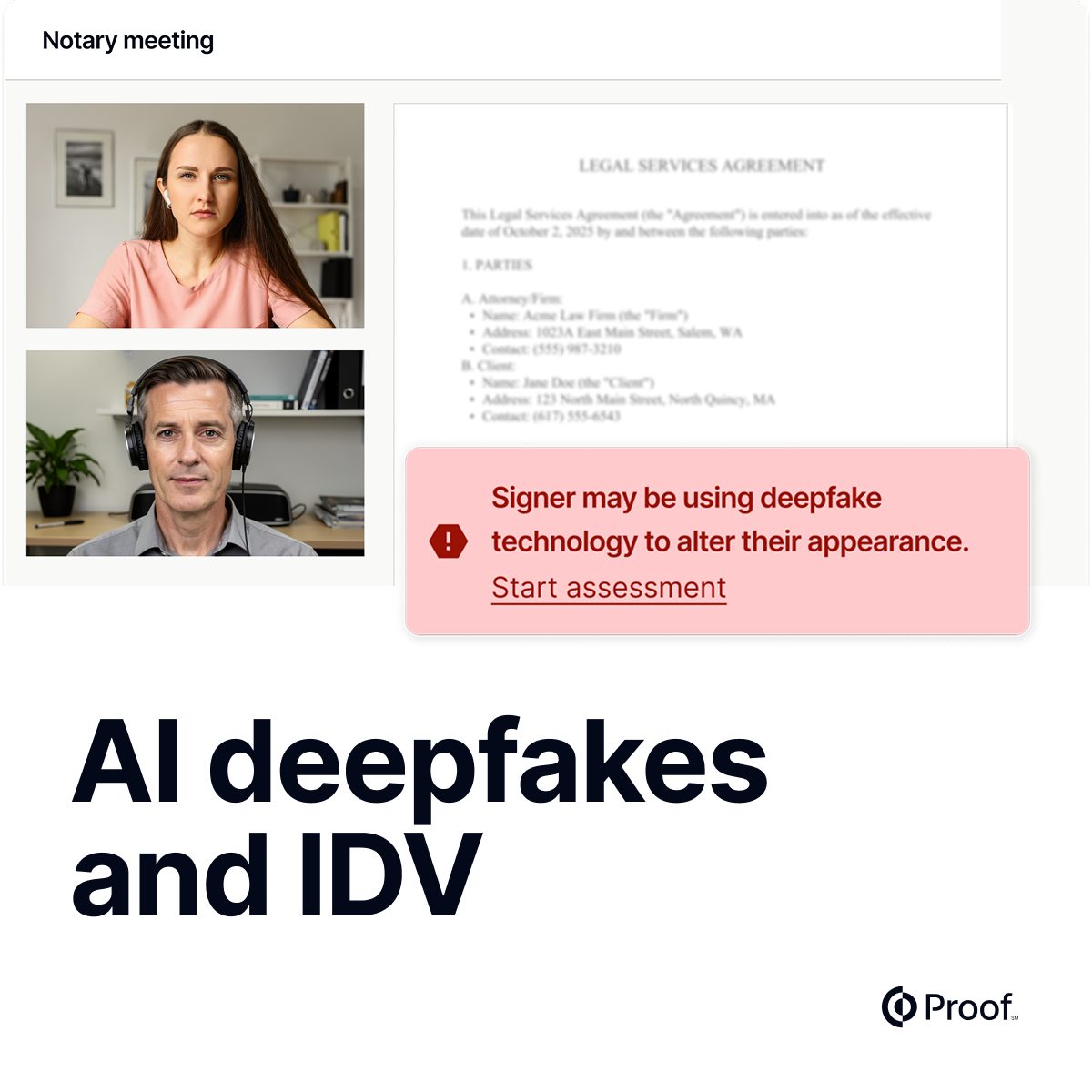
What Davis and Evins allegedly did in person with wigs and fake IDs, other fraudsters accomplish digitally with deepfakes, AI-generated documents, and stolen credentials. The lenders in this case followed standard closing procedures, conducted video conferences, and reviewed documentation.
They were still defrauded of nearly $20 million across 13 transactions, because those procedures were not designed to establish verified identity in the first place.
How Proof secures transactions
Proof is an identity-centric security platform built to protect the most critical transactions in the economy. For lenders, that means ensuring every person who signs a loan is verifiably who they claim to be, before a single dollar moves.
Here is how Proof would have caught a scheme like this:
- NIST IAL2 identity verification: Proof meets the highest national standards for identity assurance. Signers are required to capture a government-issued ID and a real-time biometric selfie. The system compares the two and confirms the person signing is the legitimate holder of that identity, not someone in a wig with a fraudulent license.
- AAMVA integration: Proof verifies U.S. driver's licenses in real time directly against DMV records. The fake Georgia license Davis presented, issued to a woman in Savannah, would have failed that check immediately.
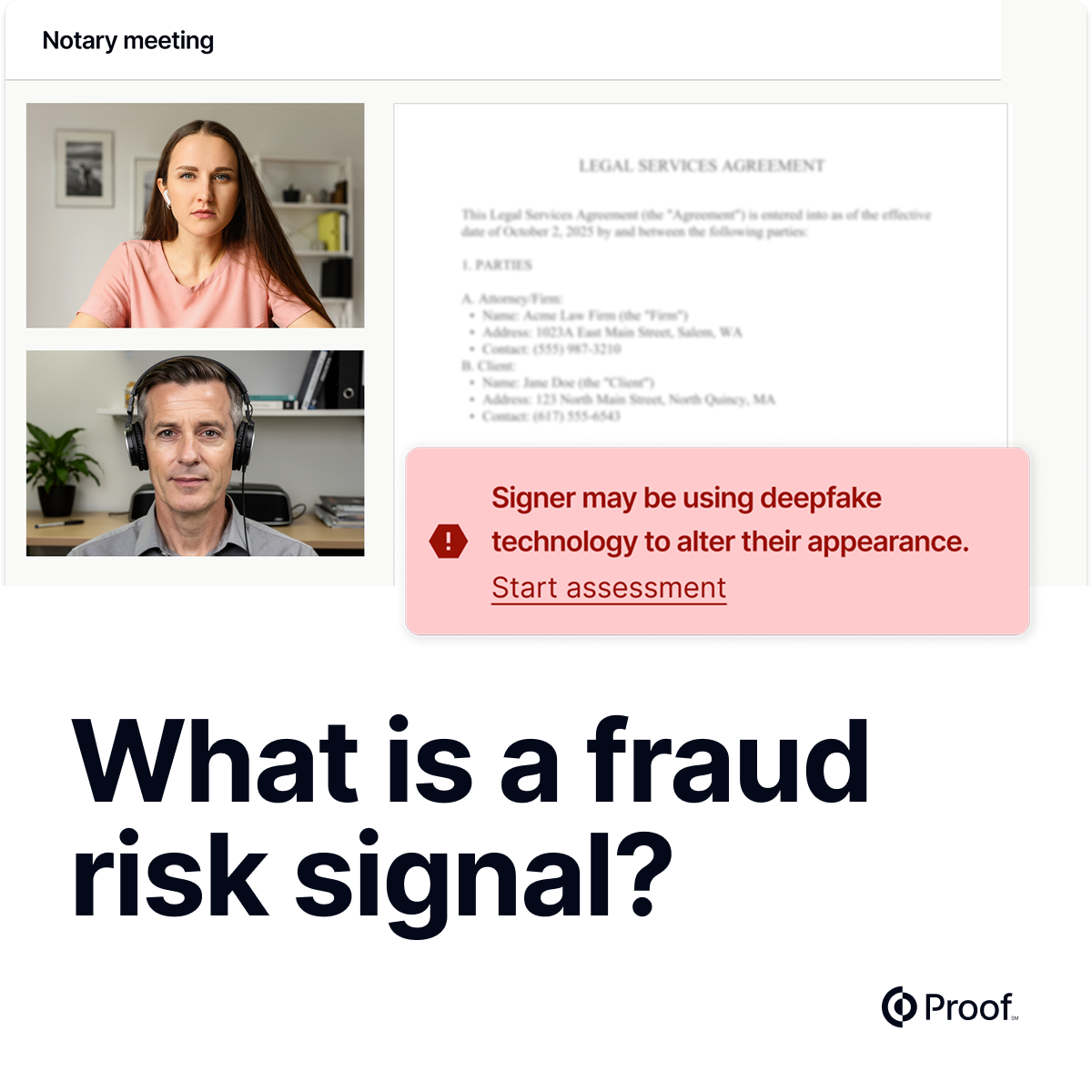
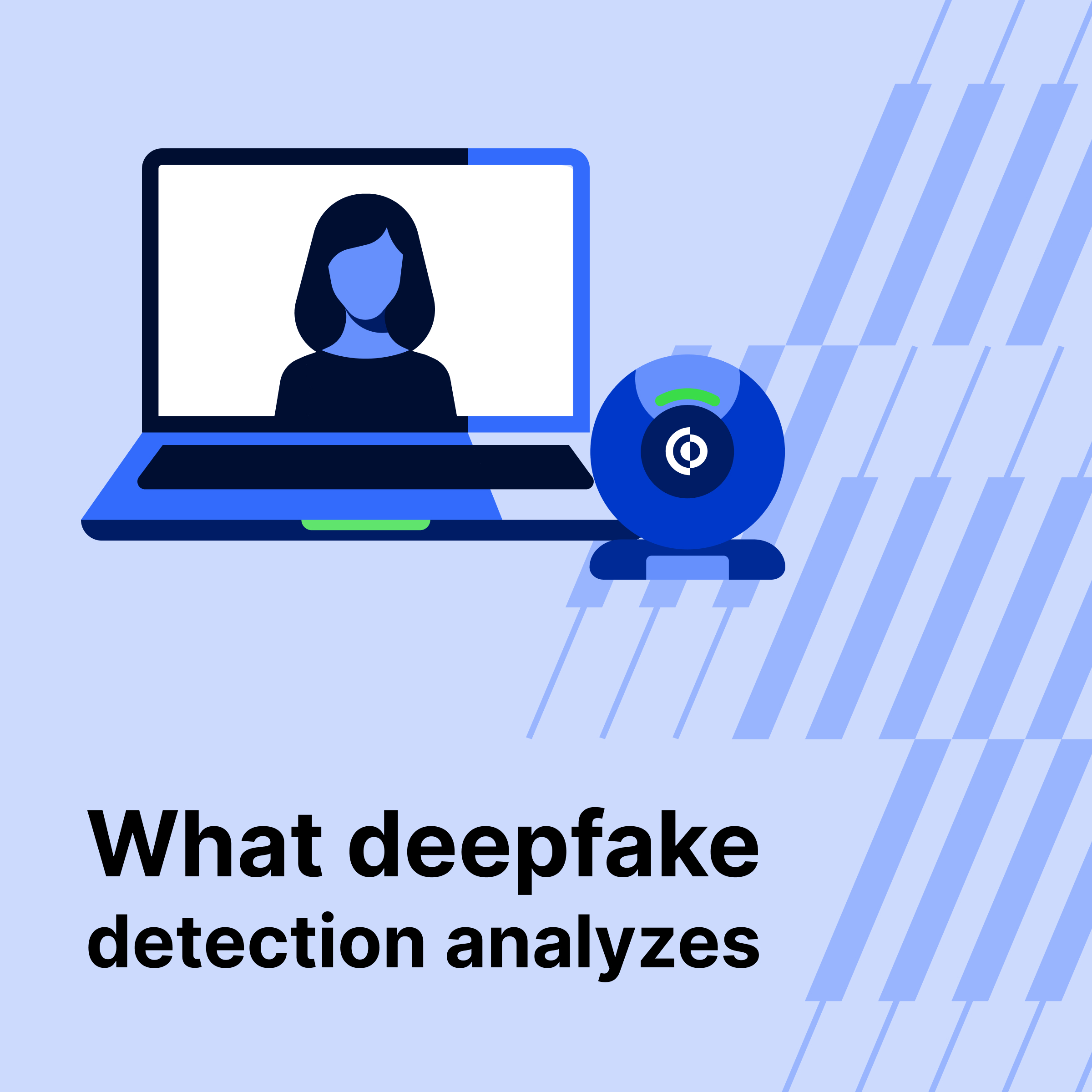
- Liveness detection: Proof uses AI-powered liveness detection to confirm that the person on the other side of the screen is physically present and real. Wigs, heavy makeup, and disguises do not pass a biometric comparison to the ID photo on file.
- Human-in-the-loop verification: For high-value or high-risk transactions, Proof can route signers to a live Trusted Referee, a trained identity professional who verifies identity face-to-face over secure video. That human layer exists for exactly the transactions where the stakes are too high to rely on document review alone.
- Tamper-evident audit trail: Every Proof transaction generates a cryptographically sealed audit record documenting who signed, when, from where, and with what verified identity. That record is legally defensible and immediately available if a transaction is ever challenged.
The bottom line
Lenders extend real capital against real earning potential, and that exposure warrants identity assurance that goes beyond what someone presents at closing.
The Davis and Evins case is a clear illustration of what happens when it does not: 13 loans, nearly $20 million, and a fraud that ran for more than a year before it was detected.
Lenders cannot afford to find out their counterparty was wearing a wig.
Schedule a demo with our team before the next impersonation scheme enters your loan pipeline >































.jpg)









































.jpg)