An AI Just Passed the Video Turing Test. Who's on Your Next Call?

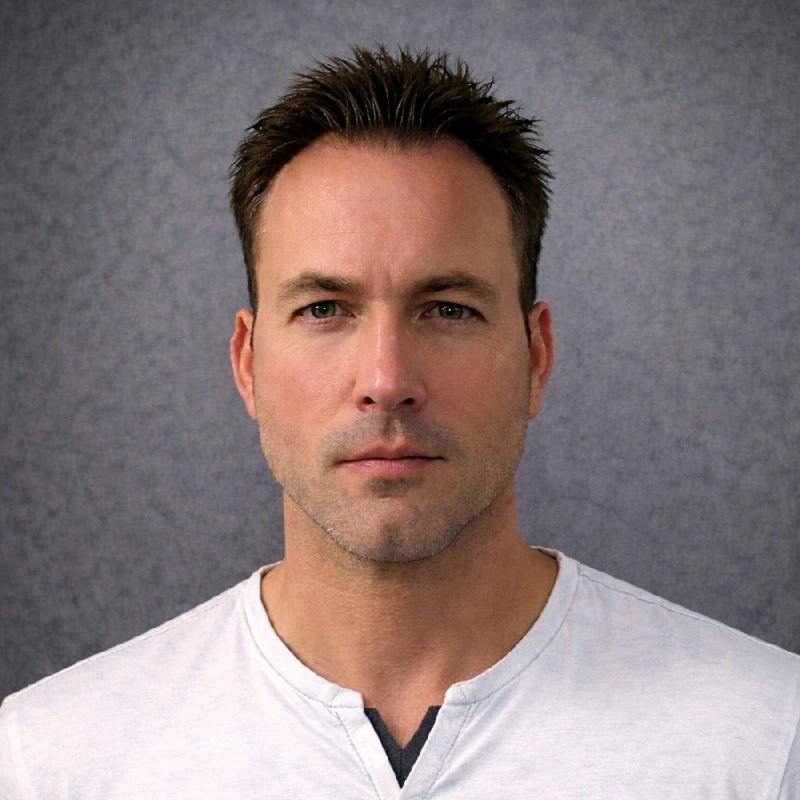
On October 1, the AI video company Tavus introduced Griffin, a real-time model it describes as the first to pass the video Turing test. By the next day, the announcement had been viewed more than 14 million times.
The claim comes from a study Tavus ran itself. Fifty-four people joined what they were told was a one-minute video call with another study participant, and 26 of them, or 48%, came away convinced they had been talking to a real person. Nobody told them otherwise until the survey at the end. When Tavus ran the same test on its previous system, 1 participant out of 41 was fooled.
Griffin is only available as a limited research preview for now. Tavus says it is holding the model back from customers while it works on disclosure and safety features, because the realism that makes Griffin useful could also be used to deceive people. That warning lands hardest on the teams who treat a live video call as the moment they decide to trust someone.
Where video calls carry the weight
Think about the last time a recruiter on your team had doubts about a remote candidate. The usual fix is a camera-on interview, because it's hard to fake a person in real time. Help desks rely on the same logic when a caller who wants an MFA reset can't answer their security questions, and fraud teams rely on it when a customer asks to add a new payee from a device they've never used before. Get them on video and see who shows up.
For a long time, that reasoning held up well. Tavus's previous system was already a commercial product, and in the same blind test it convinced only 2.4% of people.
Griffin was built to do what that system couldn't. According to Tavus, it listens and speaks at the same time, so you can interrupt it mid-sentence and it adjusts, and it reacts with expressions and hand gestures while you're talking. Its average response latency is 0.43 seconds.
What the study says about human judgment
The participants in Tavus's study behaved the way most of us do on a call. More than half never considered that they might be talking to AI, and the ones who did grow suspicious usually made up their minds within the first 20 seconds.
Your recruiters and analysts bring far more skepticism to a call than a study participant chatting about their plans for the year. They are still being asked to make an identity decision from a face and a voice, and Griffin shows how convincingly both can now be generated. Training helps people recognize the fakes they've seen before, but it has limited reach against a model designed from the ground up to pass a live conversation.
Someone absorbs the loss
When a fake gets through a video check, the cost lands on real people. North Korean IT workers have used face swaps to get through remote job interviews and then draw paychecks from inside the companies that hired them. A help desk agent who resets credentials for a convincing caller can hand an attacker an executive's account without realizing it. A bank customer can discover that a payee they never approved was added after someone who looked exactly like them confirmed it on camera.
In each of those cases, an employee followed the process their company gave them, and the process trusted a face on a screen.
What a video check needs to prove
Video remains one of the strongest ways to confirm identity remotely, because it puts a trained person in front of the person being verified. Griffin raises the bar for what that call has to establish: that the person on camera matches a real government ID, in a session that is actively checking for synthetic media, with a recording you can return to if the decision is ever questioned.
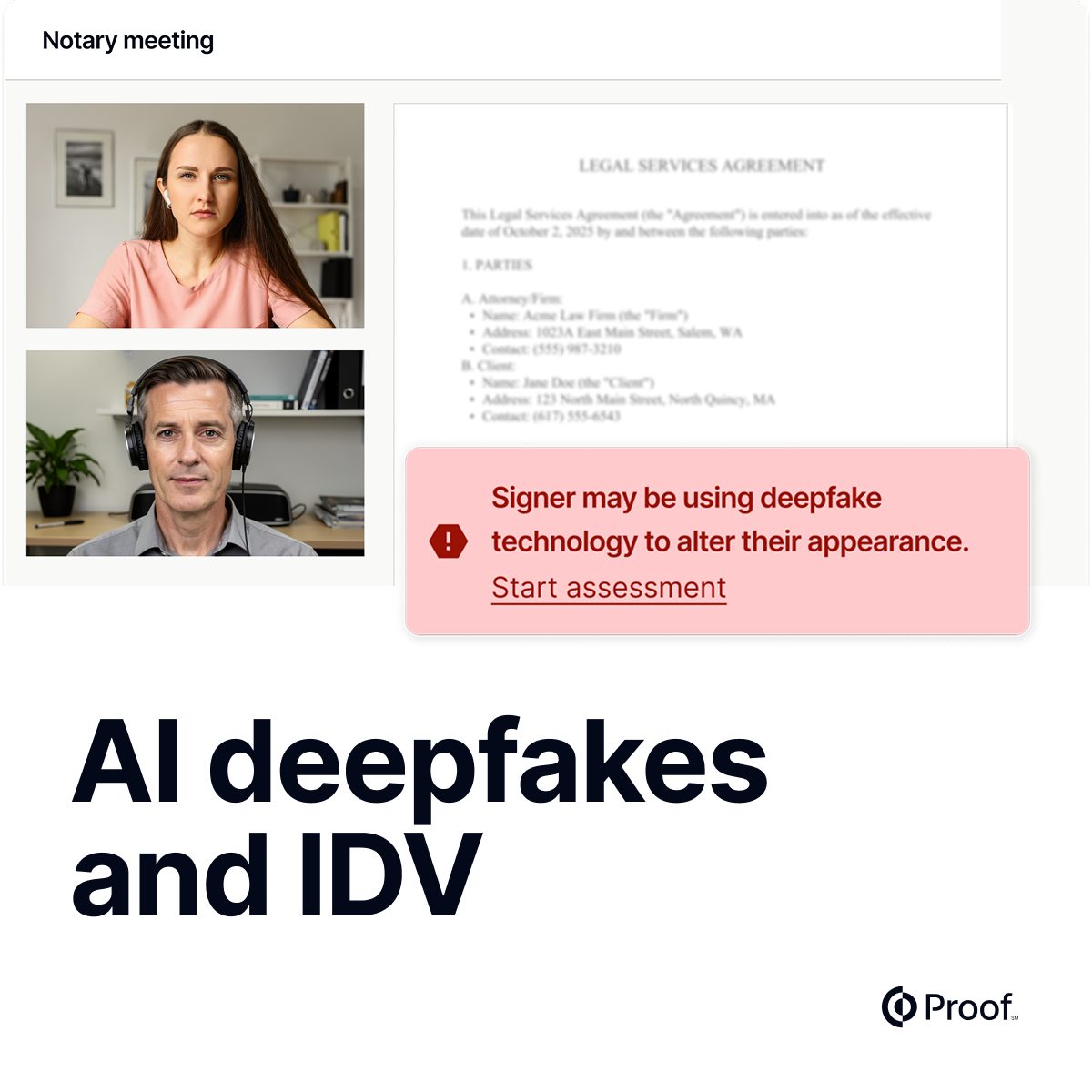
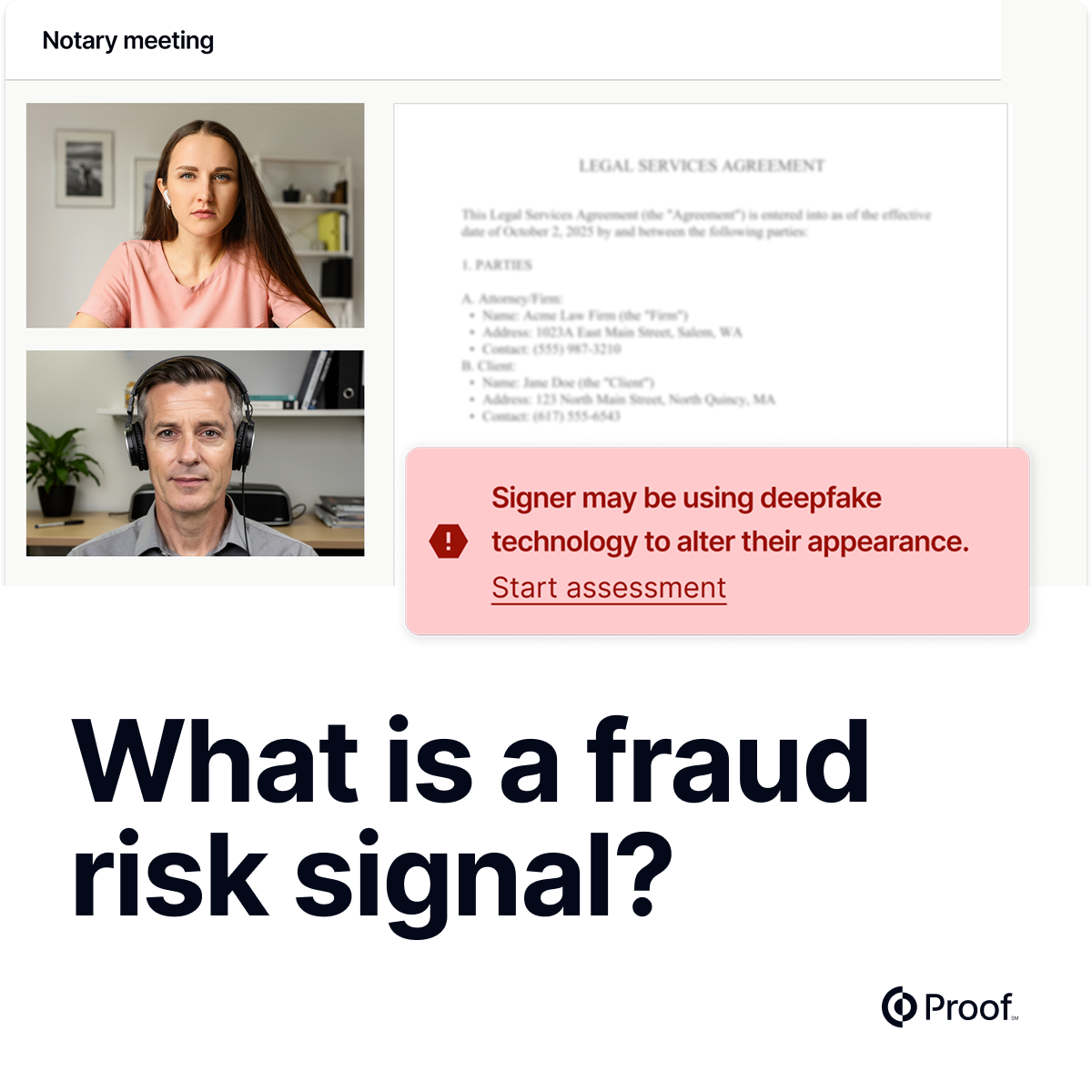
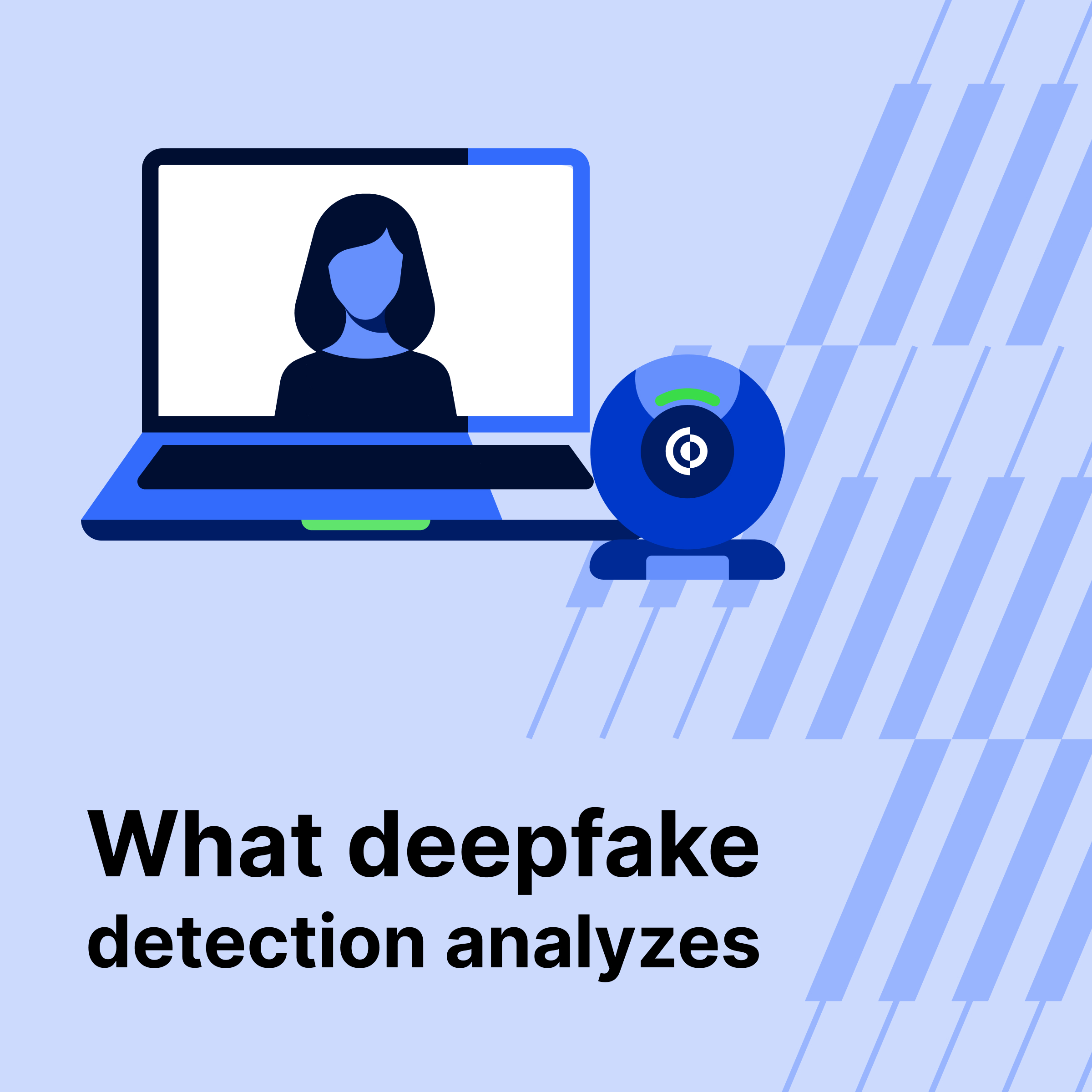
Proof Verify is built around that standard. A trained identity agent meets the person on secure video and compares their ID against their live face, while deepfake analysis checks the video feed for face swaps and AI impersonation. The session is recorded, and your team gets a risk score it can act on. In hiring, the same live check can run before an offer goes out, with deepfake detection running in real time. Proof holds NIST IAL2 certification from the Kantara Initiative.
It's fair to ask why another video call should be trusted when Griffin was built to win them. Griffin can hold up its end of a conversation, but to get through Verify it would also have to survive a biometric match against a real ID and deepfake analysis of the video feed at the same time, in front of an agent whose job is to catch exactly that.
Before the next model arrives
Tavus has chosen to keep Griffin in a limited preview while it builds disclosure tools. Fraud rings are unlikely to extend the same courtesy once similar capabilities reach them, and remote hiring and high-risk account changes are obvious places for them to start.
If a face on a video call is still the final word anywhere in your workflows, now is a good time to find out what that call is actually checking.
If you'd like to see how Proof Verify confirms the person behind the camera, you can book time with our team here.





















.jpg)


































.jpg)