What Replaces KBA in the Call Center

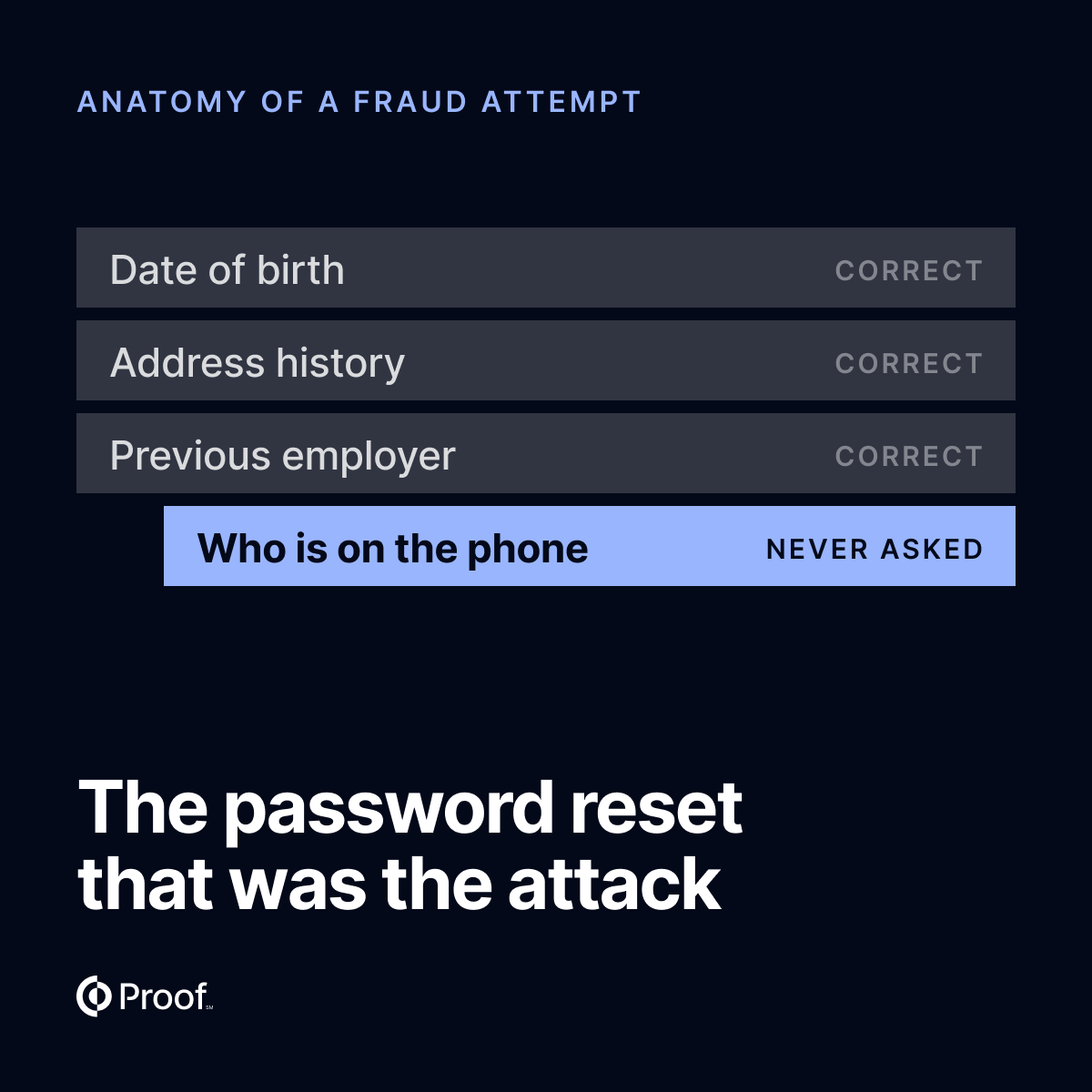
NIST's current digital identity guidelines say knowledge-based verification "SHALL NOT be used for identity verification." Yet, many bank IVRs still ask for a date of birth, the last four of a Social Security number or a PIN before they'll talk about the account.
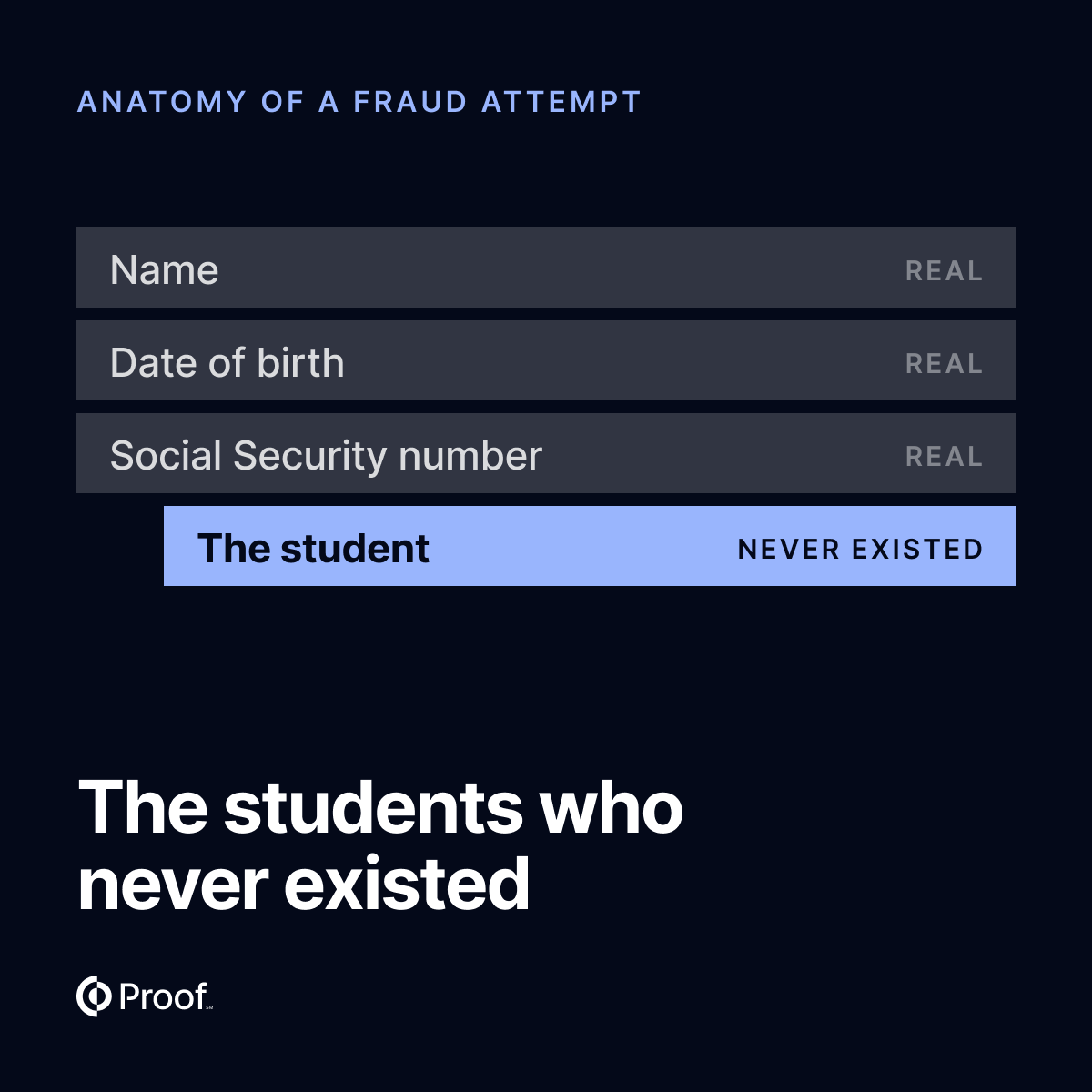
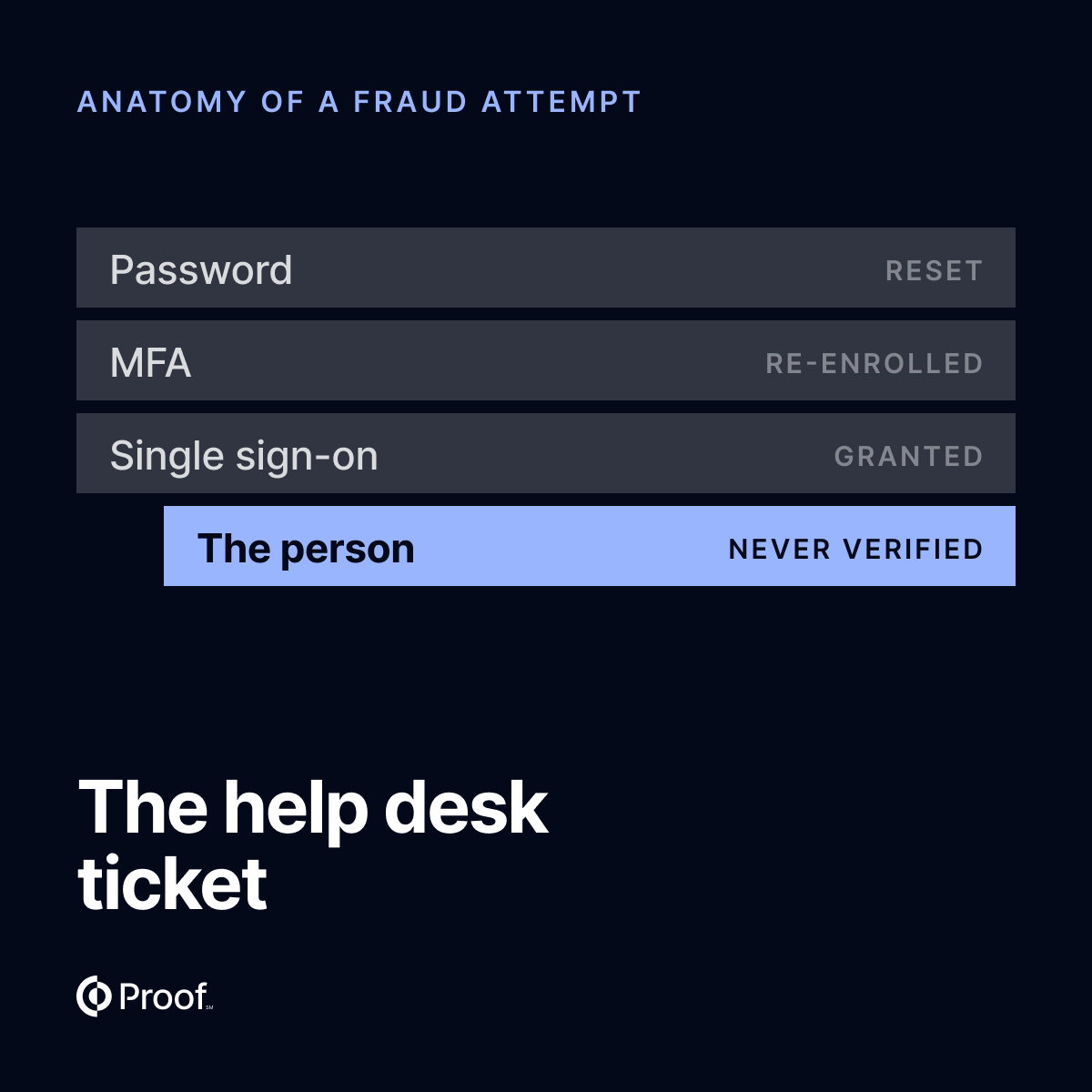
Those questions only check whether the caller knows the answers, and a lot of callers who aren't the customer know them now. People reported losing $3.5 billion to imposter scams in 2025, per the FTC. The person giving the right answers might be a fraudster with stolen details, a bot that has phoned the same IVR again and again to learn them or an AI agent the customer handed them to on purpose.
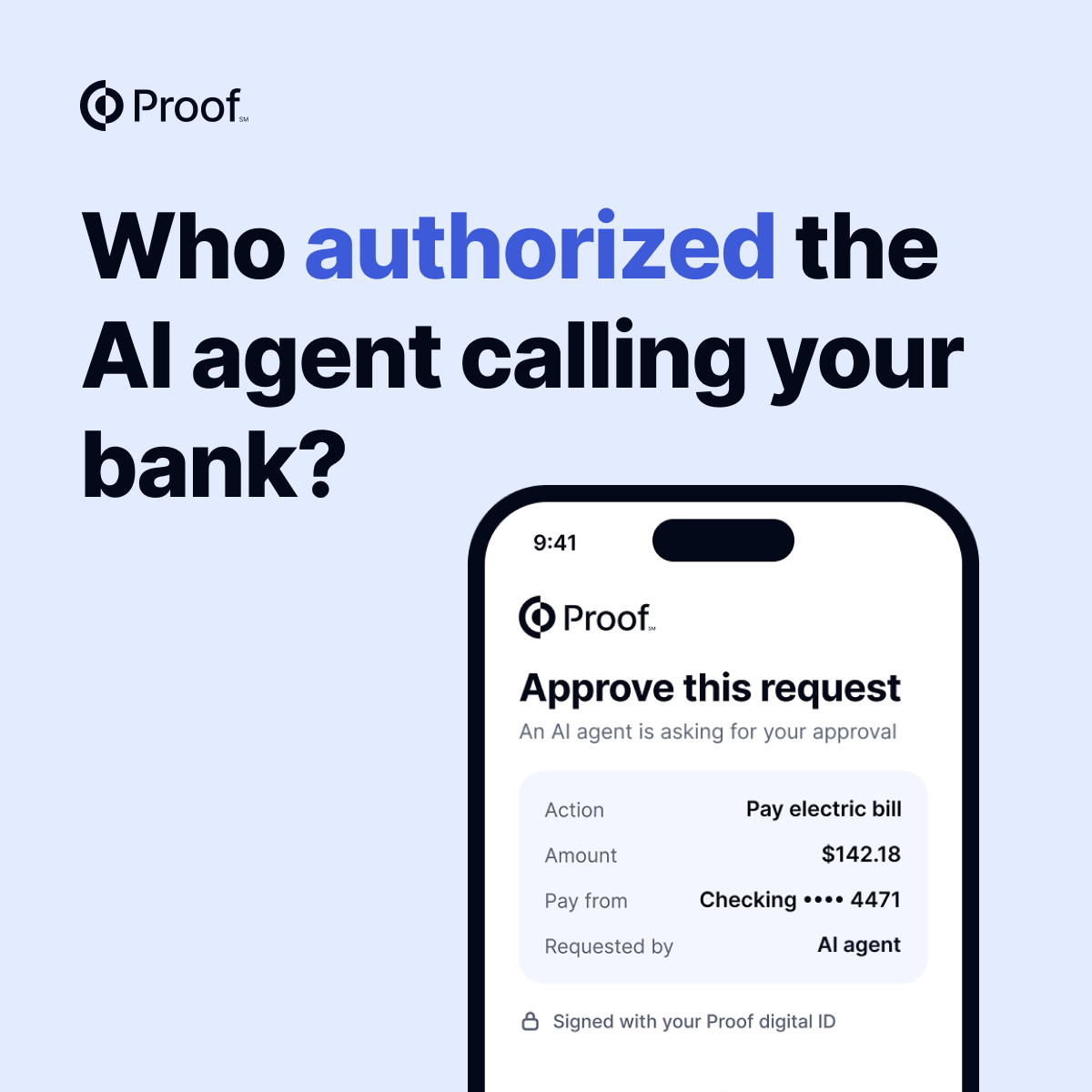
For requests that move money or change who controls the account, banks need to replace those questions with the customer's signature on the specific request, given on their own phone.
Why the answers stopped meaning much
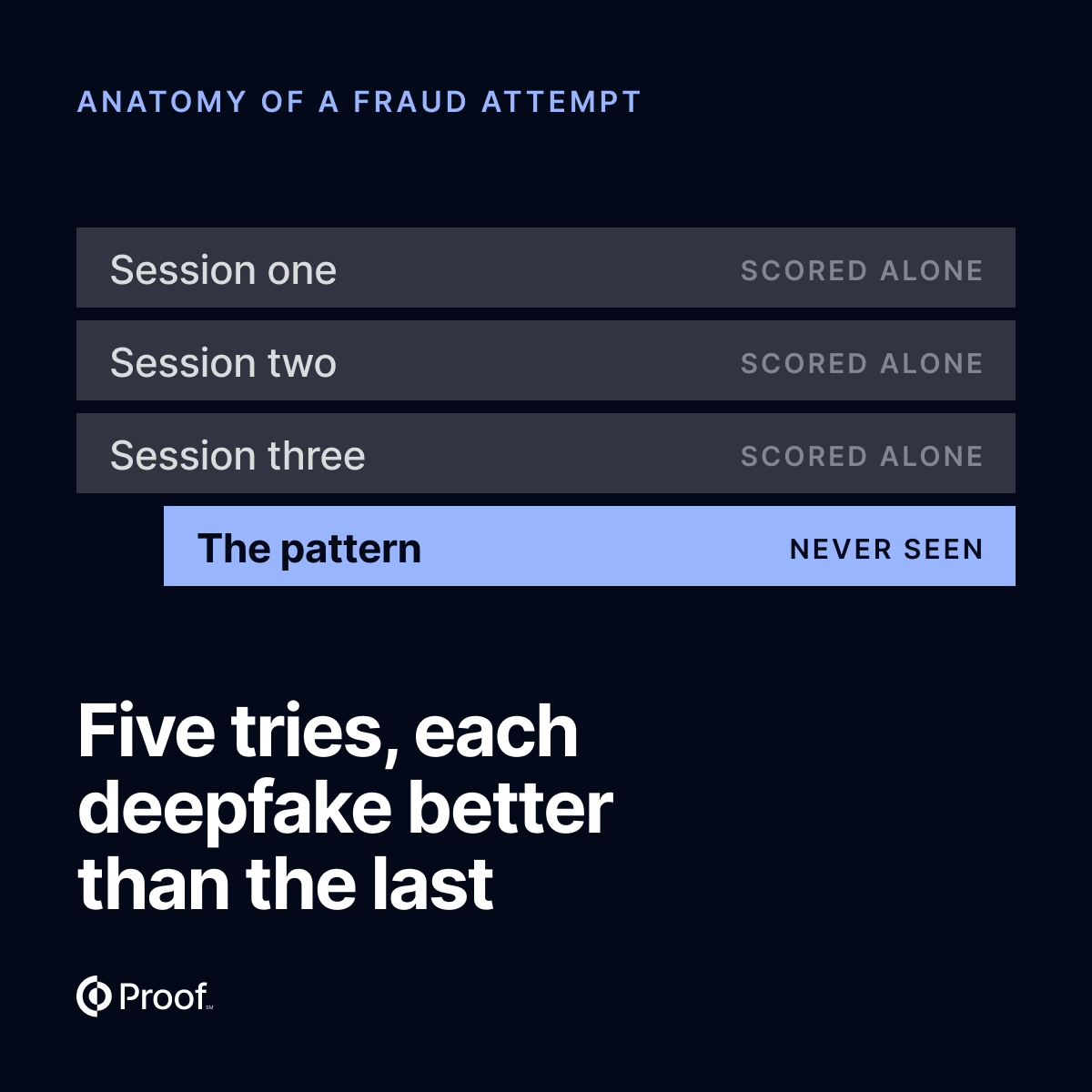
Fraud teams at large banks tell us some of the bot traffic in their IVRs is reconnaissance, with the same bot calling back to learn a little more about thresholds and policies each time.
When a customer gives an AI agent their login, the agent can read the code the bank sends. In its October point of view on customer agents, Liminal notes that a passcode proves someone controls the inbox and says nothing about whether a person is there. Callbacks don't solve it either, since a callback to the number on file reaches whoever controls that number today.
Ask for something a bot can't learn
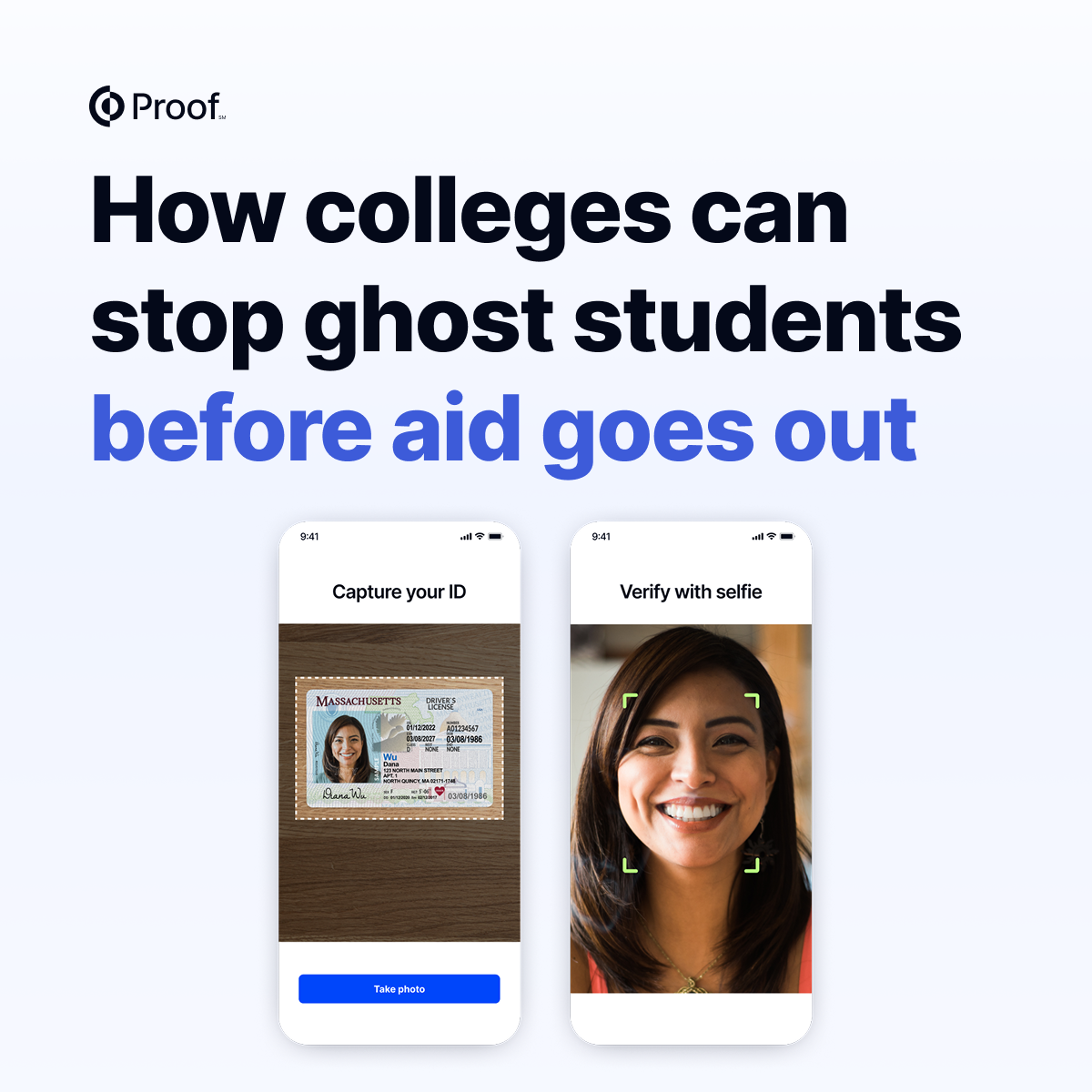
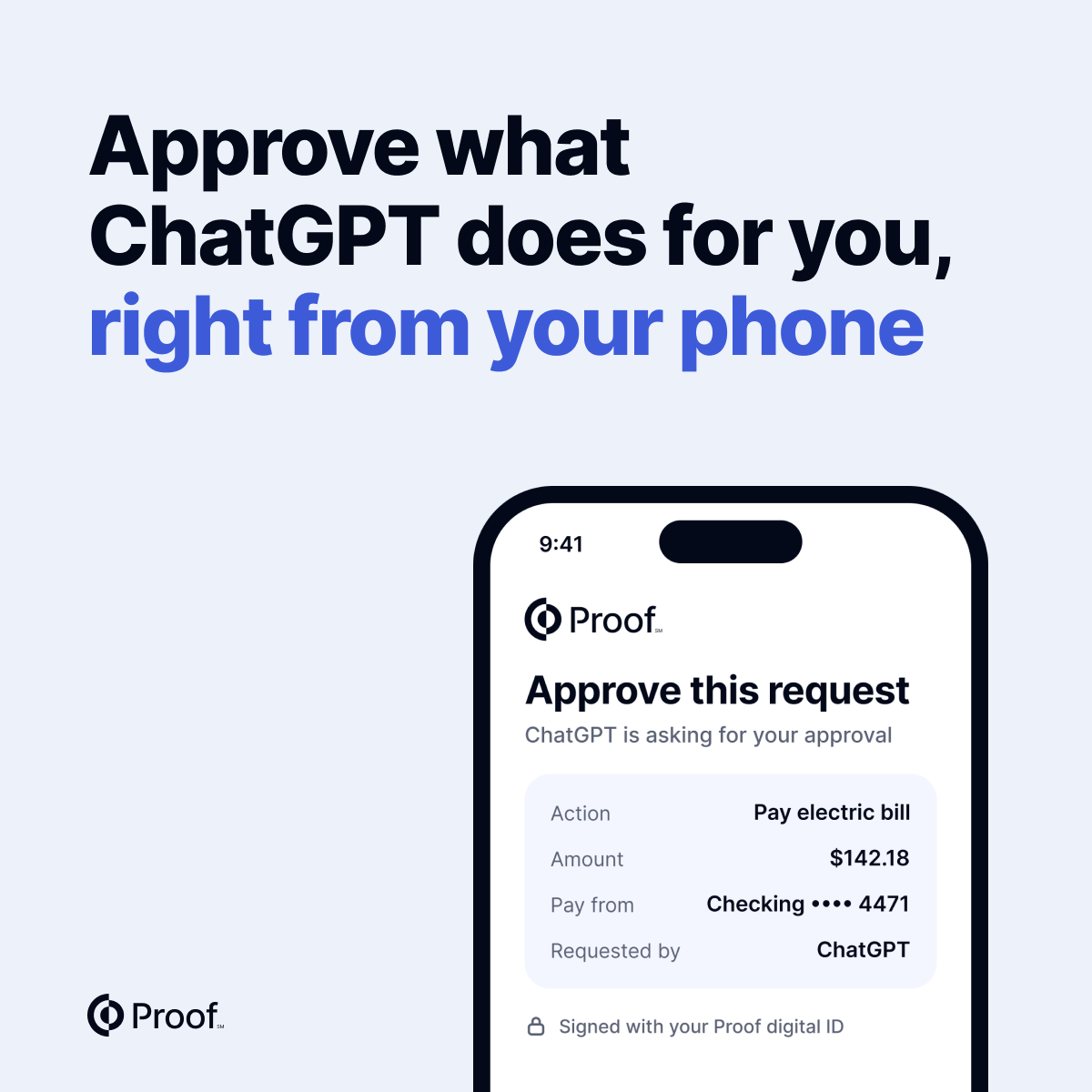
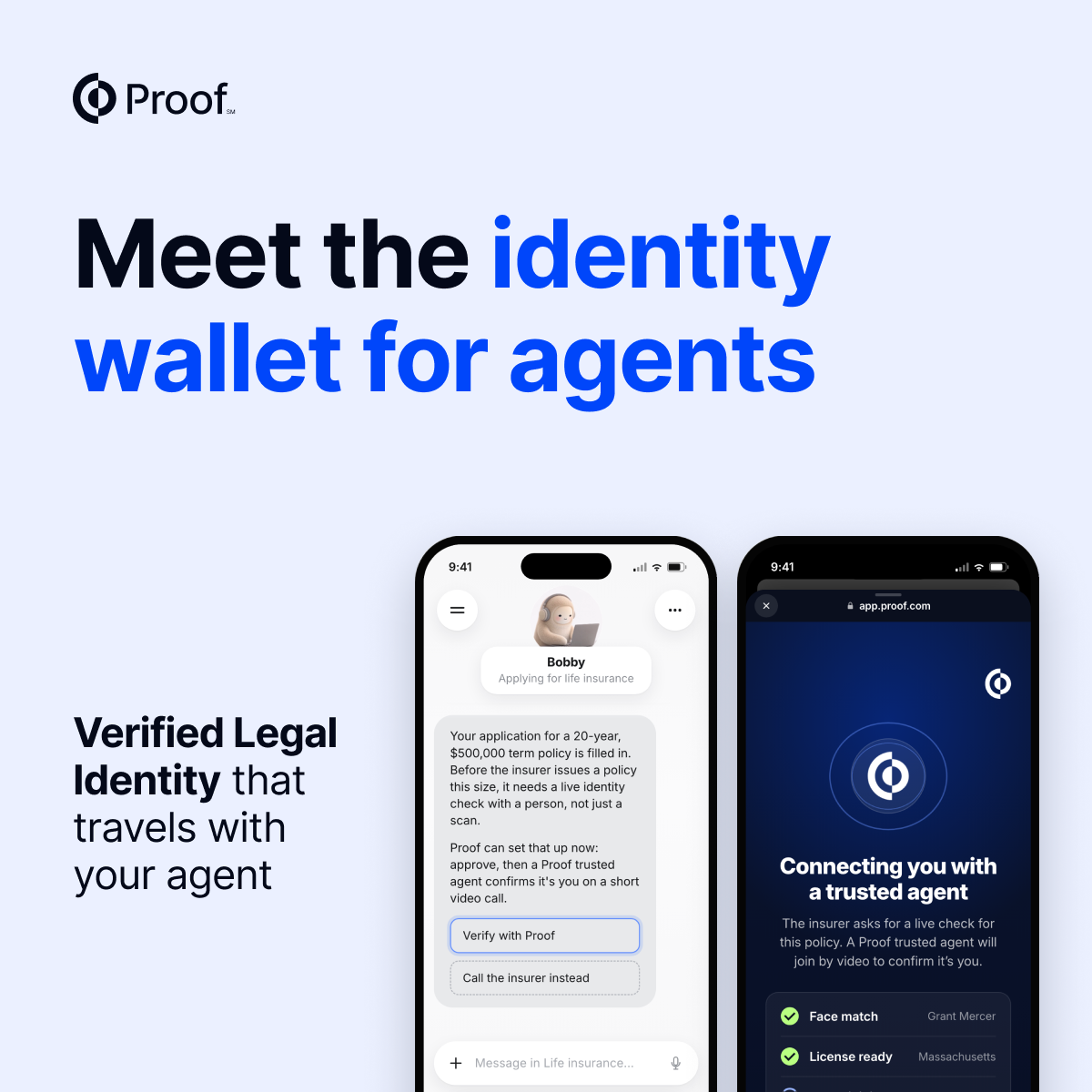
The customer verifies once, with a government ID and a live biometric check, and that verified identity carries over to later calls. When someone on the line asks for a new payee or a retirement distribution, the rep or the IVR sends the customer a secure link. The customer confirms it's them on their own phone, sees the exact amount and account, and signs. A bot can't complete that step, however many answers it has learned.
Voice biometrics and bot detection can stay in place. The signature gives the bank a record that the customer approved the specific request, which those tools don't provide.
Start with the calls that move money
Take the security questions off the requests where an account takeover would cost the most, the ones that move money or change who controls the account. Lower-risk calls can keep running the way they do today while your team watches how customers respond.