Who Authorized the AI Agent Calling Your Bank?

In September, a Meta employee testing the company's new Muse agent asked it to call their internet and cable provider. The person who actually got on the phone was a human contractor. Reuters reported that Meta had quietly been routing some Muse calls to people, and that its own tests suggested human callers could finish 95% to 98% of calls, higher than what the AI managed on its own.
Meta has since rolled that test back, and on November 12 it let anyone on a paid Muse plan have it phone U.S. businesses for them. Google's Gemini and xAI's Grok can call businesses too. A bank that picks up one of those calls can't check whether the customer actually sent the caller. We think no bot should move money unless the customer signed off on it, ahead of time or in the moment.
In October, an Axios investigation found AI agents inside customer accounts at major U.S. banks, and some of those agents had called the bank's contact center or tried things the customer never explicitly approved. The fraud and contact center leaders we talk with describe bots that announce themselves and name the company that built them, and others that imitate the account holder and never admit they're software.
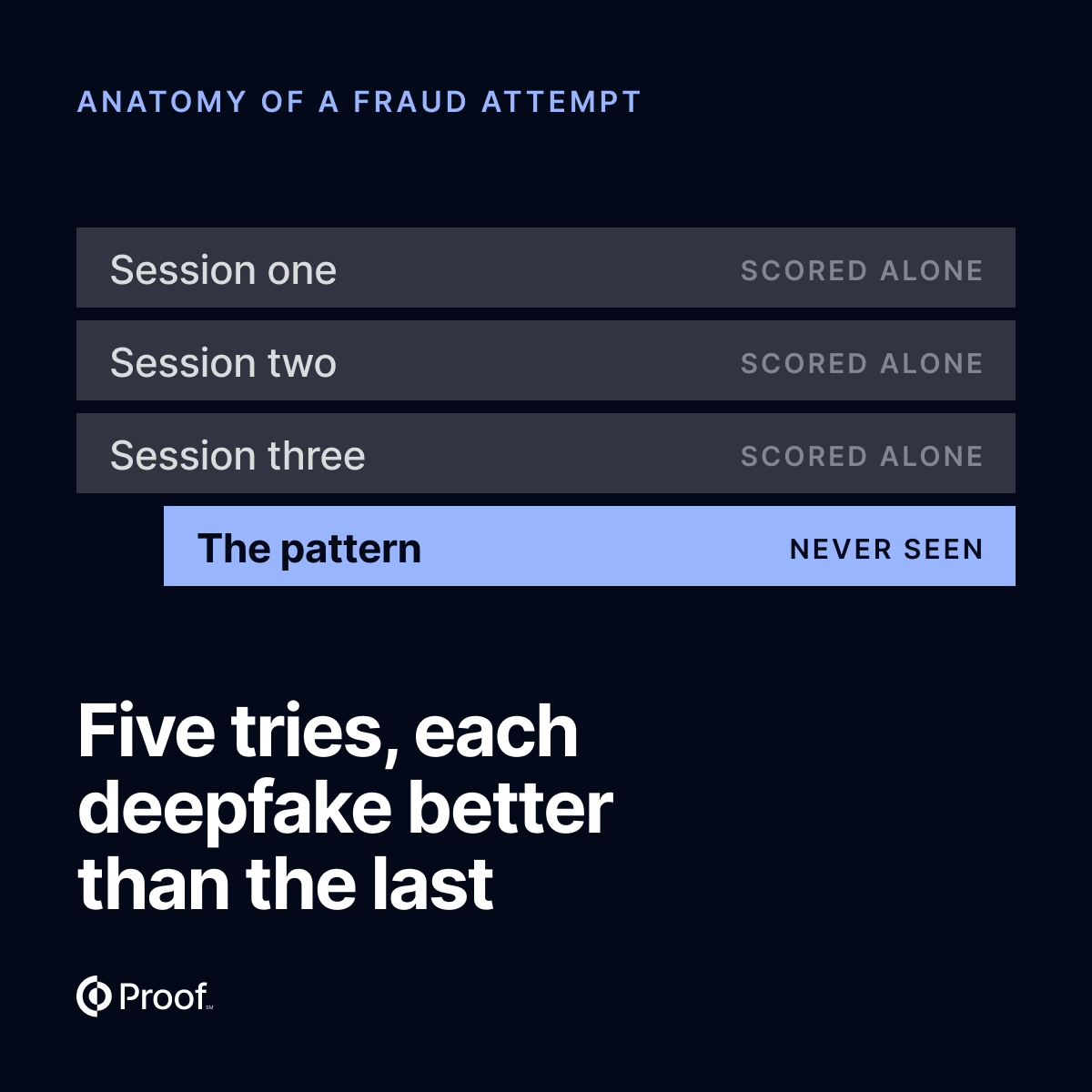
Some call over and over to learn the bank's thresholds and policies.
Can an IVR tell whether a caller is a bot?
Sometimes it can, and it doesn't settle much. In the same Reuters reporting, a Meta employee said an insurance company kept hanging up once it heard the caller was AI, and Meta's fix was to have trained humans place some of those calls. Hang up on the bot and the next call may come from a person working for the same agent, one your bot detection and voice biometrics will pass. The question that holds up is whether the customer sent the caller and what they allowed it to do.
In October, RBC, BMO and several other large Canadian banks started blocking personal AI agents from online banking. A contact center can't safely do the same, because the next caller could be a real customer with a real problem. AI agents blocked online can still call, and each call ties up the IVR or a rep while someone works out who is on the line.
What are the alternatives to IVR PINs and KBA?
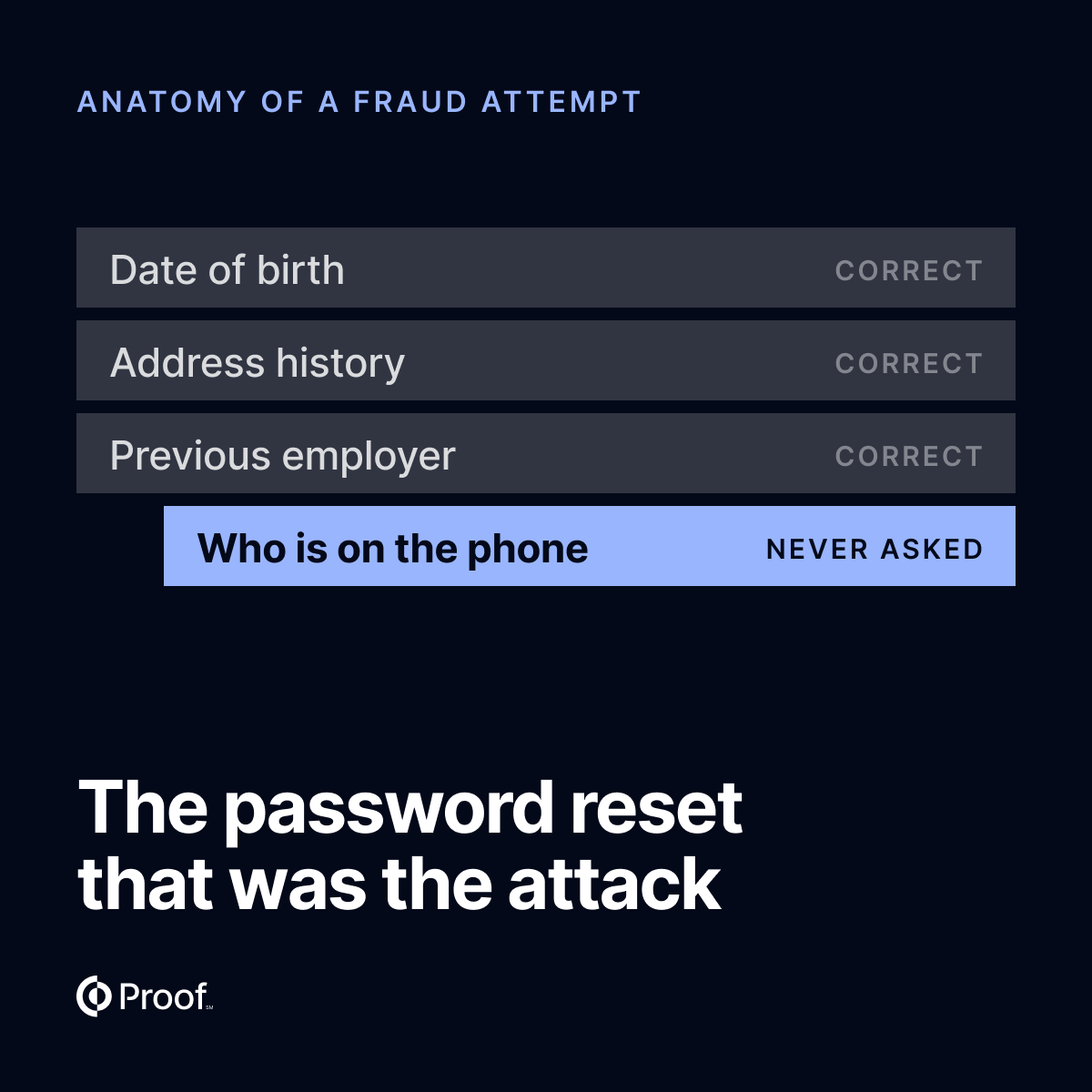
A lot of phone authentication still asks the caller to know something, like the answer to a security question or an IVR PIN. A customer who hands an agent their login often hands over those answers too, and fraudsters buy them from breach data. An AI agent the customer set up with their own login can also read the one-time passcode the bank texts. In its October point of view on customer agents, Liminal notes that a passcode proves someone controls the phone and says nothing about whether a person is there. The alternative is to stop testing what the caller knows and ask the customer to approve the request on their own device.
How do you add step-up authentication to a phone call?
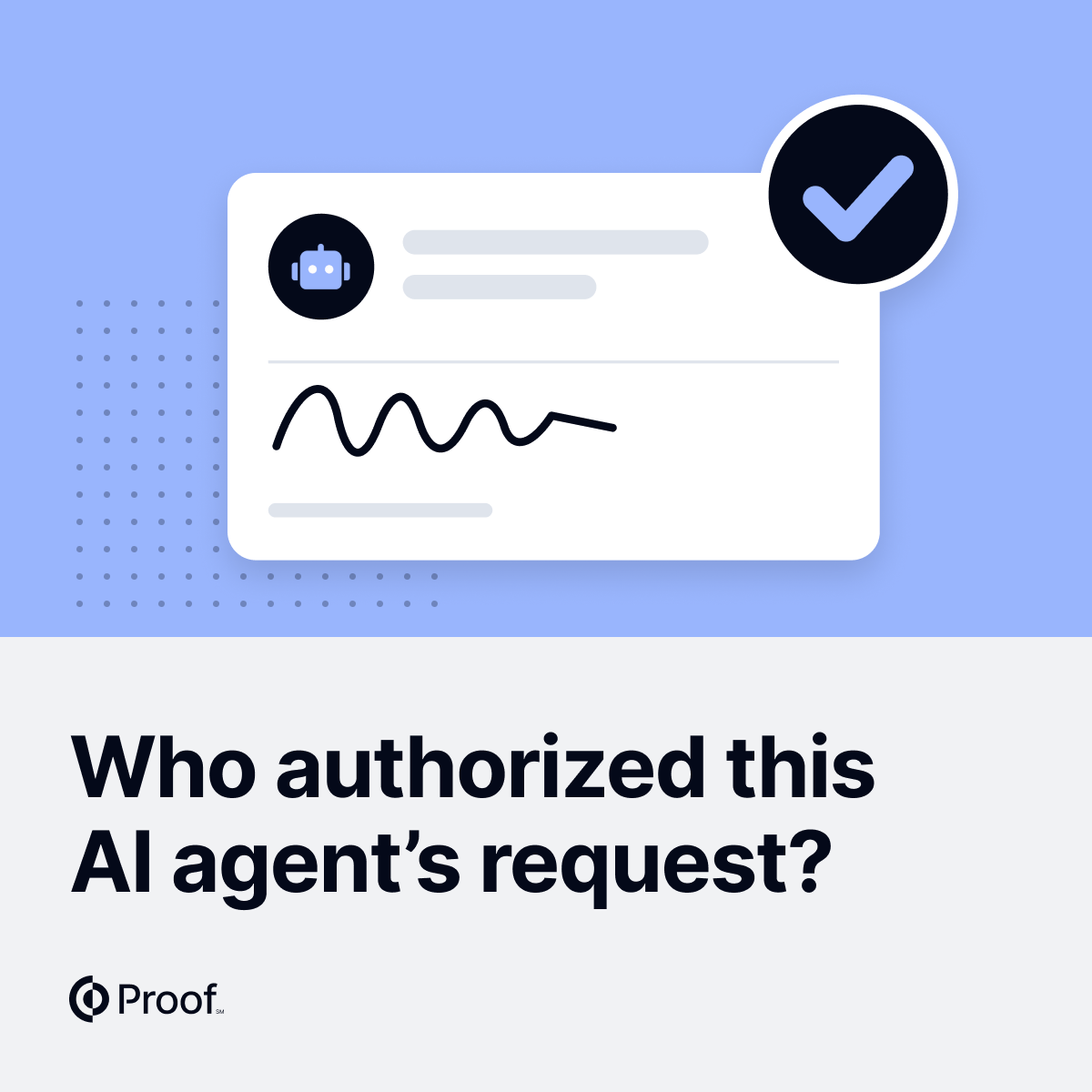
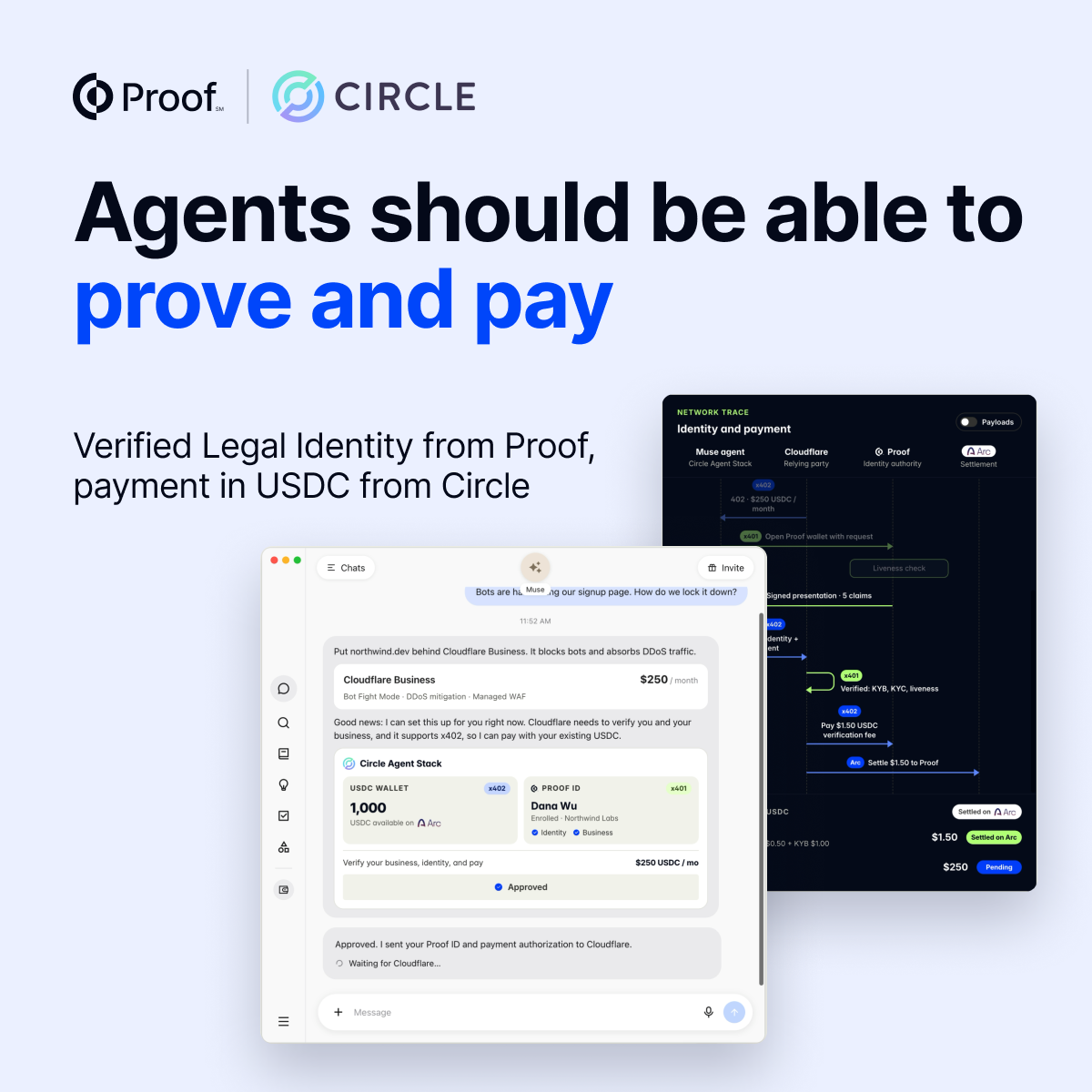
If an AI agent says who it works for, it should be able to show proof that a verified customer sent it and what that customer allowed it to do. x401, our open protocol, already does that for AI agents on websites and APIs, and bringing the same proof to a phone call is where this is headed. When a caller can show it, requests inside what the customer allowed can be handled like any other caller's. The step below works on any call today.
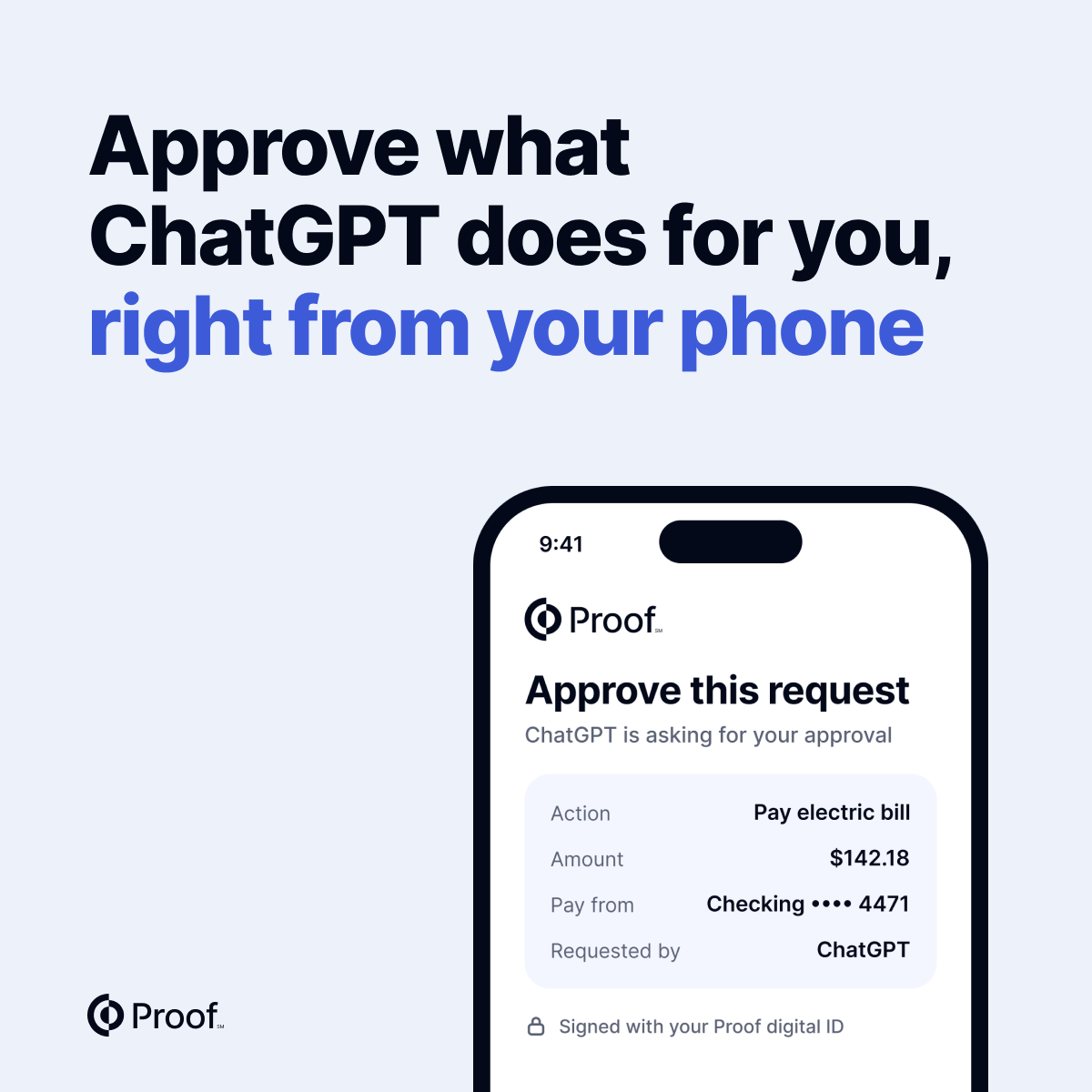
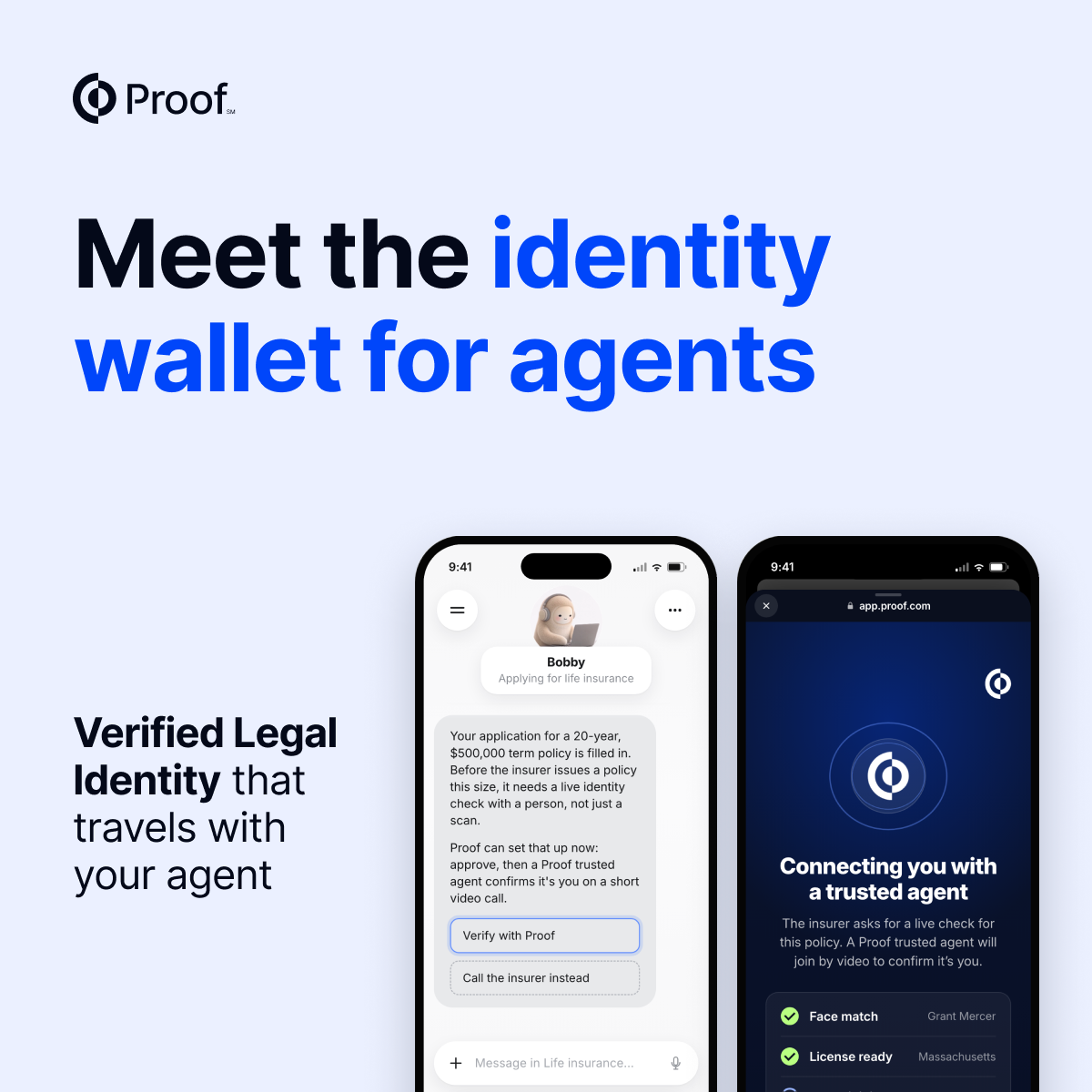
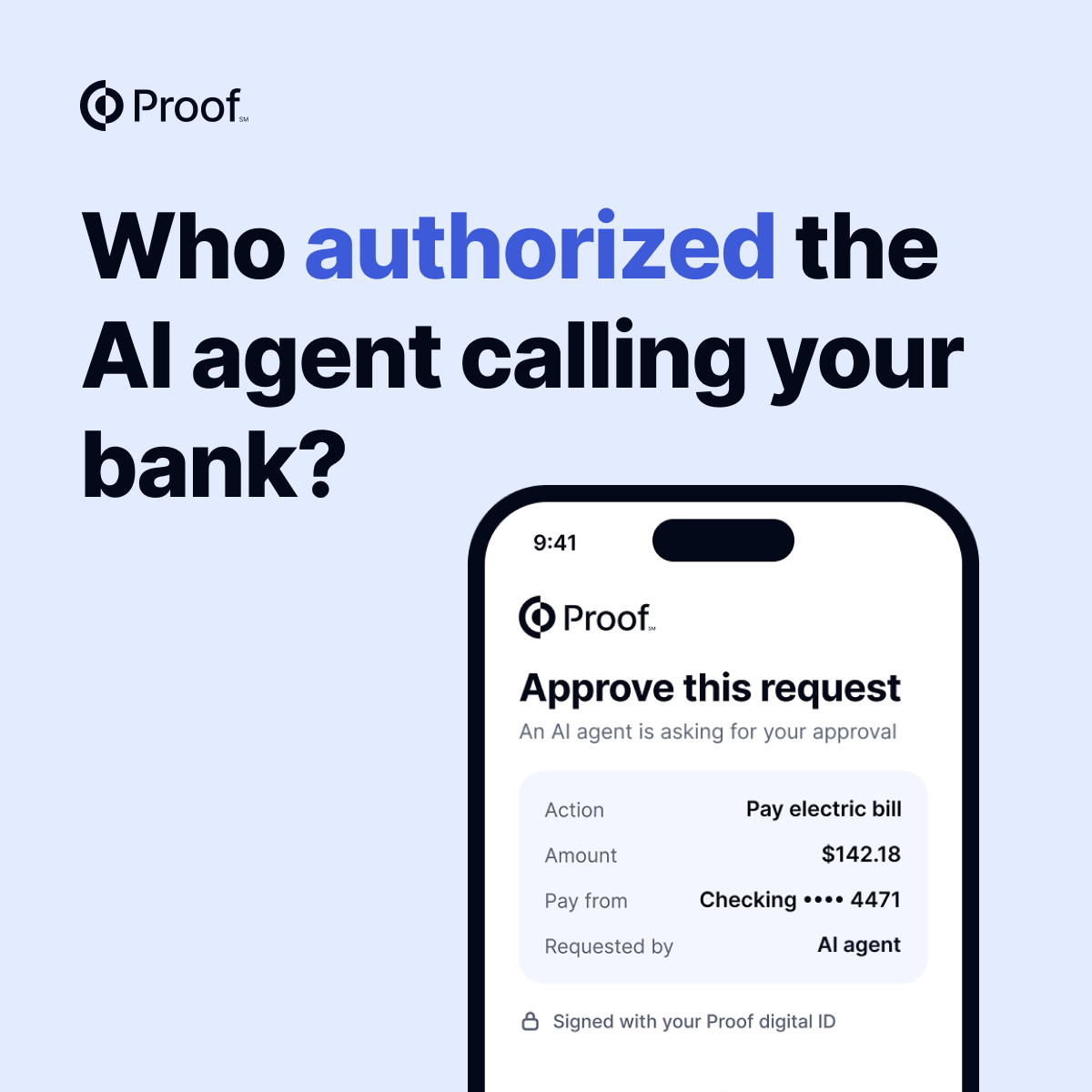
A high-risk request outside those limits goes to the customer, and so does any high-risk request from a caller that can't show that proof. The rep queues the new payee or the wire, and the customer gets the request on their own phone with the exact amount and account. They confirm it's them with a government ID and a live biometric check and sign it. A bot posing as the customer can't complete that step, and if the customer disputes the transfer later, the claims team has their signature.
None of this requires a new IVR, and it works alongside the bot detection and voice biometrics you already run. Start with the requests where an account takeover would hurt most: a new payee, a wire, and a change to the phone number or address on file. A changed phone number reroutes every passcode the bank sends after it.
The banks we talk with see the contact center as the first channel to fix, because it's the one channel they can't close to agents.