Anatomy of a Fraud Attempt: The Seller Who Never Owned It


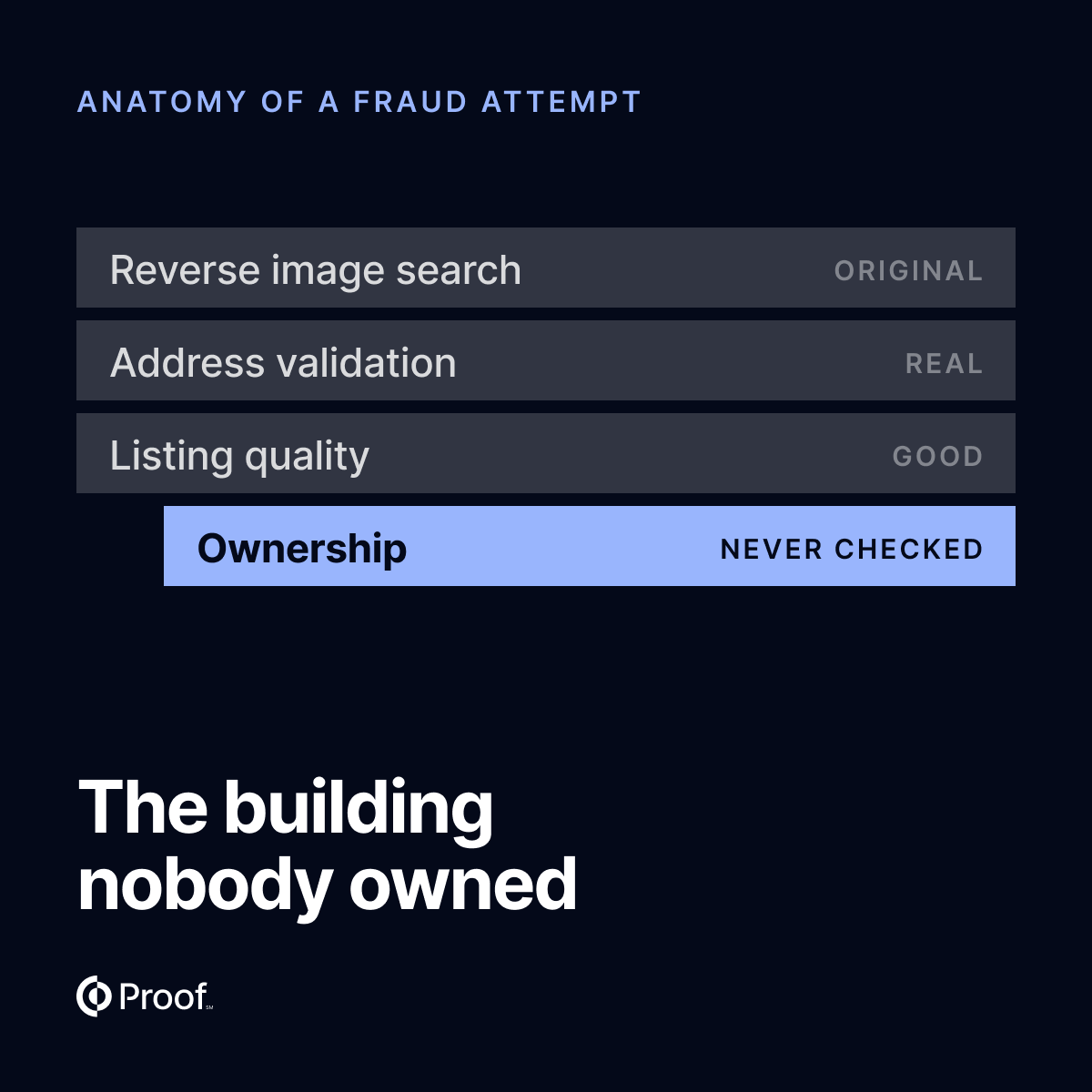
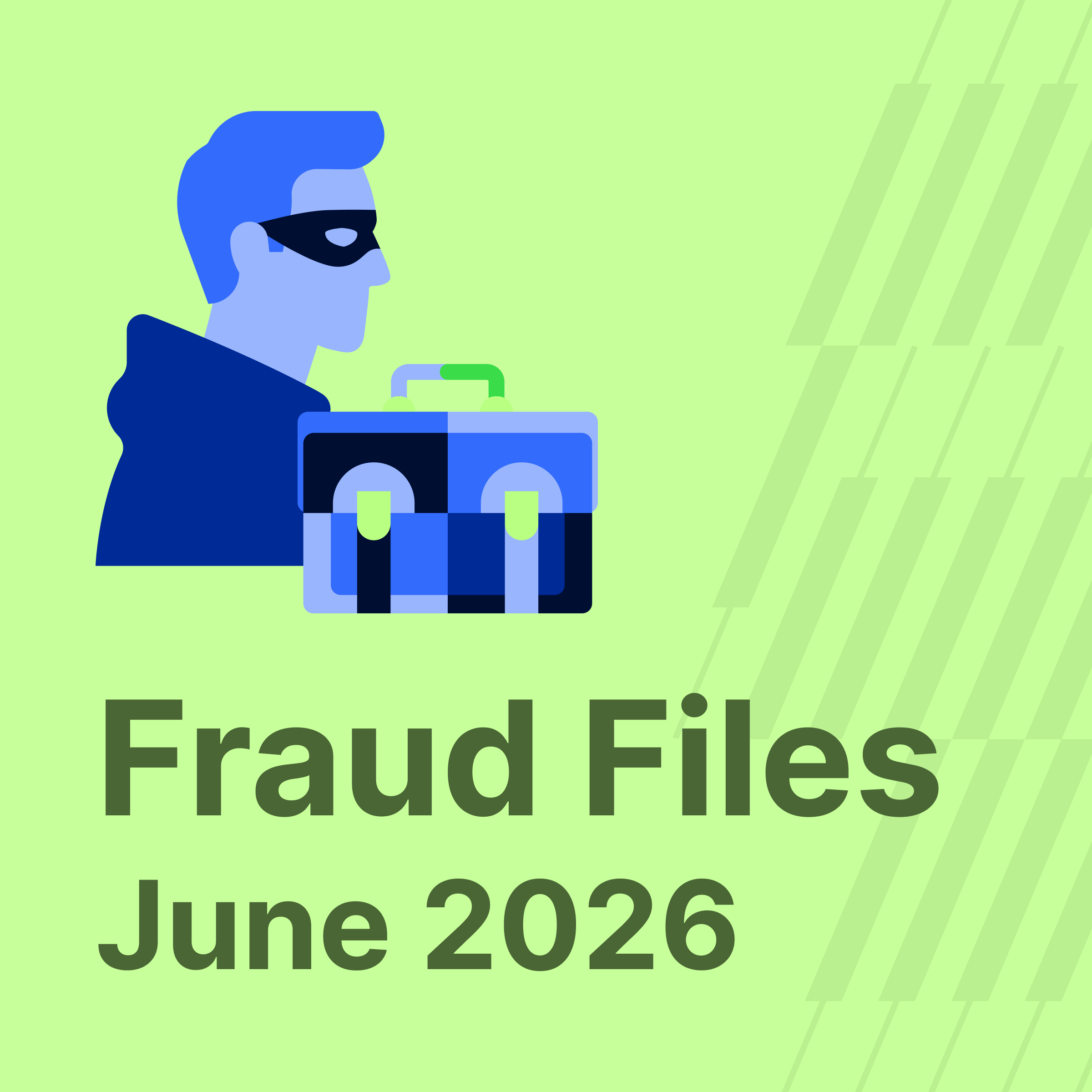
The property is real. The owner is real. The person selling it is neither. Seller impersonation fraud runs on a simple observation: for a certain kind of property, nobody would notice for months.
Attempts more than doubled in a year. ALTA's September 2026 study found 59% of title firms reported at least one attempt in the prior calendar year, against 28% the year before, with firms reporting an attempt in the prior month rising from 19% to 45%.
Key takeaways
- Vacant land is the top target, alongside absentee owners, properties owned free and clear, and recently deceased owners.
- The leading red flags are behavioral: avoiding calls, and requesting a mail-away signing or a seller-chosen notary.
- 58% of title firms now rate deepfake image or voice technology at least somewhat common.
- Among firms with a paid claim who disclosed costs, half reported costs above $100,000.
How the scheme works
- Find a property nobody is watching. Vacant land, an absentee owner, a property held free and clear with no lender in the loop, or one whose owner recently died. ALTA names all four as common targets.
- Identify the real owner from public records. Ownership is a matter of public record, which is what makes the impersonation available to anyone.
- Approach a firm remotely and stay remote. ALTA names avoiding meetings or calls as a leading red flag, alongside requesting a mail-away signing or a seller-chosen notary. Distance is the point.
- Control the verification moment. A seller-chosen notary is the quiet center of this scheme. The one person who will confirm identity is a person the fraudster selected.
- Push for a fast cash closing and direct the proceeds. With no lender, there are fewer parties and fewer checks, and the wire goes where the impersonator says.
- Leave. The real owner finds out when a tax notice, a neighbor, or a survey reveals the sale.
Why it gets past normal checks
The title work is clean, because the chain of title is genuine. The identity documents may be real, since the fraudster has the owner's public details and increasingly the tools to produce a convincing likeness. And the most security-sensitive step, confirming the person is who they claim, has been handed to a notary the firm never chose, never met, and will never see again.
That last point is where Preferred Title found its own exposure. The firm handles a high volume of out-of-state sellers and for years overnighted documents, hoping the seller could find a local notary. Seller fraud was a known risk, and the workflow put the verification moment entirely outside the firm's control.
ALTA's 2026 respondents rated identity verification, direct seller contact, and multifactor authentication as their highest-rated detection tools.
How Proof disrupts the fraud scheme
Take back the verification moment.
The closing officer connects the seller to a vetted notary from inside the firm's own workflow, so the identity check is no longer performed by someone the seller nominated.
Verify with more than a document.
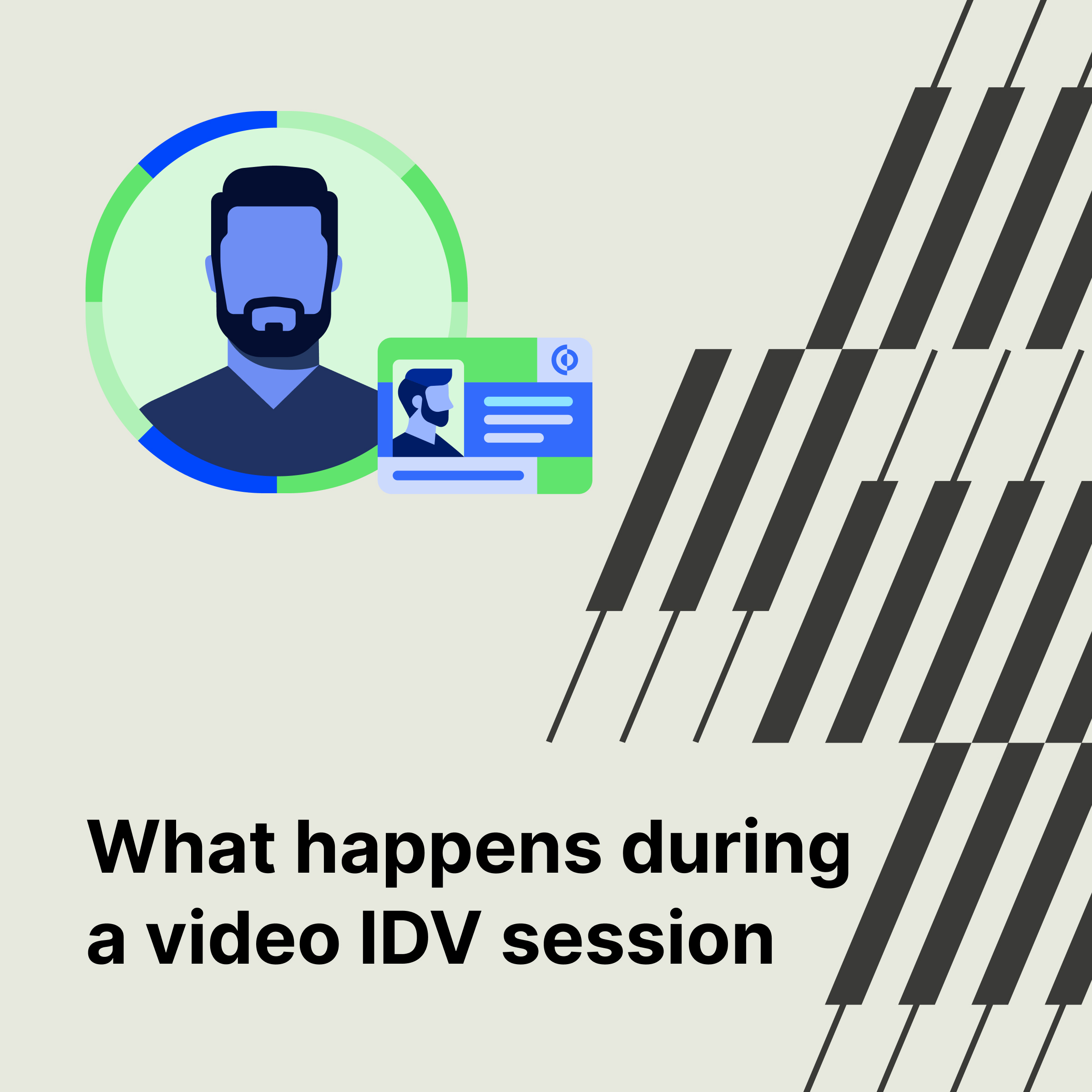
The session runs credential analysis, knowledge-based authentication, and live notary verification, with a biometric selfie compared in real time against the government ID where knowledge-based authentication is not available.
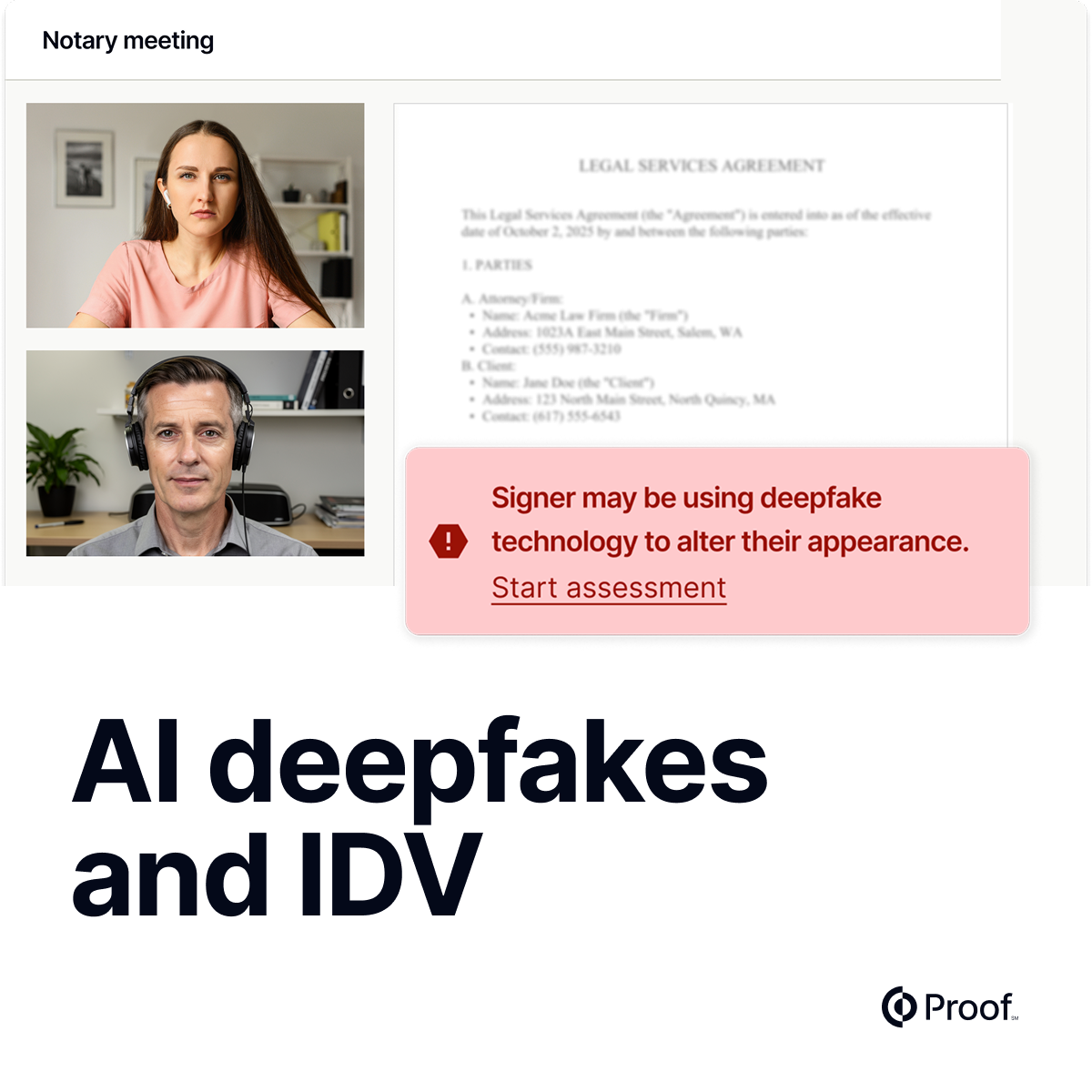
Watch for synthetic media in the session.
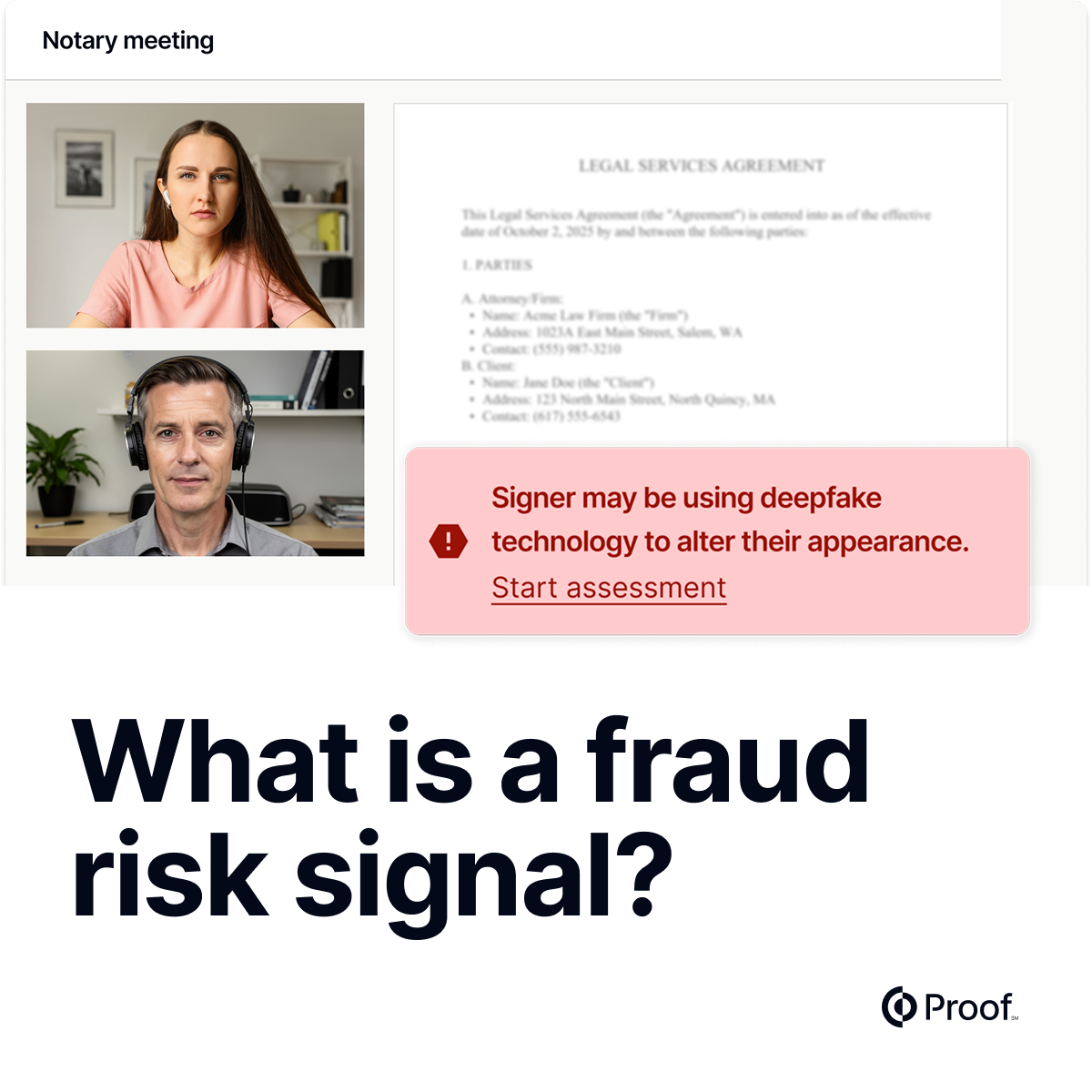
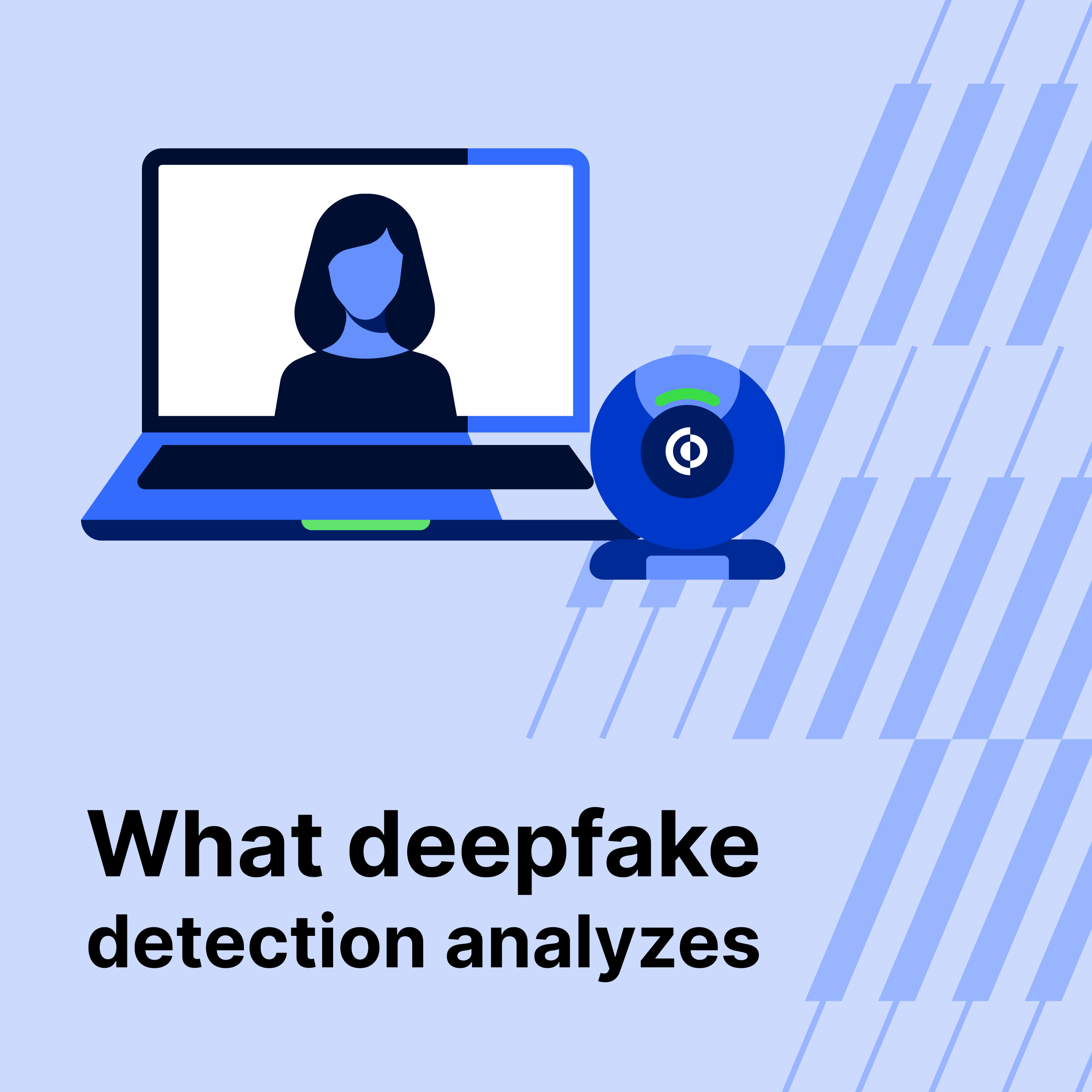
Defend scores video frames continuously through the meeting for deepfake signals and alerts the notary before the document is executed, which matters when 58% of firms now see this technology in play.
Keep the record.
Every session produces a tamper-evident audit trail with identity verification outcomes, timestamps, physical location, and the full recording, which is what a claim turns on later.
For Preferred Title, the remote seller stopped being the risky path and became the controlled one. Documents that once took days now move in under 30 hours from send to signed, with a 98% notary meeting completion rate.
The question to ask
On your last ten mail-away closings, who chose the notary? If the answer is the seller, then the only identity check in the transaction was performed by someone the counterparty selected.
To learn more about the fraud patterns we see emerging in 2026, check out our field guide.