Your LPs Can't Tell If Your Capital Call Is Real

In November 2025, Luxembourg's financial intelligence unit published an alert on business email compromise in the investment sector. Of the suspicious activity reports it reviewed from January to November 2025, 60% involved fraudulent capital call notices. The average report involved €1.5 million, and the unit noted that the fraudsters "appear to have detailed knowledge of the layout, structure, and formatting of genuine documents."
An LP who receives one of those notices sees your fund's name, their correct commitment and the usual due date, laid out like your last notice. The account number at the bottom is the only difference. They have no reliable way to tell it from the real thing, and you have no way to show you didn't send it.
How fake capital call notices work
Most fakes are built from a real notice, and a compromised mailbox at a GP or fund administrator gives an attacker past notices, LP contacts and the timing of the next call, so the fake can arrive when a real one is expected. In the Luxembourg review, 70% of cases used spoofed or lookalike email addresses to change the payment instructions, usually a domain with a character added, changed or dropped.
Fund managers have dealt with this for years. In 2018, Sequoia warned that a phishing email had imitated its capital call notices in an attempt to get an LP to wire money. Since then, lookalike domains have stayed cheap to register and AI has made a convincing email faster to write.
Why careful LPs still get caught
Most LPs check before they wire, comparing new instructions with the ones on file, logging into the investor portal and calling investor relations when something has changed. Public pension boards hear about the risk regularly, and Massachusetts' pension oversight commission sent a memo to retirement boards in March 2025 about an email impersonating a capital call.
Each of those checks sits outside the notice, and the LP has to remember to run it. A portal helps only if the LP logs in and compares. A callback helps only if the number came from somewhere the attacker couldn't reach, and only if someone answers before the due date. The notice itself still carries nothing that shows who sent it.
What a diverted capital call costs the GP
Wires are hard to recall once they've cleared, so a diverted contribution is usually gone by the time anyone notices. The LP has a loss to explain to its board or family. Your fund has a missed contribution and a difficult call with an investor you value, and the incident can make other LPs read your emails more skeptically.
Fraud warnings on your notices and a published callback number are good practice. They still leave the checking to the LP.
How Proof makes capital calls verifiable
With Proof, a capital call carries evidence of who sent it, and your LPs can check that evidence before they wire.
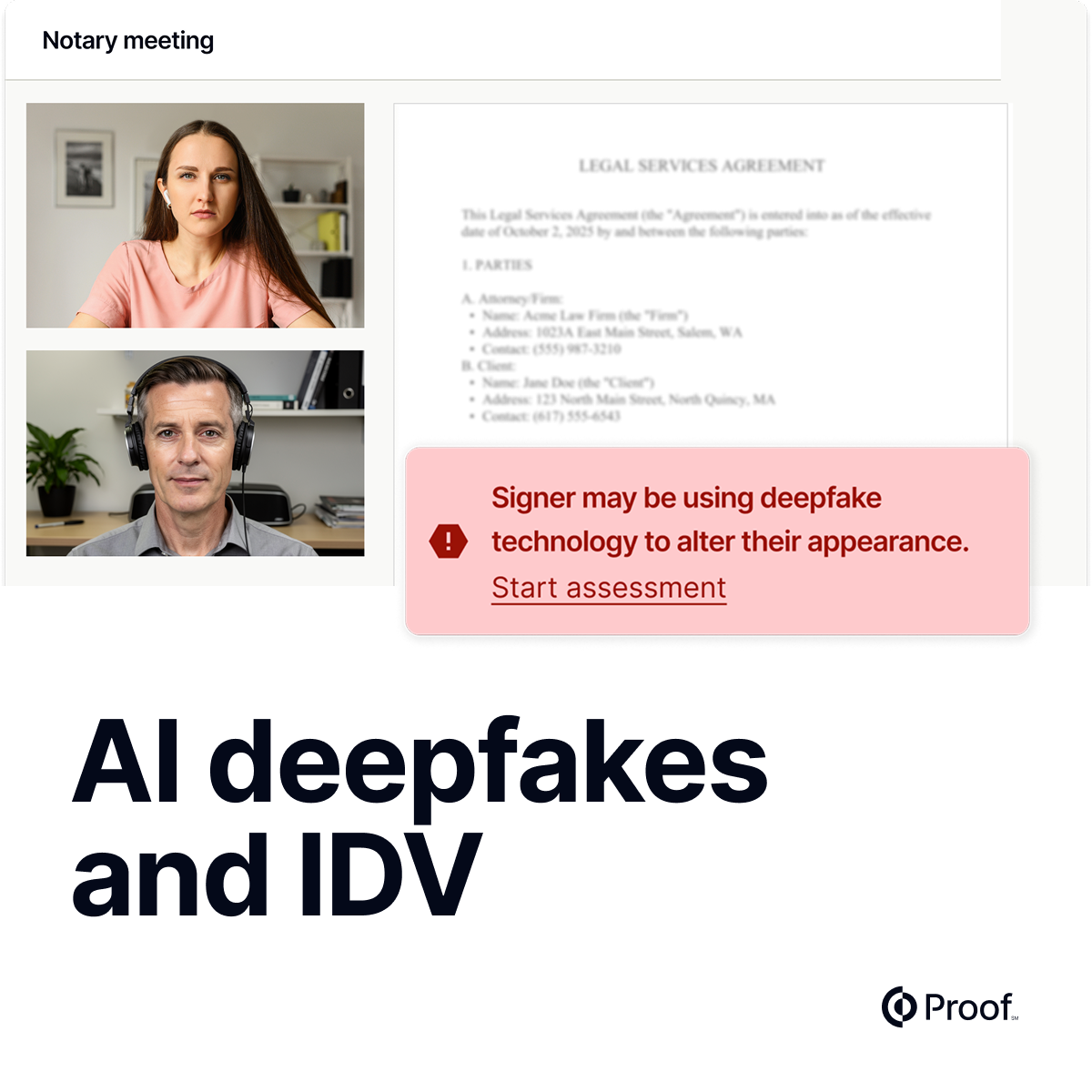
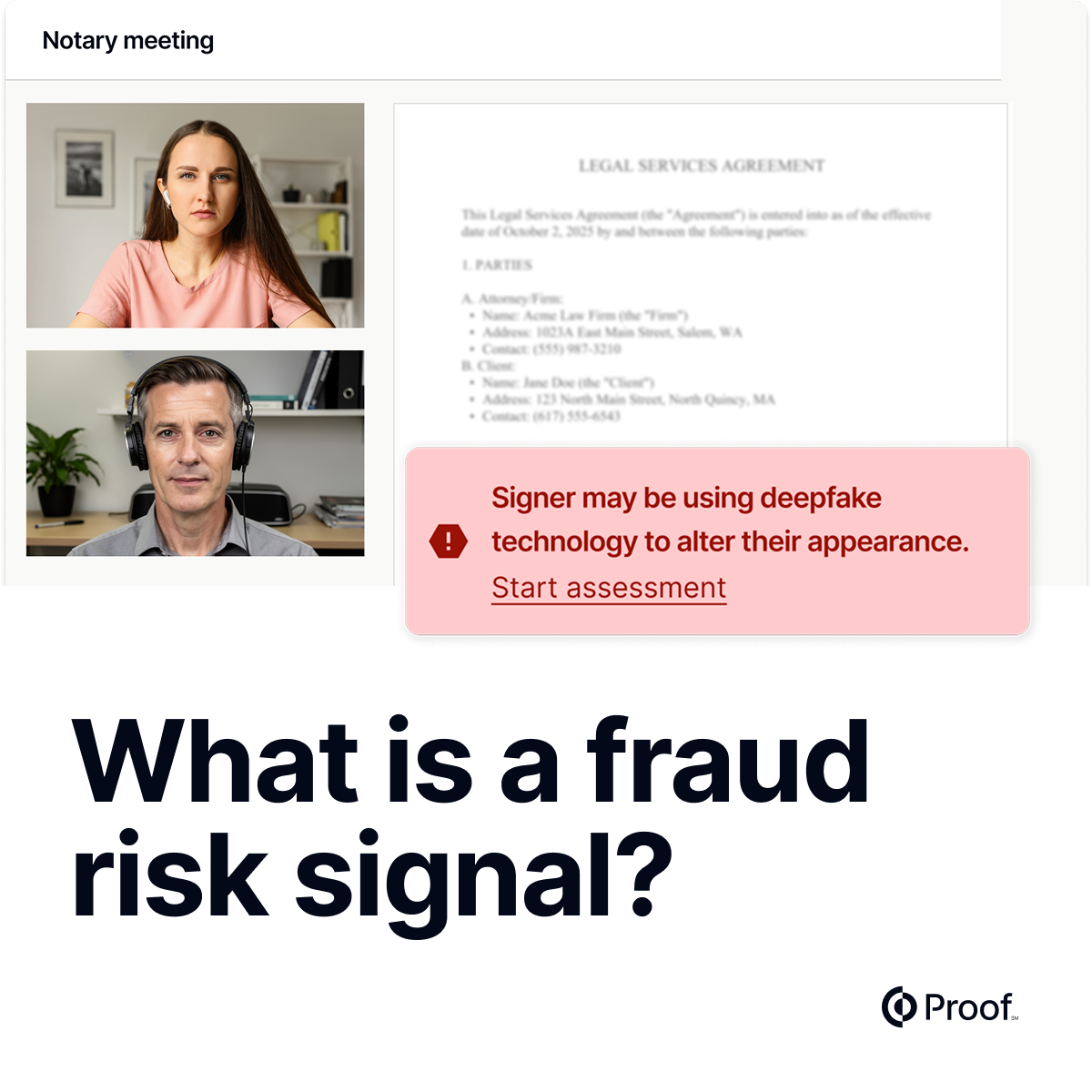
Your officer verifies once. The person at your fund who approves capital calls verifies with a live face scan, to NIST IAL2, while we screen the session for deepfakes and injected video. They receive a credential stating they act on behalf of your fund.
They sign the payment instructions. When a capital call goes out, the officer signs its wire instructions with that credential. The signature covers the exact account details, so a single changed digit breaks it.
Your LP checks before wiring. The LP checks the signature against our WebTrust-audited certificate authority, without calling your team or ours. A notice from a lookalike domain, or one with a swapped account number, fails the check before any money moves.
Notices still go out through the same email, portal or fund administrator, and your LPs can confirm them without a callback.
Protect distribution account changes too
The risk runs the other way when an LP asks you to send distributions to a new bank account. Proof handles that request the same way. The LP's authorized person verifies with a face scan, confirms they act on behalf of the LP, and enters the new bank details inside that verified session. Your team updates the account with a signed record of who requested the change.
Verify LPs once and reuse it across funds
Proof can also take work off your investor operations team. Today, LPs are verified again at every fund they commit to, and often for every account in a household, through subscription documents, video calls and contact spreadsheets. An LP who verifies with Proof can reuse that credential at the next fund and the next account, so your team stops re-verifying people it already knows.
You don't have to replace the fund administration, investor portal or treasury systems you already use. Proof works alongside them and adds a verified person and a signed record to each instruction that moves money, from the capital call you send to the distribution change you receive.
See how your LPs can verify a capital call before they wire >