How Businesses Reduce Help Desk Social Engineering Attacks

Somebody is locked out, audibly stressed, working against a deadline, and on the phone with a support agent running through a script that asks for a mother's maiden name, the last four digits of a Social Security number, and an employee ID.
Every one of those answers sits in breach data or on a public professional profile, so the agent is choosing between granting access to someone they cannot verify and refusing a colleague who genuinely needs help. Neither option is defensible.
We opened a webinar on closing those gaps with a reframe: enterprises don't have an account recovery problem. They have an identity problem, and account recovery just happens to be where it most often surfaces.
The breach record bears that out. As we pointed out in the session: "Over the last twenty-four months, some of the biggest support compromises happened at organizations like MGM, Caesars, Twilio, Coinbase, and they happened through this exact point in time, this exact moment of someone saying, I need to get authenticated back, and I'm locked out."
You can roll out phishing-resistant MFA across an entire organization and close the front door properly, and the path that exists to help someone who lost their factor still runs through the help desk.
Key takeaways
- Every MFA rollout needs a recovery path, and that path is the weakest control in most stacks.
- Knowledge-based authentication functions as a proxy for identity, and the answers are already public.
- Replacing the agent's judgment with a cryptographic match removes what attackers actually exploit.
Why the script cannot verify anyone
Most help desk scripts lean on some mix of knowledge-based questions, security questions and SMS codes. None of those is identity. They're proxies for it.
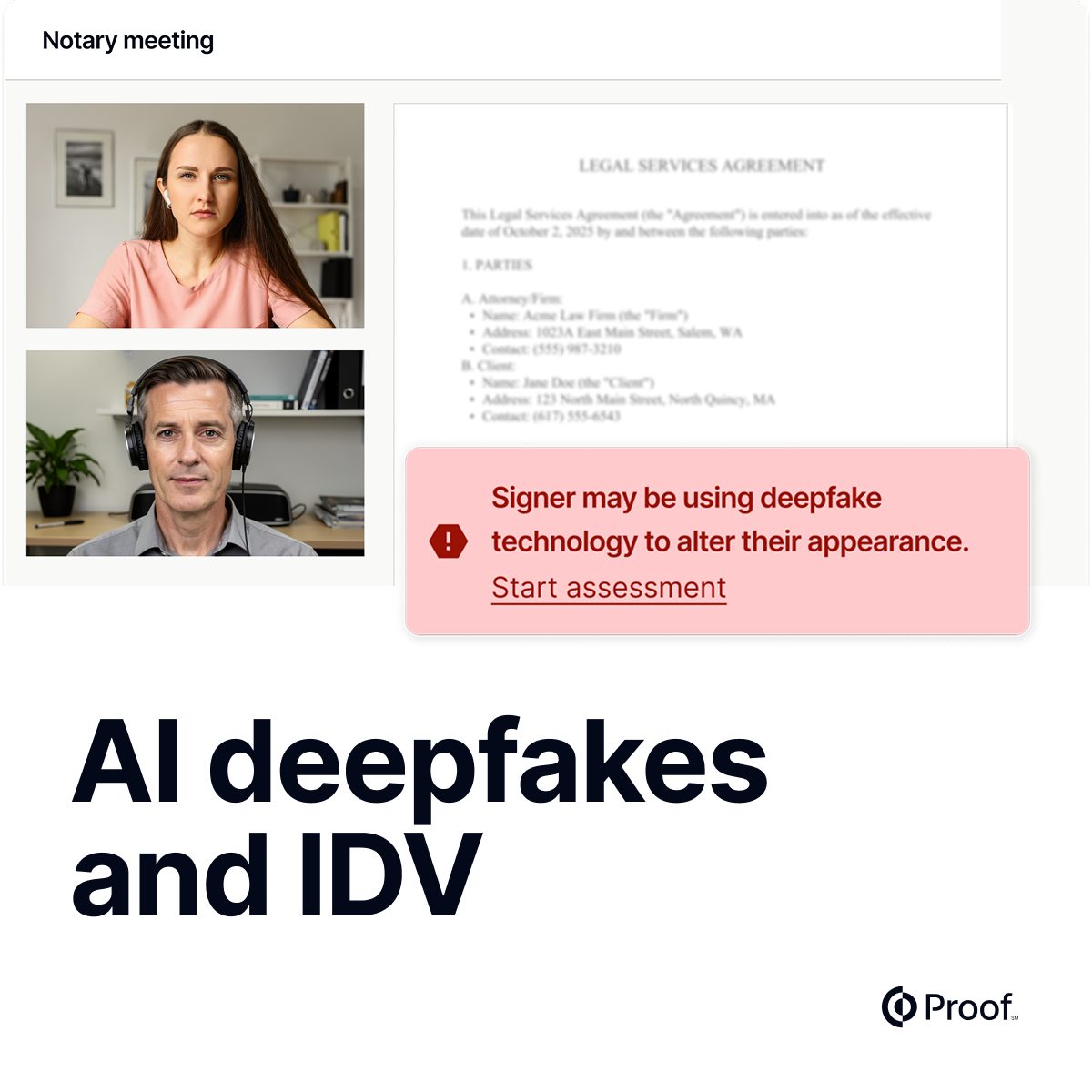
Each proxy fails differently. Passwords are sold in bulk on the dark web, backup emails are frequently compromised, and knowledge-based answers can be assembled from social media at no cost. Voice cloning has taken away the last signal an agent could rely on. A year ago, live deepfakes still looked grainy. They have gotten sharper almost week by week since.
What the agent is actually being asked to do
The instinct is to conclude that support teams are too accommodating and need firmer training, which misreads what they have been asked to do. At the end of the day, the help desk agent is the one making the call: does this person seem like the real person or not?
Everything around that decision pushes toward yes. Backlogs reward speed, and support agents are frequently measured on satisfaction scores collected from the same employees they are being asked to challenge.
Recovery by judgment, and the alternative
In the current flow the employee fails self-service, escalates to the help desk, answers knowledge-based questions, and the agent makes a trust decision. Every step in that sequence that depends on human judgment is a step where social engineering works.
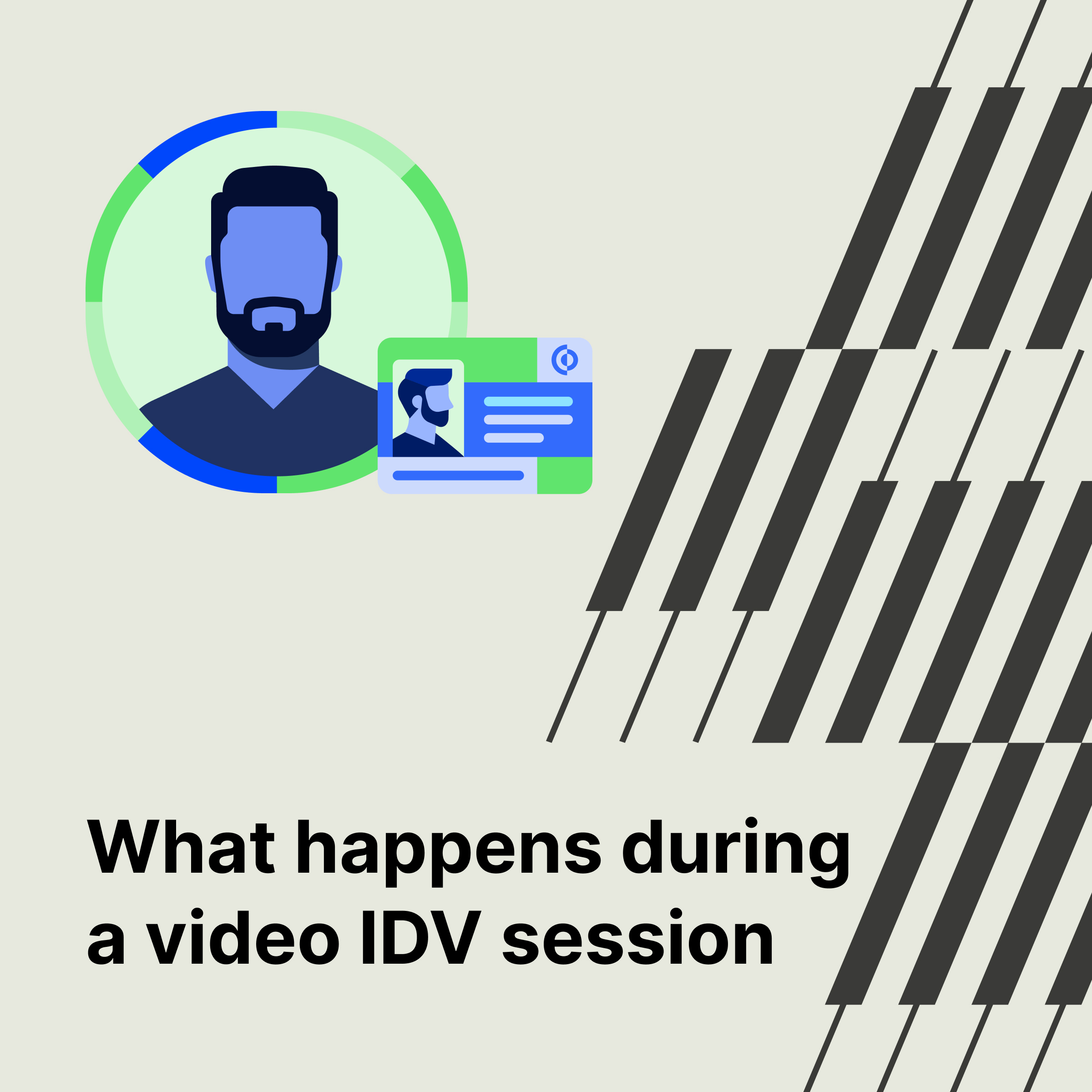
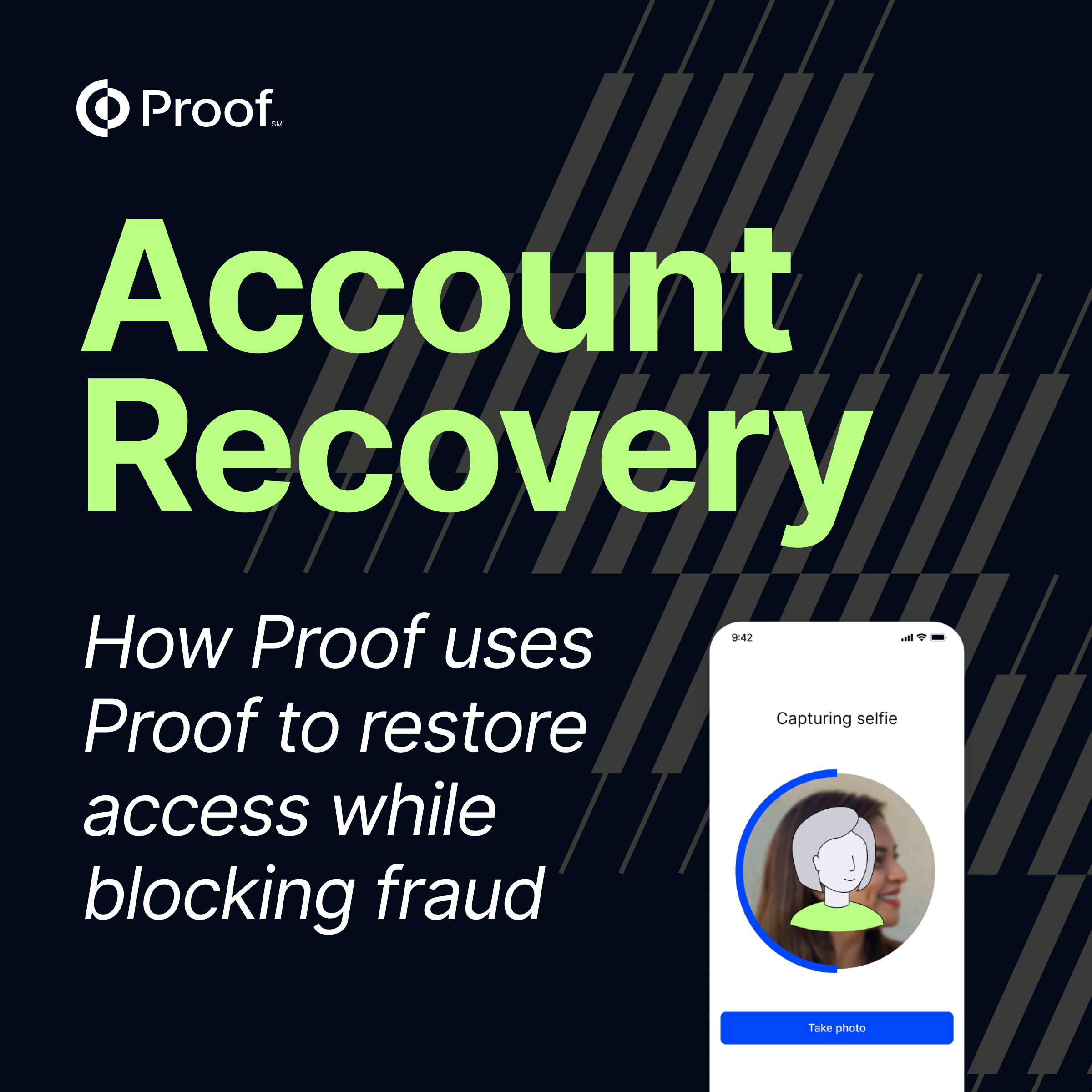
In the alternative the employee completes a fresh biometric capture matched against a credential established earlier in the employee lifecycle, combining a live selfie and verified identity evidence into one tamper-evident artifact.
The agent receives a yes or a no, never sees the personal information, and no longer carries a decision they were never equipped to make. You can't sweet-talk math.
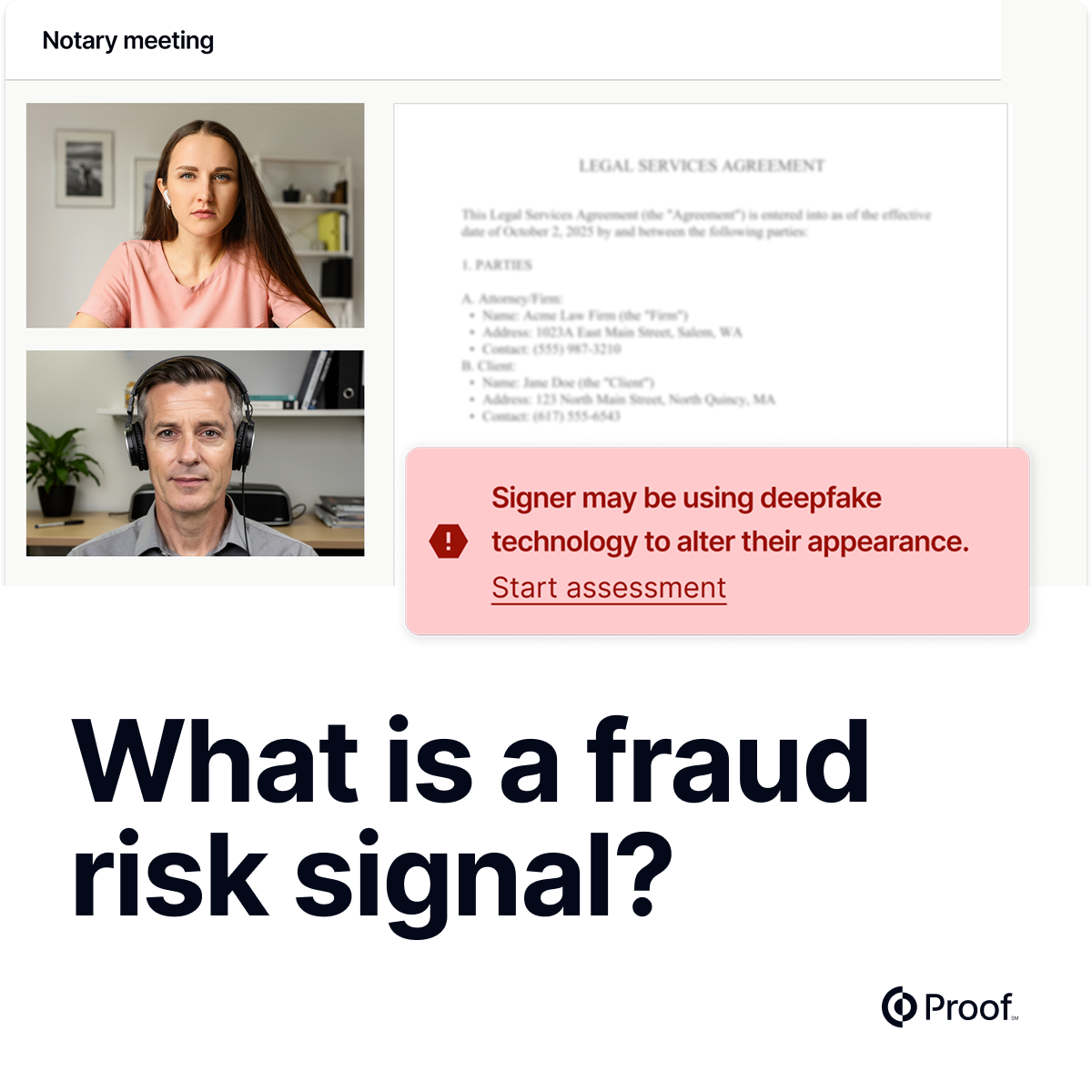
Proof's identity verification is certified at NIST IAL2 by the Kantara Initiative, and behind that yes or no the platform evaluates over 400 fraud risk signals in real time.
Plan the failure path before you need it
Verification fails for ordinary reasons, including bad lighting and a barcode that will not scan, and in most organizations that escalates to a senior technician running knowledge-based questions over video. Proof escalates instead to a trusted referee, which Eric Nelson, Proof Senior Solutions Consultant, described while running the live demo as "a trained specialist from our agent network," background checked and trained on identity documents. The referee can prompt a retry or accept an alternative document.
"At no point in your flow did IT have to really make a judgment call on a person's identity," Nelson said at the end of the walkthrough.
What gets written down matters as much as the decision. Ask what a password reset from eight months ago looks like in your files today, and the answer is usually a ticket note saying the caller was verified. A recorded verification gives an auditor a timestamped account of who was on the call, what they presented, and which steps failed.
Recovery is either the weakest point in your security program or one of the strongest, and your MFA rollout has very little bearing on which.
See how Proof gives your help desk a verification result instead of a judgment call >


























.jpg)

































.jpg)