How Colleges Can Stop Ghost Students Before Aid Goes Out

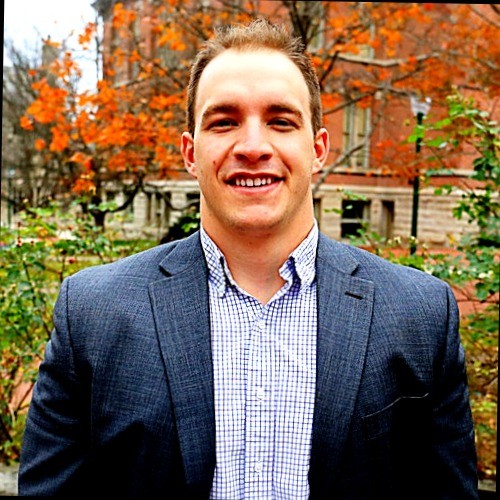
Tony Rice, a 33-year-old cybersecurity professional in Beloit, Wisconsin, heard from an investigator in Nebraska late last year that international criminals had stolen his identity, enrolled him in college, and applied for about $10,000 in student loans in his name. "I found out that the actual student loan was started ... in December. I find out in January," Rice told ABC News. "Well, by February, it's not getting paid, right? So that's going to impact my credit immediately."
Rice is one of the victims in a federal investigation that the FBI and the Department of Education's inspector general are now expanding. The FBI is aware of 830,000 fraudulent student aid accounts that have stolen more than $130 million, and almost half of its 55 field offices are pursuing cases. In Washington, the No Aid for Ghost Students bill would require schools to verify students before aid goes out. For admissions and financial aid teams, that means confirming each applicant is the person whose identity is on the application, and keeping a record of that check.
How ghost student fraud works
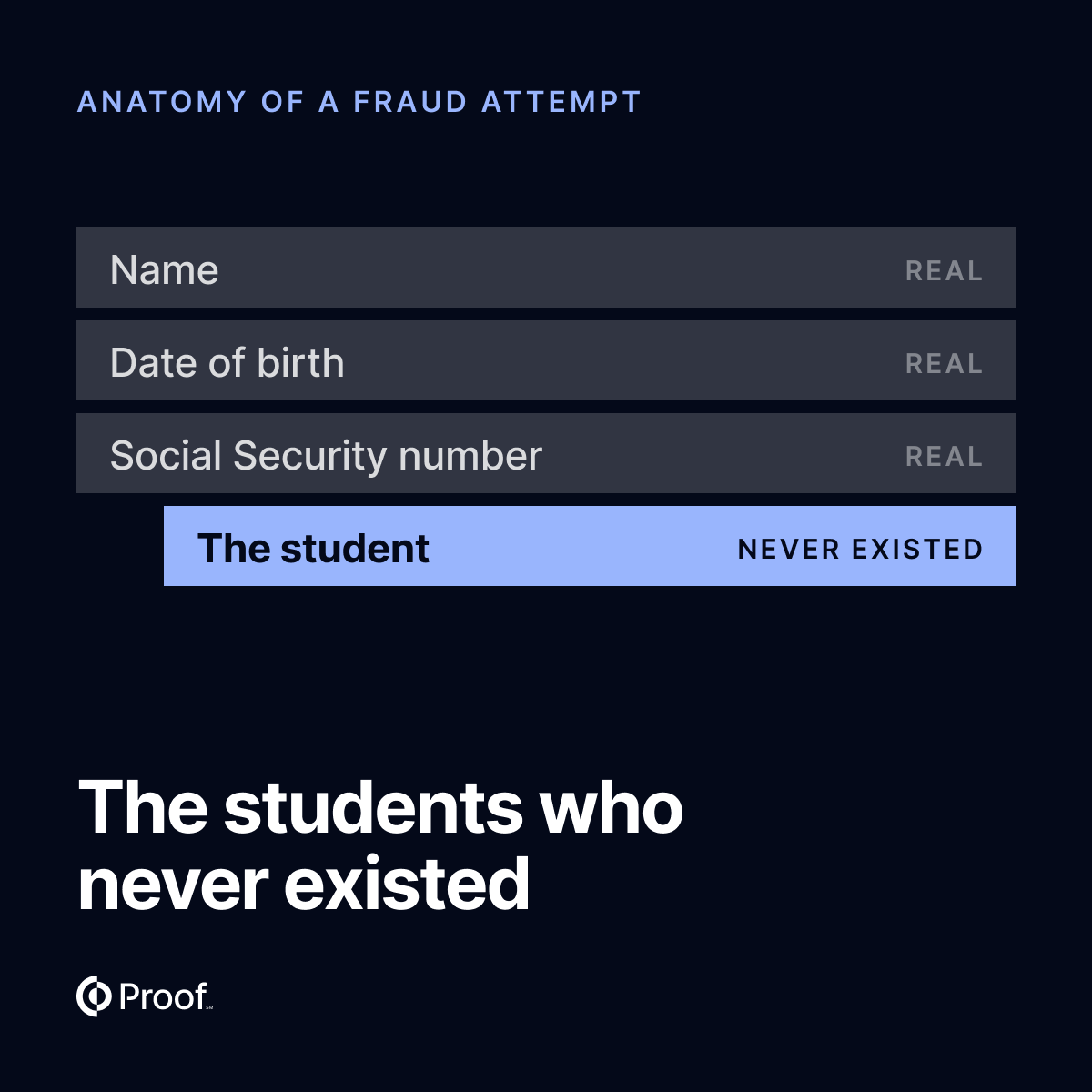
A ghost student is an enrollment made with someone else's identity. The fraudster applies with a real person's name, date of birth and Social Security number, signs up for classes, and collects the aid and loan money the school sends. The person whose identity was used may not find out until an investigator calls or a loan goes unpaid, as Rice did.
The Justice Department calls its nationwide probe Operation Ghostbusters and announced the first charges last month, against five people. Prosecutors allege that one of them, who lives in Lincoln, Nebraska, helped steal the identities of victims in Wisconsin, Ohio, Virginia and New York. According to court records, he told his roommate he sent as much as 70% of the proceeds to two brothers in Kenya. He has pleaded not guilty. The FBI has opened 47 investigations so far, and Heith Janke, assistant director of its criminal division, said, "We are just getting started when it comes to ghost students."
Janke said the schemes largely take advantage of programs meant to widen access to higher education, including enrollment at community colleges. "What is great about our country is the ability for people to get a secondary education, whether that is a university or a community college," he said. "And the fact that these fraudsters prey upon that and use that as a means to make additional fraudulent monies off Americans is when it's appalling."
Why these applications look legitimate
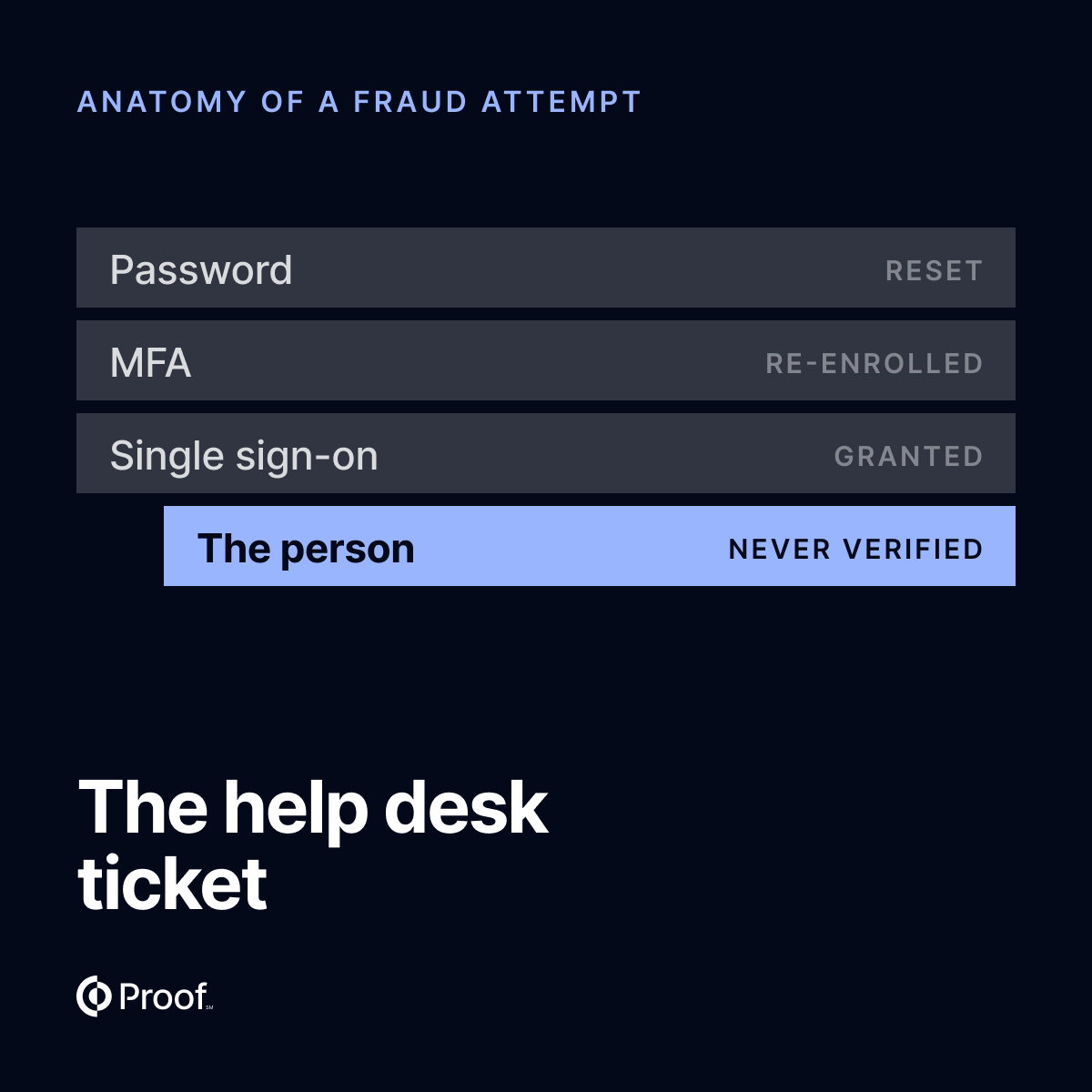
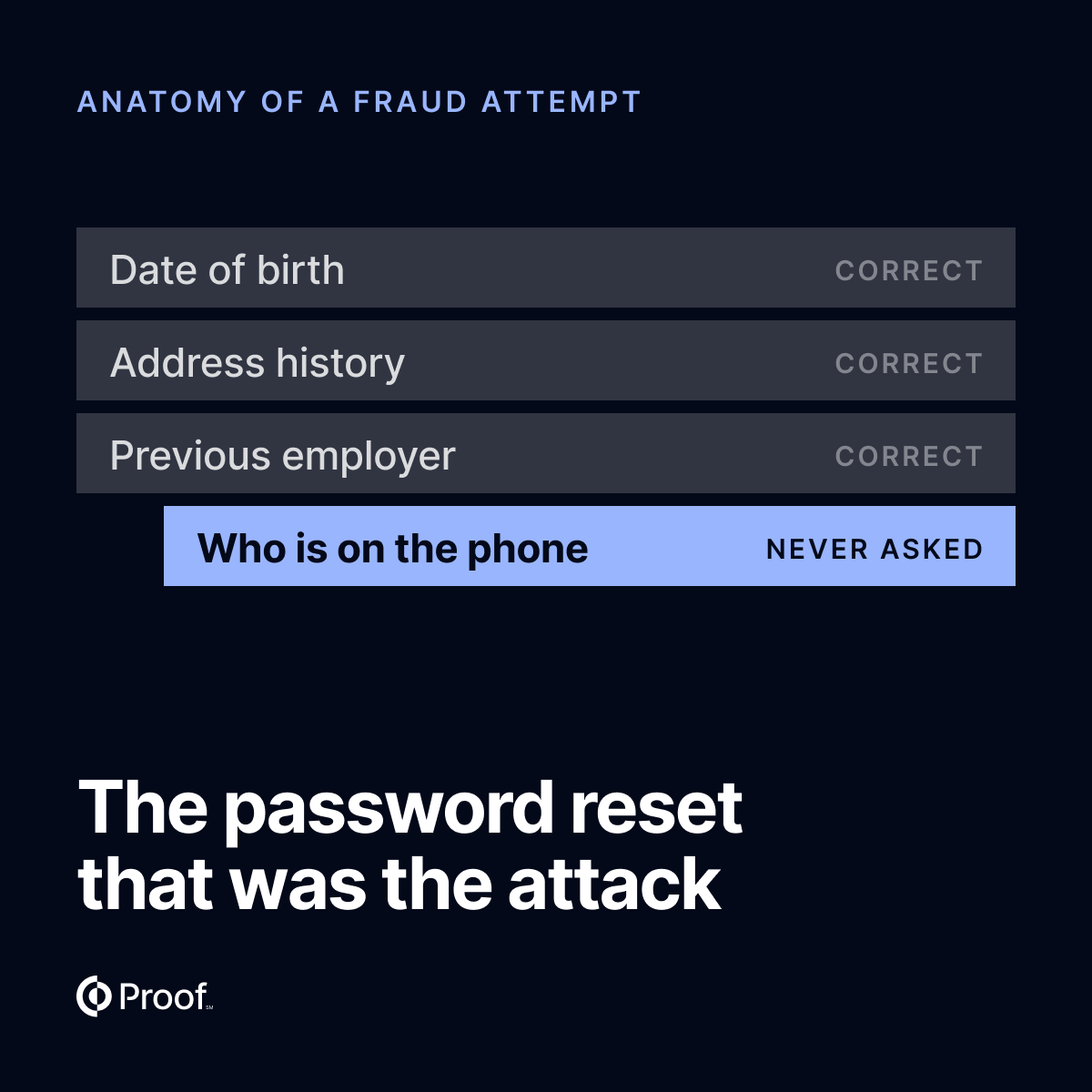
Open enrollment and online applications exist so more people can get an education, and most applicants are who they say they are. Admissions and financial aid staff review the information an application gives them, and a ghost student's application is built from real information. The Social Security number is valid and the name and birth date match it, because all three were stolen from a real person. A database lookup can confirm that the identity exists, but it can't show whether the person typing it in is the one it belongs to.
When aid is paid out on one of these accounts, the money goes to the fraudster. Taxpayers cover the loss, the school has enrolled a student who isn't real, and someone like Rice is left with a loan in his name.
What lawmakers are asking schools to do
Minnesota's legislature passed a higher education funding bill in May that includes $3 million in fiscal year 2027 for Minnesota State to buy software that detects and prevents ghost student fraud. At the federal level, the No Aid for Ghost Students bill passed the House in June and hasn't yet passed the Senate. It would require schools to put strict verification requirements in place before student aid is disbursed.
How verifying a student works
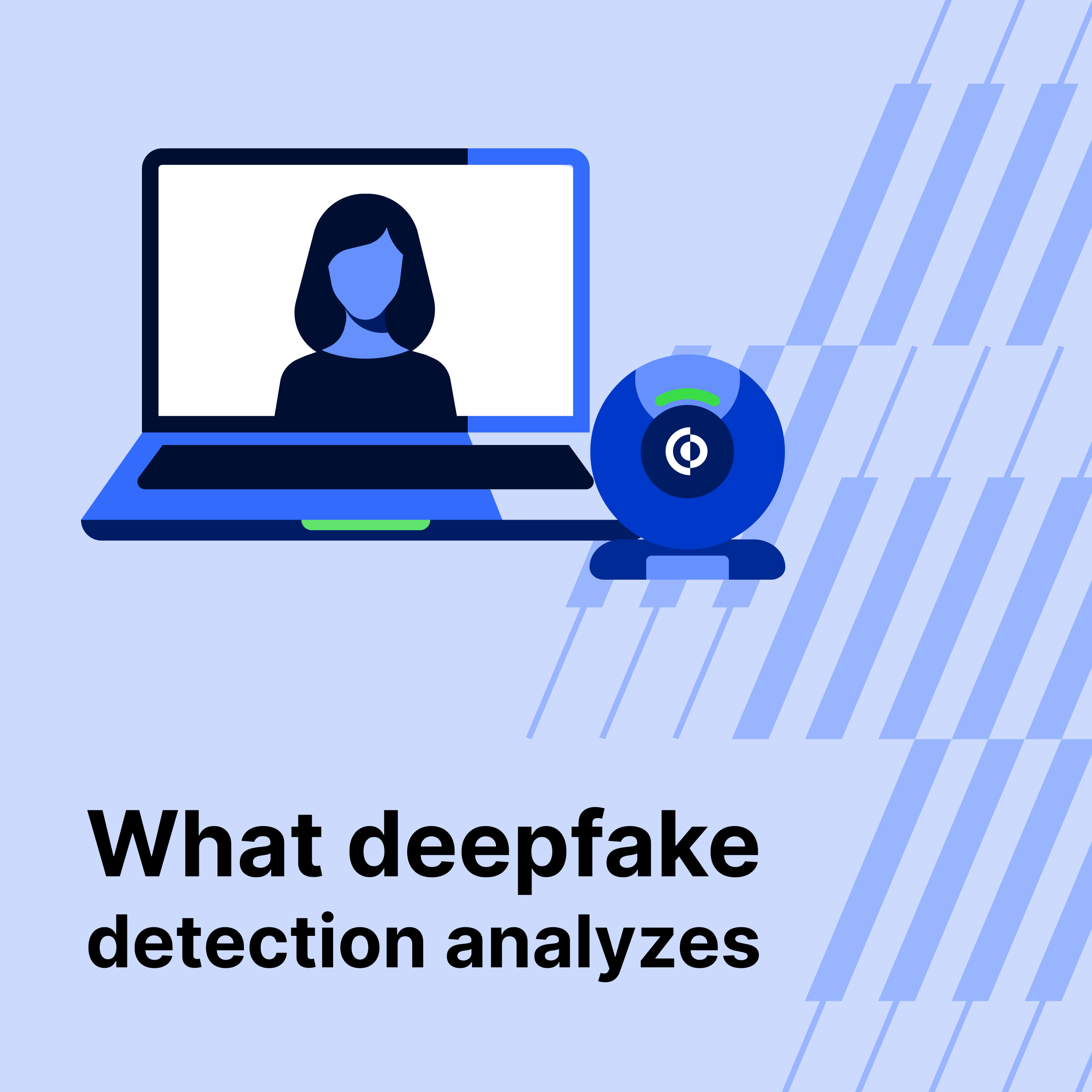
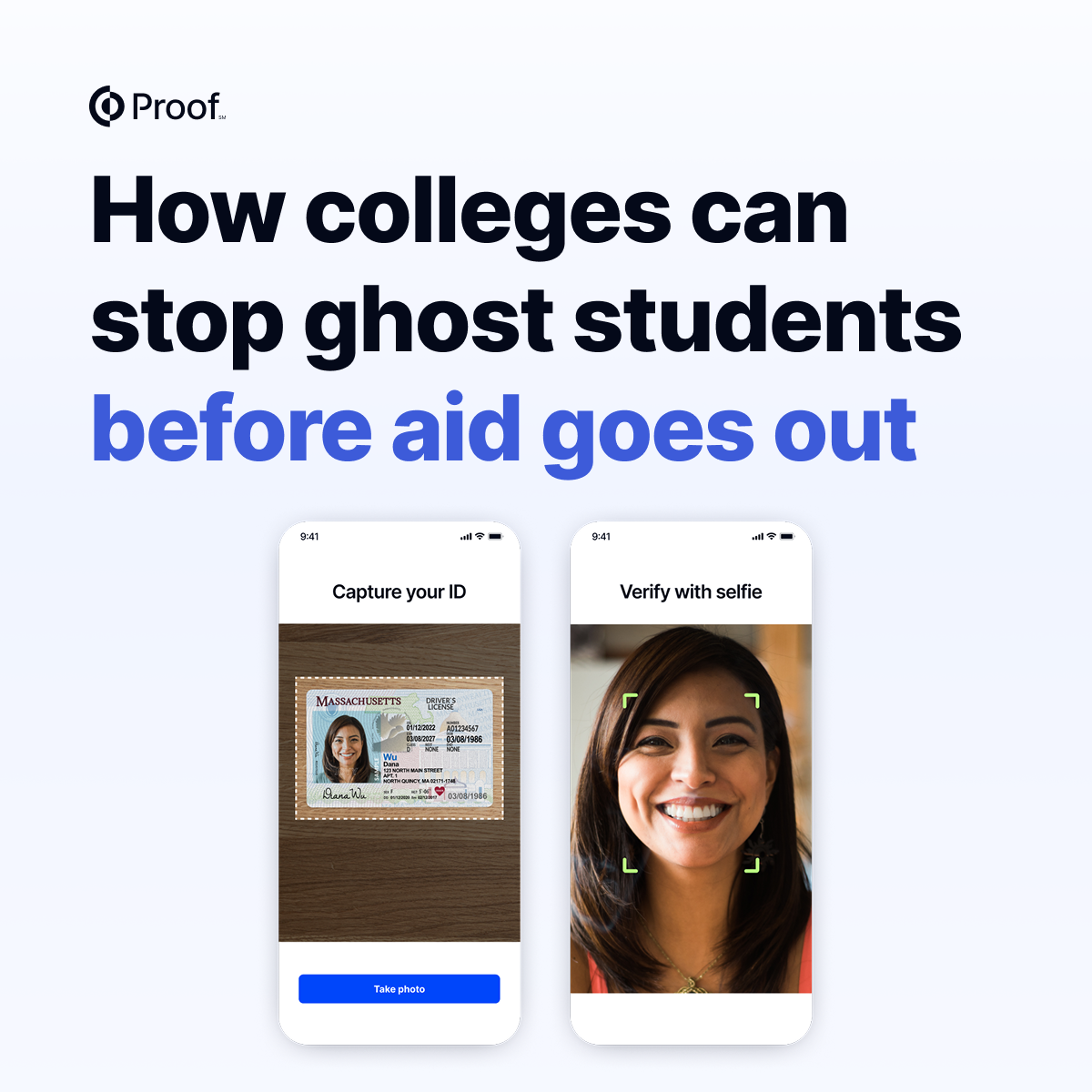
We built Identify to confirm that a person matches their government ID before a transaction goes forward. In an enrollment or aid workflow, it works like this:
- The applicant scans a QR code and completes verification on their phone.
- We check the government ID and match it to a live selfie, verified to the NIST IAL2 standard.
- If someone fails automated verification, a trained fraud agent reviews the session to determine whether the identity is genuine.
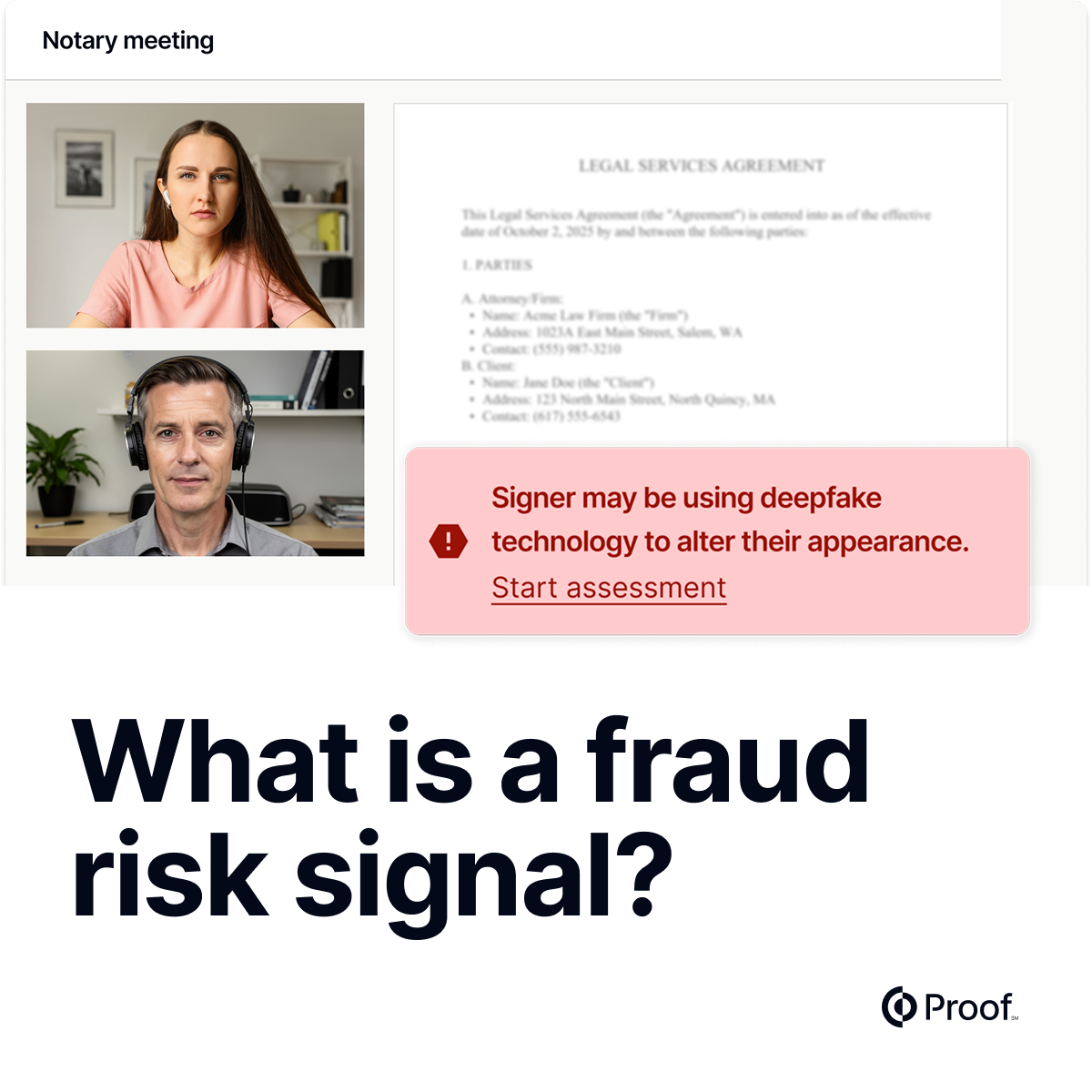
- More than 400 risk signals run in the background, and each session gets a low, medium or high risk rating.
- Each check produces a Proof identity report, a record of who was verified and when.
A school can run this at application, before aid is released, or at both points.
Stopping the next ghost student
Rice found out about the loan from an investigator in another state. With a verification step at enrollment, whoever used his identity would have had to match Rice's government ID with a live selfie before the school released any aid.
If you'd like to see where identity verification fits in your enrollment and aid process, you can book time with our team here.