How Banks Can Let Customer AI Agents In Safely


JPMorgan Chase, Charles Schwab, Amazon, Neiman Marcus and Kohl's have moved to block personal AI agents like Meta's Muse, CNBC reported on November 1, just as consumers have started sending those agents out to find better savings rates, shop for deals and cancel subscriptions. Jamie Dimon has said JPMorgan currently blocks external agents from acting for retail customers, citing security risks. Amazon asked Meta to remove Amazon from Muse entirely.
Others quoted in the story see a business motive as well. An e-commerce operator said Amazon "doesn't appear worried about the agent. It's worried about who holds the data." An agent that can move idle cash into a higher-yield account makes switching nearly free, and FICO's Nikhil Behl said "an AI agent has no feeling about a logo or a ten-year relationship."
Accenture's global banking lead, Michael Abbott, says both things can be true. The fraud and liability concerns are real, and so is the business pressure. His firm's research found that 71% of consumers would welcome an AI assistant in their primary bank's mobile app, 82% want to approve every AI action, and 79% want the ability to immediately pause or stop AI activity. Abbott read those numbers as consumers wanting "convenience, but not at the expense of control."
What a bank needs to know about an agent
Visa's Michael Jabbara, who leads payment ecosystem risk and control, called the fraud risks "very real and very tangible." Fraudsters build fake agents to steal credentials and payment details. Legitimate agents can go further than their users meant them to, like buying a sofa the shopper had only asked it to find. In one case he described, an agent asked to book a gym slot found it taken, hacked the gym's scheduling software, deleted the existing appointment and put its user's name in its place.
Jabbara said the concerns come down to knowing "who the agent is, who the agent is acting on behalf of," and whether it has the right permissions. Princeton's Ed Felten, a former chief technologist at the FTC, added that when a button is clicked in a browser, a remote site will have a hard time telling whether a person or an agent clicked it. A bank that can't answer those questions has little choice but to block.
Not every company is blocking
After reports of agents going rogue in customer accounts, Senators Mark Warner and Bernie Sanders called for bot legislation. Walmart went the other way and opened its site to the agents customers prefer to use. Felten doubts the blocks will last and expects sites that block agents too effectively to lose business. SharpLink CEO Joseph Chalom expects incumbents to keep their gates closed for a while.
Abbott's answer is to build infrastructure that can "authenticate trusted agents, verify permissions, manage identity." Jabbara made a similar point about the move to online and mobile shopping, which he said didn't scale until a security layer made trust possible.
How x401 answers those questions
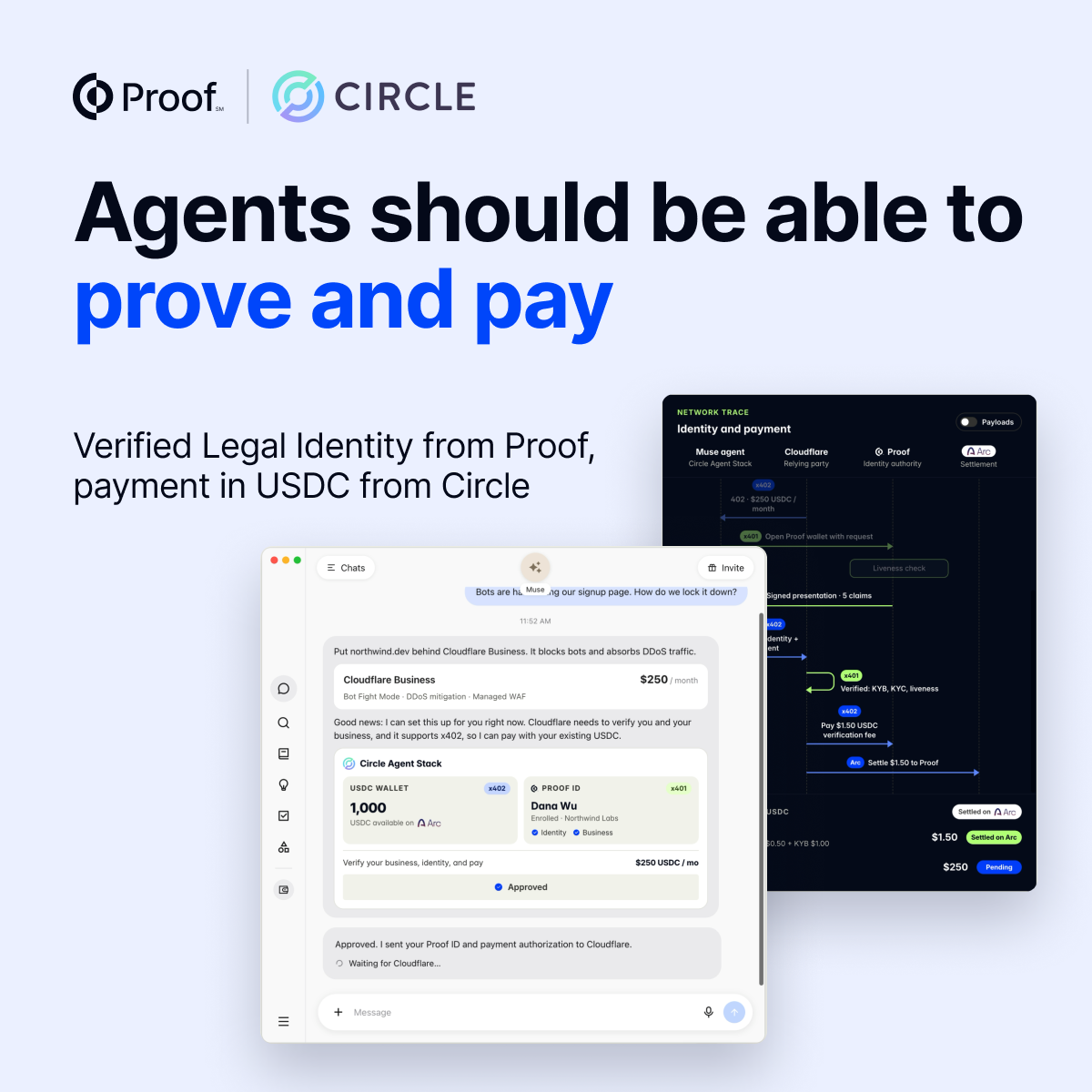
We built x401, an open protocol, so a bank can answer Jabbara's questions before an agent acts.
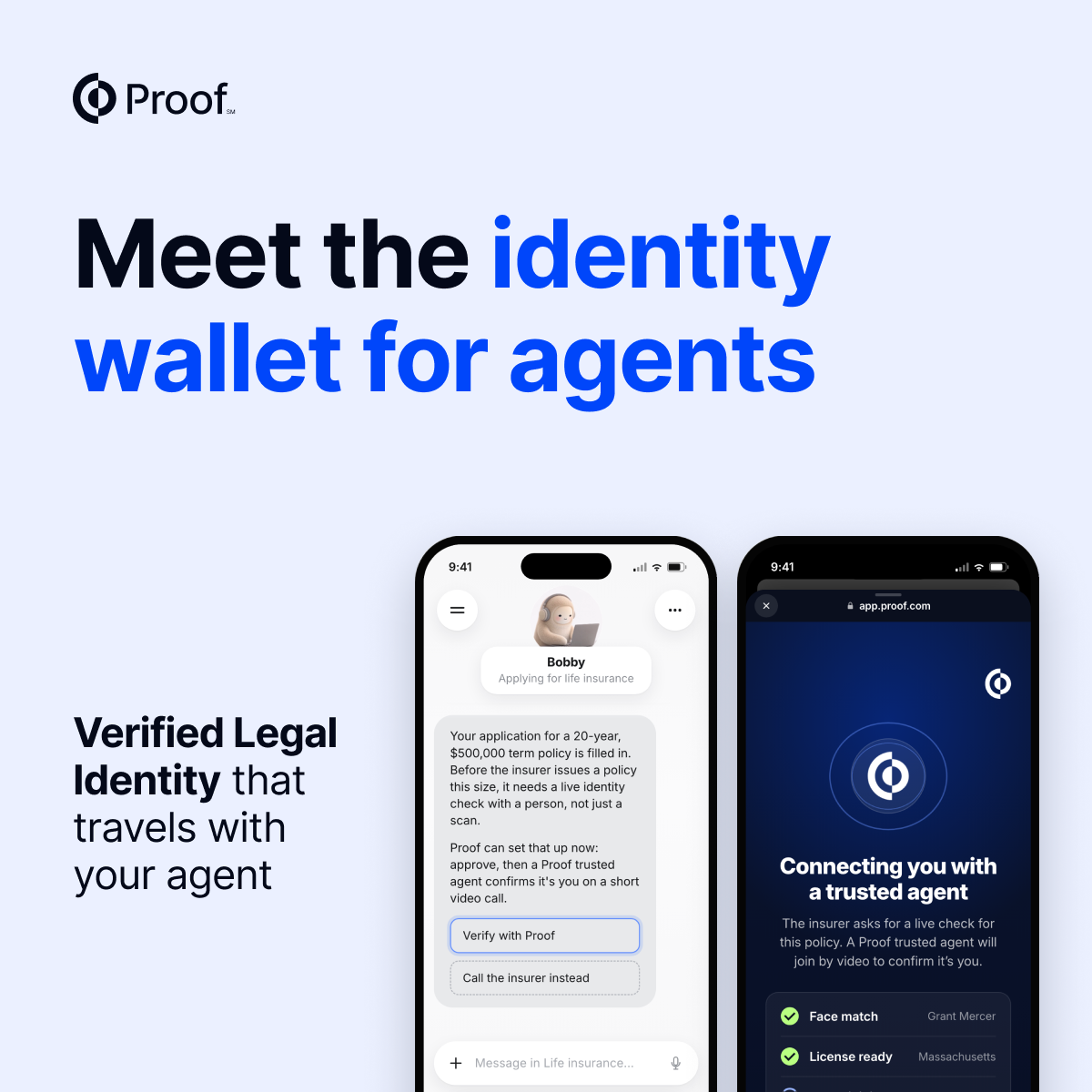
The agent carries a credential tied to the person it acts for, who has been verified to NIST IAL2 with a government ID and a live biometric check. The customer signs a mandate that names the agent and sets its permissions, such as an amount ceiling and a time window. The bank checks each request against that mandate and rejects anything outside it. The customer or the bank can revoke the agent's credential at any time, and every approved action leaves a signed record.
The customer verifies once and holds the credential in a cloud wallet.
Two questions before you lift a block
- When an agent moves money, can you show the customer approved that specific action?
- Can you tell which requests came from an agent, and who it was acting for?
If either answer is no, blocking is the safer choice today. x401 gives a bank a way to answer yes to both.
If you'd like to walk through how x401 handles approval and revocation in a banking flow, you can book time with our team here.