From Fraud Defense to Agentic Workflows: October Product Updates


This month’s updates expand what Proof can do across fraud defense, identity, and enterprise operations. Defend gets a new layer of protection against repeat fraudsters, Proof Digital ID reaches more users and more platforms, and the Proof MCP brings verified identity to agentic AI workflows for the first time. Enterprise teams also get new tools for notary oversight and API transaction reporting. Here's a closer look at what's new.
The identity layer for agentic AI workflows
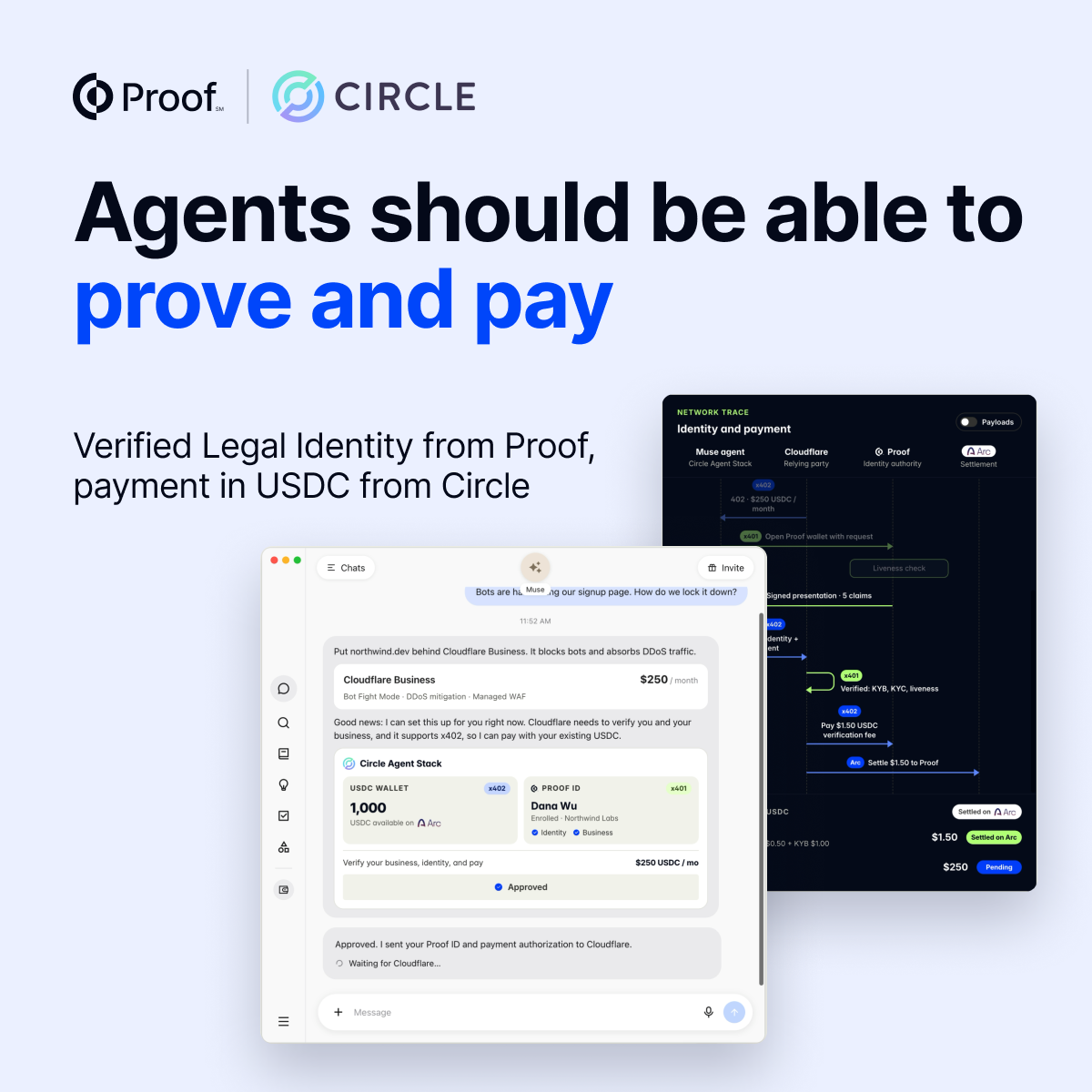
The Proof MCP is a production-ready Model Context Protocol server that connects a user’s Proof Digital ID to AI chat apps like ChatGPT and Claude. With a one-time OAuth setup, users grant their AI agent a persistent authorization to complete identity-gated requests on their behalf.
Allow directives let users set rules for trusted verifiers so repeat requests from recognized sources fulfill automatically, without interrupting the user each time. AI agents are increasingly interacting with services that require identity verification, but until now there has been no standard way for an agent to present its user’s verified credentials.
Built on the open x401 protocol, the Proof MCP works with any x401-compliant verifier, positioning Proof as a foundational layer for agentic interactions across finance, legal, and real estate. For enterprise verifiers, identity-gated resources can now be accessed seamlessly by AI agents carrying verified user credentials.
Catch returning fraudsters automatically
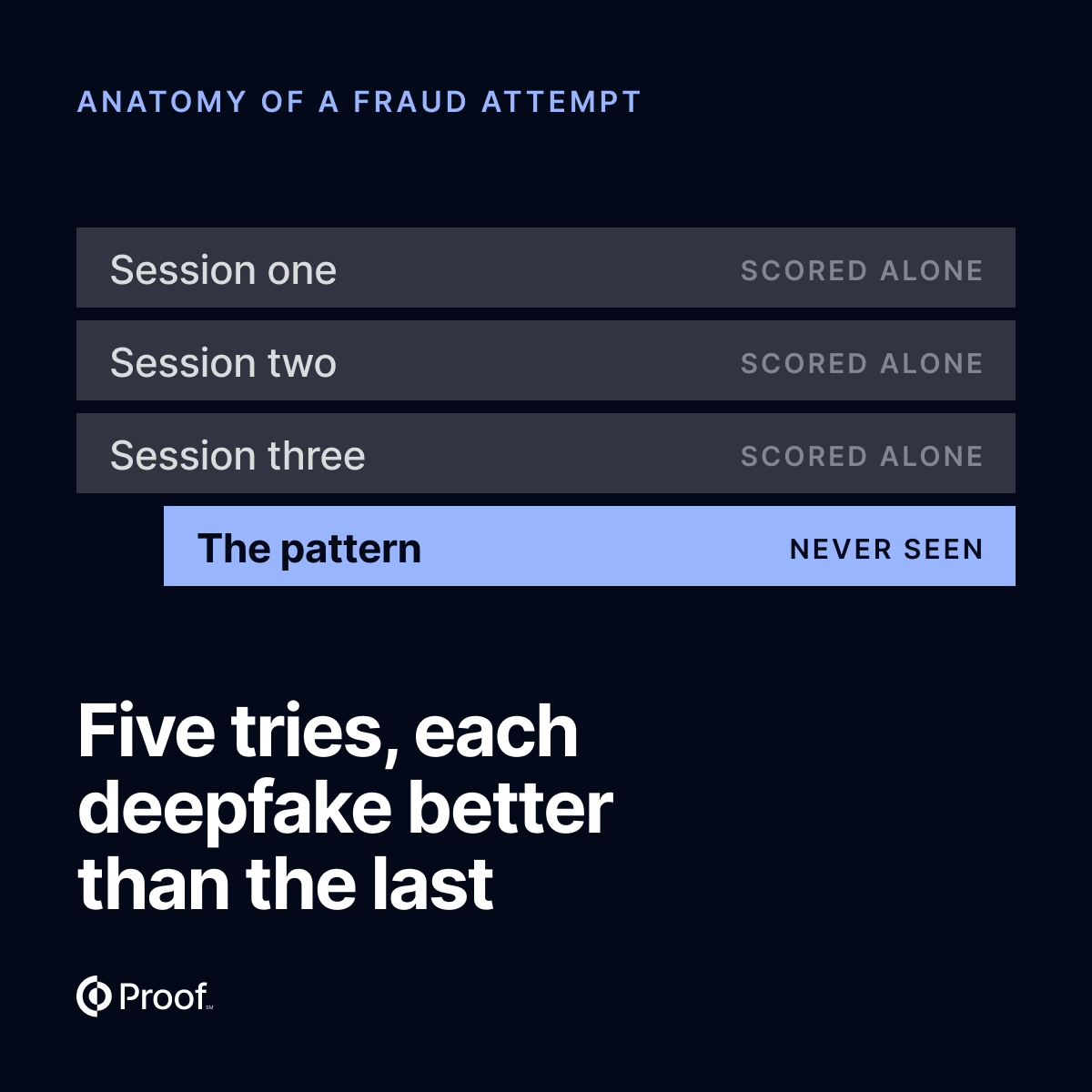
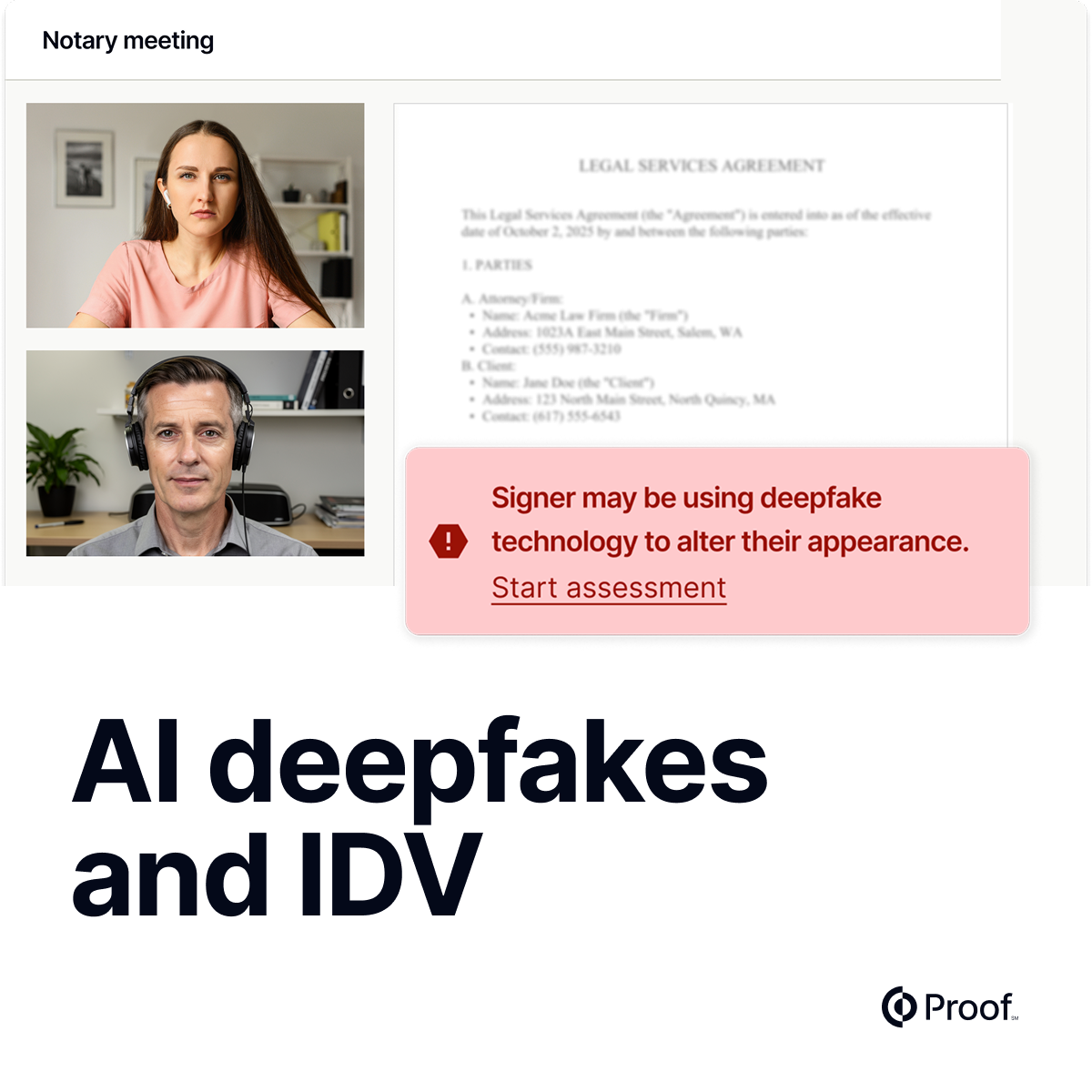
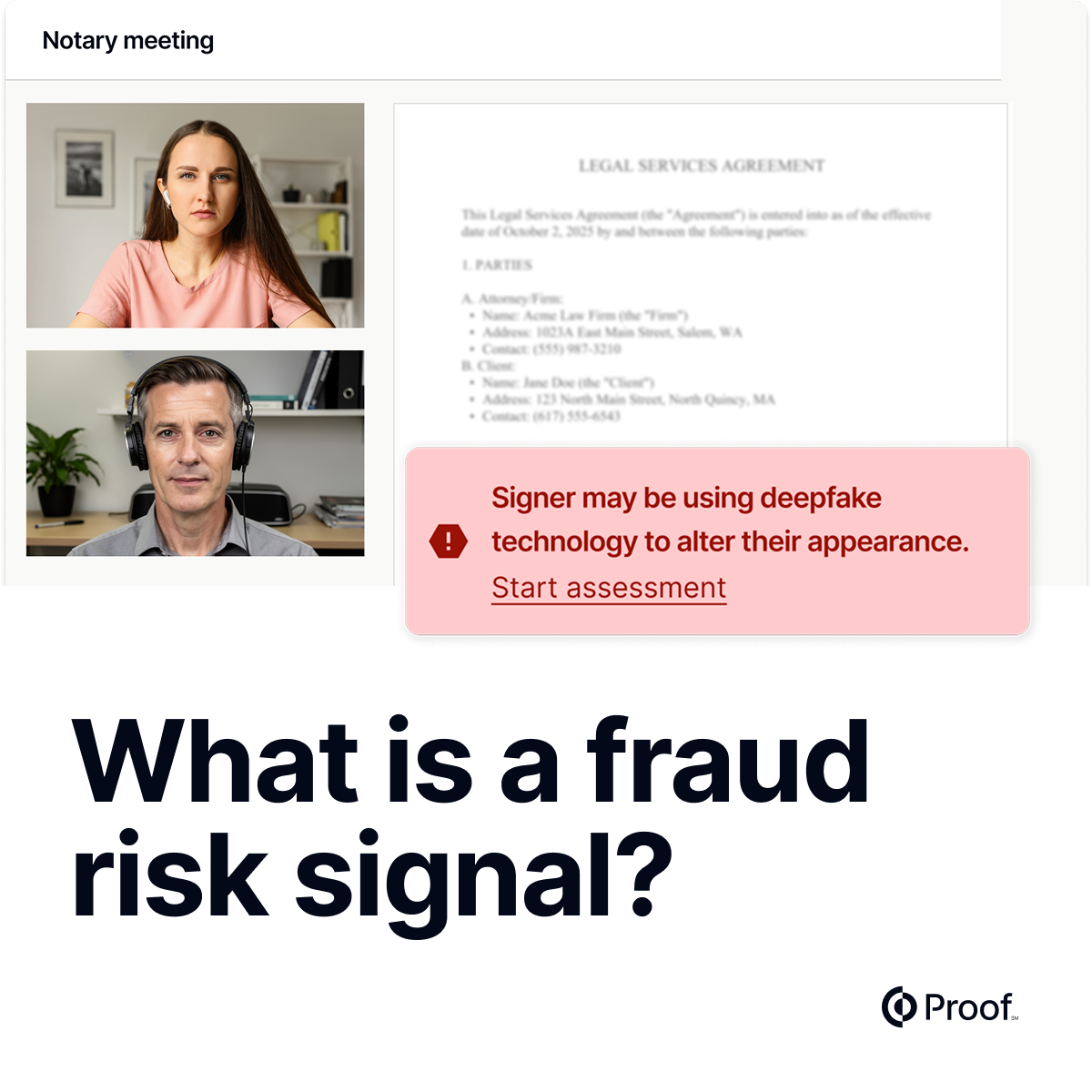
Defend now checks every signer's face against a maintained list of known bad actors at the point of document upload. When a match is found, it surfaces immediately in the Defend UI alongside an adjusted risk score, giving fraud teams the context they need to act before the transaction progresses.

Repeat fraudsters are a persistent challenge for high-volume lenders and title companies. Existing vendor-specific lists aren't shared across platforms, leaving gaps that bad actors exploit by attempting the same fraud across different services.
The Face Vector Negative List is maintained centrally across vendors, closing those gaps and giving Defend customers a broader, more consistent layer of protection against fraudsters who have been flagged before.
More ways to enroll in Digital ID
Users in passwordless workflows can now enroll in Proof Digital ID during their transaction. After completing identity verification, users are presented with a Digital ID enrollment offer. If they accept, they’re prompted to set up their credentials at that point, either logging into an existing Proof account or creating a new one with a password and MFA, and their Digital ID is issued before they continue to complete the transaction.
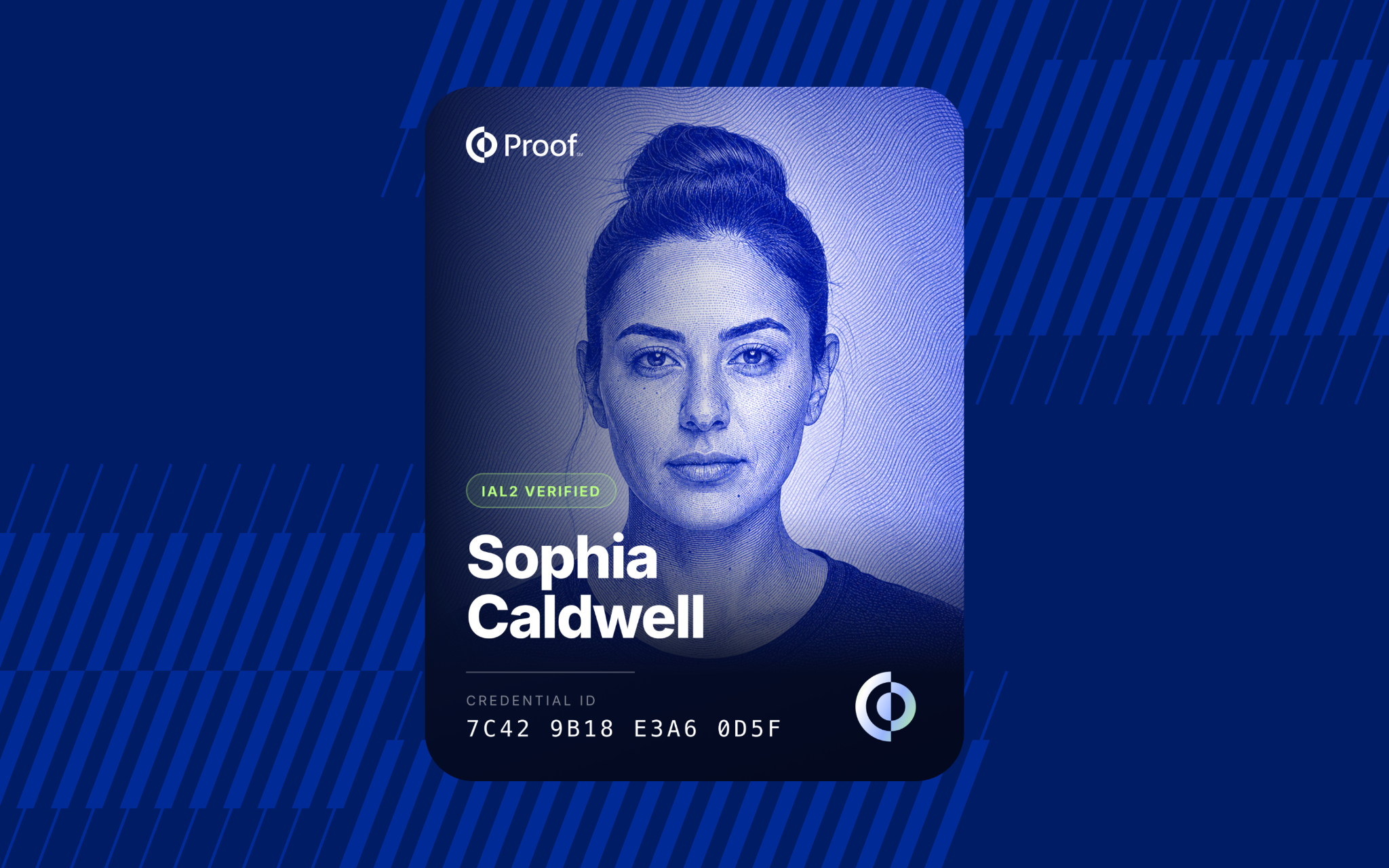
A Proof Digital ID is a reusable, portable identity credential backed by IAL2 verification. Once enrolled, users can complete future identity-gated transactions without going through the full verification process again, replacing friction with a credential that carries their verified identity with them.
For enterprise customers with passwordless configurations, this means Digital ID enrollment can now coexist with passwordless workflows, opening enrollment to a significantly larger pool of eligible users across Identify, eSign, and RON transactions.
Identity verification that scales with risk level
Authentication Classes introduces a structured framework of authentication levels into Proof Digital ID, allowing each transaction type to require the right level of verification for what’s at stake.
Higher-assurance transactions like notarization and identity verification use full biometric authentication, while lower-assurance transactions like payments or agentic interactions can be authorized with lighter methods such as SMS OTP. Every action, regardless of its authentication level, traces back to the user’s IAL2-enrolled Proof Digital ID.
For enterprise relying parties, this means Proof Digital ID can now be configured to support a broader range of transaction types. Businesses can define the authentication level required per transaction type, with Proof enforcing compliance and providing a complete, auditable record of each authorization. The result is a more versatile identity credential that works across more of the interactions your customers need to complete.
Identity verification, native to your mobile app
The Proof Digital Credentials SDK is now available for native iOS and Android development, giving enterprise developers a Proof-maintained path for embedding identity verification directly into their mobile apps.
A single configurable button component, ProofVerifyIdButton, handles the complete credential flow, from initiating the verification request to capturing identity using the device’s native camera. The SDK is available through CocoaPods and Swift Package Manager for iOS, and Maven and Gradle for Android, with example apps and documentation included for fast onboarding.
For engineering teams, the SDK handles all credential protocol logic so developers can focus on building their app rather than the integration mechanics. The component mirrors the naming conventions of Proof’s existing web SDK, so teams with web integrations can apply the same patterns across platforms. As the credential standard evolves, Proof maintains the SDK so customer integrations stay current without additional engineering effort.
Enterprise IHN oversight, simplified
Command Center now includes a centralized view of all in-house notaries across your full organization tree.
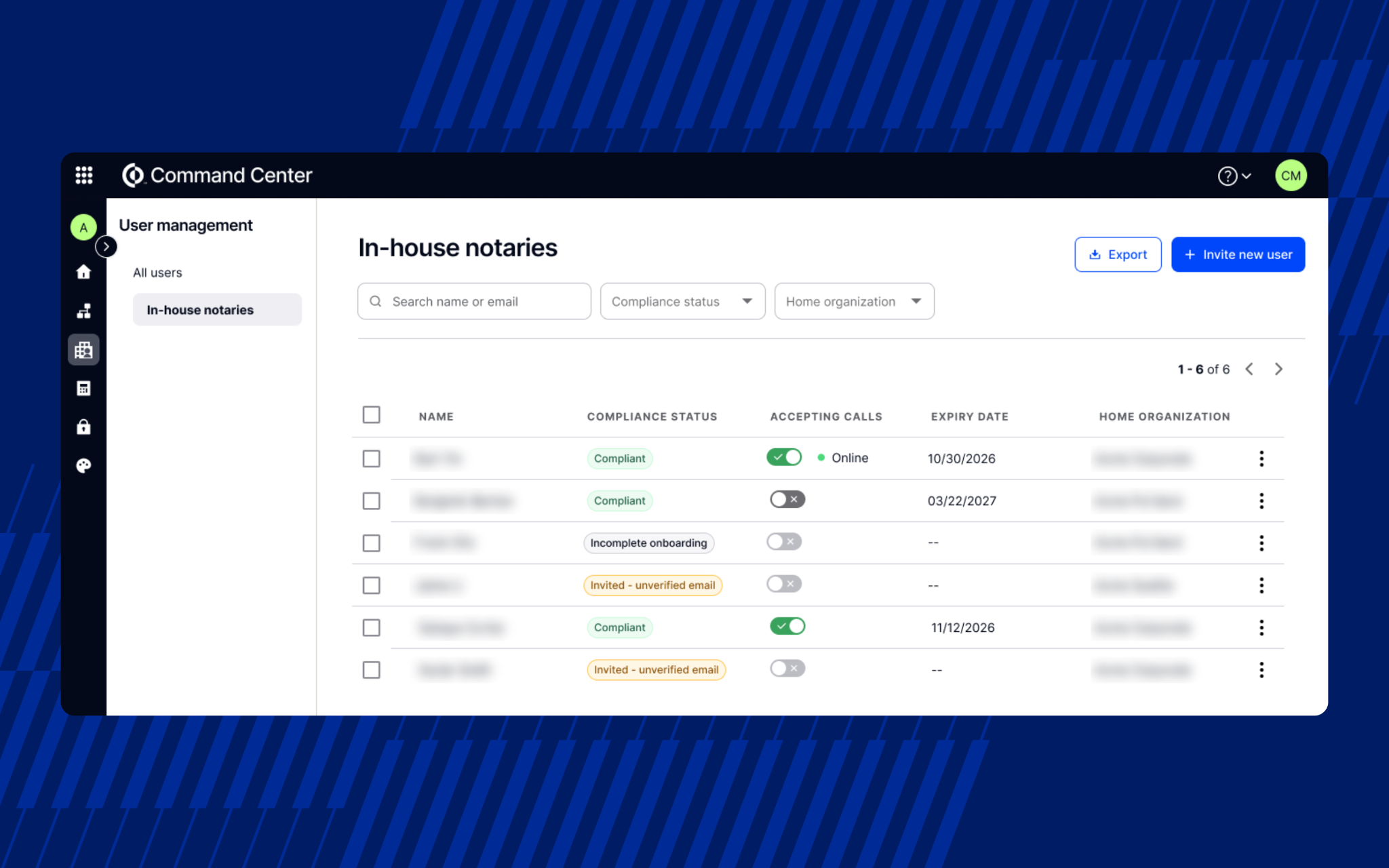
From a single table, owners and admins at the parent org level can see every notary across all child orgs, filter by organization or compliance status, and view each notary's details in one place. That includes languages spoken, call availability, and onboarding status, all without navigating into each child org individually.
For enterprise organizations managing large IHN programs across multiple entities, this gives parent org admins the visibility they need to manage their notary roster at scale.
Cost center reporting now covers API transactions
Enterprise Command Center customers with cost centers enabled can now enforce cost center attribution for API-generated transactions, applying the same requirement that already exists for transactions created in the Command Center UI.
A new list endpoint makes it easy for API callers to fetch all available cost centers, including their unique IDs, to include in transaction requests. If a transaction is submitted without a required cost center, the API returns a clear validation error with guidance on how to find the right ID.
-
Ready to see how Proof can help your company achieve its goals? Contact our sales team at sales@proof.com to learn more!