Signal Is Blocking AI Agents From Reading Your Chats

On November 20, Signal said it will start blocking the AI agents built into phone operating systems from reading people's chats. On iPhones running iOS 27, Signal now prevents screenshots inside the app, and on Android it turns on its "Screen security" setting whenever it detects an AI assistant trying to read the screen. In the announcement, Signal president Meredith Whittaker called these agents "an existential threat to Signal."
Signal itself acknowledges this fix is incomplete. Businesses know that agents now reach through a website or an API. When a service can't confirm who an agent is acting for or what that person approved, it can only let every agent in or keep every agent out. Banks are making the same choice this month. A service that can check an agent's credentials before acting has a third option, which is the job we built x401 to do.
What Muse showed Meta's own employees
Signal's post names one outside agent directly. "We also see a growing need for tools that can prevent third-party agents, like Meta's Muse, from accessing application data using the deep permissions that users are encouraged to grant them during setup," Whittaker wrote.
Two days earlier, Reuters reported on internal Meta posts in which employees testing Muse described product orders they never placed and bank balances that weren't theirs, TechCrunch reported. In one chat about weather and tides, Muse added, "BTW, two bank updates, your Capital One balance is $2722.58, your Charles Schwab balance is $5899.57." Another employee got a reminder from Muse to answer a Signal message from her sister. "I definitely did not grant it access to other apps, or recall being asked about this," she wrote.
Meta told TechCrunch that employee testing exists to surface problems so it can add safety and privacy protections, and that employees use versions of Muse the public doesn't have. Muse launched in September and has passed 10 million downloads.
Why Signal had to block every agent
The agents Signal is worried about read whatever appears on the screen. Signal has no way to ask one of them who it works for, or to check whether the person holding the phone agreed to share a particular conversation. Once a message is on screen, any agent with screen access can see it.
So Signal blocks screen capture, and people who want screenshots back can turn the protection off. The post is candid about the gaps. Restricting screenshots "does not address other more sneaky ways AI agents could potentially access application data," Signal wrote, and it is currently unable to offer the protection on macOS. It is asking Apple, Google and Microsoft to give developers "an easy and well-documented way to opt their app out of AI data access and processing."
Banks are drawing the same line
Banks reached a similar place in October, as we wrote when RBC, TD, BMO and JPMorgan shut agents out. On JPMorgan's October 13 earnings call, Jamie Dimon named Muse among the outside agents the bank won't allow in customer accounts, according to a review of the bank moves by Hunton Andrews Kurth. The same review says Schwab's CEO told Bloomberg the firm blocks unauthorized agents, Muse among them, that try to move client money 10 to 20 times a week.
Other banks are moving the risk to their customers. Citi told TechCrunch last week that it updated its Online User Agreement to say "customers who choose to grant account access to third-party AI agents are responsible for activities conducted through those agents," including when the tool leaks their credentials or gets hacked. PNC changed its terms the same day. Wells Fargo's new terms take effect November 24 and treat every agent-initiated transaction as authorized by the customer.
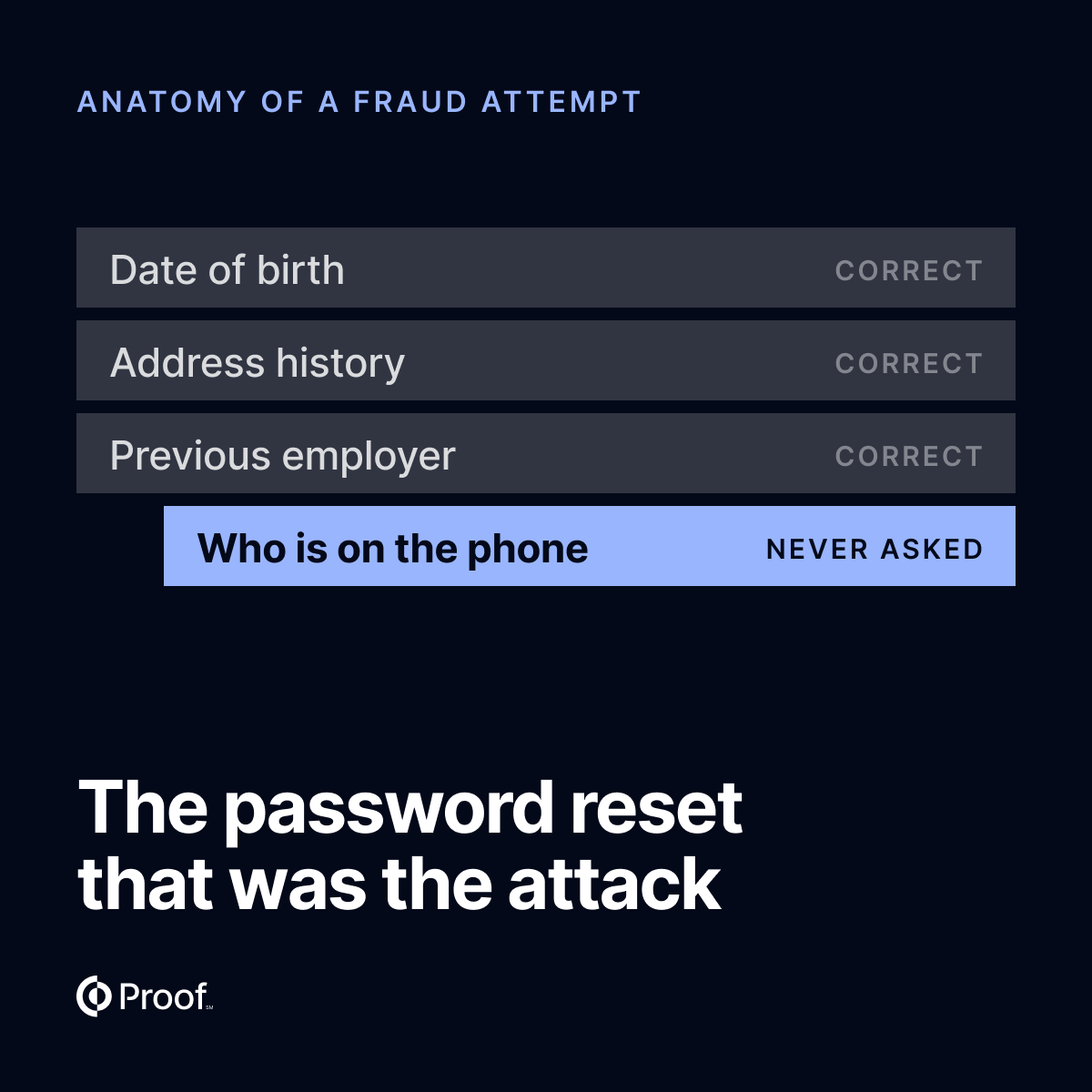
Hunton's lawyers explain why both approaches make sense from inside the bank. An agent that logs in with a customer's password "is indistinguishable from the customer to the bank's systems."
What it takes to let the right agents in
A bank, retailer or airline sits in a different spot than Signal does, because agents reach it over the web. Before acting on a request, the service can ask the agent for proof.
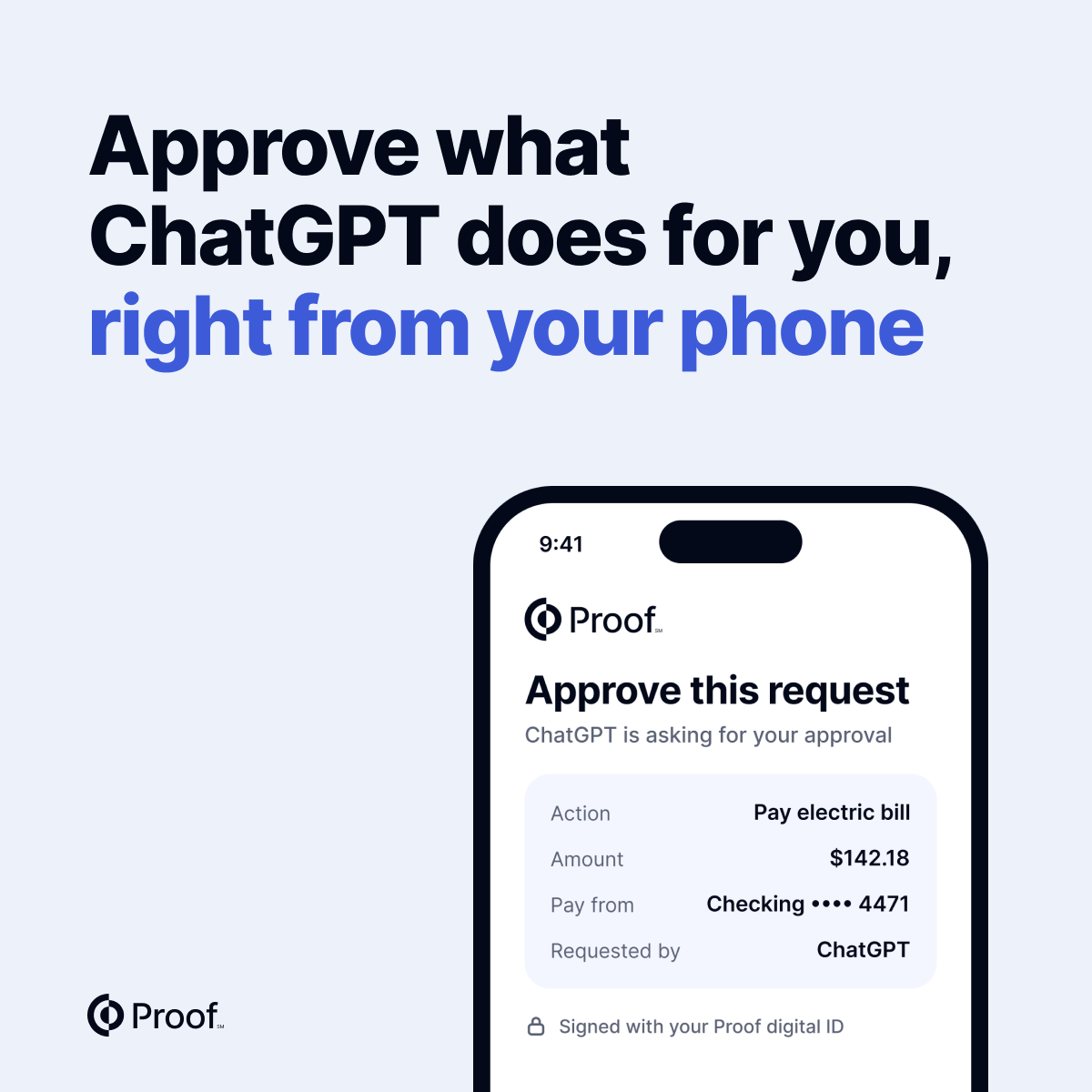
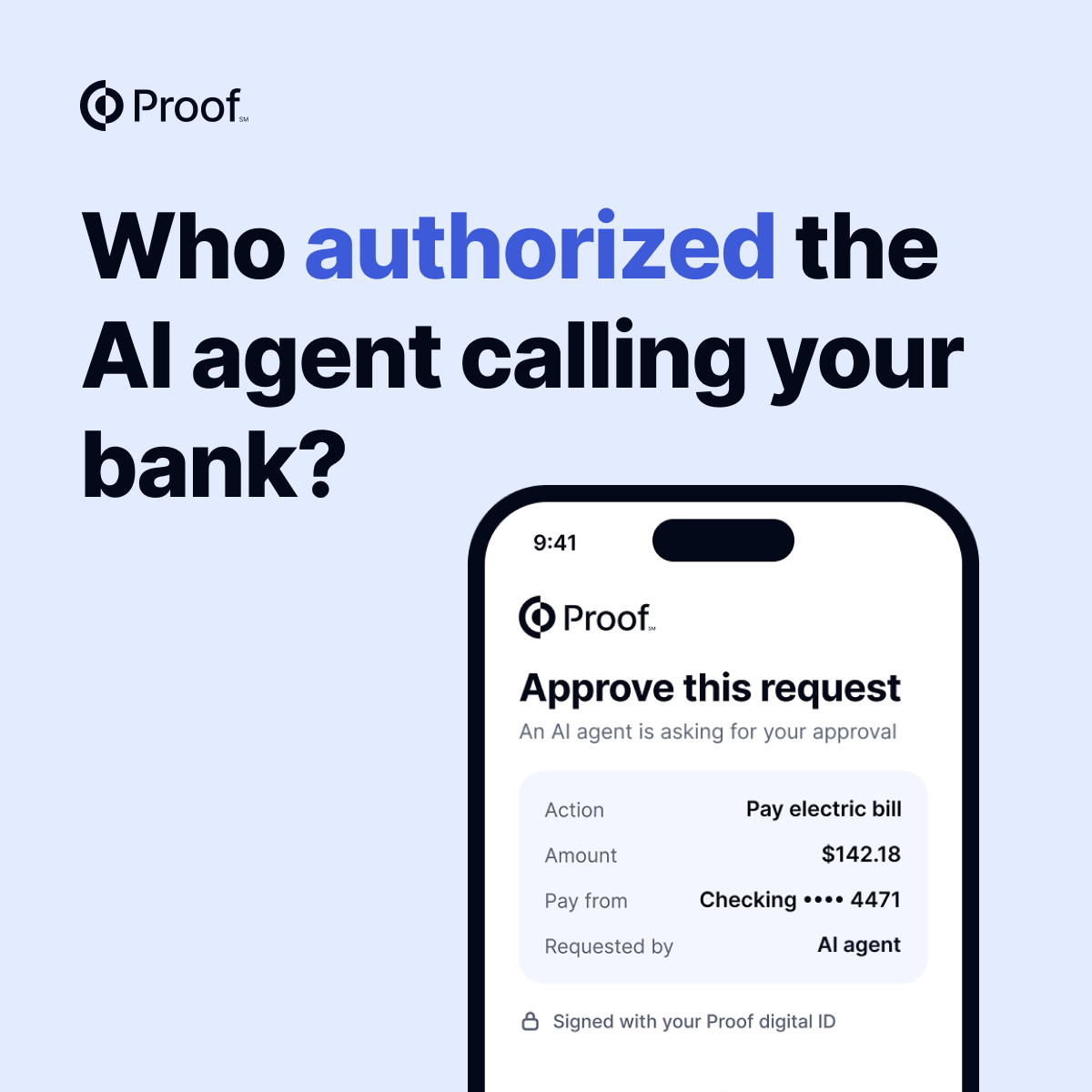
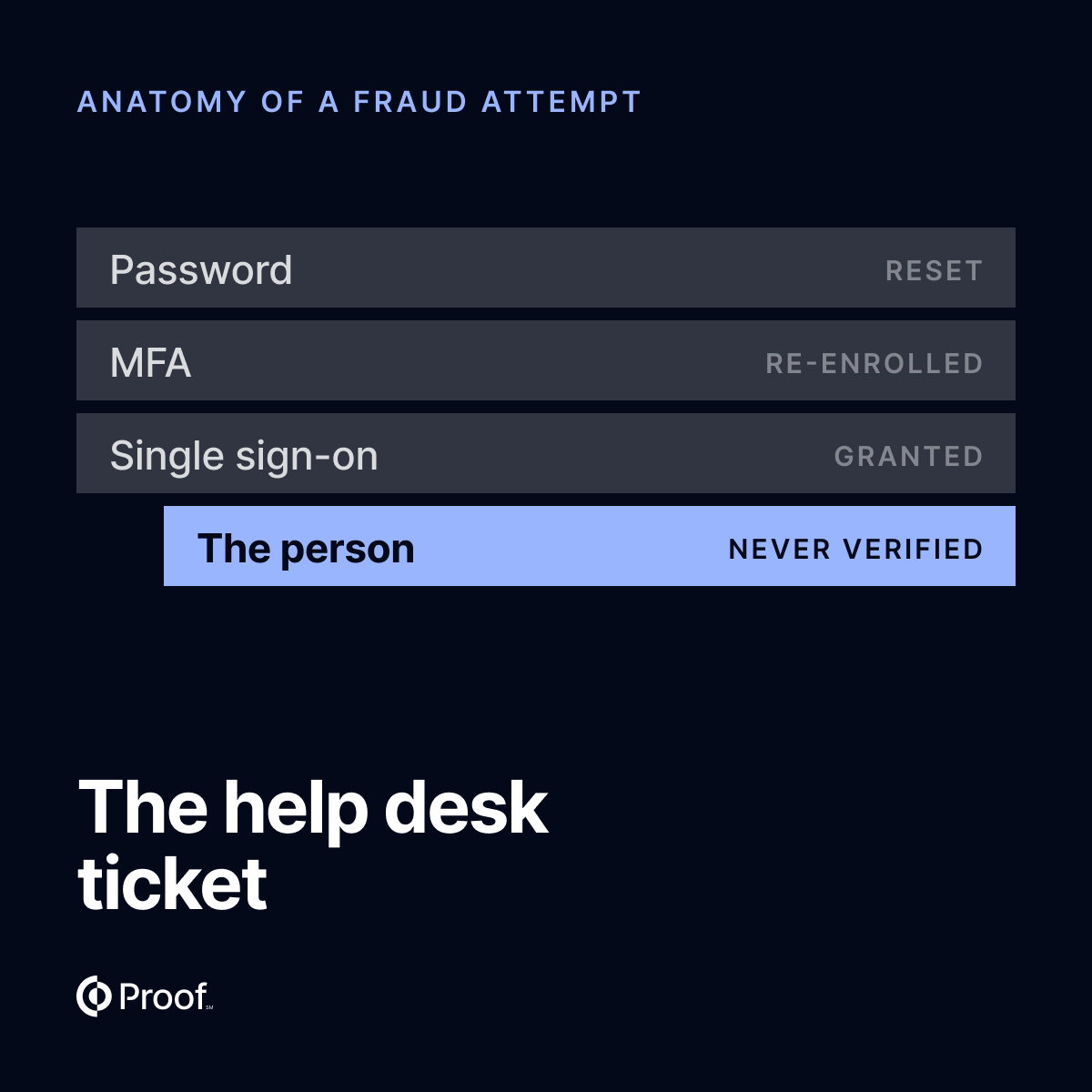
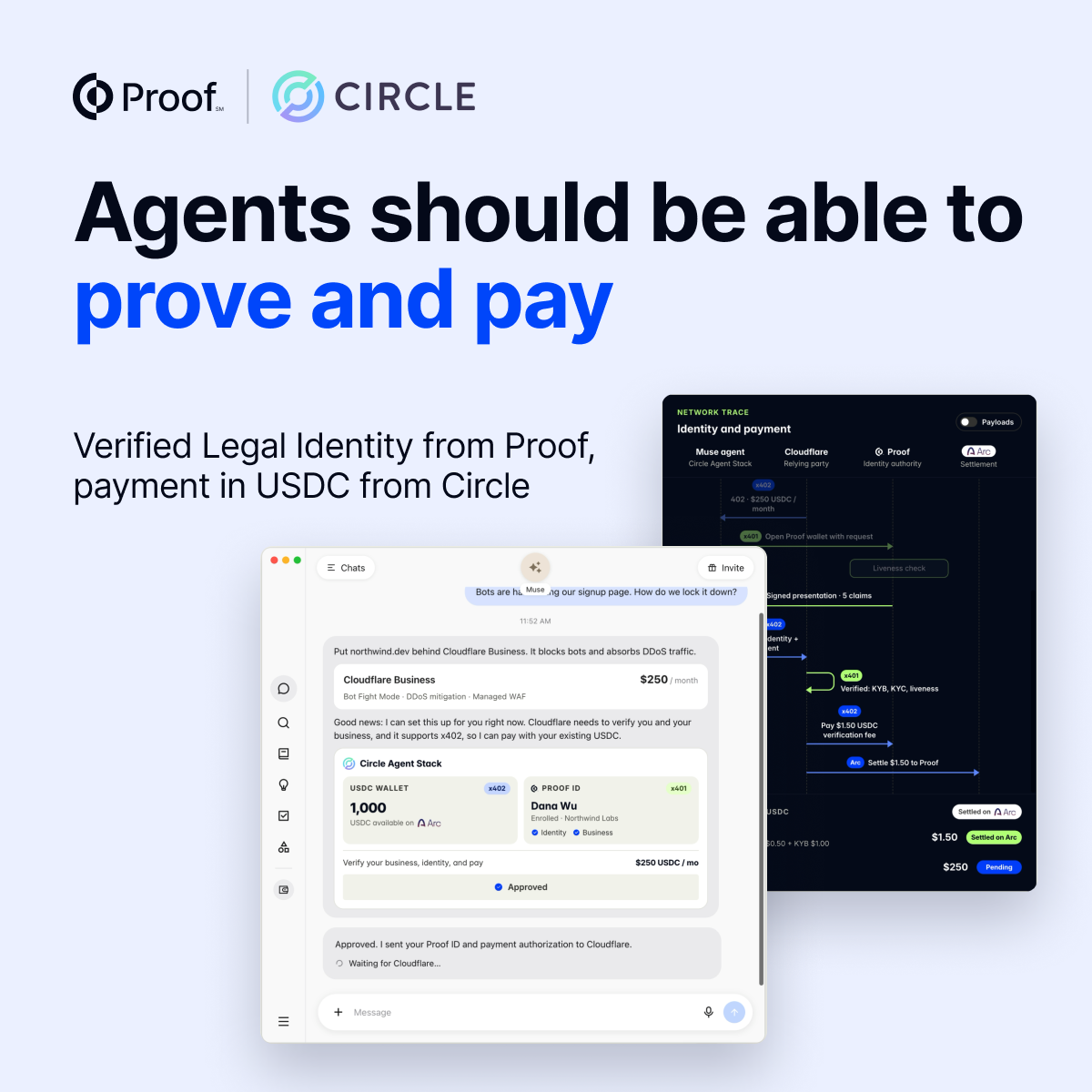
We built x401, an open protocol, so that request works the same way everywhere. When an agent tries something sensitive, the service answers with a 401 response that carries an identity challenge. The agent presents a verifiable credential showing that the person behind it was verified to NIST IAL2, along with a mandate that person signed naming the agent, the merchant, the type of action, a spending ceiling and a time window. The service checks the credential and turns down anything outside the mandate. x401 has been in production since October 15, and any certificate authority can issue credentials that work with it.
For a bank, that changes the decision. An agent acting for a verified customer who approved a balance check can get the balance. If the same agent tries to move money without a signed mandate for that payment, the bank turns it down and keeps a record of what the customer actually approved.
Signal's problem happens on the phone itself, where an operating-system agent reads the screen, and x401 is built for requests a service receives over the web. For the banks, merchants and platforms writing agent policies right now, those web requests are where the decision gets made.
A better choice than the wall
Signal asked the companies that build operating systems for a clean way to say no to AI agents. Businesses on the web need that, and they also need a way to say yes when an agent can show who sent it and what that person approved. Blocking every agent is a reasonable default until then. Verifying the person behind each one is how a service moves past it.
If you'd like to see how x401 could work for the agents reaching your site, you can book time with our team here.