Candidate Fraud and the Continuity Gap in Remote Hiring

Onsite interviews had a security model that nobody ever designed on purpose. A recruiter met the candidate in the lobby, walked them to the first conference room, came back at the top of the hour and walked them to the next one. Five interviewers over the course of a day all met the same person, because a colleague kept physically handing that person off.
Nobody called it identity verification, but that walk down the hallway was doing the work of it.
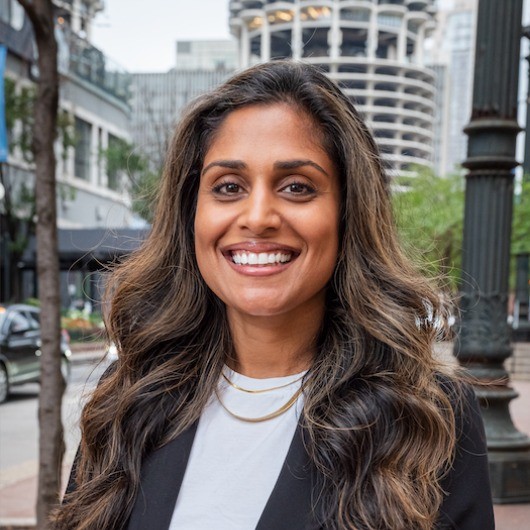
Then hiring went remote, and we kept all five interviews while losing the hallway entirely. Proof Principal Product Manager Lauren Furey calls what went missing “identity continuity”, and she talked it through with Matt Alder on episode 825 of Recruiting Future.
The gap sits between the rounds
Most hiring processes verify identity exactly once, at the background check, after the offer is already out. Everything upstream of that runs on recognition, which in practice means a face on a screen that looks close enough to a LinkedIn photo to keep going.
Count the handoffs in your own loop and you'll see it. Recruiter screen, hiring manager, skills assessment, panel. Each one brings in a colleague who has no idea who sat in that chair last round, which is exactly how interviewing is supposed to work and is also the way in.
So a proxy operation doesn't have to beat your whole process, it just needs one seam. One person clears the recruiter screen, a stronger engineer takes the technical assessment, and the panel meets whoever is most convincing on camera. Nobody raises a hand, because nobody in the chain has anything to compare against.
What this looks like when somebody runs it at scale
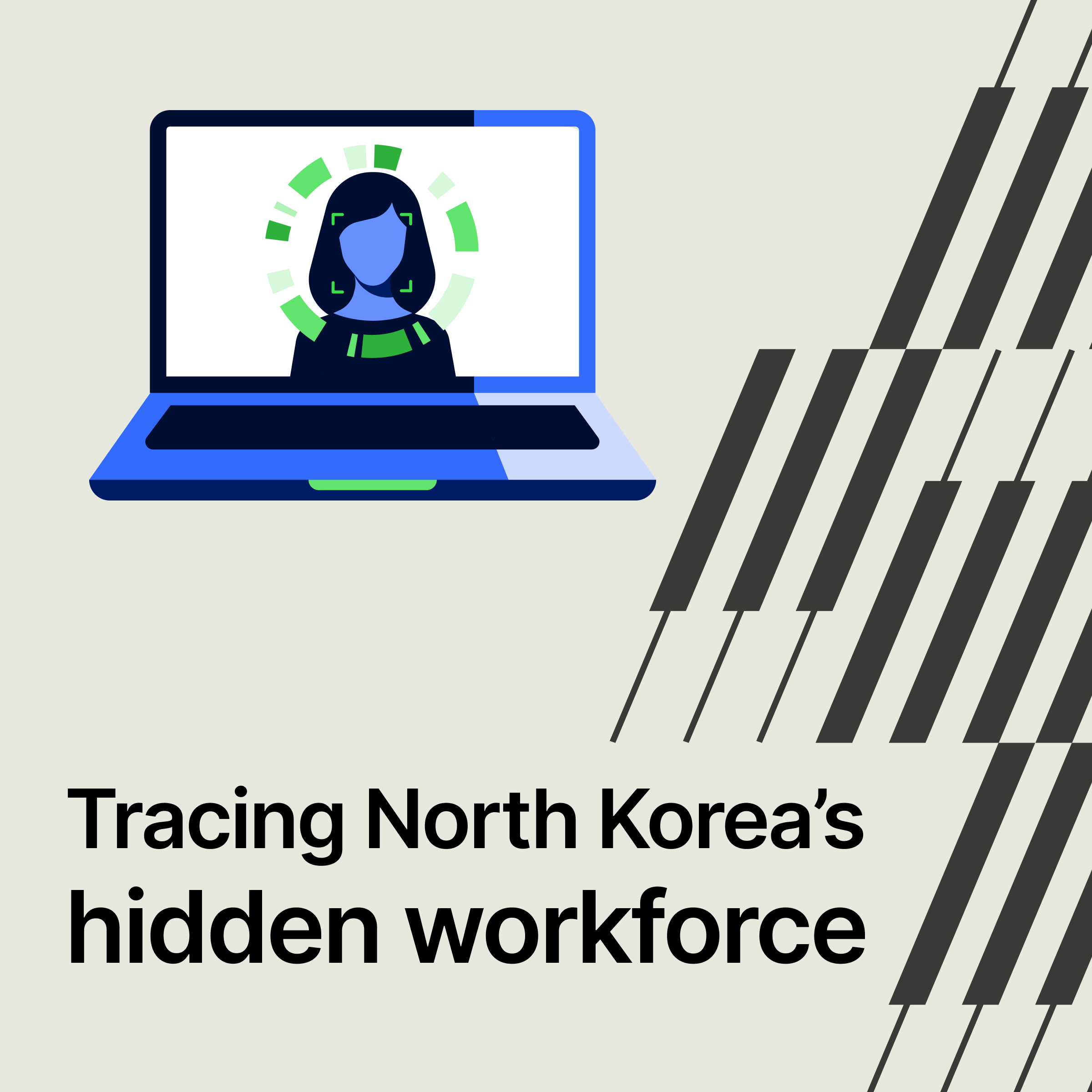
Christina Chapman ran a laptop farm out of her house in Litchfield Park, Arizona. Companies shipped work laptops to her address thinking they'd hired Americans, and she kept the machines online so the logins looked domestic while North Korean IT workers did the actual jobs from overseas. She shipped another 49 laptops abroad, some of them to Chinese cities near the North Korean border.
By the time the Department of Justice finished counting, the scheme had reached 309 US businesses, used 68 stolen American identities, and generated more than $17 million routed back toward the DPRK. Chapman was sentenced to 102 months in July 2025.
The victim list included Fortune 500 companies across technology, aerospace, automotive, and media. Those recruiting teams were running the same loop you're running right now.
And Gartner expects one in four candidate profiles worldwide to be fake by 2028.
Your recruiters are already catching this without a tool
We put live polls in front of a few hundred HR professionals during a recent webinar with SHRM. More than 40% had confirmed or strongly suspected candidate identity fraud in the past 12 months, and only 15.3% said they'd be extremely confident their process would catch an AI-generated candidate. Meanwhile, 80% don't verify identity before the offer goes out.
Which means the people catching this are catching it by eye, on instinct, against video tools that cost nothing today and would have needed a studio three years ago. That's a lot to ask of a gut feeling.
Give the next interviewer something to check against
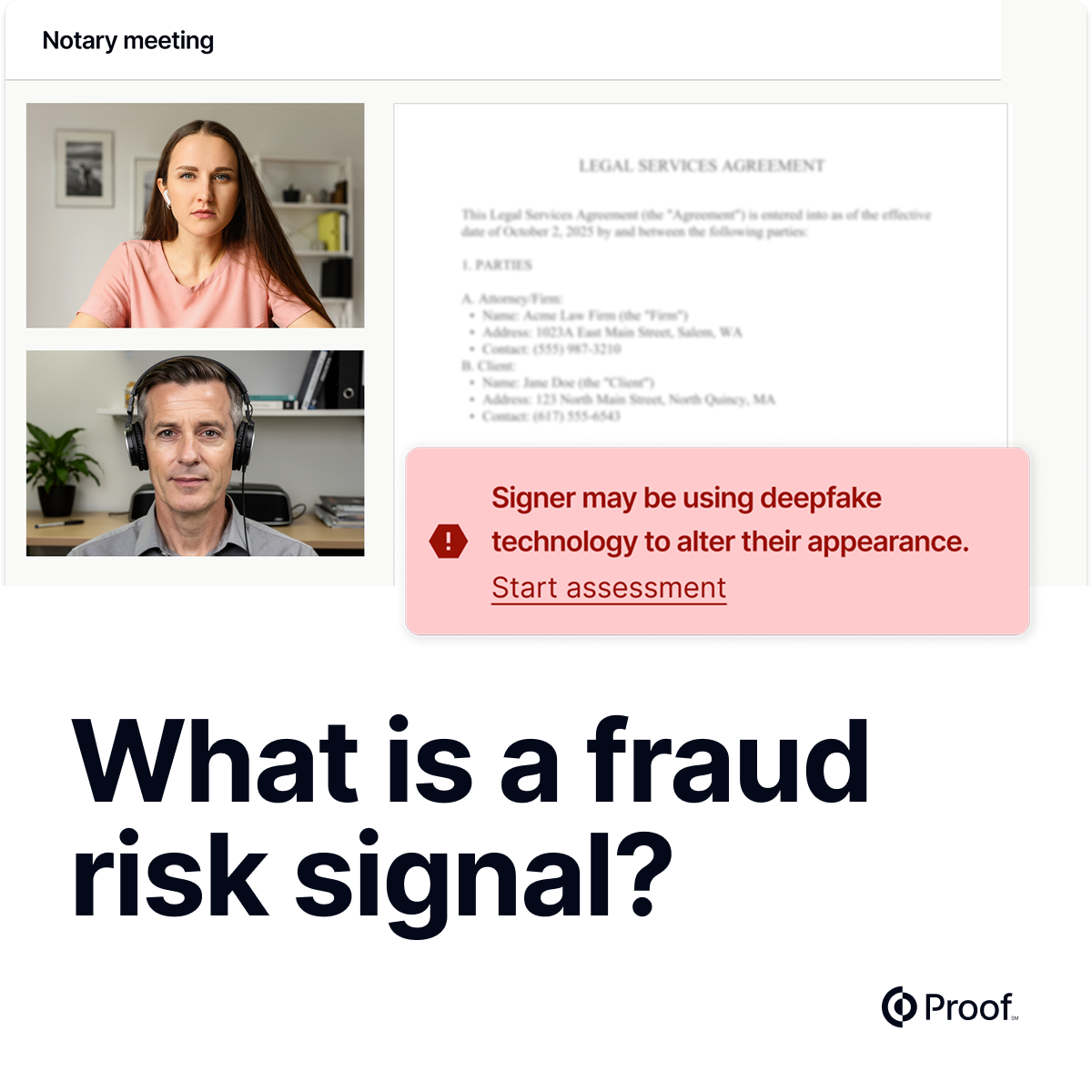
The fix is a reference point. Verify the candidate once, early, and leave something behind that the next interviewer can actually look at, like a verified image sitting on the candidate's record in Greenhouse or Lever where whoever picks up the next round can see it. If you want a harder gate, you can require a selfie match against that credential before each session unlocks.
Where you put it is a conversion decision before it's a security one. Drop verification onto the application itself and you'll lose the passive candidates who were already doing you a favor by replying at all. Our recommendation is to put it just ahead of the hiring manager interview or the phone screen, where the candidate has something real to gain by finishing it.
And yes, it adds a step, but it also does some filtering for you: anyone who'd rather walk away than prove they're real was never going to be your hire.
Go listen to the episode
Lauren and Matt talked through a lot in their podcast episode, including where verifiable credentials take hiring by 2027, why candidates are going to start asking for this protection on their own behalf, and the three-part plan she gives teams that haven't started yet.
Listen to Ep 825: The Real Risks of Candidate Fraud
Want identity continuity inside the ATS you already use? See how candidate fraud protection works with Proof >


















.jpg)





























.jpg)