Agents Will Shop Black Friday: A Per-Action Policy for Merchants


Black Friday is November 27, and some of the traffic reaching your store will be agents.
Adobe expects AI-driven traffic to retail sites to grow 130% year over year this holiday season, with ecommerce making up one of every four dollars spent on retail goods. That counts shoppers clicking through from a chatbot, and Adobe doesn't break out agents that place the order themselves. Some already do. For example, Meta released its Muse agent, which can complete purchases, on September 8.
Amazon blocked Muse on September 20, citing concerns that the agent didn't identify itself and moved through accounts without Amazon's knowledge or consent. But blocking turns away the customers whose agents were legitimate. Letting every agent through leaves you holding orders that nobody can show a person approved.
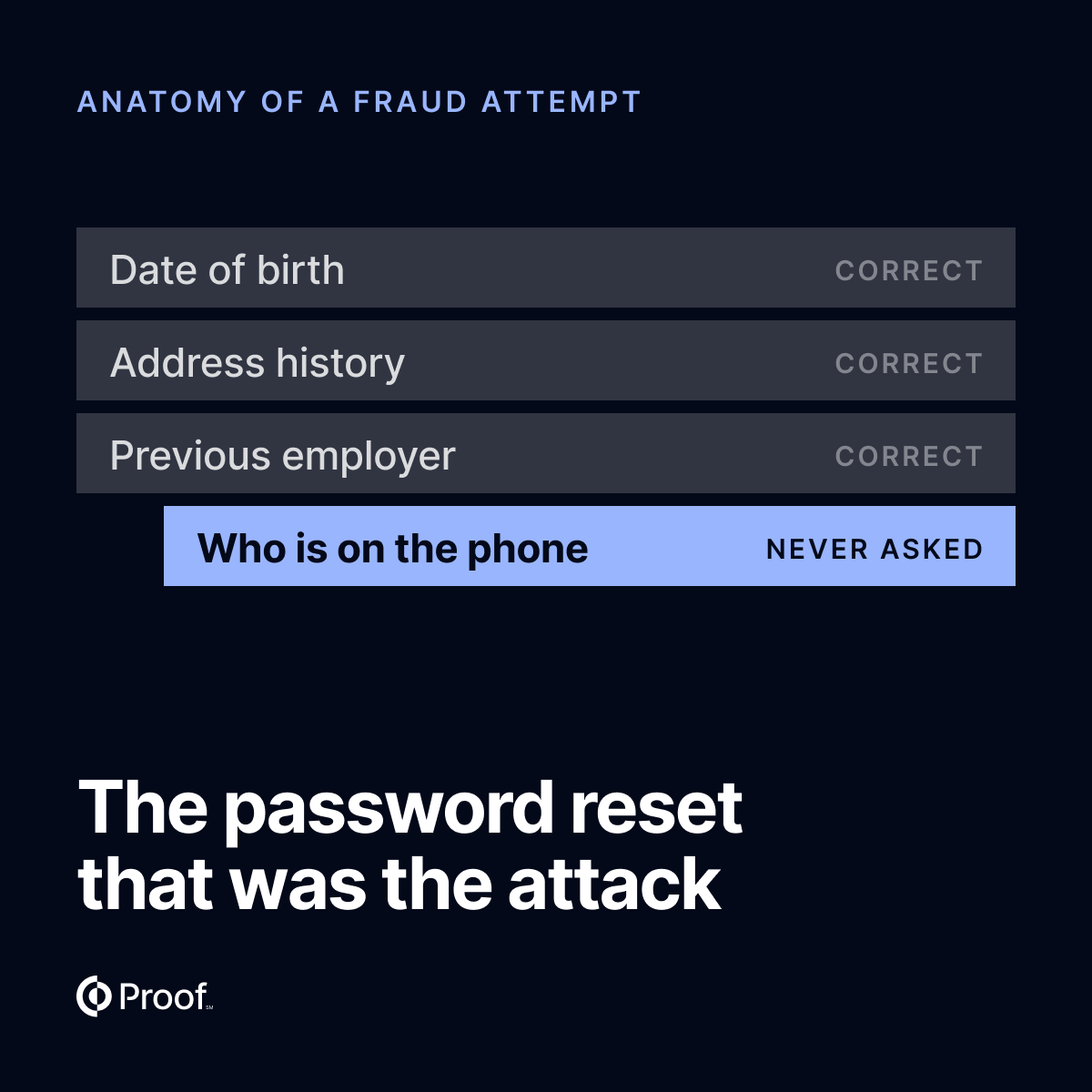
A per-action policy skips that choice. It looks at what the agent is trying to do on each request and sets the evidence you need for that action. It also takes the question past the buy button, because the agent that checks out on Black Friday can still be in your store through Cyber Monday and the rest of the holiday season, changing an address or a password.
Why decide by action?
The same agent can check a price at 9:00 and place a $900 order at 9:05. Those two requests carry very different risk, so they deserve different treatment.
The difference shows up when an order is disputed. Proof calls this the authorization gap: dispute systems assume a human purchase carries implicit proof of authorization, and an agent purchase produces logs with no signed record that a verified person approved that specific action.
Merchants have a direct financial stake in how those disputes come out, so the time to collect evidence is when the order is placed.
What does a per-action policy look like?
Here is a starting point. Set the thresholds from your own fraud data and margins.

If an agent can’t show that proof, it keeps browsing and building a cart, and the purchase waits. The shopper can finish in your regular checkout, signed in and confirming the order as any customer would, or the agent can come back with the proof. Decide which of those you offer before the traffic arrives.
How does agentic checkout work without human confirmation?
For anything that moves money, it still needs a person's approval. That approval doesn't have to happen at the moment of checkout. A person can sign off ahead of time, with limits such as a spending cap, a merchant or a date range, and the agent presents that signed approval when it buys. The agent can check out at 2am without waking anyone, and the merchant still gets a record that a verified person agreed to purchases like this one.
What infrastructure does agentic checkout require?
Agentic checkout needs four things:
- A way to tell which requests come from agents, using the signals you already have, plus signed agent requests (Web Bot Auth) as more agents send them.
- A written policy by action. Start with the table above and adjust it.
- A proof step on the actions that move money or change an account.
- A decision about what evidence you keep and for how long, so your dispute team has something to work with.
You can do the first two today with what you already have. The third and fourth need a reliable way to check who an agent is acting for.
Card networks and AI platforms are building parts of this. Visa Intelligent Commerce, Mastercard Agent Pay and Google's AP2 tie an agent's purchase to a tokenized card, a device or a signed cart, and 3-D Secure can still step up a shopper who's there to answer. None of them tell the merchant whose verified identity stands behind the approval. That's the piece x401 adds.
How can a merchant verify who an AI agent represents at checkout?
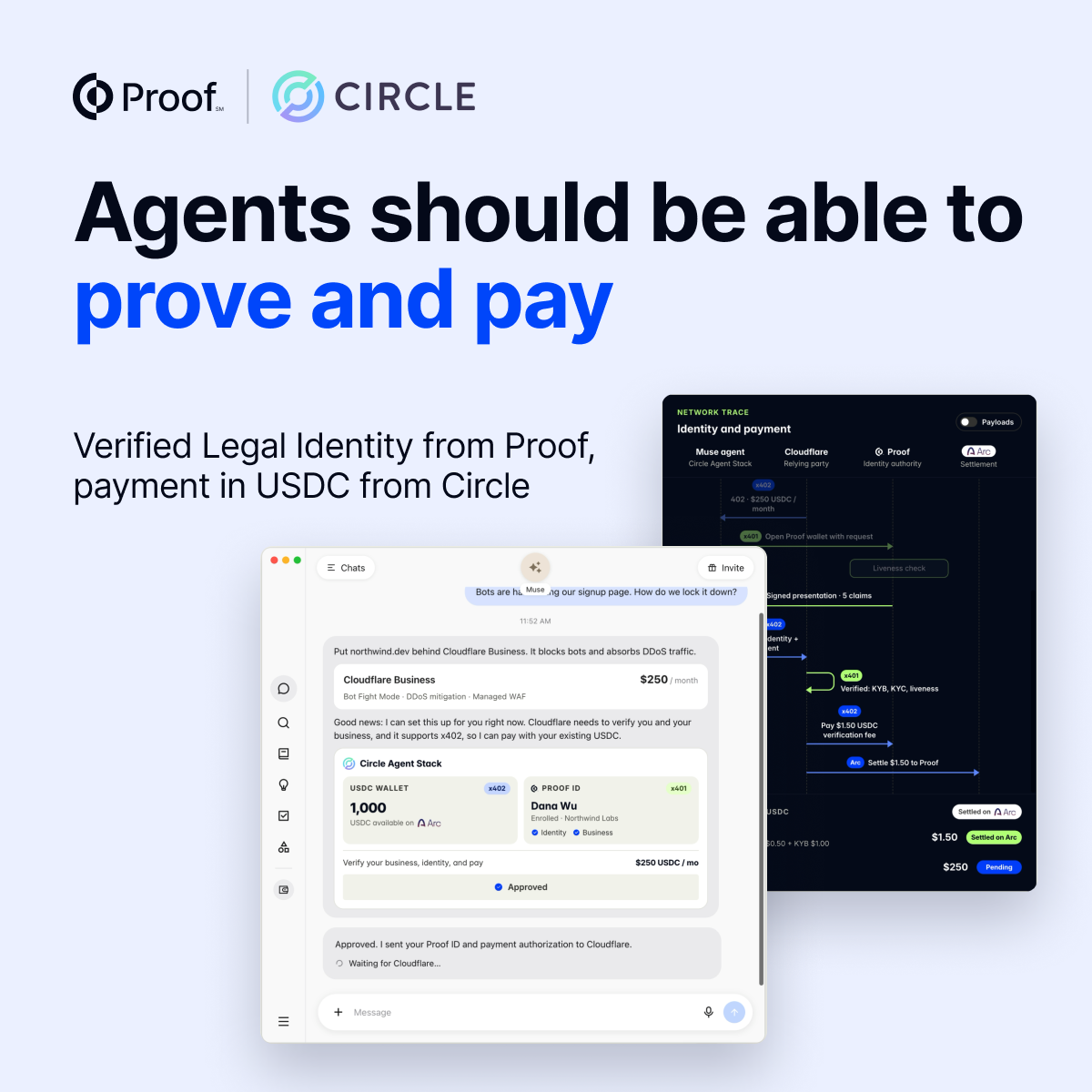
The proof step is where x401 comes in. We published it as an open protocol that lets a website state what proof it needs from an AI agent and check what the agent presents.
The merchant's response names the fact it needs, the credential issuers it trusts and how strongly the person's identity must have been verified. In Proof's terms, verified means identity established from government-issued evidence through NIST IAL2 identity proofing. The shopper's wallet answers with the person's credential, which proves only the relevant facts without revealing the rest of their ID, and a signed approval for that specific purchase. The merchant then checks the signature against the issuer's published public keys, without calling the issuer or storing more than the facts it asked for. It keeps signed, tamper-evident evidence of who approved the purchase, which it can use if the order is disputed.
What this means for merchants
x401 gives a merchant a way to say yes to agents. Keep browsing open, ask for a person's signature on the actions that move money, and have the evidence in hand when a dispute arrives.
Before Black Friday, decide what proof checkout needs, then ask the same question when that agent comes back to change an address or reset a password.