The Fraud Files: When Paper Became the Attack Surface | November 2026

Retirement and wealth management built their verification model around physical friction. Forms mailed, PINs delivered by post, verification cycles measured in weeks, call center authentication built on the premise that a participant's personal history stays personal.
The friction was the security: if accessing an account required the account holder to be physically in the loop, impersonation required physical proximity.
The EY 2026 Wealth and Asset Management Fraud Insights report surveyed executives at firms managing between $1 trillion and $10 trillion in assets. Fraud events fell 22%. Average losses rose 74%. EY documented a threat environment that adapted to the architecture it was attacking: mail interception, call center impersonation using breach data to pass knowledge-based authentication, social engineering targeting participants who might not check a statement for months.
November's data covers where that adaptation has arrived, what it costs when it clears, and what replacing the paper model with real-time identity verification actually produces.
EY's 2026 benchmark: 22% fewer fraud events, 74% higher losses
The EY 2026 Wealth and Asset Management Fraud Insights POV tracked fraud trends across more than 20 firms managing between $1 trillion and $10 trillion. Fraud events fell 22%, average losses rose 74%. Attackers are running fewer attempts and extracting more from each one, targeting accounts that justify the runway.
The threat is concentrated at the top of the value chain: scams reported by 88% of executives as a current threat, account takeover by 67%, and wire fraud by 56%. New account fraud runs at an average of 5,240 cases per respondent; scams produce the highest average loss at $8.62 million per firm. The fraud types gaining most ground in WAM are the ones that most defeat transaction monitoring. Authorized payment fraud, where the participant appears to initiate the transaction themselves, produces clean records right through to the point of loss, with no anomaly to flag until the money has moved.
EY found that 50% of WAM firms are now investing in advanced identity verification. The other half are still operating on controls set before the loss number looked like this. Sumsub's 2026-2027 Identity Fraud Report, drawn from 5.8 million fraud samples across its platform, records the same pattern at the global level: the overall identity fraud rate fell to 1.6%, its second consecutive year of decline, as the Fraud Complexity Index rose from 2.1 to 2.2. The rate fell. The fraud that remains is more technically complex than what preceded it.
PSCA November 2026: 1 in 10 plan sponsors reported fraud attempts in the past two years
The Plan Sponsor Council of America's November 2026 survey found that 10.4% of 401(k) plan sponsors reported a fraudulent distribution or account takeover attempt in the past two years. Less than half were even caught before the funds left the account. Even scarier, 60% went through without any type of safeguard triggered.
A timing gap sits at the center of the catch rate. Most retirement plan security controls are calibrated around enrollment and annual review. A participant verified at enrollment and compromised at any point in the following twelve months is indistinguishable from a legitimate participant when the distribution request arrives, and annual-cycle verification has no mechanism to close that window. The window between checks is the attack surface the PSCA number represents, and fraudsters have learned to work inside it.
FINRA fines Webull $4.2 million and warns of brokerage account transfer fraud
On November 5, 2026, FINRA announced a $4.2 million fine against Webull Financial for anti-money laundering and supervisory failures spanning 2021 to 2024. Alongside the fine, FINRA issued a September 2026 investor alert documenting the mechanism now targeting retirement and investment accounts: ACATS fraud.
An attacker steals a victim's identity, opens a new brokerage account in the victim's name at a separate firm, and submits an Automated Customer Account Transfer Service request to move securities from the legitimate account to the fraudulent one. Brokerage firms face regulatory obligations to process ACATS transfers within defined timeframes, compressing the detection window before the transfer settles. FINRA's alert identified retirement and investment accounts as the primary targets: higher average balances, and participants who review statements less often than bank customers typically do.
The Webull fine moved AML supervisory failures from the compliance checklist to the enforcement calendar.
The 401(k) consumer protection gap
Credit card fraud triggers Regulation E and a federal reimbursement pathway. Retirement account fraud triggers ERISA, a framework designed to protect plan participants as a class rather than restore individual losses. When a fraudulent distribution clears a 401(k), the participant faces a materially different legal path than a bank fraud victim would, one that federal consumer protection law was not built to cover.
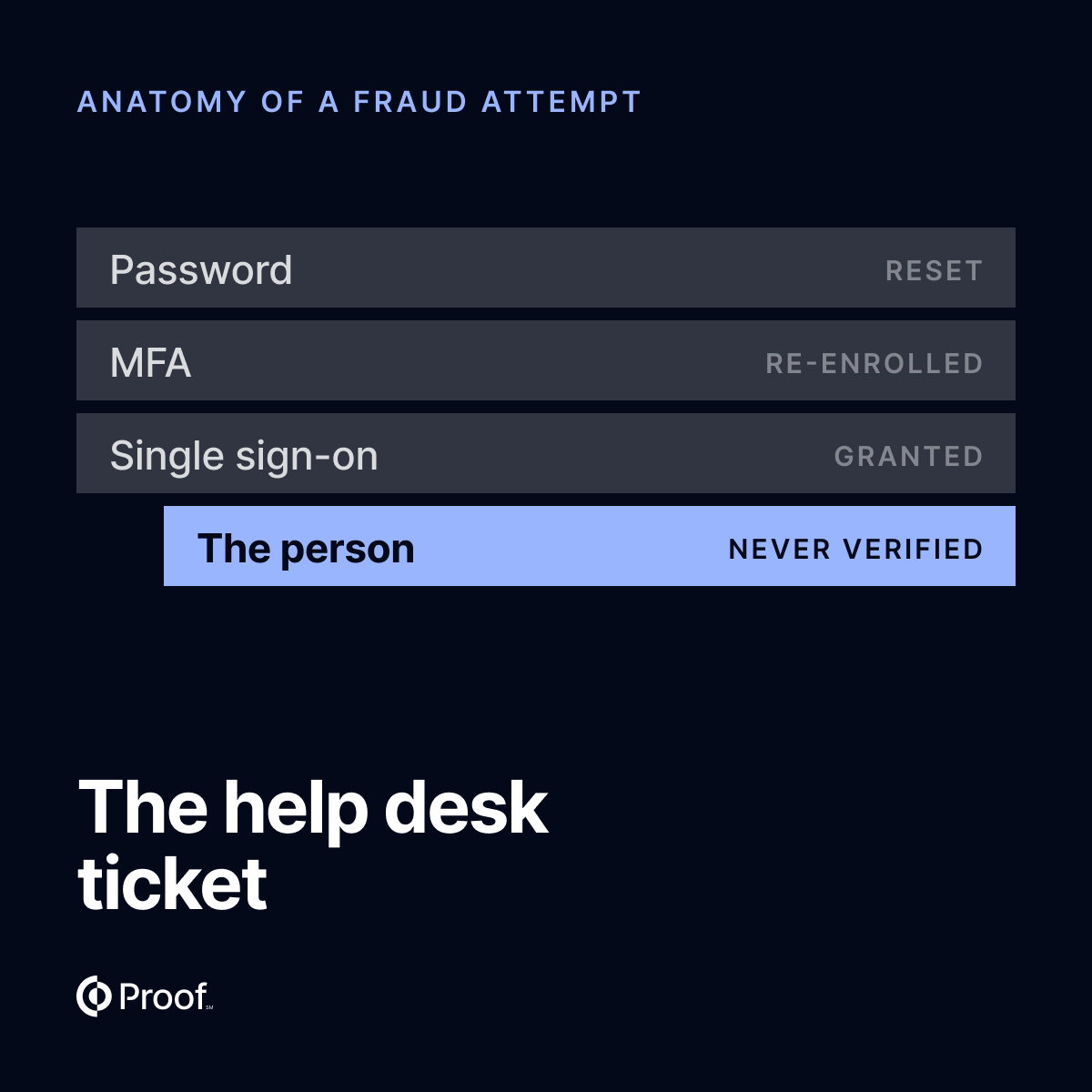
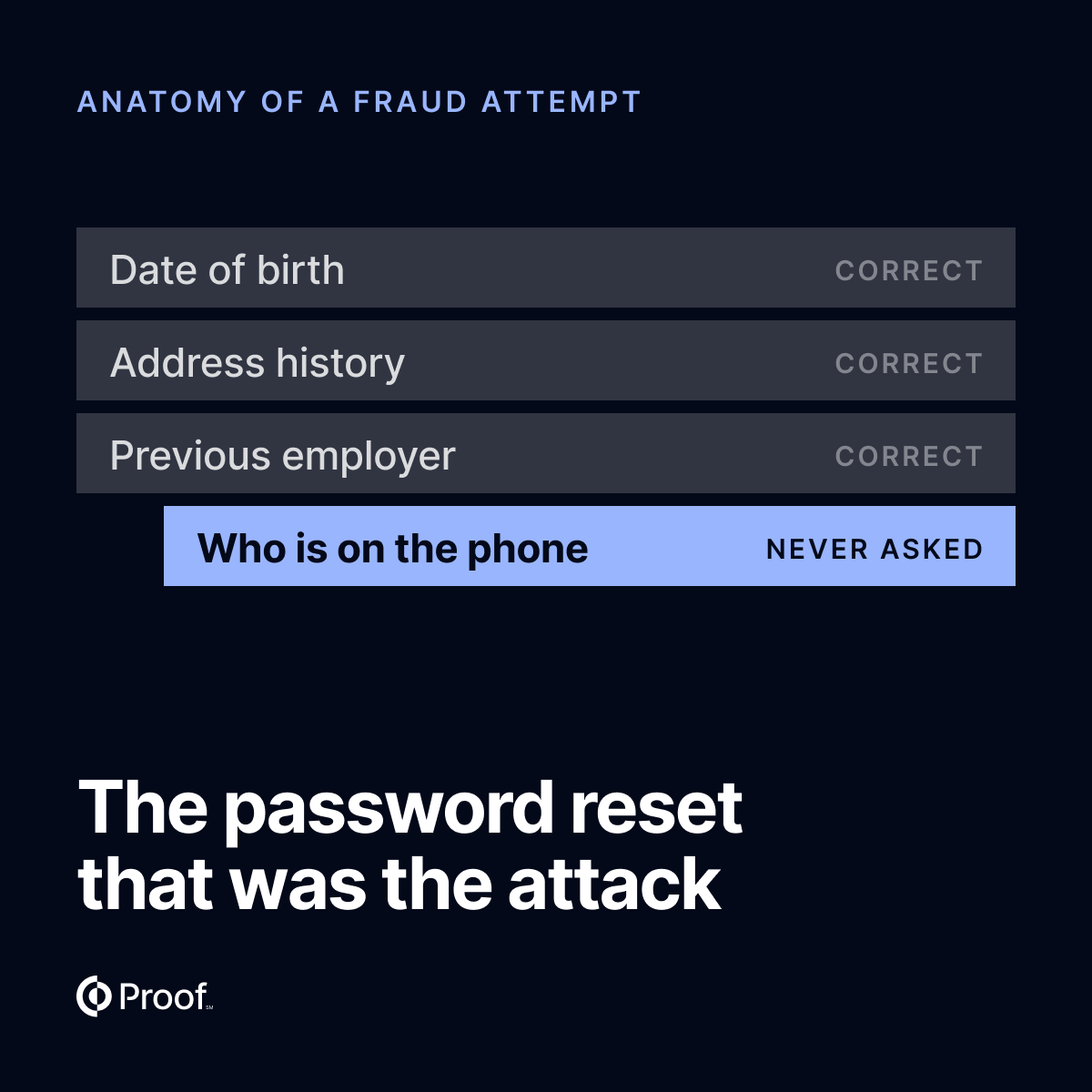
A 2026 case puts that gap in concrete terms. An attacker called the plan's call center, impersonated the participant using SSN, date of birth, and account balance sourced from prior breaches, cleared authentication, and walked out with $751,430 in a single distribution. The digital portal had MFA, session monitoring, behavioral analytics, and transaction risk scoring built up over years of security investment. The phone line had a human agent and knowledge-based questions drawn from the same breach data circulating in Fraud-as-a-Service catalogs at commercial scale, and the gap between those two channels is where $751,430 went.
The industry is responding to the symptoms instead of the architecture
EY's loss data, the PSCA distribution fraud rate, the FINRA ACATS warning, and the 401(k) consumer protection gap are each tracking the same problem from a different angle. The verification layer connecting participants to their accounts was designed for an era when mailing something to an address meant it reached the account holder, when KBA questions represented information only the participant possessed, when annual verification was a reasonable cadence for a low-threat environment.
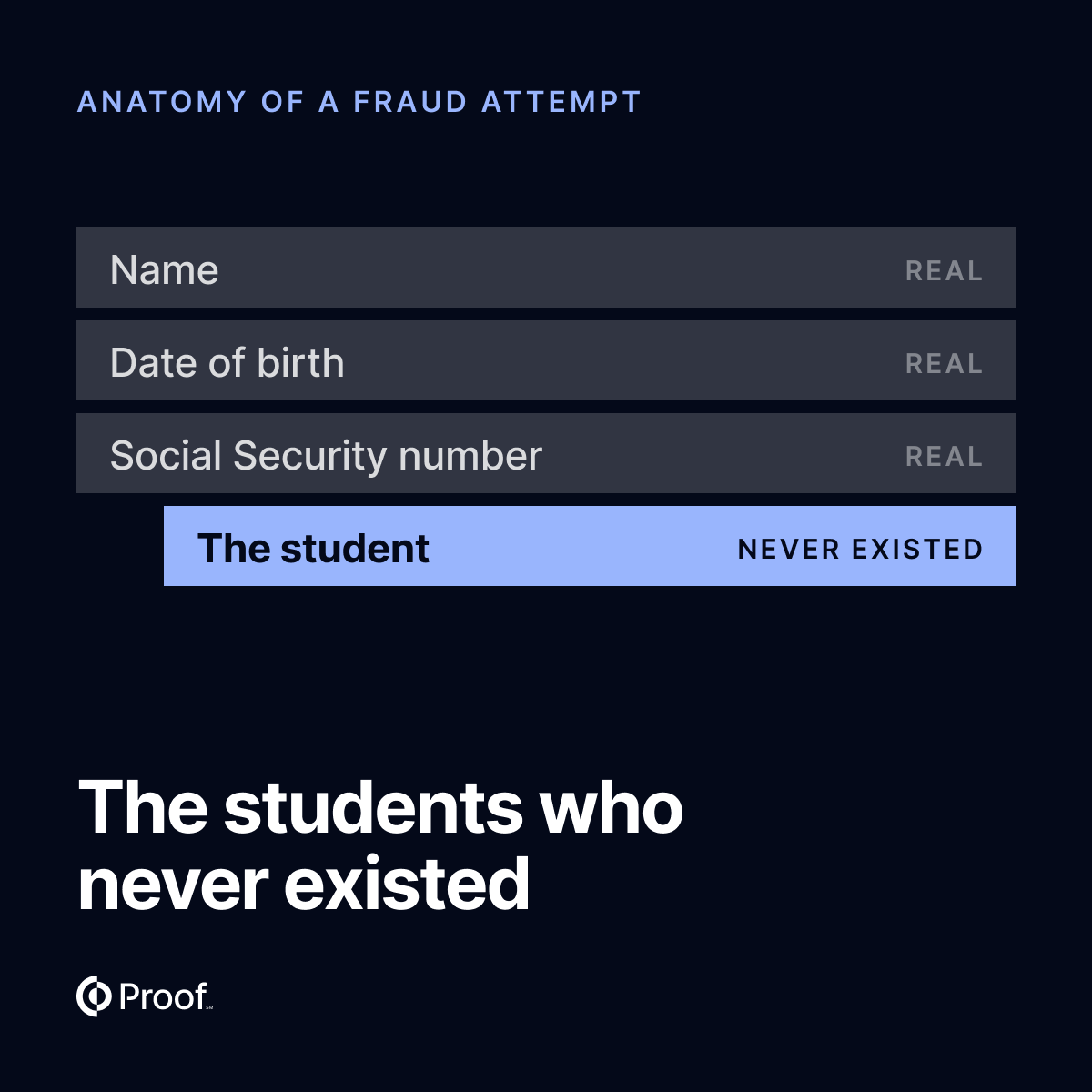
The threat environment the EY and PSCA data are measuring has moved past all three of those conditions. Breach markets have made personal information commercially available for years. FaaS platforms supply the operational infrastructure to convert that information into call center impersonations and fraudulent distribution requests at scale. Sumsub's platform data, covering 5.8 million fraud samples, records where the attack inputs have moved: digitally edited IDs accounted for 17% of confirmed fraud in 2026, up from 5% in 2024, and deepfake fraud grew 31% year over year. A KBA question that verifies a Social Security number and account balance cannot distinguish a stolen credential from a fabricated one. The legal gap ERISA creates means that when fraud clears, the participant has a harder recovery path than federal consumer protection law would otherwise provide.
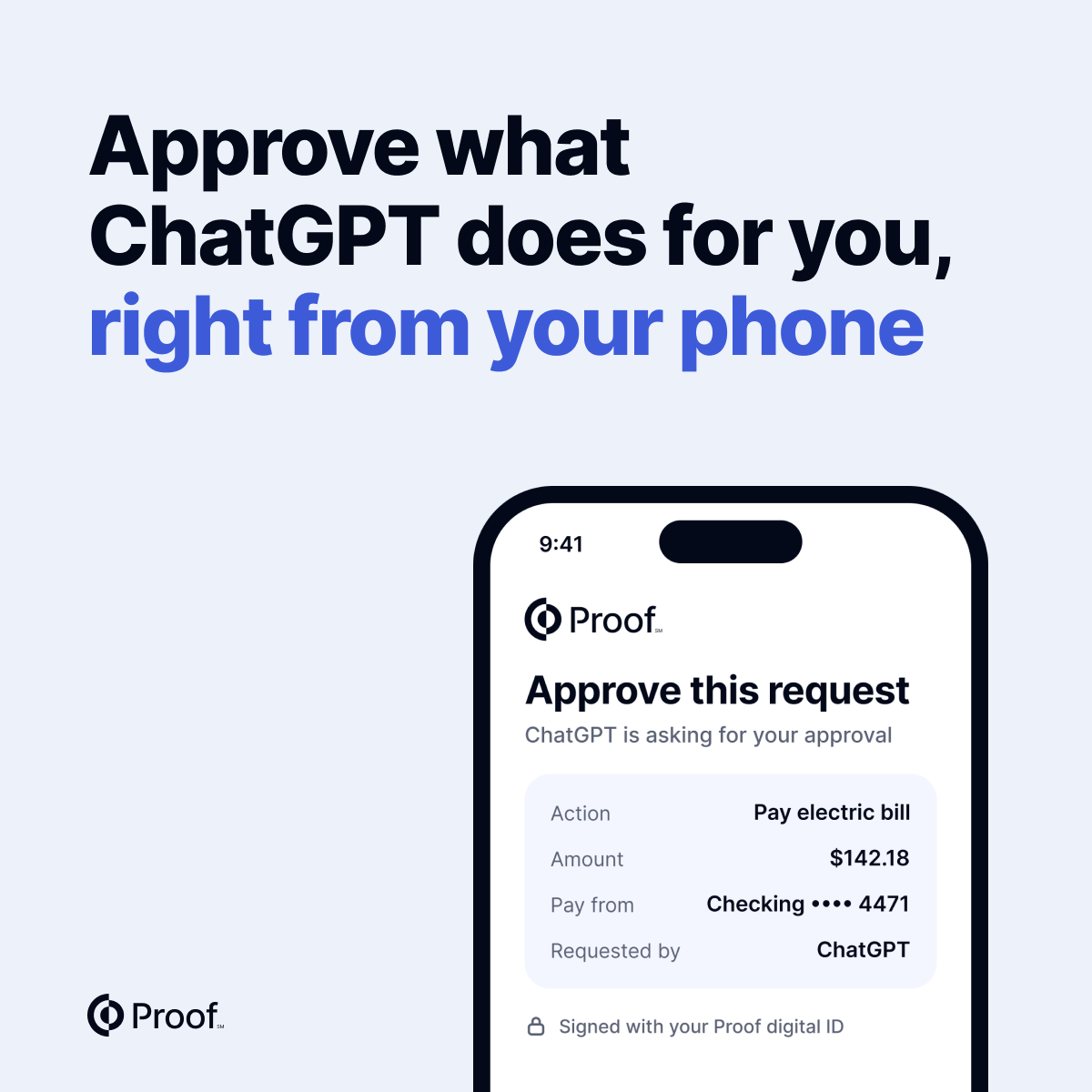
The industry response running through November's data is calibrated to that same paper-and-KBA model: adding steps to a process rather than changing what the process is built on. Sumsub's survey of more than 1,400 fraud and risk professionals found that 53% of businesses have detected or suspected fraud involving an AI agent, while only 37% verify who authorized the agent. The verification gap that allowed $751,430 to clear through a phone call is the same gap, now extending to the software acting on behalf of participants across retirement workflows.
Milliman: from 3-4 weeks to 13 minutes, zero fraudulent withdrawals
Milliman, one of the largest 401(k) recordkeepers in the country, ran this same architecture until January 2026. Identity verification required a paper cycle that took three to four weeks. Registration credentials and IVR PINs shipped through 75,000 annual mailings. Fraud rings intercepted those letters, obtained PINs, and initiated distributions before participants knew anything had moved.
Milliman deployed Proof in January 2026, embedding real-time digital identity verification into call center and money-out workflows. The mailings stopped. Mandatory verification triggers fired at every high-risk transfer and banking change. The paper loop that fraud rings had spent years exploiting was gone, replaced by a check that fires at the moment of the transaction against the actual person behind it.
By July 2026, median verification time was 13 minutes, with 94.8% of verifications completing automatically through the API, and zero fraudulent withdrawals since full deployment.
Pat Lawson, Technology Lead at Milliman, described what changed: "Since we automated Proof's digital identity verification and took the IVR PIN offline, we now have unshakeable trust in the individual behind every transaction."
The half of the WAM industry still on paper mailings and annual reviews is operating in the loss environment the EY numbers describe, against a threat that has had years to map the gaps. Every retirement workflow November's data puts at risk, from distributions and rollovers to spousal consent, beneficiary changes, and account recovery, is a workflow where the verification layer still depends on the same KBA model that cleared $751,430 in a single phone call.
The 74% increase in average losses, the 10.4% of plans reporting fraud attempts, and the $751,430 that cleared through a phone call are three measurements of the same condition: a verification architecture built before breach data was commercially available, still running against a threat that has had years to find every gap in it.
See how Proof closes that gap across every retirement workflow >>