Why Identity Verification with Human Oversight Is Critical to Detect Fraud


Updated August 20, 2026
Automated identity verification isn't enough, and the fraud landscape proves it every day. Injection attacks, presentation attacks, deepfakes, fraudsters are finding new ways to infiltrate systems across every touchpoint: help desks, consumer-facing interactions, even hiring pipelines.
The Clorox hack by the Scattered Spider group made it clear that even the most secure systems are vulnerable to exploitation. The common thread? A failure in identity verification, and the absence of human judgment when it matters most.
Here's what the fraud picture looks like across your business, and why automation alone isn't enough to stop it.
Key takeaways
- Automated identity verification produces a result. Identity verification with human oversight produces a defensible record. When a transaction is disputed, only one of those holds up.
- Injection attacks bypass cameras entirely by feeding synthetic video directly into a verification system. Liveness detection alone does not stop them.
- Help desks are the most exploited entry point in enterprise fraud. Groups like Scattered Spider and ShinyHunters target them specifically because human staff can be socially engineered in ways that algorithms cannot be.
- Effective fraud prevention requires document authentication, biometric verification, liveness detection, and expert human review working together. Removing any layer increases exposure.
Fraud at the help desk
Help desks are becoming prime targets for fraudsters, and it's easy to see why. They're the gatekeepers of sensitive employee and customer information. Groups like Scattered Spider and ShinyHunters are exploiting that access with sophisticated social engineering attacks.
Common tactics include:
- Injection attacks that feed fraudulent data into verification workflows
- Presentation attacks that impersonate legitimate users
- Social engineering to trick staff into handing over credentials and access codes
The result? Credential theft, data breaches, and ransomware, all originating from a single help desk interaction.
The Clorox breach as a case study
In the Clorox attack, Scattered Spider targeted the help desk to gain access to internal systems. By using social engineering techniques, they tricked staff into providing credentials and access codes. This incident underscores what it looks like when identity verification at the help desk fails. When a fraudster can masquerade as an employee or customer, businesses need a multi-layered verification process that combines automated tools with human review: document authentication, biometric verification, liveness detection, and a trained analyst who can flag what the algorithm misses.
Consumer-facing fraud
Fraud isn't limited to internal systems. Businesses are also vulnerable to attacks from external users, particularly in consumer-facing industries like e-commerce and financial services. Bad actors can exploit gaps in verification processes, making fraudulent purchases or hijacking accounts through account recovery loopholes.
Many businesses rely on automated identity verification tools to confirm that the person on the other end of a transaction is who they claim to be. These tools are necessary, but they are not sufficient. Deepfake technology or high-quality forgeries can still slip through automated checks. Fraud teams must be able to compare verification results against existing consumer data, including behavioral patterns and past interactions, to make informed decisions about flagged transactions.
Why businesses still need a human in the loop
Automated solutions alone cannot account for the nuances of fraud detection. Human involvement is what allows a business to assess identity verification results in context, compare them against known patterns, and make decisions informed by institutional knowledge that no algorithm possesses.
An experienced fraud analyst or CISO will spot discrepancies and recognize when something doesn't add up, nuances that automation is not built to weigh. Human reviewers can also evaluate complex cases by combining data from identity verification systems with their knowledge of the business, its customers, and its employees.
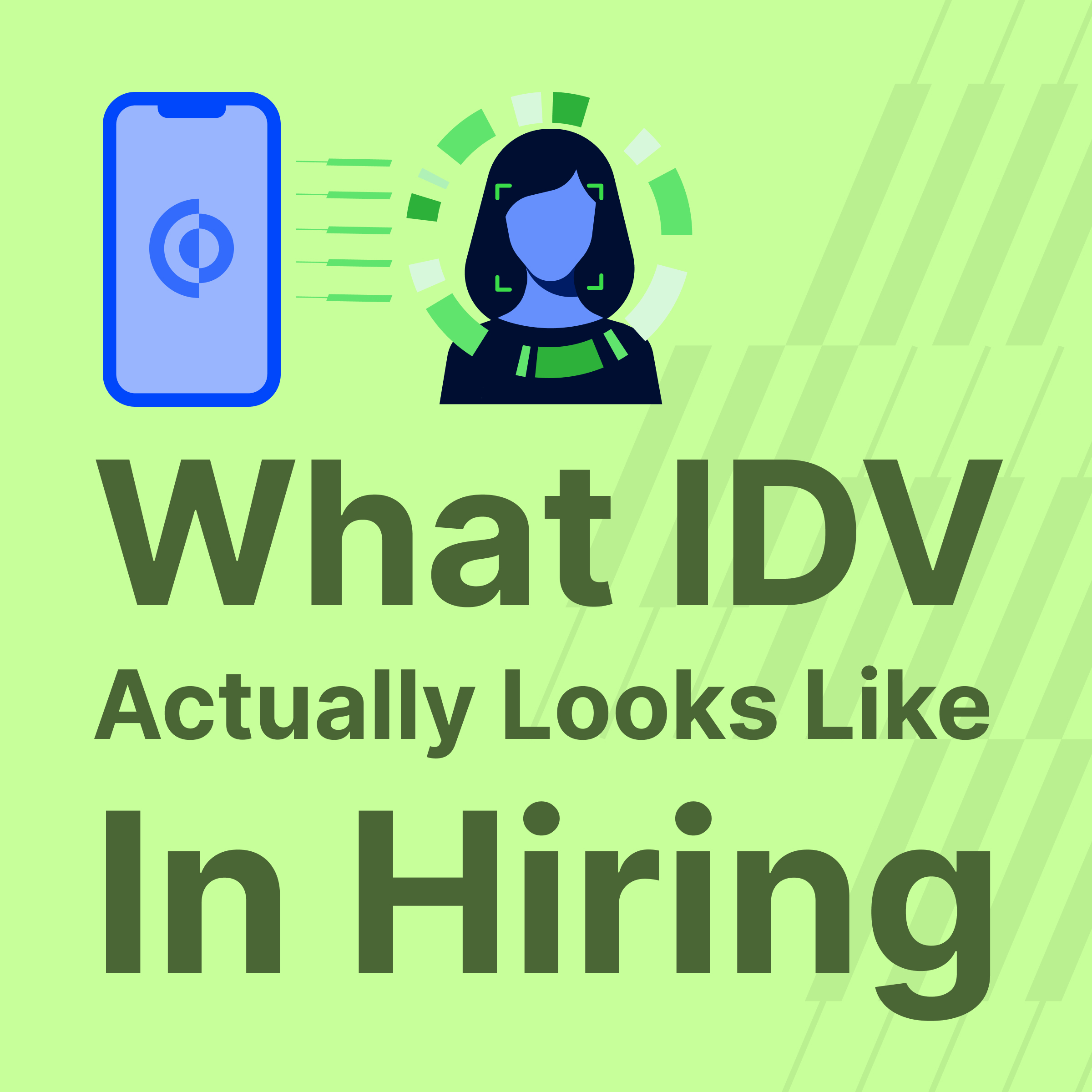
The North Korea hiring fraud example: A documented case of hiring fraud occurred when a company unknowingly hired an individual secretly working from North Korea. The individual bypassed traditional background checks and remote work safeguards due to insufficient identity verification. This incident highlights a critical gap: companies need to verify not just credentials but the true identity of employees during the hiring process. That means going beyond resume review and background checks to include document capture, biometric comparison, and liveness detection, especially in remote work environments where face-to-face confirmation doesn't happen naturally. A human reviewer, paired with these automated checks, provides the contextual judgment needed to flag anomalies before they become breaches.
A multi-layered fraud defense
Fraud is not going away, and as businesses grow more dependent on digital interactions, the risk increases. From the help desk to consumer transactions to hiring, robust identity verification processes coupled with human oversight are non-negotiable. Businesses that fail to adopt these practices will be more vulnerable to fraud attempts, facing financial, reputational, and operational damage.
Investing in both automated tools and skilled fraud professionals is what it takes to maintain a secure business environment in today's threat landscape. The strongest defenses don't choose between the two; they require both.
Why automated identity verification isn't enough on its own
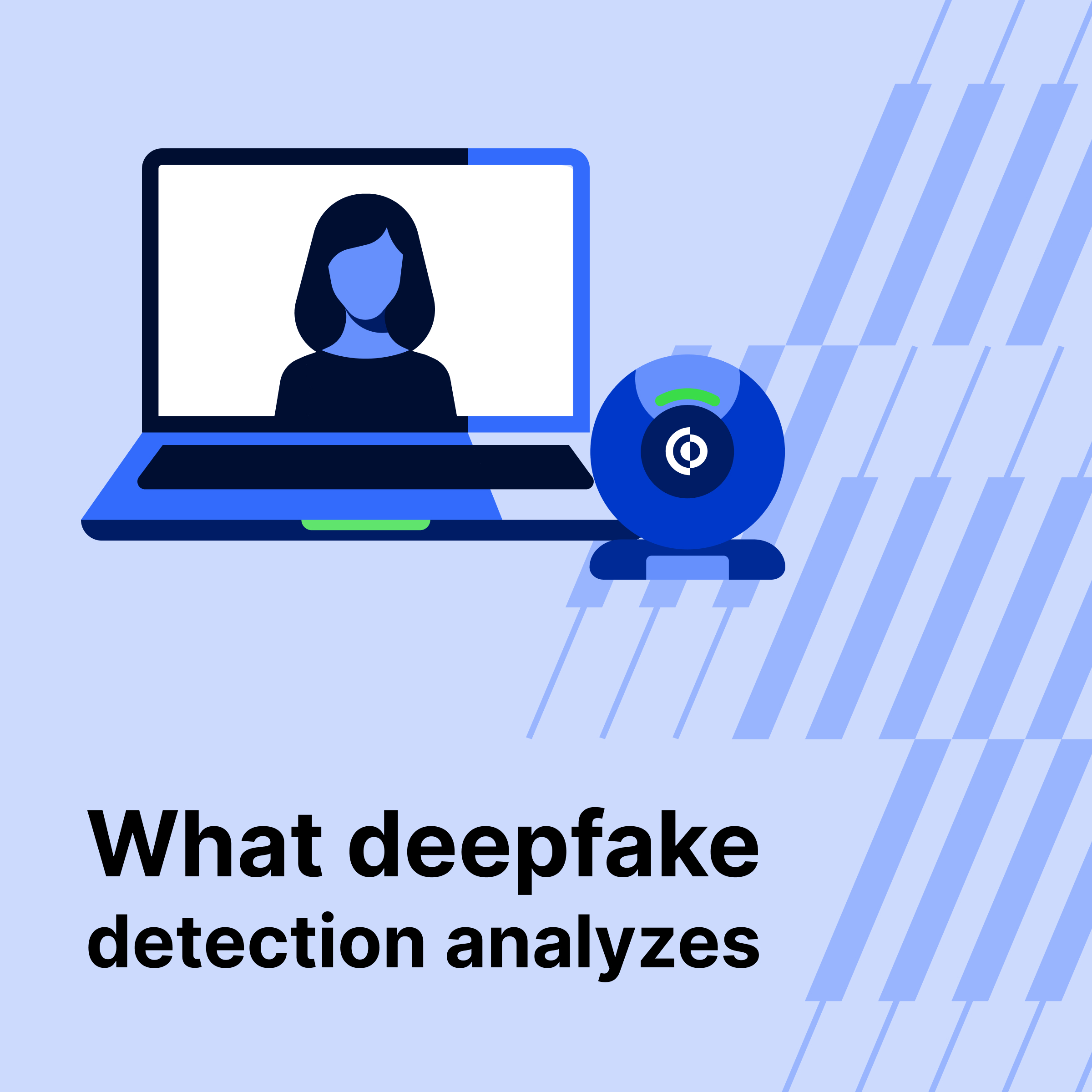
Automation catches a lot, but not everything. Deepfakes, high-quality ID forgeries, and social engineering attacks can still slip through automated checks. Injection attacks, for example, bypass cameras entirely by feeding synthetic video directly into a verification system. A trained fraud analyst can cross-reference behavioral patterns, internal customer data, and contextual signals that no algorithm is built to weigh. The strongest defenses pair automated tools with human oversight. Want to see how Proof builds human review into its identity verification workflow? Check out how we defend against deepfakes and injection attacks.

























.jpg)













































.jpg)