What 2025 Reminded Us About Trust


Updated July 15, 2026
As we reach the end of 2025, one thing stands out. Trust can no longer be treated as a one-time decision. It has to persist across interactions, adapt to context, and hold up when decisions are questioned later.
That conclusion comes from operating at real scale. In 2025, Proof helped close more than $200B in real estate transactions, grew real estate transaction volume by approximately 30% year over year, and surpassed 5M remote online notarizations. By mid-year, we were powering roughly 10% of all real estate closings in Texas.
Proof also operates its own certificate authority as part of our platform, supporting higher-assurance digital trust and certificate issuance - and this year we prevented over $1 million in real estate fraud and thousands of attempted non-financial identity fraud attempts.
At that scale, the same challenges surface repeatedly. Fraud moves faster than legacy systems can support. Identity checks that work in isolation break down under pressure. Compliance can’t remain static when transactions are continuous. And when trust resets every time, it creates friction instead of confidence.
Everything that follows reflects how those realities shaped Proof’s products, partnerships, and point of view throughout the year.
Key takeaways
- Trust is no longer a one-time event — it must persist across interactions, adapt to context, and be verifiable on demand. Organizations that treat trust as a single checkpoint are already behind.
- Single-signal identity checks failed in 2025. AI-driven fraud exposed the limits of document scans and biometric matches in isolation. Multi-signal detection — combining device intelligence, network behavior, document integrity, and biometric analysis — is now the baseline.
- Generative AI changed the threat model permanently. Impersonation is now cheap and scalable. The only reliable response is cryptographic proof.
- Compliance is no longer checkpoint-based. In regulated industries, identity and compliance obligations now operate continuously. Digital credentials that can be issued, verified, and revoked in real time are replacing periodic review cycles.
Trust is accelerating faster than legacy systems can support
Earlier this year, we identified a problem many teams already felt but struggled to articulate. Fraud is scaling faster than trust. In The Trust Ledger, we explored how digital transactions are multiplying while confidence in those transactions isn’t keeping pace.
That gap shows up everywhere:
- In payments that move instantly but rely on outdated identity checks.
- In compliance workflows that still expect human review at machine speed.
- In customer experiences where every interaction starts from zero, even when the user is already known.
Naming this made the challenge clearer. The issue isn’t a lack of effort or intent. It’s that the infrastructure for establishing and carrying trust forward hasn’t evolved at the same pace as fraud.
Trust breaks when identity is treated as a single moment
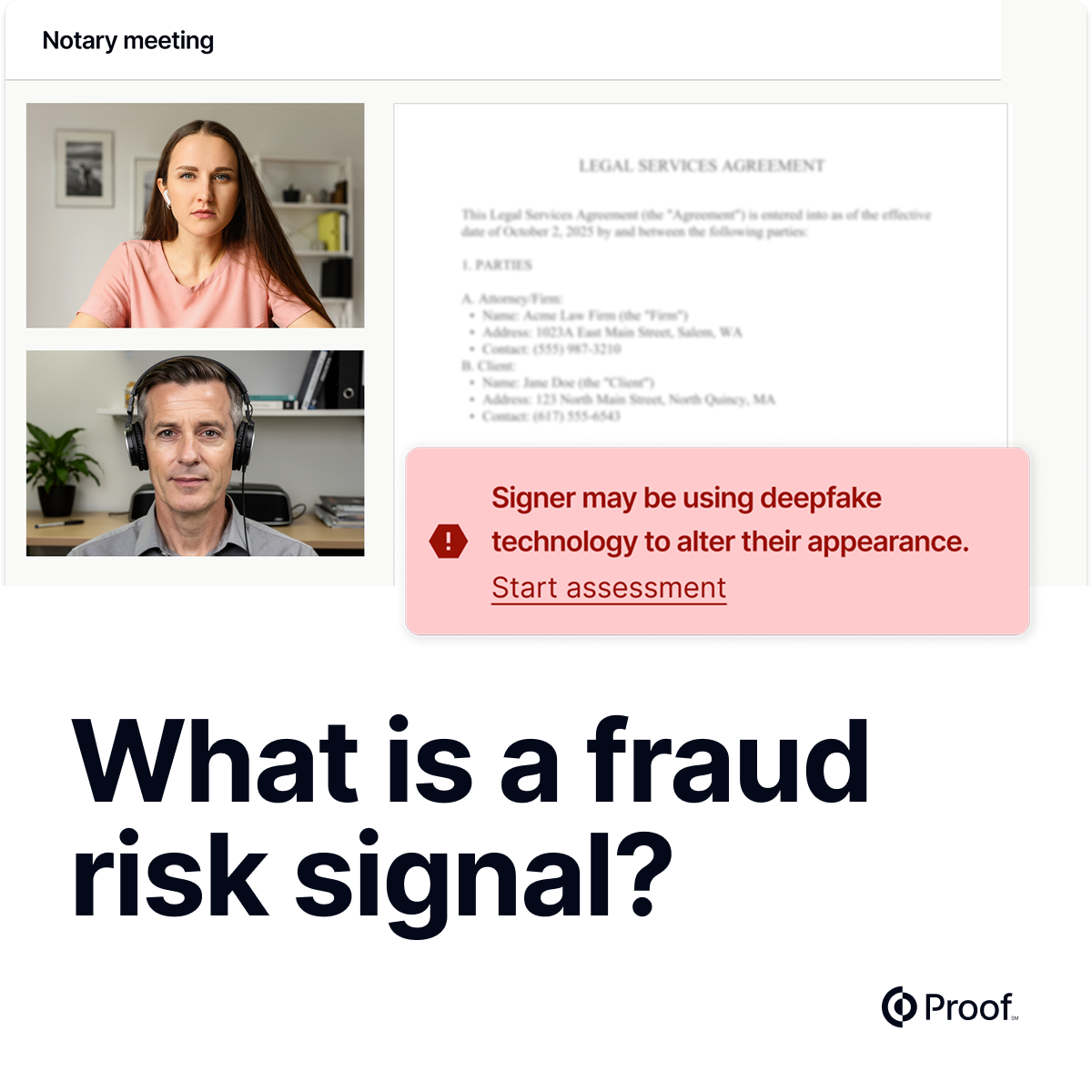
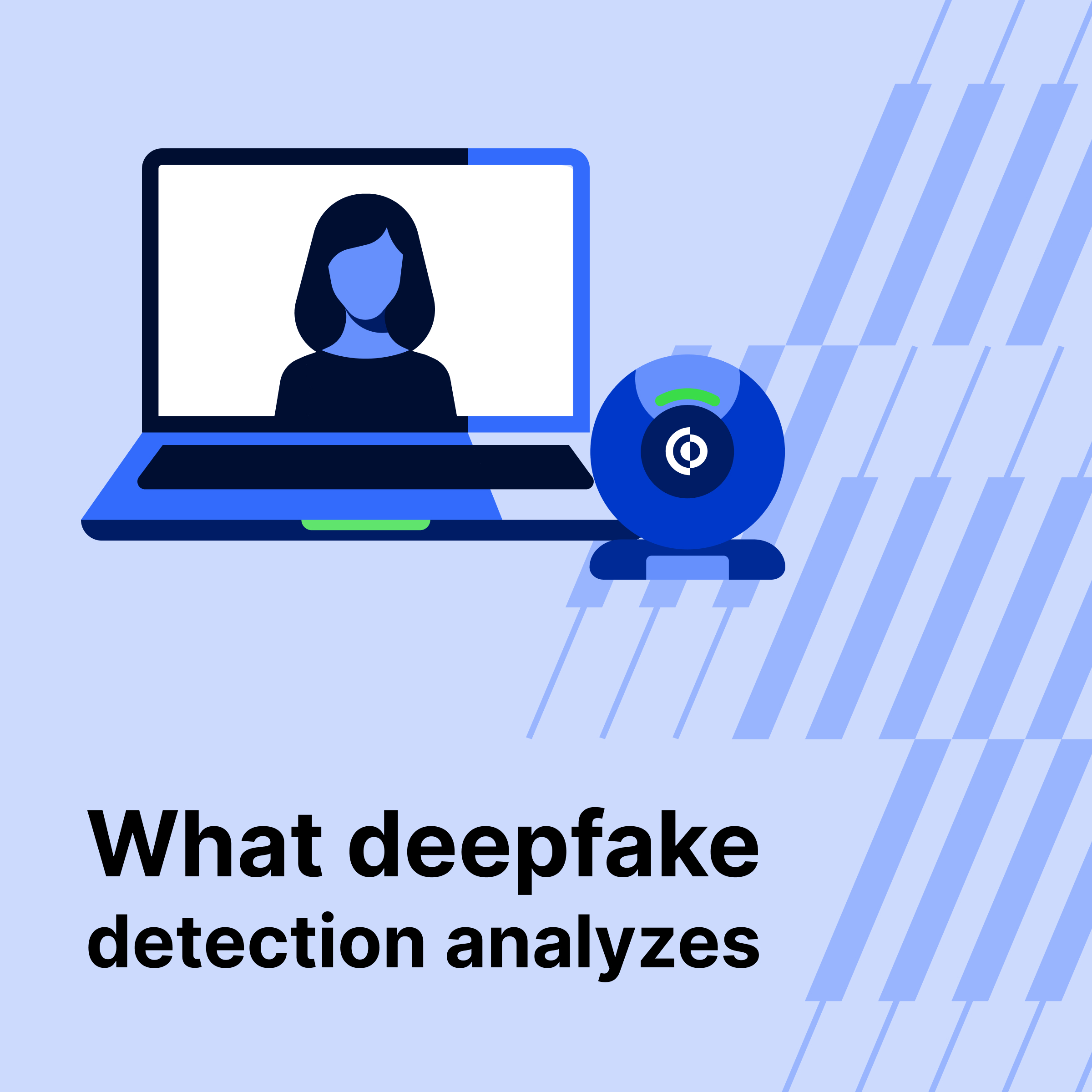
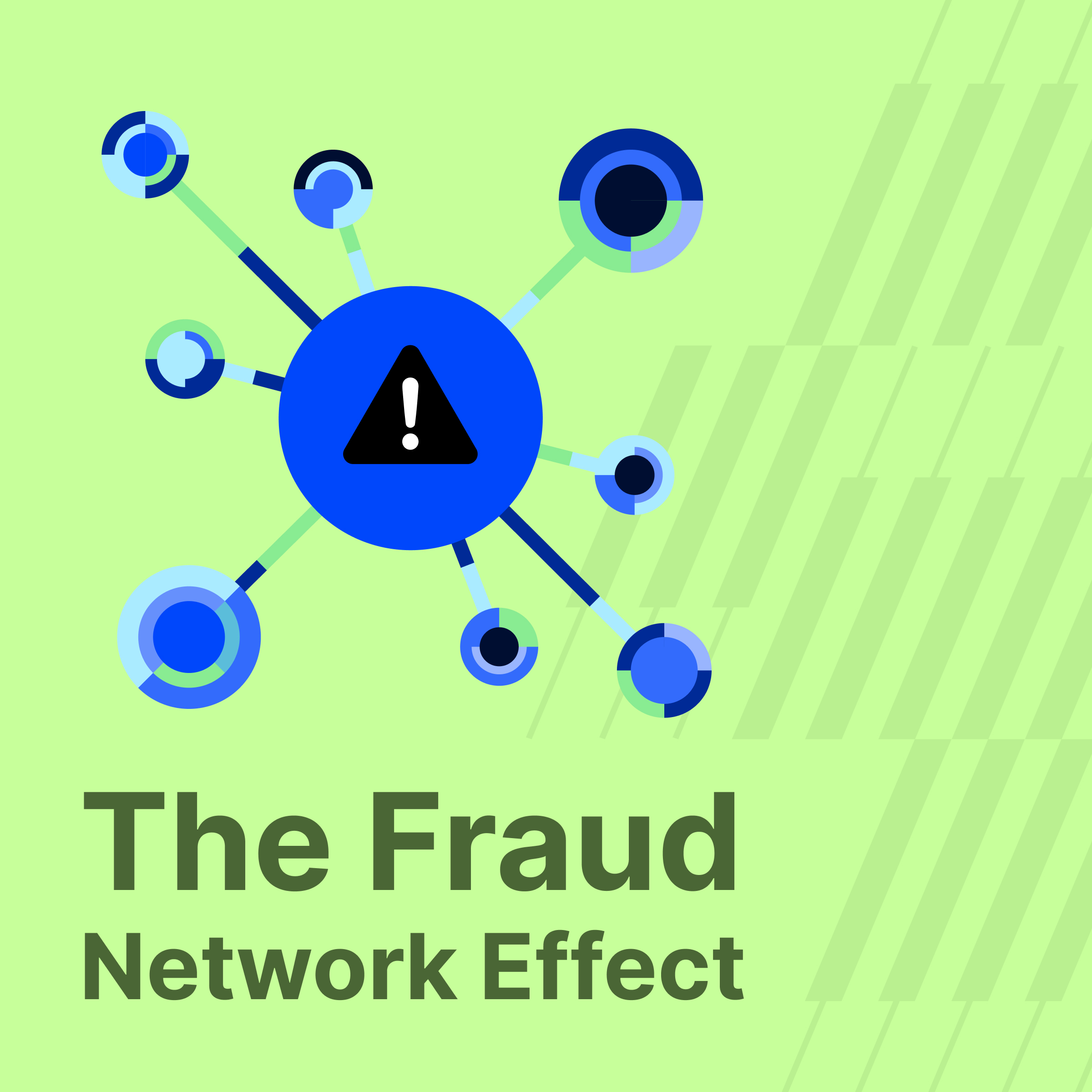
As AI-driven fraud became more visible this year, so did the limits of one-dimensional identity checks. A document scan or biometric match on its own simply isn’t enough. That’s why we spent time digging into multi-signal fraud detection and sharing benchmarks from live environments.
What stood out wasn’t which signals performed best. It was how much stronger decisions became when signals worked together. Device intelligence, network behavior, document integrity, biometric analysis, and transaction context each told part of the story. Together, they created a picture that was much harder to fake.
The result is a different way of thinking about risk. Instead of asking whether someone passed or failed a single check, teams can evaluate confidence across the entire interaction. Trust becomes something you can measure and explain, not something you assume.
Trust in the age of AI requires cryptographic proof
As generative AI lowered the cost of impersonation, it raised the stakes for proof. Not claims or screenshots. Actual cryptographic evidence.
That’s what led to the launch of Certify. Rather than trying to judge whether something appears legitimate, Certify focuses on proving where it came from and whether it’s been altered. It binds identity and transaction data to tamper-evident records that recipients can verify at any time, for any reason.
This matters most in high consequence workflows. The question isn’t just “is this legitimate?” but “who signed this document or completed this transaction?” AI changed the threat model, but verifiable records change how teams can respond to it.
Trust and compliance now operate continuously
Another pattern we saw this year was compliance strain. In industries like digital assets, financial services, and other regulated platforms, legacy compliance tools weren’t built for remote, real-time transactions.
Our work on digital credentials addressed that gap. We saw it most clearly in regulated and digital asset services, including our partnership with Lightspark, where identity and compliance need to operate continuously without slowing transactions down. Digital credentials make it possible to issue, verify, and revoke identity-based permissions in real time.
Compliance has always involved ongoing obligations, but it was built around periodic checkpoints rather than continuous change. It’s now an ongoing state that needs to adapt as users, regulations, and risk change. Digital credentials make that kind of adaptability possible.
Trust compounds when identity can be reused
One of the most important ideas we introduced this year was persistent identity. Not as a feature, but as a foundation.
Persistent identity reflects a simple truth. When someone proves who they are at a high level of assurance, that proof shouldn’t disappear the moment a transaction ends. Trust should increase over time.
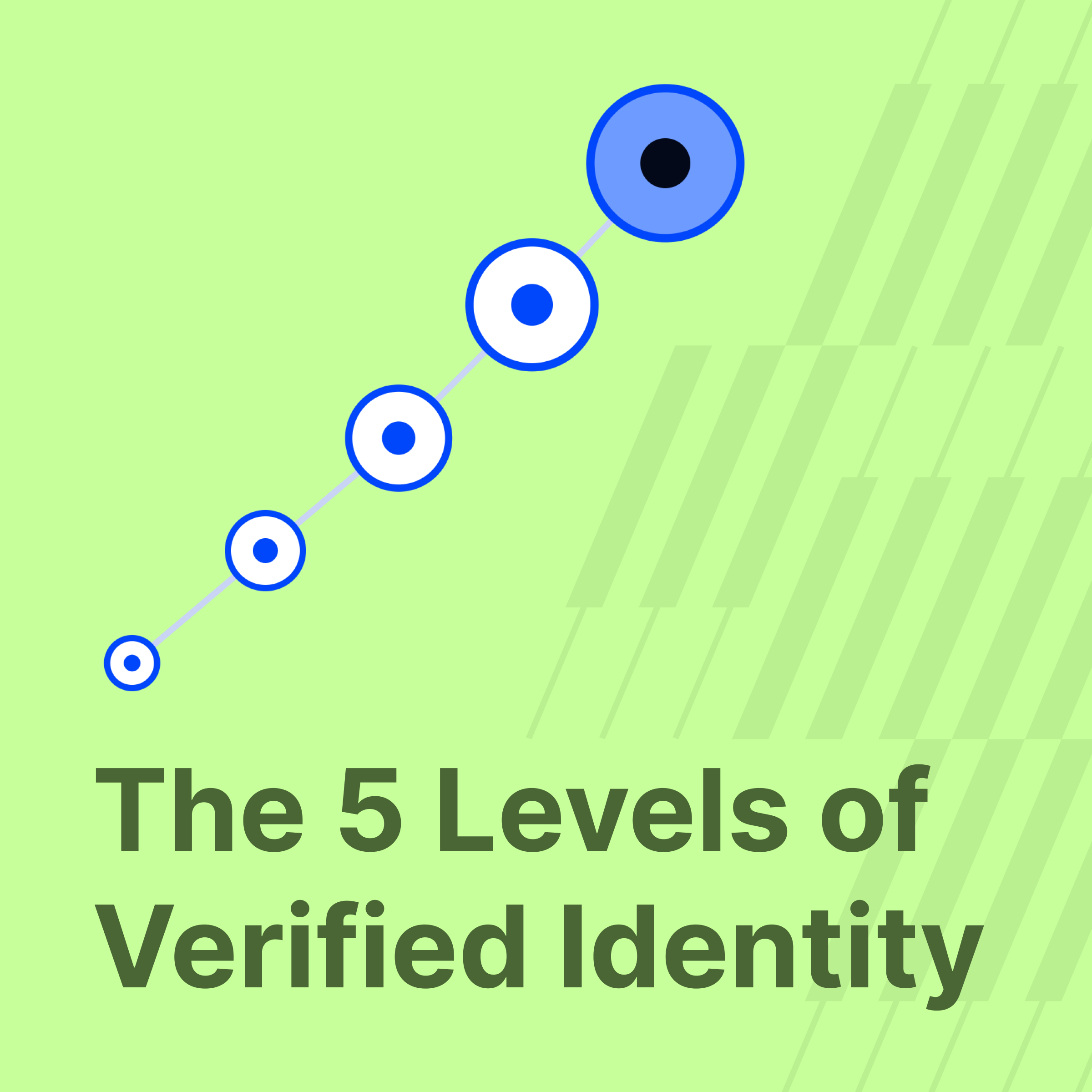
By allowing identity to carry forward across interactions, organizations can reduce friction for legitimate users while increasing scrutiny where it actually matters. Trust becomes repeatable instead of redundant.
What became clear quickly was the potential downstream impact. Faster repeat transactions. Fewer manual reviews. Stronger confidence in edge cases. Persistent identity reframes trust from something that slows systems down into something that can help them work better over time.
Trust now moves at the speed of money
Our collaboration with Visa reinforced another shift we saw throughout the year. Identity and payments are no longer separate concerns.
As money moves faster and further, the question of who is authorized to move it becomes inseparable from the transaction itself. Embedding identity assurance directly into payment flows helps reduce fraud without slowing commerce.
This partnership wasn’t about adding another checkpoint. It was about aligning identity with the moment of value exchange. That’s where trust has the most impact.
A decade in, the work is still just beginning
This year marked Proof’s tenth anniversary, and it made one thing clear. Trust has changed, even if the underlying need hasn’t. Digital interactions move faster, repeat more often, and carry higher stakes than they did a decade ago.
What’s different now is how trust can be established and carried forward. Identity no longer has to reset with every interaction. Confidence doesn’t have to depend on one data point. And evidence can be built to last, not disappear once a transaction ends.
The takeaway from 2025 is practical. Teams that treat trust as infrastructure, something that grows over time and holds up under scrutiny, will be better positioned for what lies ahead. In 2026, trust has to be built to last.



























.jpg)













































.jpg)