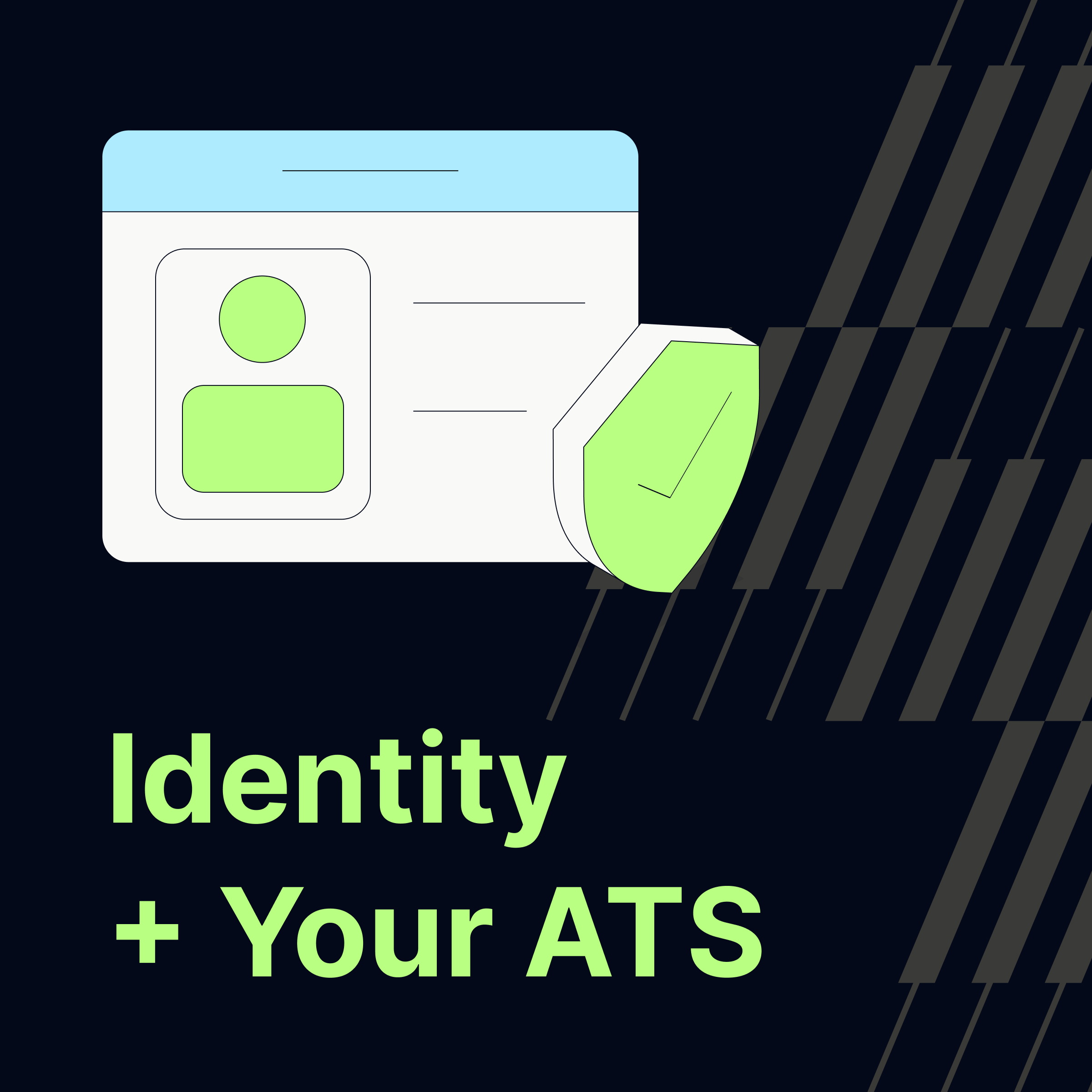
How to Add Identity Verification to Your ATS Without Slowing Hiring

Updated July 13, 2026
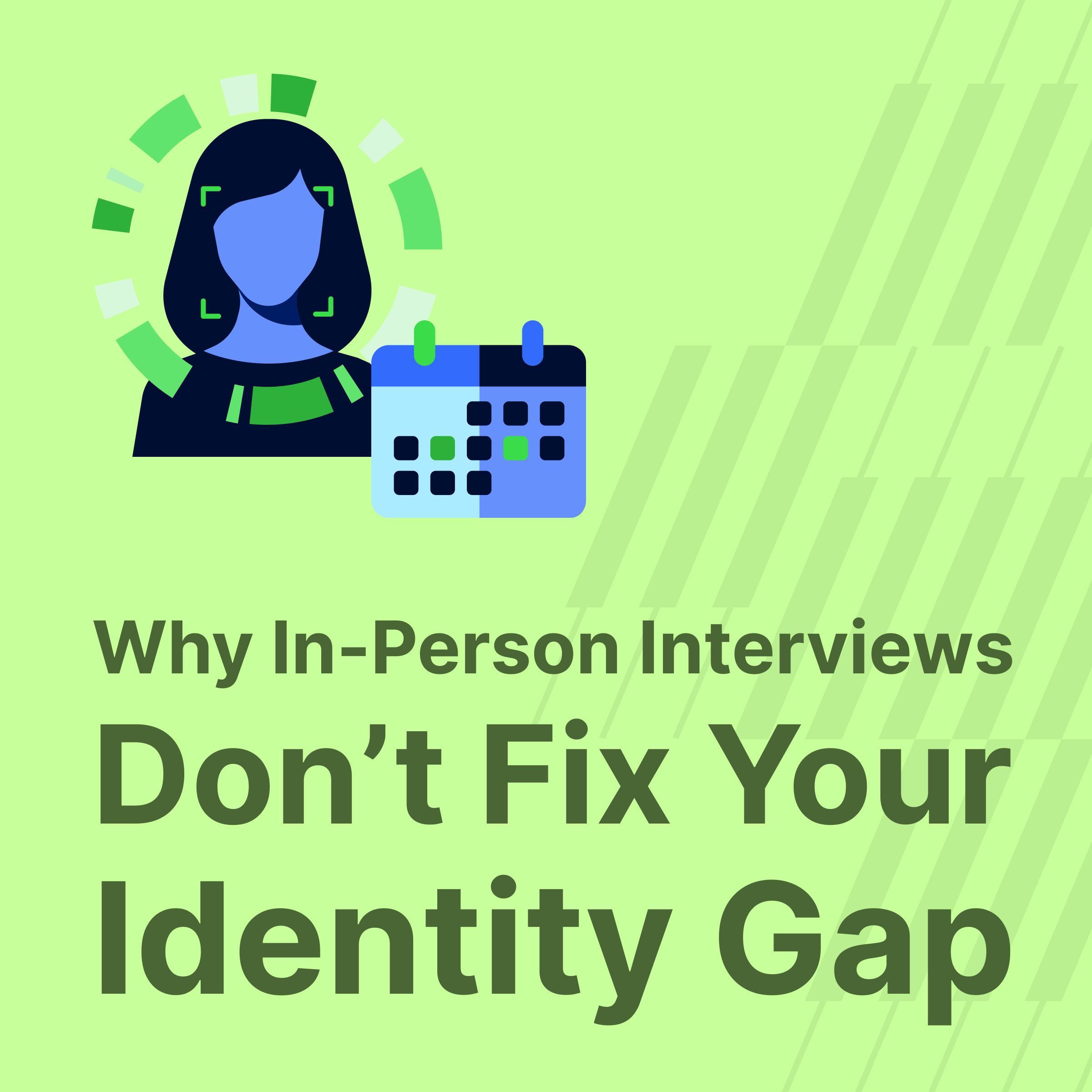
Hiring used to be about qualifications. Today, it is just as much about identity.
AI-generated resumes, impersonation, and deepfake interviews have changed what candidate fraud looks like. The risk is no longer limited to exaggerated experience or unqualified applicants. It is the wrong person moving through your hiring process, sometimes unnoticed, until they are granted access to systems, data, or customers.
That shift has exposed a gap in most hiring stacks. Applicant tracking systems are excellent at managing information, but they are not built to verify that the same real human is present at every step. That is why more teams are integrating identity verification directly into their ATS workflows.
This post explains how that integration works in practice, where identity verification fits into the hiring journey, and how organizations can add these checks without slowing down recruiters or candidates.
Key takeaways
- Your ATS manages hiring information but cannot verify that the same real person is present at every stage — that is the identity gap candidate fraud exploits.
- Identity verification can be triggered at multiple points in your hiring workflow — before applications are reviewed, before interviews, or before onboarding — without replacing your ATS or adding a separate system for candidates to navigate.
- Proof integrates with your existing ATS via EasyLink or REST API, returning a clear verification status (verified, needs review, or failed) that hiring teams can act on inside the process they already manage.
- Candidate verification using government-issued ID, biometric comparison, and liveness detection typically completes in under a minute — fast enough to protect your pipeline without creating drop-off.
- Verified identities can be reused across stages, so candidates do not need to re-verify every time they advance — and that same identity record can carry forward into onboarding, access provisioning, and internal workflows.
- Most organizations start with a pilot for high-risk roles or a single hiring stage, then expand once the process is validated.
The identity gap in modern hiring stacks
An ATS answers operational questions:
- Who applied
- Where they are in the process
- Who approved the hire
- What paperwork is complete
What it does not answer is the question that matters most in modern hiring: is this the same person all the way through?
Candidate fraud often slips through because identity is assumed to be stable. A resume is submitted under one name. An interview happens over video. Onboarding begins. Somewhere between those steps, identity can shift. A stand-in appears for interviews. A different individual shows up for onboarding. Credentials are issued based on trust that was never re-verified.
By the time something feels off, the damage is harder to undo.
Integrating identity verification into your ATS closes that gap by adding proof of identity at the moments where trust matters most.
What it means to integrate Proof with your ATS
Adding Proof to your ATS does not mean replacing your hiring platform or asking recruiters to juggle new tools.
At a high level, integration means triggering identity verification as part of your existing hiring workflow. Candidates complete verification through a secure flow, and hiring teams receive a clear outcome inside the process they already manage.
Proof supports multiple integration paths so organizations can choose the right level of effort and control:
- EasyLink integrations for faster rollout with minimal engineering effort
- REST API for predictable, resource-oriented URLs, with webhooks also available
The key point is flexibility. Identity verification becomes part of hiring, not a separate system candidates have to navigate on their own.
Where identity verification fits in the hiring flow
There is no single “right” moment to verify identity. Different roles, risk levels, and hiring volumes call for different approaches. One of the advantages of integrating Proof with an ATS is that teams can choose when verification happens. Common checkpoints include:
Before applications are reviewed
Some organizations verify identity at the application stage to prevent fake or automated applicants from consuming recruiter time. This is especially useful for high-volume roles where screening fraud manually is not realistic.
Before interviews
Verifying candidates before interviews adds confidence that the person on the call is the same individual who applied. This has become increasingly important as deepfake interviews and proxy candidates grow more common.
Before onboarding
Many teams choose to re-verify identity just before onboarding. This confirms that the person receiving credentials and access is the same person who was evaluated and approved.
Throughout
Once verification is complete, Proof returns a clear status (verified, needs review, or failed) that can be recorded in the ATS or used to trigger next steps. Verification data is handled securely, with auditability that supports internal security and compliance requirements. And when automated checks surface uncertainty, cases can be escalated for human review, preventing false positives from blocking qualified candidates.
Proof supports verification at any of these stages, and verified identities can be reused later for onboarding, access control, or internal workflows. That continuity matters. Identity should not reset every time a candidate moves forward.
What candidates experience
One reason identity checks fail in hiring is friction. Long forms, unclear instructions, or slow processes create frustration and drop-off.
Proof is designed to keep verification fast and human. Candidates are guided through a straightforward flow that typically includes:
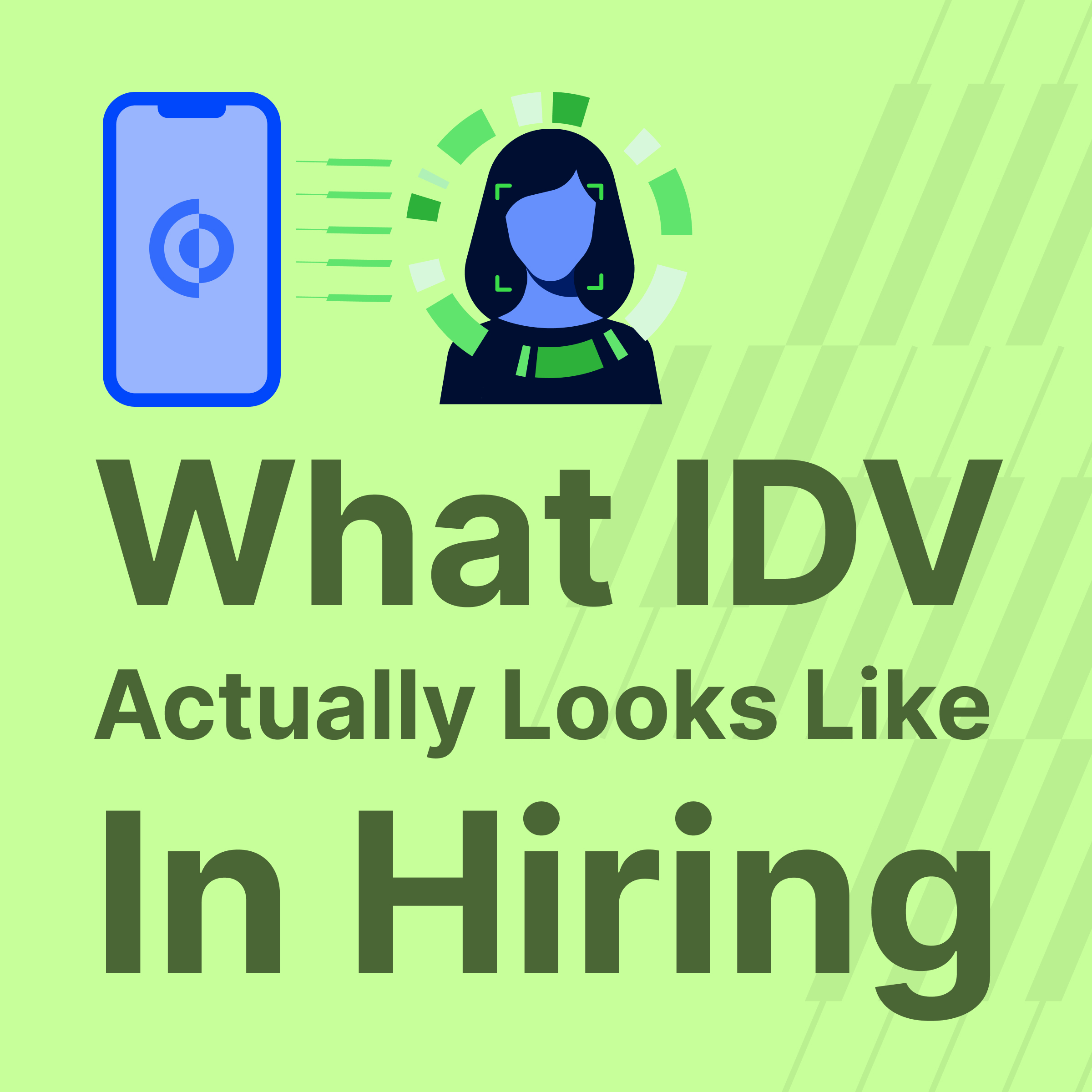
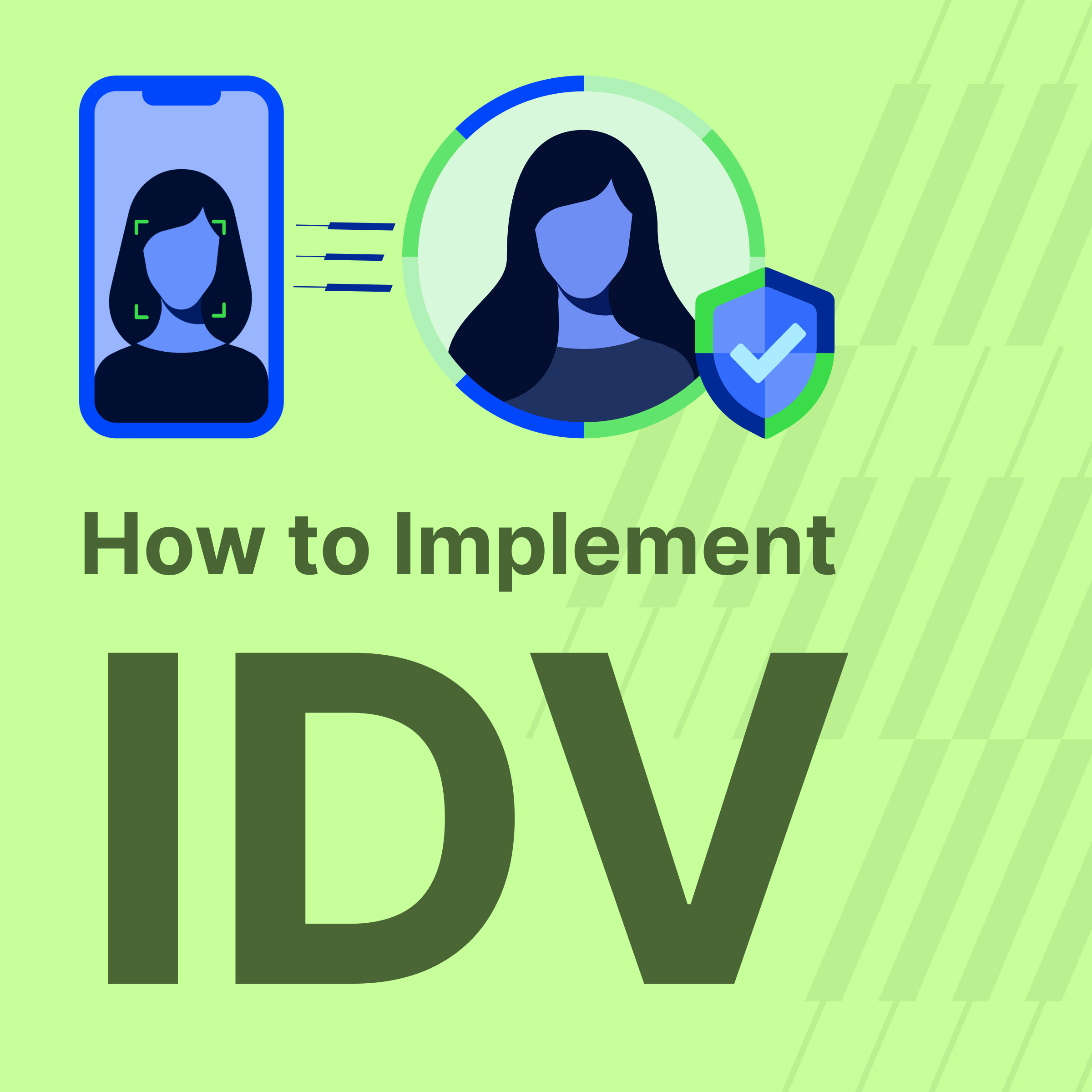
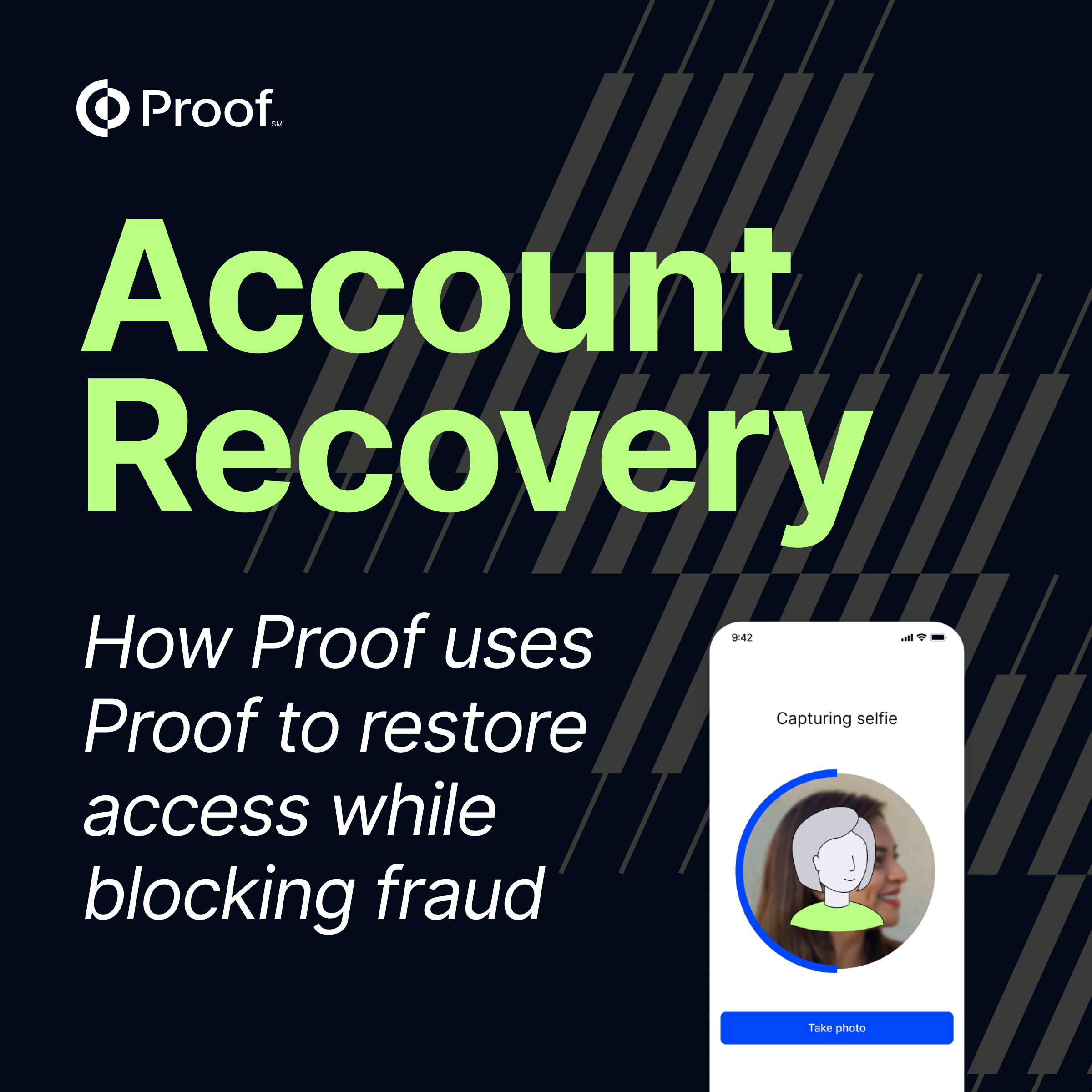
- Capturing a government-issued photo ID
- Taking a selfie for biometric comparison
- Automated analysis of identity and fraud risk
- Escalation to human review only when needed
The goal is not to interrogate candidates. It is to establish trust once, clearly, and move forward.
Rolling out identity verification without disruption
Most organizations start small. A common approach is to pilot identity verification for high-risk roles or at a single stage, then expand once the process is validated.
Because Proof integrations are flexible, teams can adjust where and when verification happens without redesigning their entire hiring stack. The result is stronger trust without slowing down hiring velocity.
Candidate fraud has changed, and hiring systems need to change with it.
Integrating Proof with your ATS helps ensure that the person applying, interviewing, and onboarding is the same real human, without forcing teams or candidates into awkward workflows. It closes the identity gap that modern hiring fraud exploits.
Disclaimer: Proof’s products are designed solely for identity verification and fraud prevention. They are not to be used to evaluate a candidate’s qualifications, character, or suitability for employment.




























.jpg)









































.jpg)