The Rising Threat of Hiring Fraud—and How to Stop It


Updated August 19, 2026
In September 2024, Proof identified the rise in hiring fraud. We now know this threat is growing and evolving. Fraudsters are no longer relying solely on fake credentials or minor resume embellishments. Instead, they’re using increasingly sophisticated tactics—leveraging stolen identities, credential stuffing, and impersonation scams—to infiltrate organizations undetected.
The consequences are serious: mis-hires drain company resources, erode trust, and can even expose businesses to legal and regulatory risk. Even companies native to the space are recognizing the unique challenges AI presents for assurance in hire to onboarding flows.
So, how do you ensure that the person you’re hiring is exactly who they claim to be?
Key Takeaways
- Hiring fraud has moved beyond resume embellishment. Fraudsters now use stolen personally identifiable information (PII), synthetic identities, and deepfake video to pass standard background checks and remote interviews.
- Traditional safeguards such as I-9 verification, E-Verify, and background checks confirm document format and data validity, but they do not verify identity ownership. A fraudster with stolen credentials can pass all three.
- Identity verification must be embedded at multiple points throughout the hiring process, starting before the first interview, not only at final onboarding.
- A single fraudulent hire inside a remote workforce can map your organization's defenses and coach additional fraudulent candidates through the same process.
- Proof's Identify and Verify solutions give hiring teams a way to validate candidates early, detect mismatches in real time, and ensure the person who shows up on Day 1 is the same person who was vetted throughout the process.
The Expanding Fraud Toolkit
A recent article from ACFE highlights just how broad and varied these tactics have become:
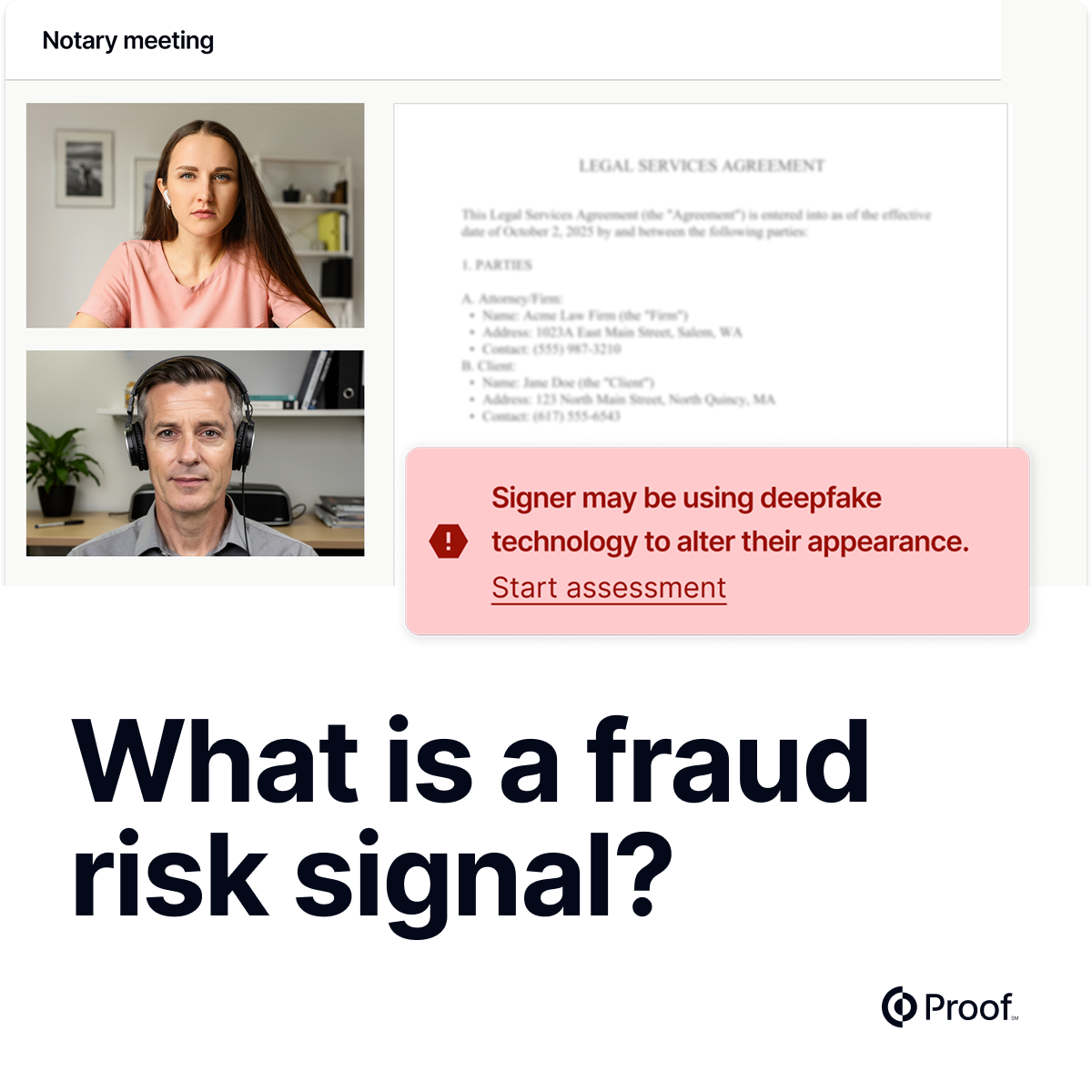
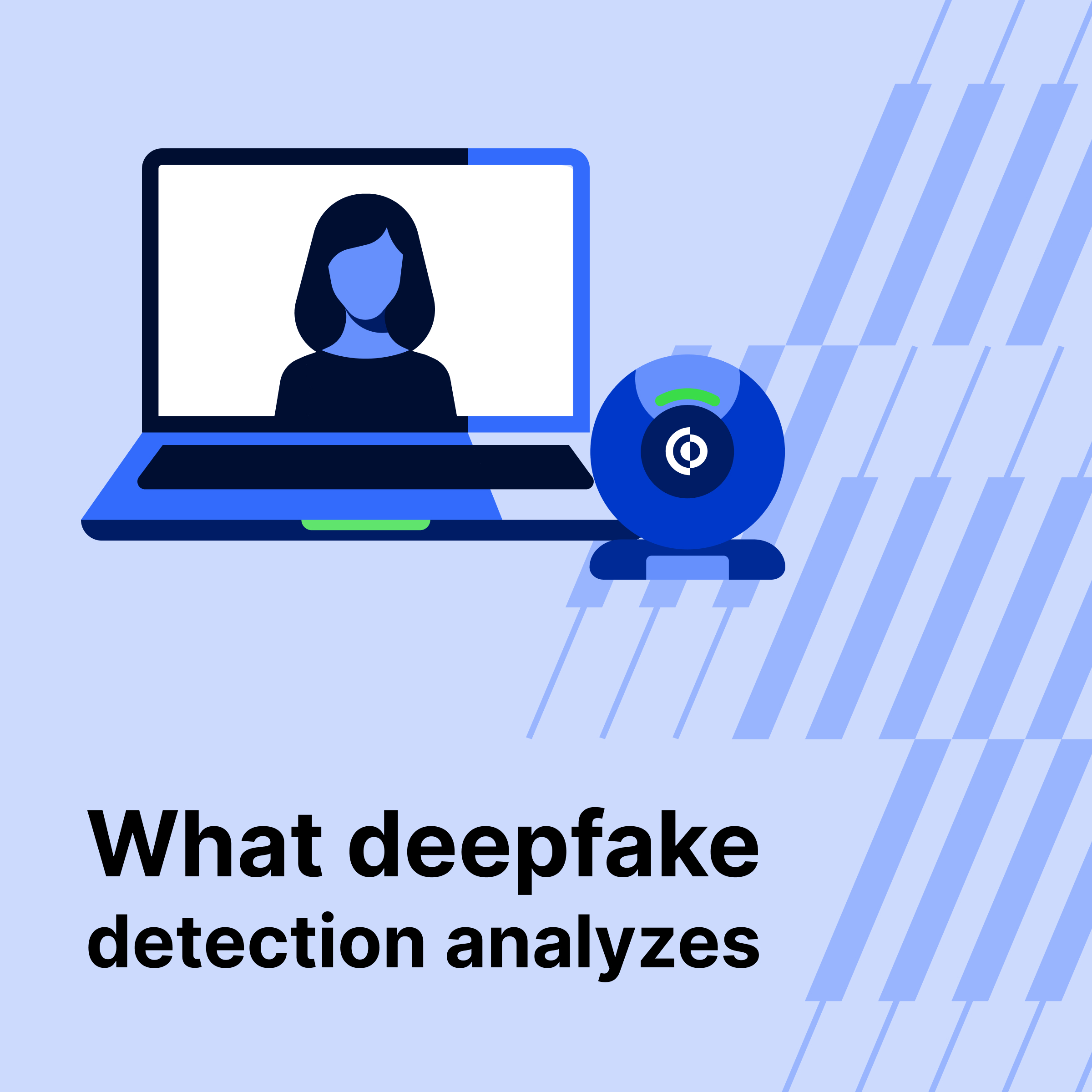
- Contractor & remote work fraud – With the rise of remote hiring, some bad actors are using identity misrepresentation, including the application of deepfakes, to obtain jobs they are unqualified for—or worse, to gain unauthorized access to sensitive company systems.
- Credential stuffing & stolen PII – Fraudsters use previously compromised credentials and personally identifiable information (PII) to assume legitimate identities and bypass standard background checks.
- Regulatory blind spots – New compliance requirements, such as AI transparency laws and stricter KYC (Know Your Customer) regulations, mean businesses that fail to verify identities properly could face penalties.
How Proof Helps You Know Your Candidates
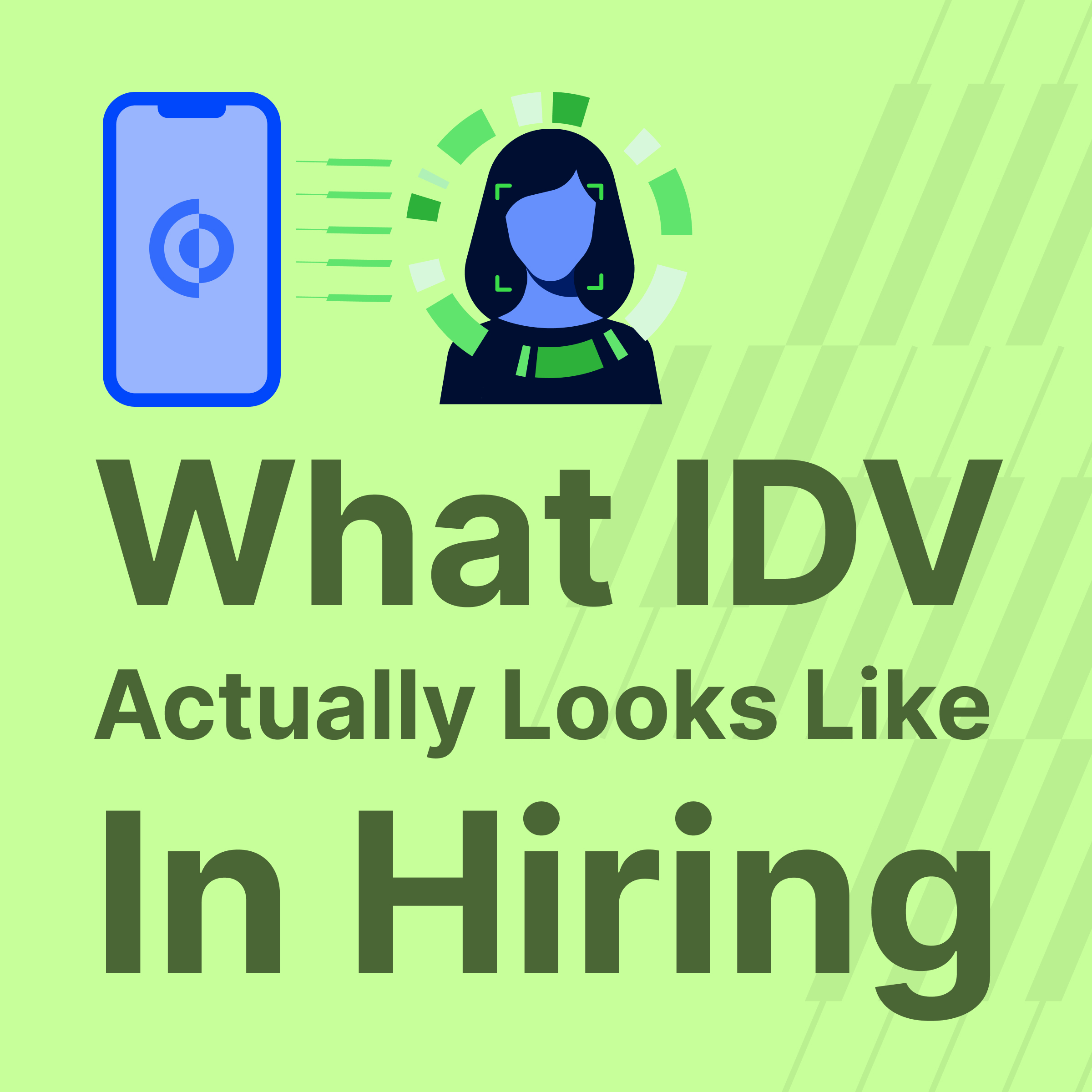
The best way to combat these risks is by embedding identity verification at multiple points throughout the hiring process, not just at the final onboarding stage. Varying formats or approaches can help keep the hiring to onboarding experiences connected and easy to navigate. Proof’s Identify & Verify solutions help organizations validate candidates early and consistently across touch points.
Key Ways to Strengthen Your Hiring Process with Proof
- Pre-Interview Verification: Before moving a candidate forward, validate their identity against official records to ensure they are who they claim to be.
- Continuous Identity Checks: Implement recurring verification at key milestones—like final-round interviews or background checks—to detect discrepancies before an offer is extended.
- Real-Time Alerts: Get notified when mismatches or anomalies arise, allowing you to investigate before making a costly hiring mistake.
- Secure Onboarding: Ensure that the employee who shows up on Day 1 is the same person you vetted throughout the process.
Trust Starts with Verification
By integrating identity verification into hiring workflows, companies can drastically reduce fraud risks while building a foundation of trust with their workforce. In today’s evolving fraud landscape, being proactive is no longer optional—it’s essential.
Want to learn more about Proof Identify & Verify? Get in touch to see how our solutions fit into your hiring process.




























.jpg)







































.jpg)