Evolving Identity Verification: Building from KBA to Biometrics


Updated August 19, 2026
Knowledge-based authentication (KBA) is an identity verification method that confirms a person's identity by asking questions only they should be able to answer: past addresses, loan amounts, previous credit inquiries. For years, KBA identity verification has played a vital role in remote and digital interactions, giving organizations a structured way to authenticate users and establish baseline trust. The landscape it was built for has changed. Personal data is more accessible than ever, fraud tactics are more sophisticated, and relying on what someone knows is no longer sufficient to prove who someone is.
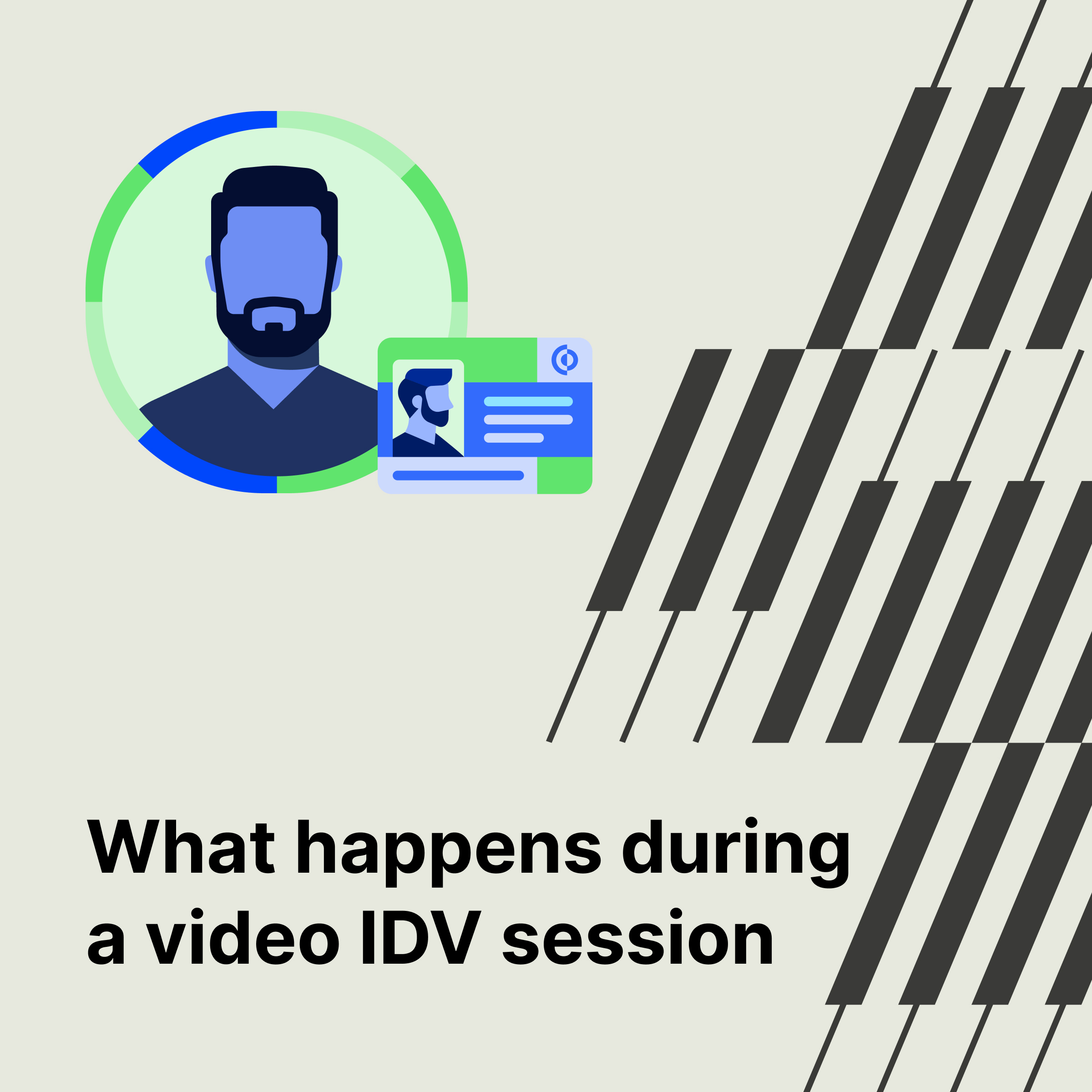
Biometric facial comparison takes a different approach entirely. Instead of asking what you know, it verifies who you are, in real time, by matching a live selfie to a government-issued ID. Depending on your workflow, biometrics can replace KBA entirely or layer on top of it for added assurance.
Key takeaways
- KBA identity verification confirms identity through personal questions drawn from credit reports, public records, or pre-set answers, but the foundational assumption that only the right person knows the answer no longer holds in an era of mass data breaches.
- Static KBA relies on pre-set security questions; dynamic KBA generates real-time questions from external data sources. Both types have exploitable weaknesses.
- Biometric facial comparison, tested by NIST's Face Recognition Vendor Test, achieves accuracy exceeding 99.5% and adds real-time physical presence verification that KBA cannot provide.
- The strongest identity verification strategies layer KBA with biometric facial comparison, liveness detection, and document verification so organizations can apply the right level of assurance based on the transaction at hand.
What is KBA identity verification?
KBA identity verification is a security process that confirms who you are by asking personal questions pulled from public records, credit reports, or your own past history. It is commonly used before signing legal documents online, accessing sensitive financial accounts, or completing remote onboarding workflows.
KBA comes in two forms:
- Static KBA asks users to answer pre-set security questions, such as their mother's maiden name or the street they grew up on. These answers are stored during account setup and retrieved later for verification.
- Dynamic KBA generates questions in real time from public and private data sources, such as credit reports and transaction history, without requiring the user to have provided answers beforehand.
Both types served their purpose. Both have vulnerabilities.
How does KBA verification work?
KBA verification confirms identity by asking personal questions. The system pulls its knowledge from preset security questions or generates them in real time from external data.
Here is the standard KBA verification process:
- Identify the user. The user provides basic identifying information, such as name, date of birth, and address, so the system knows whose records to check.
- Generate questions. The system retrieves pre-set questions (static KBA) or generates new questions from external data sources like credit bureaus or public records (dynamic KBA).
- Collect responses. The user answers three to five questions within a set time limit. The time limit reduces the chance that an unauthorized user could look up answers mid-session.
- Validate answers. The system compares responses against stored records or external data. Most systems require a minimum number of correct answers rather than a perfect score.
- Grant or deny access. If enough answers match, the user is verified. If not, the system may lock the account, trigger a secondary verification method, or route the user to a support channel.
The underlying logic is consistent across implementations: test the user's knowledge against information the organization already has on file.
Static vs. dynamic KBA: what is the difference?
The distinction between static and dynamic KBA determines how hard it is for an attacker to fake a correct answer.
Dynamic KBA is more resistant to social engineering because questions change with every authentication attempt and draw on data that is harder to research. However, outdated records, recent account changes, and limited financial histories can confuse legitimate users and cause false failures.
Where KBA identity verification falls short
Both static and dynamic KBA share a foundational weakness: they depend on the assumption that only the right person knows the answer. That assumption has collapsed.
Common tactics attackers use to bypass KBA:
- Purchasing stolen personal data (addresses, loan history, credit inquiries) from data brokers or the dark web to answer KBA questions correctly
- Synthetic identity fraud, which combines real and fabricated data to pass knowledge-based checks
- Social engineering to extract KBA answers directly from targets over the phone or through phishing
Structural limitations that affect legitimate users:
- Static KBA answers are often discoverable through social media profiles and public records. A 2014 Google survey found that 16% of security questions had answers routinely listed publicly in online social networking profiles.
- Dynamic KBA excludes users without extensive credit or financial histories, including recent immigrants, young adults, and people who primarily use cash.
- 20% of users forget the answers to their security questions within six months, creating support overhead and user frustration without improving security.
- KBA cannot verify the identity of service accounts, API keys, or automated workflows, a growing gap as machine-to-machine connections multiply across enterprise environments.
What you can do:
- Supplement KBA with biometric facial comparison to require real-time physical presence
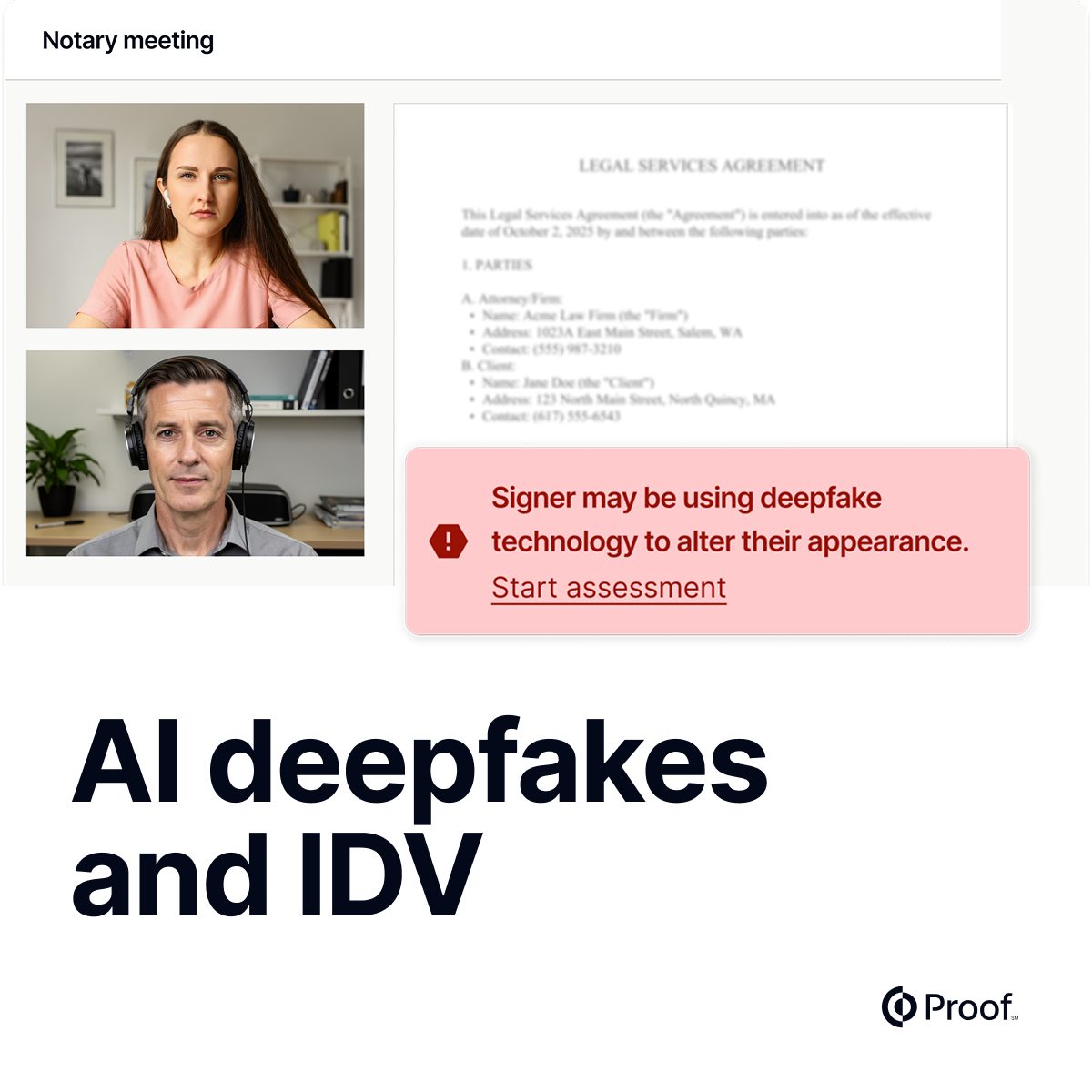
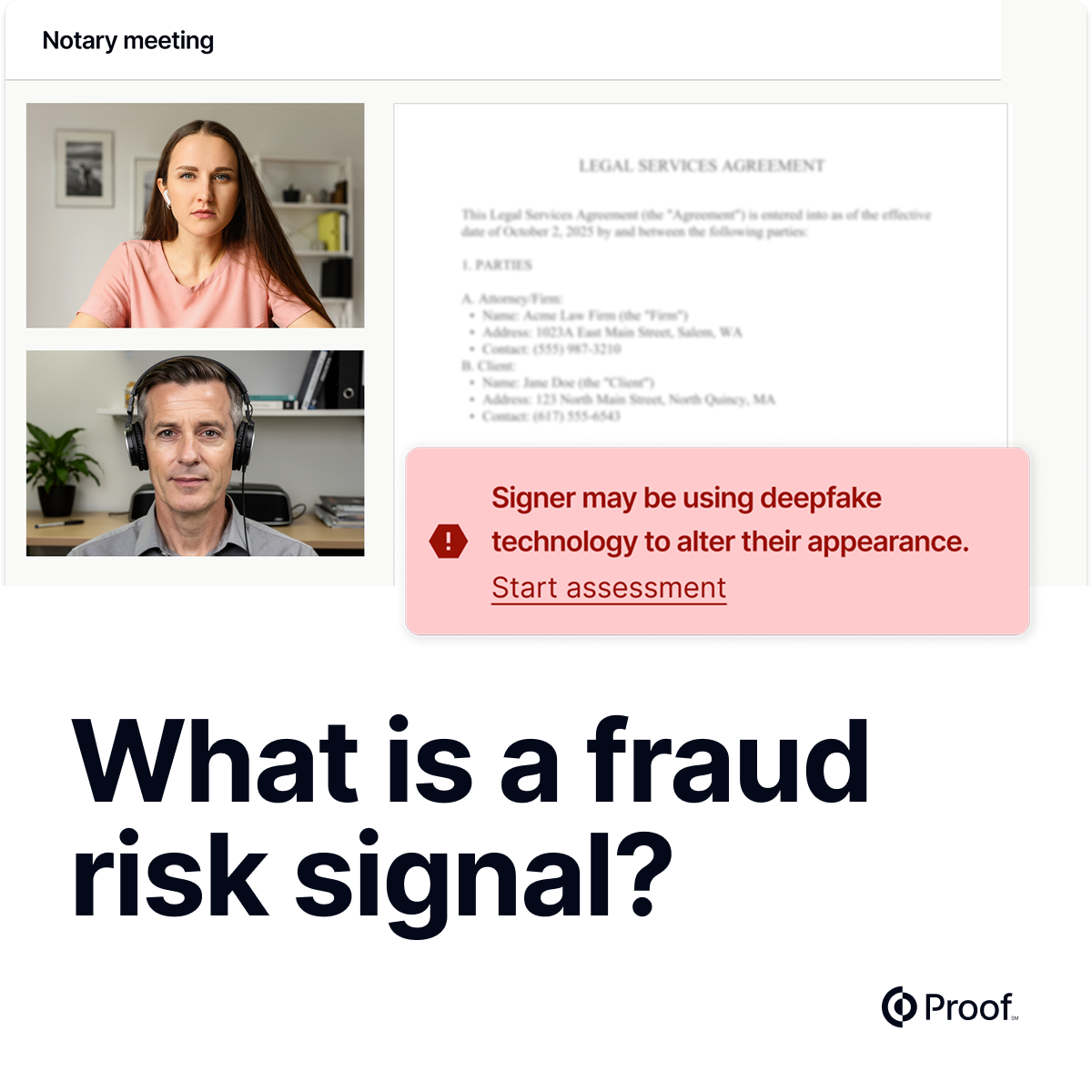
- Implement liveness detection to block photo, mask, or deepfake impersonation attempts
- Review your verification flow against NIST identity proofing guidelines to identify gaps
KBA and compliance: what NIST guidelines say
NIST Special Publication 800-63A-4 states explicitly that knowledge-based verification shall not be used for identity verification as a standalone method. NIST still permits knowledge-derived data within a documented fraud-management program, but that distinction is critical: knowledge-derived data may inform risk, but it cannot serve as the proof itself.
NIST's IAL2 guidelines, which Proof meets, already reflect a world where biometric verification is the standard for high-assurance identity proofing. Organizations still relying solely on KBA are operating under a framework built for a lower-risk era.
Regulatory alignment is accelerating this shift. Michigan updated its remote notarization standards to allow biometric authentication for identity verification, with clear guardrails in place. That move signals a broader directional change: regulators are moving toward biometrics as the baseline for high-stakes identity proofing, and away from knowledge-based checks as a primary control.
Organizations in financial services, real estate, and legal services that have not audited their KBA dependencies against current NIST guidance face both fraud exposure and regulatory risk.
How biometrics improve on KBA identity verification
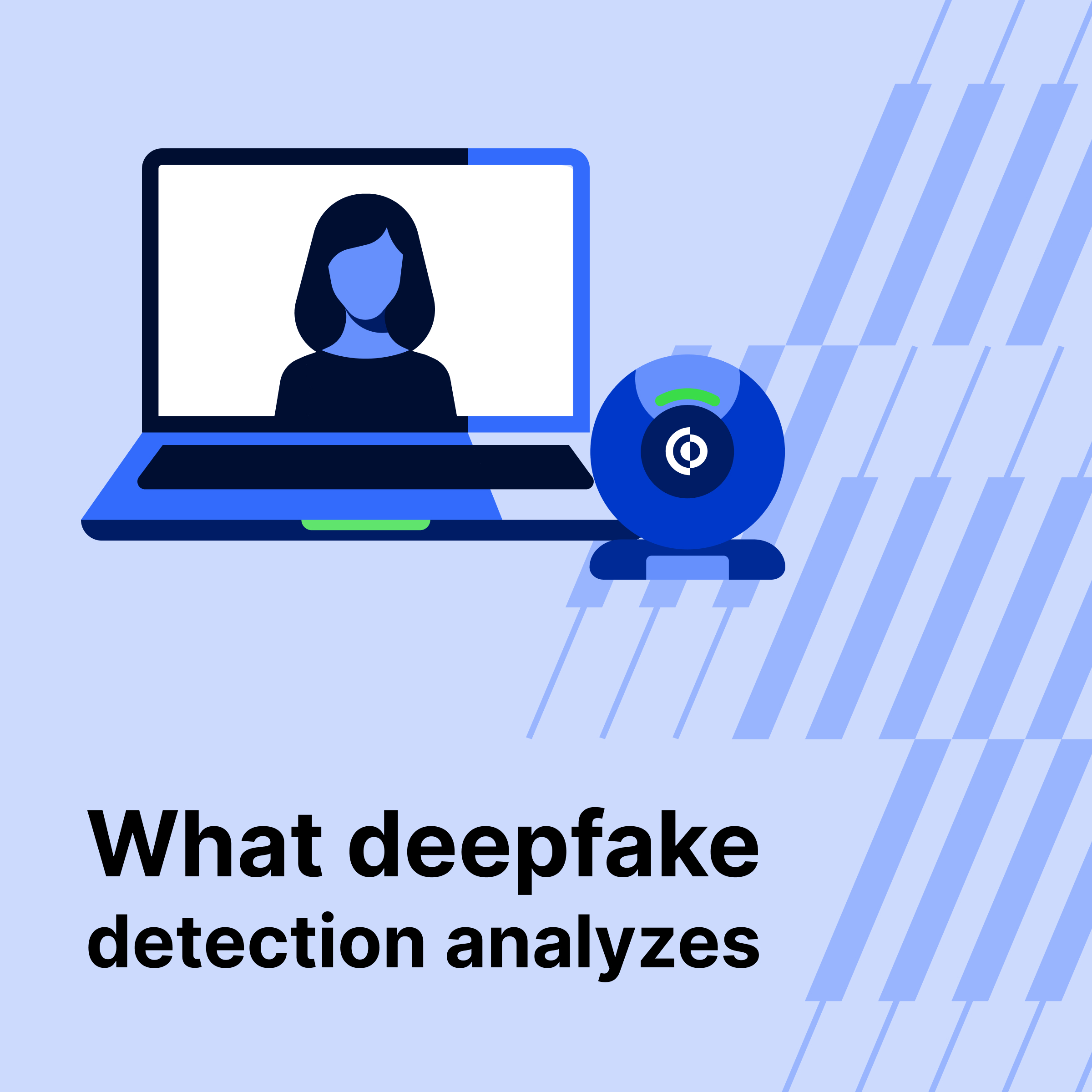
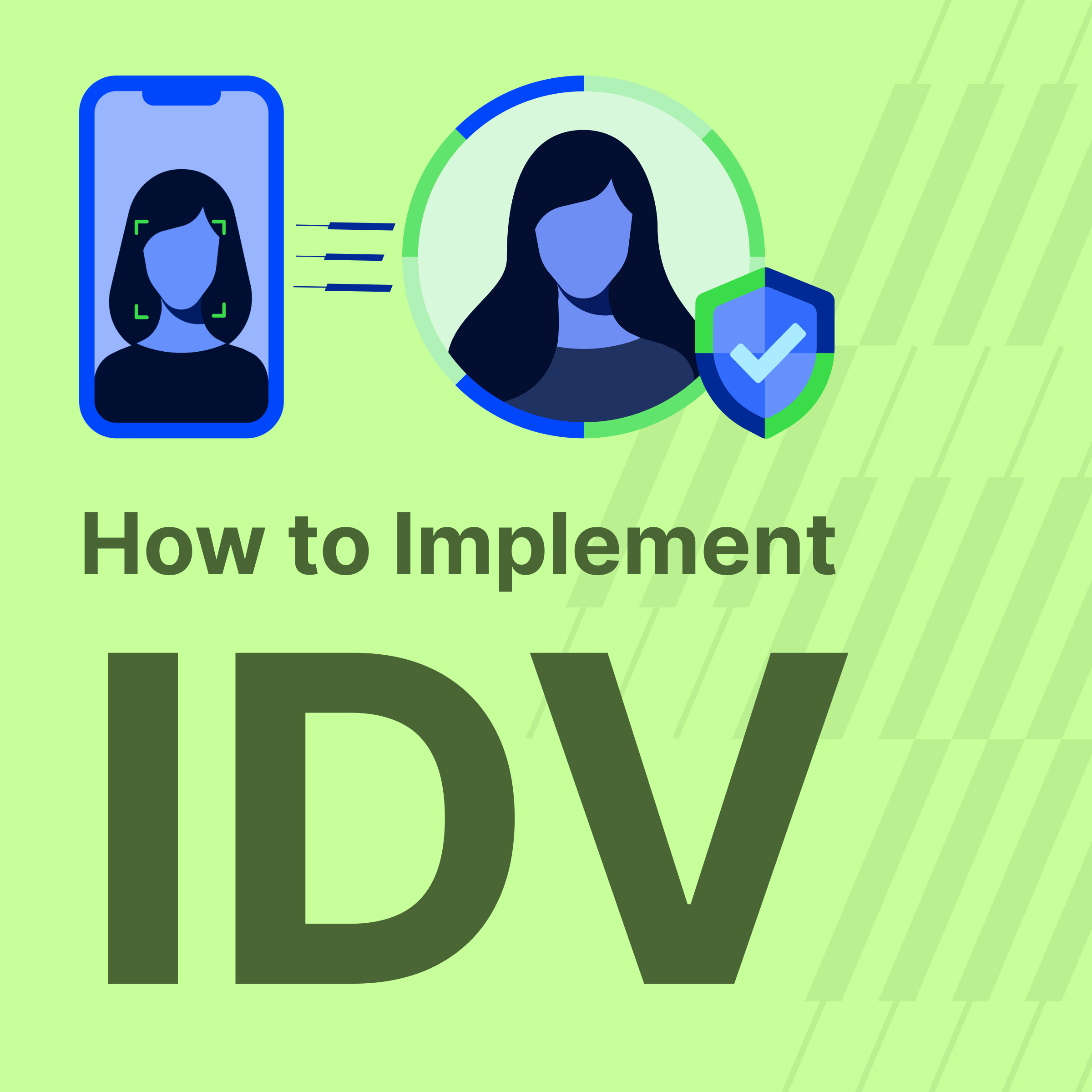
Biometric facial comparison does more than confirm a face matches a document. It verifies that the person is physically present, not a photo, not a mask, not a deepfake. Liveness detection, impersonation signals, and real-time analysis run simultaneously, creating a verification event that is hard to fake and easy to audit.
Here is how biometrics improve on KBA across the dimensions that matter:
- Real-time presence verification. KBA confirms what someone knows. Biometrics confirm that the person is physically present, adding an active layer to identity proofing that knowledge-based questions cannot provide.
- Higher accuracy rates. Top facial recognition algorithms, as tested by NIST's Face Recognition Vendor Test (FRVT), have demonstrated accuracy exceeding 99.5%, far less susceptible to guessing or social engineering than security questions.
- Impersonation detection. KBA cannot tell who is typing the answers. Biometrics identify fraudulent attempts using photos, masks, or deepfakes, directly tying the verification to a living person.
- Greater inclusivity. Biometrics work for anyone with a valid government-issued ID, expanding access to populations KBA leaves behind.
- Alignment with modern standards. Biometrics meet NIST's identity proofing guidelines, which are becoming the regulatory baseline for secure identity verification, while KBA continues to fall outside the latest recommended frameworks.
A layered approach to KBA identity verification
Transitioning from KBA to biometric verification is a natural evolution. KBA establishes identity through knowledge. Biometrics verify identity through real-time physical presence. Together, they create a layered approach that is stronger than either method alone.
The strongest identity verification strategies combine multiple factors: credential analysis, biometric comparison, liveness detection, and risk-based authentication. This allows organizations to apply the right level of security based on the transaction at hand, rather than applying the same check uniformly across all interactions.
Where KBA still holds value in a layered strategy:
- As a secondary factor within a multi-factor authentication flow, not as the primary proof
- As a risk signal within a documented fraud-management program, informing decisions without serving as the sole basis for access
- As a fallback option in low-risk scenarios where the primary authenticator is unavailable
Where KBA should be replaced or supplemented:
- High-value financial transactions, including wire authorizations and loan originations
- Account recovery and credential reset workflows, which are increasingly targeted by social engineering attacks
- Remote onboarding for regulated industries where IAL2 assurance is required
- Any workflow where a deepfake or synthetic identity could cause material harm
The key operational question is not whether to keep or eliminate KBA. It is: where in your workflow does KBA currently serve as the primary proof, and what happens when an attacker has the same data your system is testing against?
Trust decisions that KBA currently carries in your organization
Before replacing KBA, organizations need to inventory where it is actually being used. KBA often appears in more places than security teams realize.
Common places KBA is invoked:
- During onboarding, treated as proof that an applicant owns a claimed identity
- At login, operating as a second factor
- In contact centers, giving agents permission to unlock an account or reset credentials
- During account recovery, authorizing the binding of a new phone or authenticator
Each of these decision points carries different risk. A contact center agent approving an account reset based on a date of birth and a last four digits is a fundamentally different risk exposure than a dynamic KBA quiz during initial onboarding. Both deserve scrutiny.
What you can do:
- Document every workflow where KBA is invoked and what action a passing result permits
- Identify which of those workflows involve high-value account changes, credential resets, or sensitive authorizations
- Apply stronger verification, including biometric checks or live video confirmation, at the highest-risk decision points
- Ensure that account recovery and help desk workflows have independent verification policies, separate from the controls protecting initial login
The Scattered Spider advisory issued by the Cybersecurity and Infrastructure Security Agency describes actors who impersonate employees and persuade help desks to reset credentials or multi-factor authentication. Publicly discoverable facts and call center agent judgment should not carry an account-reset decision.
How Proof builds on KBA with biometric identity verification
Proof has embedded biometric verification across the workflows where identity risk is highest: real estate closings, financial account changes, loan originations, and document-critical onboarding.
Whether you are a notary verifying a signer's identity, a lender onboarding a borrower, or an enterprise securing high-value account changes, Proof's Identify product layers biometric facial comparison with document verification and liveness detection. The outcome is a detailed identity report that documents verification results and risk indicators, and that report becomes a durable, auditable record of the verification event.
Defend adds multi-signal fraud intelligence across the transaction lifecycle, so every interaction is backed by more than just a question and answer. Defend monitors for deepfakes, document forgery, impersonation signals, and behavioral risk across web, mobile, phone, and video channels, adjusting controls based on what is being authorized.
Proof meets NIST IAL2 requirements and holds certifications from Kantara, SOC 2, MISMO, and WCAG AA. Those certifications are not marketing claims. They are independently validated evidence that the verification infrastructure meets the standards regulators and auditors are increasingly requiring.
The path forward is building on what worked. KBA established the concept of structured identity proofing in digital workflows. Biometrics, liveness detection, and document verification extend that foundation with technology that matches today's threat environment.





































.jpg)













































.jpg)