Why Fraud Prevention is Key to the Auto Market


Updated August 20, 2026
Auto fraud costs consumers and businesses an estimated $4.5 billion annually in the U.S. alone. The shift from paper to digital auto transactions has opened new attack surfaces across the entire vehicle transfer chain. Dealerships, lenders, insurance carriers, salvage operators, and tow services all handle documents that fraud actors actively target. Fraud prevention in the auto market starts with understanding exactly where those attack surfaces are and what controls close them.
Key takeaways
- Auto fraud costs an estimated $4.5 billion annually in the U.S., and the shift to electronic documents has expanded the attack surface for odometer fraud, title fraud, and forged signatures.
- NIST IAL2 identity proofing is the regulatory standard required for electronic execution of critical vehicle documents, including odometer disclosures and title transfers.
- In 2024, NHTSA and AAMVA clarified that IAL2 is required when executing documents electronically, but physical documents uploaded to a digital platform can be signed using standard e-sign.
- Regulators relaxing requirements for convenience does not reduce fraud risk. It shifts the burden to the businesses processing those transactions.
- Layered identity verification, combining biometric matching, passive liveness detection, and a tamper-evident cryptographic audit record, is the standard that closes the gap between regulatory minimums and actual fraud exposure.
- Businesses that require IAL2 verification before executing electronic documents protect every party in the transaction chain and create defensible records that hold up in disputes.
Why fraud prevention matters in the auto market
Fraud prevention in the auto market matters because every document in a vehicle transfer chain is a potential point of exploitation. The odometer disclosure, the title, the registration, the power of attorney: each one can be forged, altered, or executed by someone who never had authority to sign.
The rapid migration to electronic documents for automotive transactions brings speed and convenience. It also brings new risk. Simple e-signatures alone do not close that risk. Regulatory requirements have historically blocked the use of e-sign throughout the vehicle transfer process because regulators recognized that higher identity assurance is required for documents where fraud has material financial consequences.
Any business that touches vehicle title and registration is handling documents that fraud actors actively target. Going electronic is about closing the attack surface, not just reducing paperwork.
The most common auto fraud schemes
Auto fraud takes several distinct forms. Each one exploits a different weakness in the transaction chain, and each one causes real financial harm to buyers, sellers, lenders, and insurers.
Common tactics:
- Odometer fraud. Altering mileage readings to inflate a vehicle's resale value. Digital odometers have made this easier to execute and harder to detect without verified identity records.
- Title fraud. Forging or altering a vehicle's title or registration to conceal accident history, salvage status, or prior liens.
- Forged signatures. Executing documents on behalf of someone who never authorized the transaction. This is the most direct form of identity fraud in auto workflows.
- Misrepresentation. Hiding prior damage, rental use, or lemon law history from buyers. When identity is not verified, there is no accountability trail.
- Insurance fraud. Staging accidents or filing false claims to collect payouts on vehicles that are not worth repairing or reselling.
- VIN switching and vehicle cloning. Removing or replacing a vehicle identification number to disguise a stolen or salvaged vehicle and allow it to re-enter the market with fraudulent documentation.
- Loan stacking. Applying for multiple auto loans simultaneously across different lenders before credit bureaus update records, allowing fraudsters to walk away with several financed vehicles.
- Synthetic identity fraud. Combining real and fabricated information to create a new identity with a clean credit history. Synthetic identities are difficult to flag because parts of the identity check out against real data.
- Undisclosed fees and charges. Inflating the total purchase price with hidden add-ons that were never agreed to by the buyer.
The odometer disclosure is the document no vehicle sale can close without. Tamper with it, and the entire sale is compromised. That is exactly why regulators imposed higher security standards on it. When fraud slips through, buyers end up overpaying for vehicles that need costly repairs or replacement far sooner than expected.
What you can do:
- Require IAL2 identity proofing before any electronic document is executed.
- Adopt an electronic registration and title (ERT) system that enforces verified identity at every signature touchpoint.
- Deploy a verification solution like Proof Identify with no IT integration required.
- Pair identity proofing with advanced fraud detection like Proof Defend for layered protection.
Why traditional ID checks no longer stop auto fraud
Scanning a driver's license or running knowledge-based authentication (KBA) questions was sufficient when fraud required physical effort. It is not sufficient now.
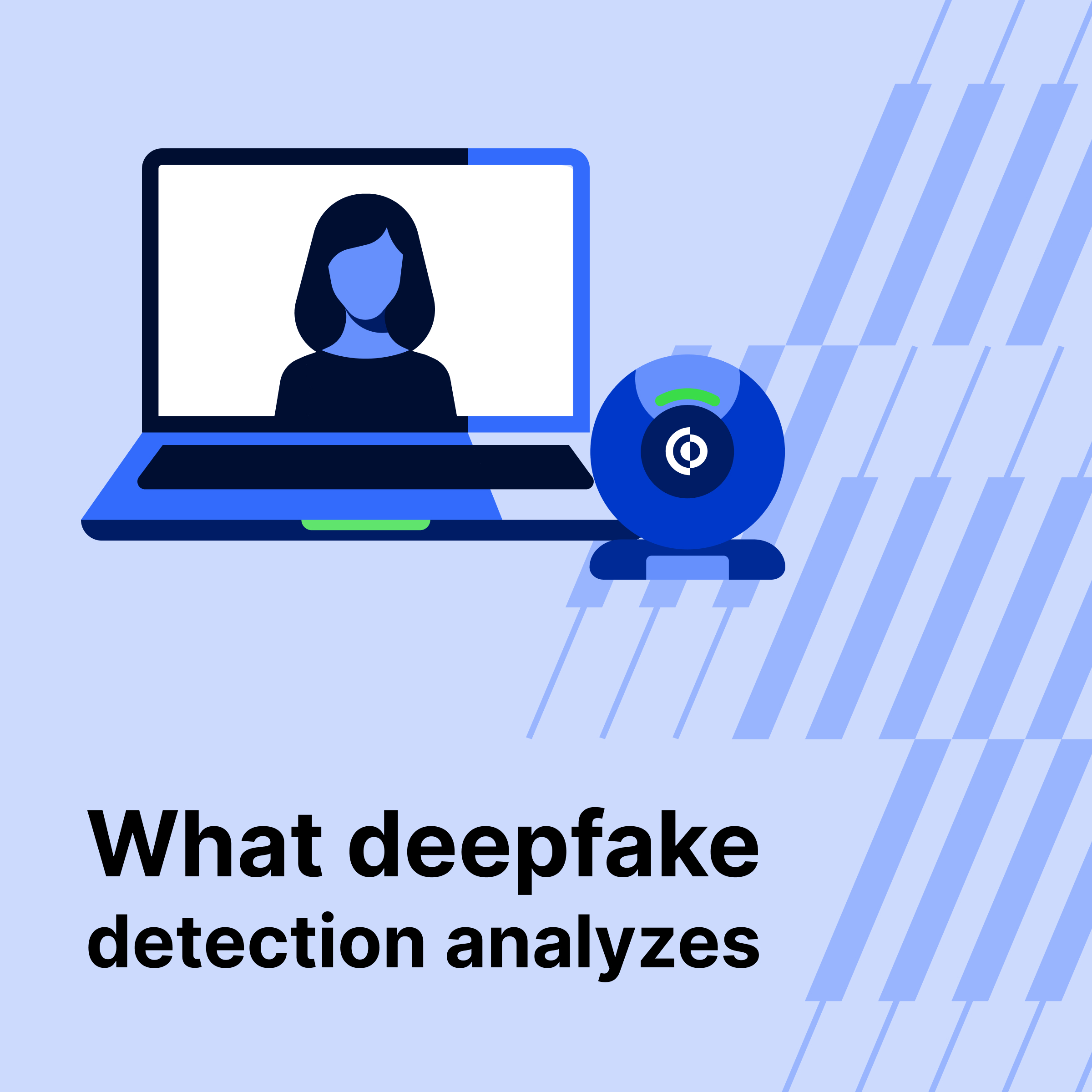
AI-generated fake IDs can pass visual inspection. Synthetic identities have clean credit histories that pass standard KYC checks. Deepfake technology allows fraudsters to impersonate real people on video calls. The tools available to fraud actors have outpaced the defenses most auto businesses have in place.
Photocopying an ID and manually verifying identity is too slow and too inaccurate to rely on. The right identity proofing solution reduces friction for legitimate customers while running checks that no human reviewer can replicate at scale: biometric matching against a government-issued credential, passive liveness detection to confirm a real person is present, and a tamper-evident cryptographic audit record that documents every step.
What IAL2 identity proofing requires
IAL2 is the National Institute of Standards and Technology (NIST) identity assurance level that regulators require for electronic execution of critical vehicle documents. It is the high-security benchmark because it combines multiple verification checks that, together, confirm the person signing is who they claim to be.
IAL2-compliant verification includes:
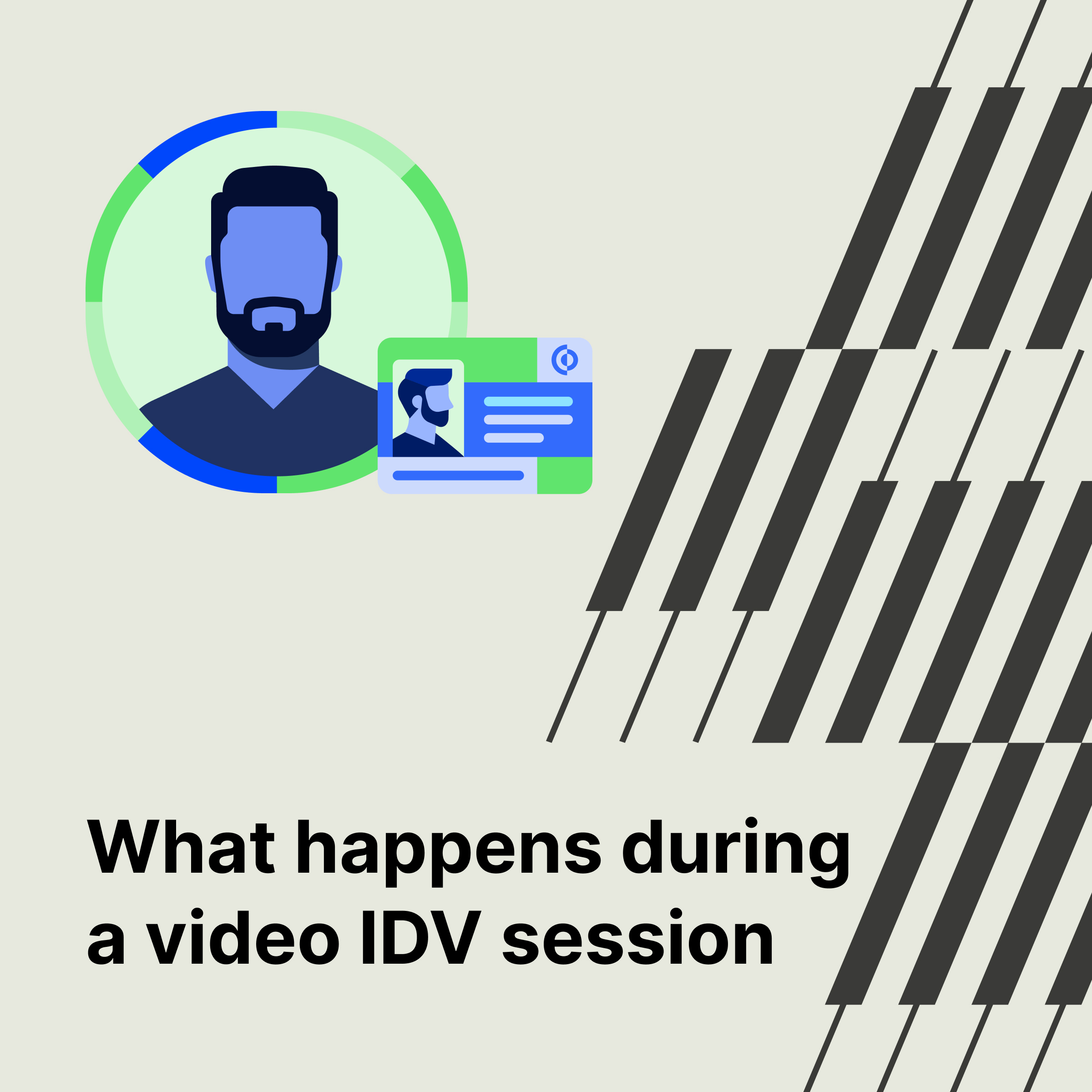
- Biometric identity matching. The person's face is matched against a government-issued photo ID.
- Passive liveness detection. The system confirms a real, live person is present, blocking photo or video spoofing attempts.
- Credential analysis. The identity document is checked for authenticity, including security features that cannot be replicated with off-the-shelf tools.
- A tamper-evident cryptographic audit record. Every step of the verification is recorded in a way that cannot be altered after the fact.
In 2024, the National Highway Traffic Safety Administration (NHTSA) and the American Association of Motor Vehicle Administrators (AAMVA) separately issued clarification and guidance regarding IAL2 and electronic document execution.
The key clarification: while states continue to roll out ERT systems, IAL2 is not required when a physical document is uploaded to a digital platform. A physical document that is uploaded can be signed using regular e-sign. IAL2 is required when the document is executed electronically from the start.
That distinction matters for compliance. It does not reduce the underlying fraud risk. Businesses that skip identity proofing on uploaded documents are still exposed to forged signatures and misrepresentation.
The business case for fraud prevention in auto transactions
Fraud prevention in the auto market delivers measurable business benefits beyond avoiding losses. For dealerships, lenders, and title teams, the case is concrete.
- Reduced fraud. IAL2 authentication significantly reduces the risk of fraudulently executed documents by ensuring that only authorized and verified individuals can electronically sign them. When the odometer disclosure is secured, the overall transaction is secured with it.
- Legal compliance. Motor vehicle policy is set by each state, in some cases at the county level. Meeting IAL2 requirements ensures compliance with higher execution standards from state to state, reducing exposure to regulatory penalties and document challenges.
- Remote authentication. IAL2 does not require customers to appear in person. You can verify identities, execute compliant documents, and close transactions with customers anywhere, without sacrificing the fraud controls that protect both parties.
- Lower operational costs. For businesses serving customers beyond their physical footprint, going electronic eliminates the costs and delays of overnighting documents and chasing customers to sign and return them.
- Defensible records. When you require identity proofing, every party in the transaction, including sellers, buyers, lenders, and regulators, has a verified record to stand behind. When disputes arise, identity-backed records become evidence that stands up to scrutiny.
AAMVA acknowledges the convenience that relaxed requirements may bring. At the same time, AAMVA recommends that state regulators take full advantage of available technology to fight fraud. Regulators relaxing requirements for convenience does not mean the fraud risk has gone down. It means the burden has shifted to you.
Who is at risk across the auto transaction chain
The fraud risk does not stop at the dealership lot. Every business that handles vehicle documents is exposed.
- Dealerships face stolen and synthetic identity buyers, altered or fake documentation, income misrepresentation, deal unwinds, and reputational damage from funded fraudulent transactions.
- Auto lenders are exposed to application fraud, synthetic identity fraud, loan stacking, and early payment default tied to fraudulent originations. Experian's automotive fraud research shows 84% of auto lenders report suspected or confirmed auto loan fraud in a given year, and the average dealer completes four fraudulent deals before detection.
- Insurance carriers face staged accidents, falsified claims, and vehicles with concealed salvage or flood history that inflate claim values.
- Salvage operators and tow services handle title documents where a single forged signature or concealed defect can expose the entire transaction chain to liability.
- Title and registration teams are the last line of defense before a fraudulent vehicle transfer becomes a matter of public record. A single compromised document can cloud title for years.
Every document in the chain is a potential point of exploitation when identity is not verified.
Building a fraud prevention process that scales
Technology closes the detection gap. Process closes the accountability gap. Both are required.
Formalize risk escalation. A strong fraud prevention strategy includes a defined process for handling flagged transactions. That means designating who reviews flagged cases, outlining additional verification steps, maintaining records of flagged cases and actions taken, and updating the policy as new fraud schemes emerge.
Train staff to recognize red flags. Sales teams are in the business of selling vehicles. They are not fraud investigators. Training gives them the pattern recognition to flag suspicious behavior before a deal funds.
Common behavioral red flags include:
- A customer who is impatient or evasive throughout the transaction process.
- A sale that closes too easily, with no negotiation on price or financing terms.
- A buyer who knows exactly which vehicle they want without looking at alternatives, and cannot explain why.
- A customer who accepts 100% financing without hesitation on a vehicle they appear unfamiliar with.
Scrutinize credit reports for synthetic identity signals. Synthetic identities often have clean credit histories with unusual patterns: rapid account openings, high credit limits on new accounts, large balances with no payment history, or age and credit history mismatches. These are indicators that standard KYC checks will miss.
Build a fraud-aware culture. Fraud prevention cannot rest on one person's shoulders. Every employee who touches a transaction should have basic working knowledge of how to detect fraud, what tools are available, and who to escalate to when something does not add up.
Securing every authorization in the vehicle transfer workflow
Identity verification at the point of sale is necessary. It is not sufficient on its own.
Vehicle transfers involve multiple documents executed by multiple parties at different points in time: the purchase agreement, the odometer disclosure, the title transfer, the power of attorney for lien releases, and any financing documents. Each one is a potential fraud vector.
- Electronic signatures on title documents require IAL2 verification when the document is executed electronically. Anything less creates a gap that fraud actors will find.
- Powers of attorney for title transfers are a specific high-risk document type. Auto lenders who still mail POAs for wet-ink signatures are carrying operational cost and fraud risk that electronic verification eliminates. Verified digital POA execution binds the document to a confirmed identity and creates a defensible record.
- Remote online notarization (RON) for auto transactions is available in 49 states and the District of Columbia as of 2026. For documents that require notarization, RON with IAL2-level identity verification closes the same gap that in-person notarization was designed to close, without requiring the customer to appear in person.
The result of securing every authorization is a defensible identity record at every critical point in the transaction. When disputes arise, that record is evidence.
How Proof secures auto transactions
Proof Identify brings IAL2-certified identity verification directly into your customer workflows, with no IT integration required. Every check runs automatically. When a case needs human review, a trusted agent steps in. The result is a defensible identity record at every critical point in the transaction.
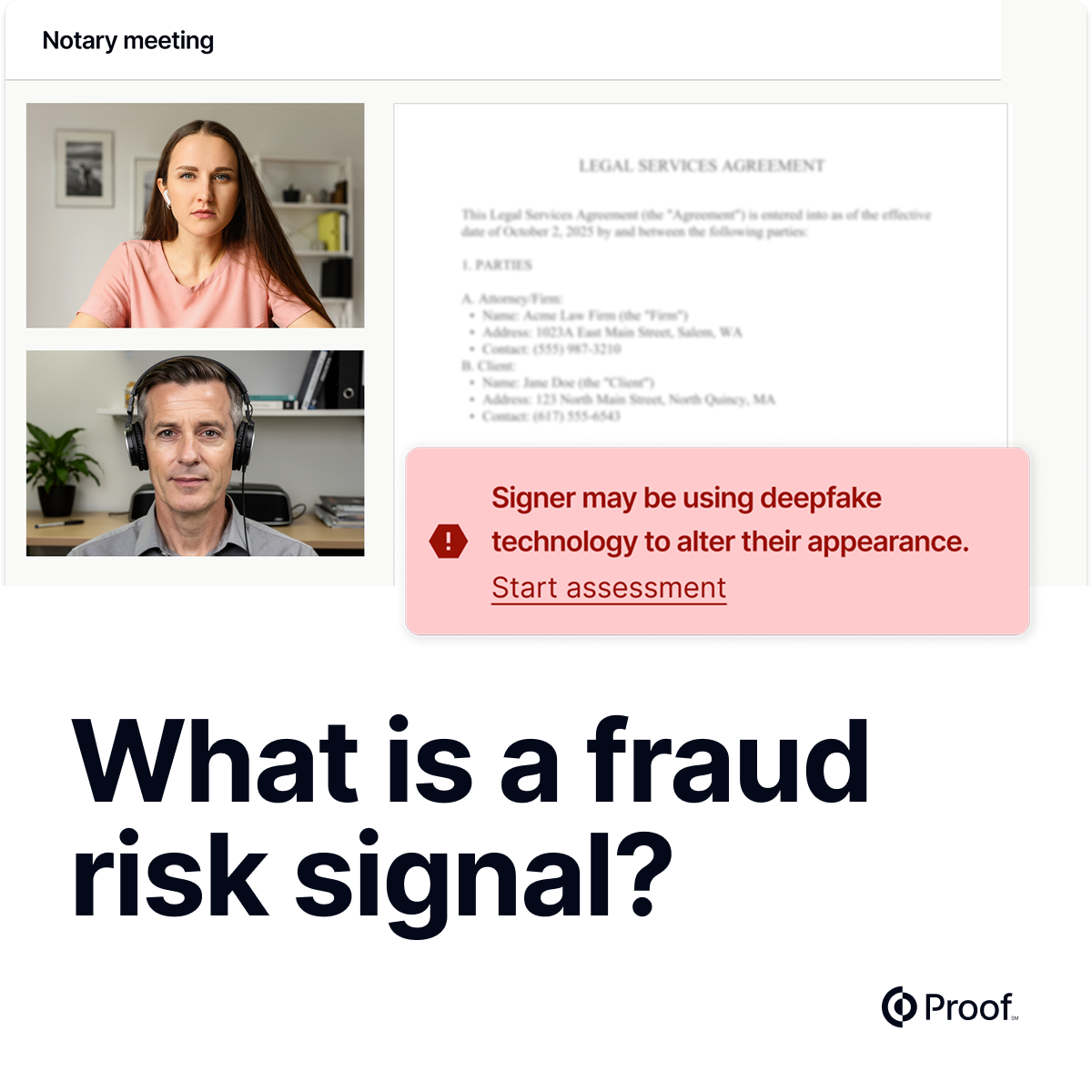
Proof Defend adds real-time fraud analysis to every interaction, including deepfake detection, document signals, and behavioral risk, all surfaced in a single workflow. Together, Identify and Defend give dealerships, lenders, and title teams the layered protection that the current fraud environment requires.
If you are processing vehicle transfers electronically, identity verification is your first line of defense.

























.jpg)








































.jpg)