The Business Case for KYC in Real Estate: How Customer Verification Protects Deals and Builds Trust


Updated August 19, 2026
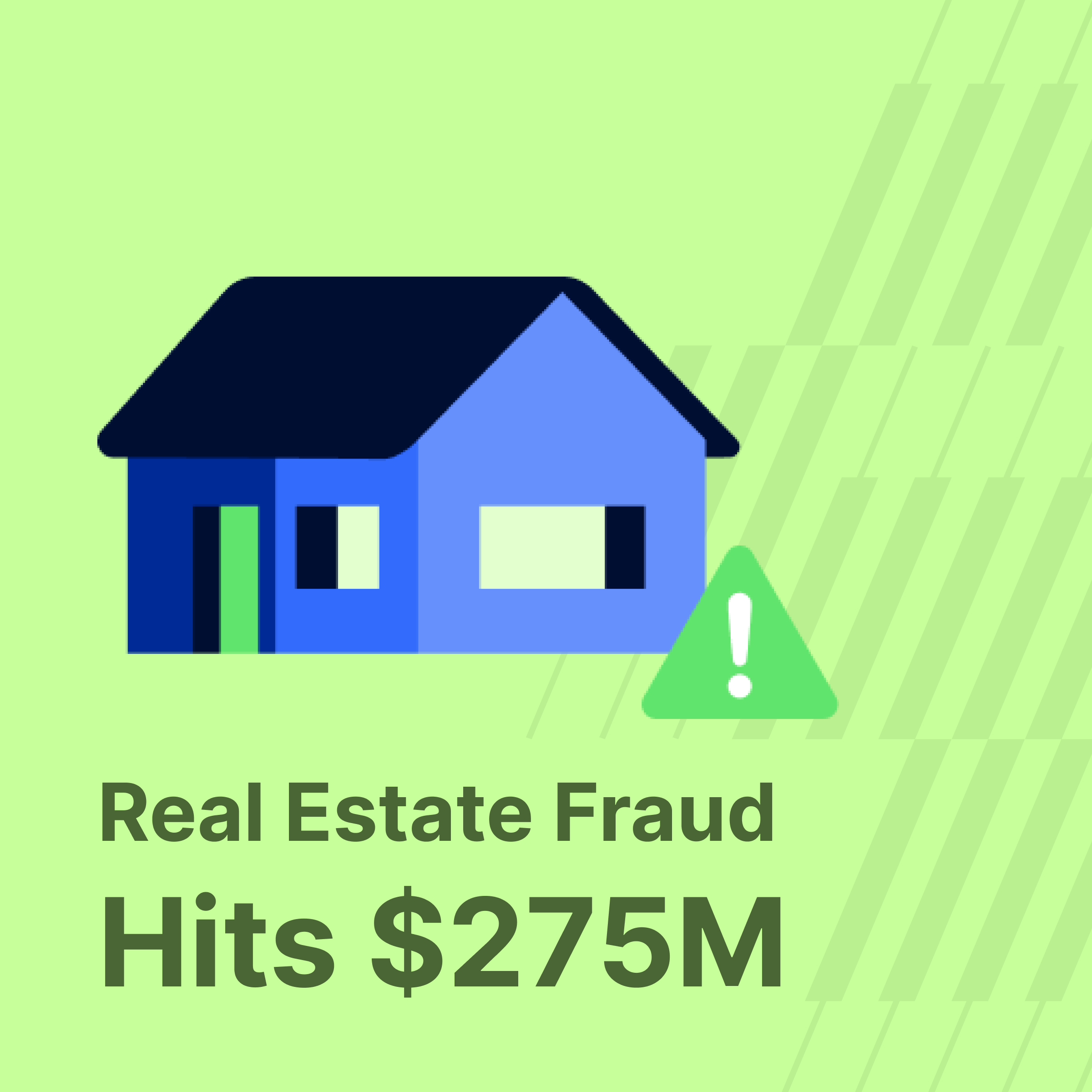
Real estate fraud losses hit $275 million in 2025, up 58% in a single year. Every property transaction involves high-value assets, sensitive personal data, and complex chains of authorization. That combination makes real estate a prime target for money laundering, identity theft, and title fraud. Know Your Customer (KYC) and Anti-Money Laundering (AML) processes are a competitive advantage. Businesses that prioritize customer verification see measurable gains in efficiency, trust, and long-term profitability.
Here is what modern KYC compliance actually looks like in practice, and how stronger identity verification protects deals, shortens timelines, and keeps your business defensible.
Key takeaways
- Real estate fraud costs an average of $440,000 per incident to recover from; KYC and AML systems significantly reduce this exposure.
- Digital identity verification can reduce transaction times by more than seven days per funding cycle, directly accelerating closings.
- The Bank Secrecy Act (BSA), AMLD5, and Canada's Proceeds of Crime Act all impose mandatory KYC obligations on real estate professionals, with steep penalties for non-compliance.
- Proof's platform reduces in-person meeting times by 99 minutes per transaction and cuts closing errors by 31%, turning compliance into an operational advantage.
- Seller-side identity verification is an underserved gap: title fraud and deed theft require verifying both buyers and sellers, not just the party writing the check.
Why KYC/AML is critical in real estate
The growing threat of fraud
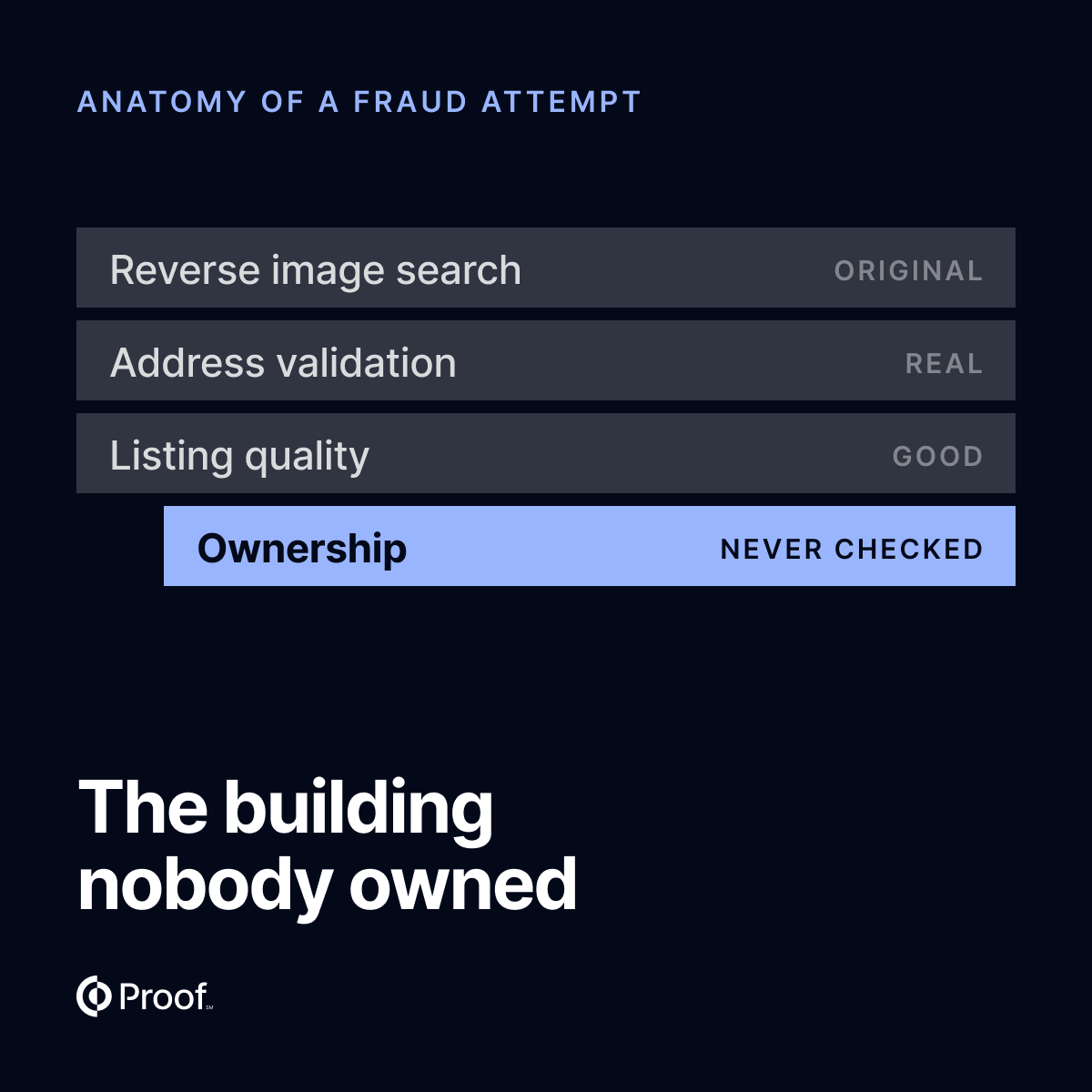
Real estate is a lucrative target for fraud, and the schemes are getting bolder. Title fraud and identity theft are accelerating, with criminals using fake IDs, slight name misspellings, and forged documents to impersonate property owners and sell homes out from under them. In some cases, homeowners have returned to find their property sold without their knowledge, with fraudsters bypassing traditional checks entirely. The U.S. Department of Treasury estimates that countless illicit transactions in the housing market go unnoticed due to outdated customer verification processes. Cash-based purchases compound the problem: buyers who transact in cash can avoid the scrutiny that comes with mortgage lending, making real estate a preferred channel for laundering illicit funds. With property sales often handling millions of dollars in a single transaction, businesses face outsized exposure if robust compliance measures aren't in place.
Regulatory pressure
Governments globally are heightening compliance standards to curb illicit activities in real estate. In the U.S., the Bank Secrecy Act sets baseline requirements for verifying identities and reporting suspicious activity. In the EU, AMLD5 imposes similar obligations. In Canada, the Proceeds of Crime (Money Laundering) and Terrorist Financing Act requires anyone involved in real estate transactions to verify client identity and record financial activity. The consequences of non-compliance are steep: fines, legal liability, and lasting reputational damage. KYC/AML systems mitigate these risks by verifying customer identities and cross-referencing data to flag suspicious transactions before they close.
Building trust and reputation
Clients in the digital age value transparency, particularly in sectors like real estate where life savings or investments hang in the balance. Implementing robust KYC/AML protocols demonstrates accountability, builds trust with clients, and sets you apart from competitors operating without such assurances.
The ROI of KYC in real estate
Minimizing financial losses
Fraudulent transactions and compliance gaps can lead to financial penalties and loss of client trust. A single fraudulent sale or mortgage transaction can cost real estate businesses an average of $440,000 to recover from damages and fines. KYC/AML systems drastically reduce the incidence of fraud, directly saving costs.
Enhancing operational efficiency
Traditional verification processes often slow down transactions. Implementing digital KYC solutions can accelerate customer verification without sacrificing quality. Proof's advanced digital identity verification platform, for example, can reduce the time needed for transactions by over 7 days per funding cycle while ensuring compliance with federal regulations. Those saved hours translate into a faster deal-making process, allowing firms to close deals quicker and more efficiently.
Increasing customer retention
When customers feel safe using your services, they're more likely to return. Studies show that 73% of consumers prioritize security over other factors when engaging with financial products. By integrating KYC/AML verification systems, you reassure clients of their personal data's safety, which naturally increases retention.
Better decision-making through data
KYC systems generate invaluable insights by continuously assessing client profiles, improving your business's ability to detect trends and assess risk. Accessible, reliable data fosters better business decisions, helping you strategize and adapt rapidly to market trends.
Why choose Proof for your KYC/AML needs
What sets Proof apart from other solution providers is its blend of security, efficiency, and intuitive design. Here's why businesses in the real estate sector should partner with Proof:
- Seamless eClosings with built-in fraud protection: Proof allows you to digitize and expedite eClosings while integrating fraud protection mechanisms. With biometric authentication and document encryption, every transaction is secured end-to-end.
- Compliance confidence: Proof's consistent compliance with state and federal regulations ensures a reliable approach to meeting all AML and KYC requirements. Proof's responsive compliance framework is built by the very experts who drafted current regulatory standards.
- Cost-effective and scalable: Proof saves real estate businesses up to 31% on closing errors while reducing in-person meeting times by 99 minutes per transaction. Whether you're a small agency onboarding renters or a nationwide lender processing hundreds of weekly transactions, Proof scales effortlessly.
- Trust-building technology: Proof's fraud detection tools allow companies to create a culture of trust. Sellers' identities are cross-verified during earlier transaction phases using Proof's smart verification engine.
- Seamless integrations: From Microsoft Office to niche real estate platforms like DocMagic and SimpleNexus, Proof integrates seamlessly with existing workflows. This helps minimize disruption in daily operations during onboarding.
KYC as a long-term investment in real estate
KYC/AML systems in real estate not only protect your organization from fraud but also improve efficiency, lower operational costs, and create trust in your brand. Proof's platform helps you automate workflows, ensure compliance, and secure client data, providing a meaningful advantage in today's competitive landscape.
Explore our solutions for real estate and see how you can elevate KYC/AML today.



































.jpg)











































.jpg)