Why Loan Officers and Real Estate Agents Need to Think Digital


Updated August 20, 2026
Real estate professionals who rely on traditional methods alone are losing clients before the first conversation. The homebuying process now starts online, and the agents and loan officers who understand that shift are capturing leads, closing deals faster, and building trust with buyers who expect digital convenience at every step.
This article breaks down why a digital-first mindset is no longer a competitive advantage for real estate agents and loan officers. It is the baseline for staying in the game.
Key takeaways
- 94% of buyers used at least one online resource during their home search in 2024, according to Zillow's Consumer Housing Trends Report. Agents without a strong digital presence are invisible to the majority of the market.
- The National Association of Realtors reported that 43% of buyers began their home search online in 2024, while only 18% first contacted an agent. Digital presence shapes the first impression before any human interaction occurs.
- Digital tools do not replace the human expertise that closes deals. They extend an agent's reach, build credibility before the first call, and free up time for the high-value work only a person can do.
- Going digital without securing your transactions creates new exposure. Wire fraud, identity theft, and document forgery are rising threats in digital real estate workflows, and agents need to account for them.
- A phased approach works better than adopting every tool at once. Start with the capabilities that directly affect client acquisition and transaction security, then build from there.
Why real estate agents need to think digital now
The shift is permanent. Digital behavior is no longer a generational preference or a pandemic-era workaround. It is how buyers research, compare, and decide on one of the largest financial transactions of their lives.
Zillow's 2024 Consumer Housing Trends Report found that 94% of buyers used at least one online resource during their home search. Roughly 70% relied on smartphones or tablets. These are not occasional behaviors. They are the default.
Agents who treat digital presence as optional are choosing to be invisible to the majority of active buyers.
What buyers actually do before calling an agent
Buyers do not start with an agent. They start with a search engine, a listing portal, or a social media scroll. The National Association of Realtors (NAR) reported that 43% of buyers began their home search online in 2024. Only 18% first contacted an agent.
That gap is the problem. By the time a buyer reaches out, they have already formed opinions about neighborhoods, price ranges, and which agents look credible online. Agents who show up with a strong digital presence are already trusted before the first conversation.
High-quality photos, virtual tours, and floor plans are no longer differentiators. Surveys show 81% of buyers rate photos as very useful, and 57% value floor plans when deciding which homes to pursue. These are table stakes.
Why loan officers face the same digital pressure
Loan officers are not exempt from this shift. Borrowers now expect to complete applications online, upload documents from their phones, and close without scheduling an in-person appointment.
Lenders who offer remote online notarization (RON) and digital closing options reduce friction at the most stressful point in the transaction. Platforms like Close by Proof deliver an average cost savings of $443 per mortgage and reduce errors by 31%, while giving borrowers the flexibility to close from anywhere, at any time.
The loan officers who can offer that experience are winning borrowers who would otherwise go elsewhere.
The digital threat most agents are not thinking about
Going digital creates real opportunity. It also creates real risk that most agents and loan officers are not prepared for.
Wire fraud, identity theft, and document forgery are rising in digital real estate transactions. Fraudsters intercept closing communications, impersonate buyers or sellers, and submit falsified documents. The FBI's Internet Crime Complaint Center has consistently ranked real estate wire fraud among the highest-loss categories of internet crime.
The same digital channels that make it easier to reach clients also make it easier for bad actors to exploit transactions. Agents who move workflows online without addressing this exposure are transferring risk to their clients.
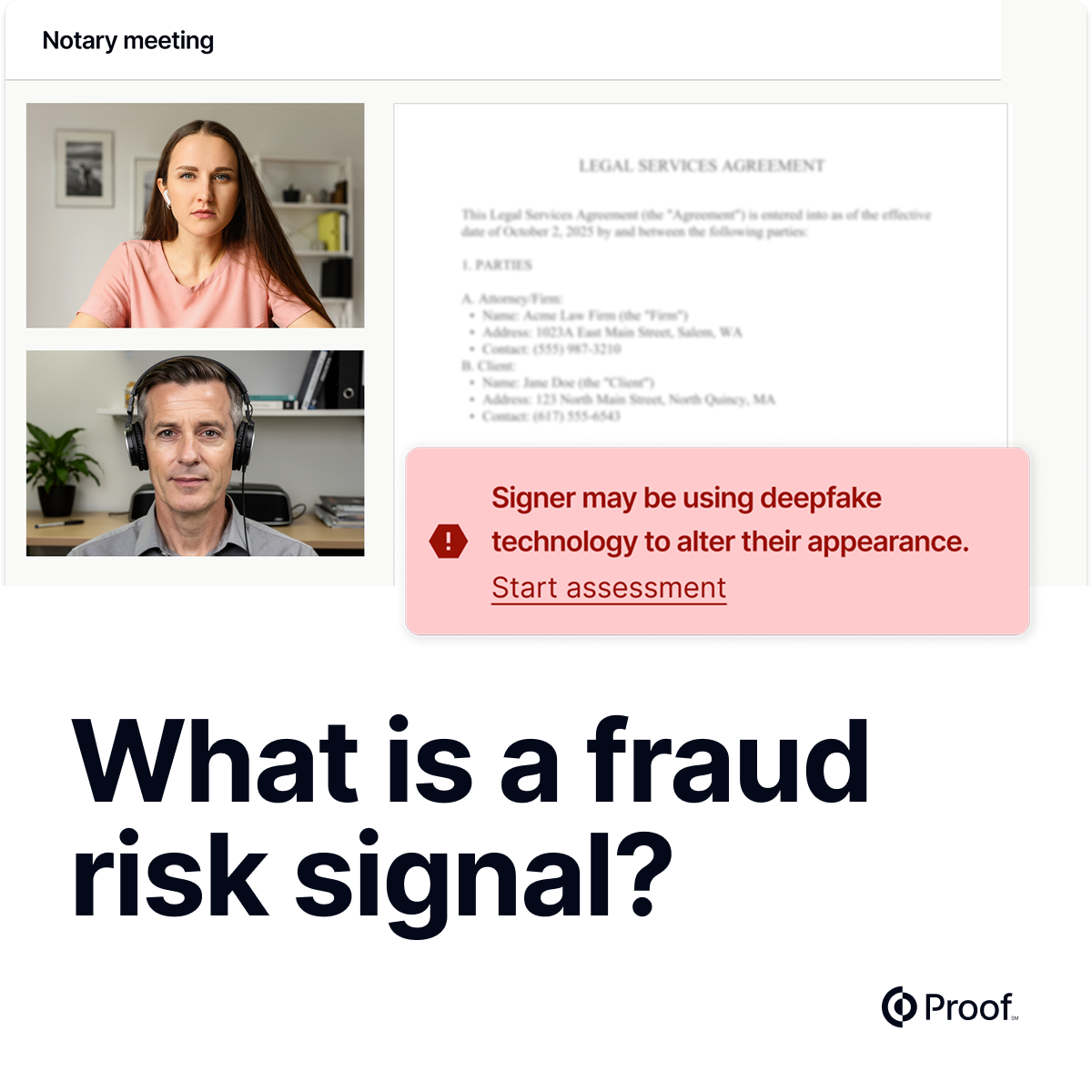
Protecting a transaction means verifying who is on the other side of it. Identity verification tools that run credential analysis, biometric checks, and liveness detection in under five seconds give agents and lenders a defensible record of every authorization. That record holds up if a transaction is ever disputed.
What top-performing agents do differently with digital tools
Top producers do not just use more tools. They use tools that work together across the full client lifecycle, from first contact through closing.
The most effective digital strategies for real estate agents include:
- A mobile-optimized website with high-quality visuals, current listings, and clear contact options. A site that does not render well on a phone loses roughly 70% of potential visitors before they see a single listing.
- Consistent content that establishes local expertise. Blog posts, market updates, and neighborhood guides improve search visibility and give buyers a reason to trust an agent before reaching out.
- Social media presence on platforms where buyers are active. Facebook still reaches the broadest audience for real estate marketing. Instagram drives engagement for visual content. LinkedIn builds professional credibility with referral sources.
- Email marketing to stay in front of prospects over time. 59% of top-performing agents use email marketing as a core channel, according to Constant Contact's State of Real Estate Marketing Report. Automated drip campaigns keep agents top of mind without manual effort.
- CRM integration to track leads, automate follow-up, and prevent prospects from falling through the cracks. Leads contacted within five minutes are 21 times more likely to convert than those contacted within 30 minutes.
- Digital transaction tools that let clients sign, notarize, and close without scheduling in-person appointments. This is where digital marketing meets digital operations, and where agents who have invested in the full stack separate themselves.
Digital builds trust before the first conversation
First impressions in real estate happen online. A buyer who finds an agent through a search result, a social post, or a referral will look at that agent's website and online presence before making contact.
A clean website with current listings, professional photos, and useful content signals competence. Outdated information, broken links, or a site that does not load on mobile signals the opposite.
Technology also reinforces professionalism during the transaction itself. Clients who receive polished digital closing packages, eSignature requests, and real-time status updates feel informed and supported. That experience generates referrals. Clients who are asked to print, sign, and scan documents feel the friction of working with an agent who has not kept pace.
How to adopt digital tools without getting overwhelmed
The agents who struggle with digital adoption usually try to change everything at once. A better approach is sequential.
Start with the tools that directly affect client acquisition and transaction completion:
- Audit your online presence first. Search your own name and brokerage. What does a buyer see? Fix the gaps before adding new tools.
- Build or update your website. Mobile responsiveness and current listings are non-negotiable. Everything else is secondary.
- Choose one CRM and use it consistently. A CRM is the foundation for every other digital workflow. Get it right before layering in automation.
- Add eSignature and digital closing capabilities. This is where you remove friction from the transaction itself and where you protect your clients from fraud.
- Expand to social and content marketing. Once your core operations are digital, invest in the channels that bring new clients into the funnel.
Audit your tech stack every quarter. Remove tools that overlap in function or that you are not actively using. Complexity is the enemy of consistency.
The human element is stronger with digital support
Digital tools do not reduce the value of an experienced agent or loan officer. They amplify it.
Buyers still need someone who understands local market dynamics, can read a negotiation, and can guide them through the emotional weight of buying a home. Loan officers still need to explain complex financing options and advocate for borrowers when underwriting gets complicated.
What digital tools do is remove the administrative burden that consumes time better spent on those high-value activities. Automated follow-up, digital document management, and online notarization give agents and loan officers more capacity to do the work that requires human judgment.
The agents who thrive in this environment are the ones who use technology to handle the routine and reserve their expertise for the moments that matter.
What happens if you do not make the shift
The cost of staying analog is not just lost leads. It is a compounding disadvantage.
Buyers who cannot find an agent online move to one they can find. Borrowers who cannot close remotely choose a lender who offers that option. Referral partners who want to send business to tech-forward professionals route their clients elsewhere.
The agents and loan officers who delay digital adoption are not holding their position. They are falling behind competitors who are investing in the tools and workflows that modern clients expect.
The shift is already complete for buyers. The question is whether agents and loan officers are meeting them where they are.
See how Close by Proof powers digital real estate closings for lenders and title companies.








































.jpg)

















































.jpg)