Are Biometrics the Answer to Mobile Payments?


Update September 10, 2026
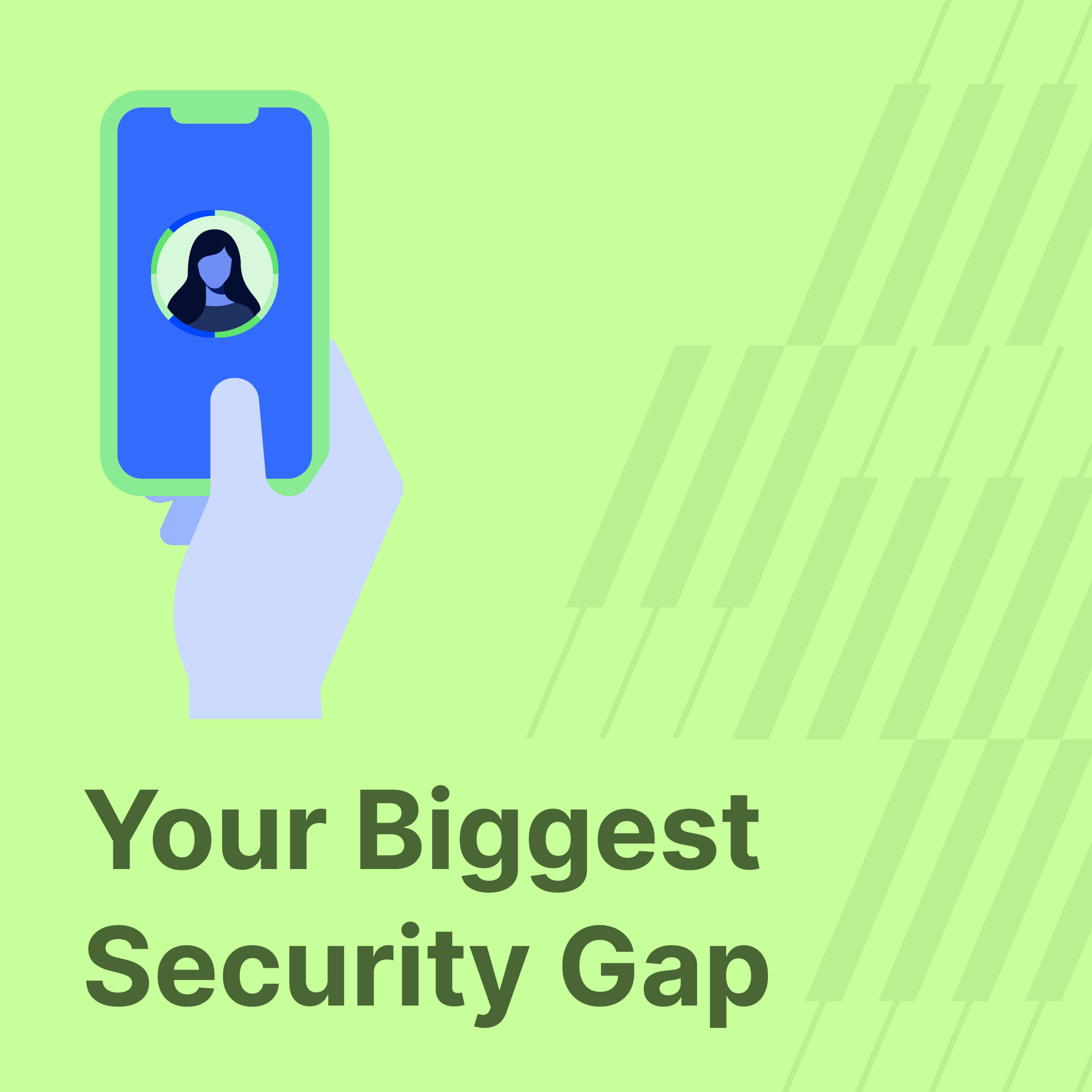
Passwords get stolen. PINs get reused. And in a world where hacked credentials fuel billions in fraud every year, the authentication layer underneath mobile payments is failing. Biometric pay is the answer gaining ground fastest. Most users already interact with biometrics daily through Face ID and fingerprint unlock, and they expect that same experience when they authorize a transaction.
This article explains how biometric payment systems work, what types exist, where they are being deployed today, and what security and privacy considerations matter most for financial institutions and payment platforms evaluating adoption.
Key takeaways
- Biometric pay refers to transactions authorized by a physical identifier such as a fingerprint, face scan, or palm vein pattern, replacing passwords and PINs as the authentication factor.
- The core process follows three steps: enrollment (linking a biometric to a payment account), encryption (converting the scan into a tokenized reference), and authorization (matching the live scan to the stored template at transaction time).
- A Visa-commissioned survey found 86% of consumers were interested in using biometrics to verify identity or make payments, and 70% found them easier than passwords or PINs.
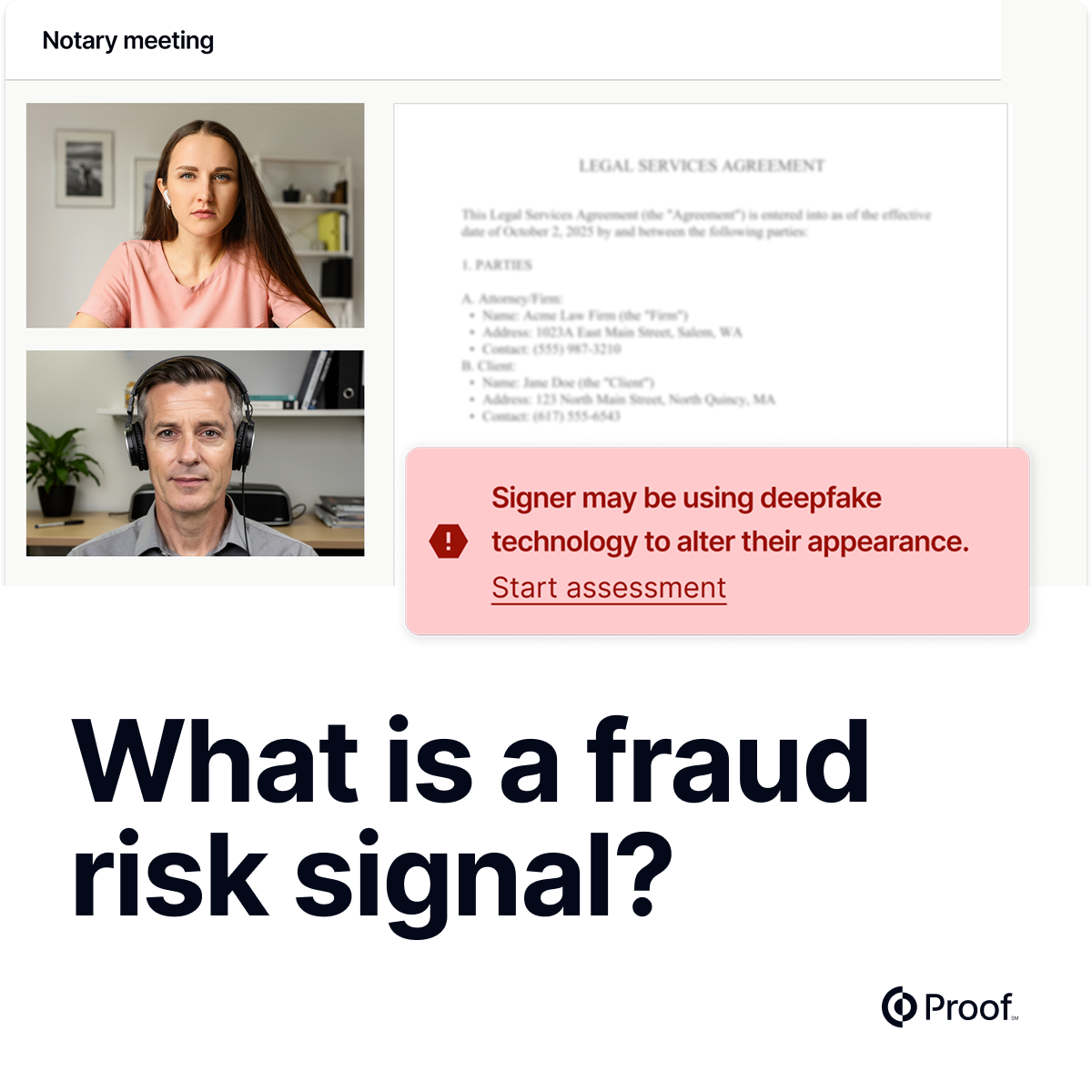
- Biometrics reduce fraud by replacing shared or reusable credentials with identity factors tied to a specific individual, but they are vulnerable to AI-generated deepfakes and injection attacks without liveness detection in place.
Why biometrics are replacing passwords and pins
Biometric authentication is essential to the use of digital wallets (also known as mobile wallets). These payment platforms securely store a user's credit or debit card information, often in the form of apps (like Venmo or Zelle), or directly on smartphones (like ApplePay or GooglePay). Digital wallets have also become the go-to for securely storing, using, and exchanging access to holdings of cryptocurrency.
Understanding how biometric payments actually work matters for any platform or financial institution evaluating adoption. The process follows three core steps:
- Enrollment: The user registers by scanning a fingerprint, face, or palm and linking the biometric to a payment account.
- Encryption: The system converts the scan into an encrypted numeric representation, a tokenized reference, rather than storing a raw image.
- Authorization: At transaction time, the user scans again; the system compares it to the encrypted data on file and approves or declines.
No card swipe. No password. Just a biometric match that confirms you are who you say you are.
Consumer sentiment has been moving in this direction for years. A Visa-commissioned survey of 1,000 Americans found:
- More than 65% of consumers were already familiar with biometrics
- 86% were interested in using biometrics to verify identity or make payments
- 70% believed biometrics were easier, and 46% thought they were more secure than passwords or PINs
Those numbers have only grown since. The shift from passwords to biometrics isn't a prediction anymore. It's already happening.
The growth of the biometrics market has been driven by increasing concern for cyber theft. Hacked passwords and PINs can be devastating to people with holdings of cryptocurrency or other digital assets. Per Visa, 61% of consumers typically reuse passwords, and 40% reuse pins. Biometrics provide a far more secure solution for banking, cryptocurrencies, and mobile payments. Some reports anticipated the global biometric payment market to compound at an annual growth rate of 49%.
Convenience, privacy concerns, and Gen Z adoption
In addition to enhanced security, biometrics make payments faster and more convenient. Forget your wallet at home? With a digital wallet on your smartphone, your credit card is accessible with a single biometric scan.
This technology also streamlines online payments. According to the Visa report, 59% of people have abandoned an online purchase because they didn't have their credit card handy, and 49% have abandoned purchases due to not remembering a password. Payment platforms that implement biometric capabilities have a meaningful advantage in reducing cart abandonment and increasing completed transactions.
Biometrics do, however, come with their own set of privacy concerns. Traditionally, fingerprint scanners have been associated with law enforcement, so critics worry that sensors could be made available to government agencies or law enforcement officials. It's worth clarifying: biometric payment service providers do not keep actual fingerprints in their databases. They store an encrypted number derived from the finger's point-to-point measurements. It's this number that verifies a customer's identity, not the actual fingerprint. A biometric payment system is only as secure as its associated database or provider, which is true for any system that stores sensitive information, passwords, or pins.
Beyond security and privacy, biometric tech adoption might simply be driven by generational expectations. People born between 1999 and 2012 currently constitute over one-third of the world's population. Millennials rarely carry checks or cash, and it stands to reason that payments will continue to evolve with Gen Z. The new generation doesn't just find automated, frictionless tech convenient. They expect it at every touchpoint.
Whether for banking, mobile payments, or buying and selling crypto, biometric authentication is becoming the new standard. The technology isn't going anywhere, and neither is the demand for it.
Frequently asked questions
What are biometric payments?
Biometric payments are transactions authenticated using a person's physical characteristics, such as a fingerprint, face scan, or voice pattern, rather than a password or PIN. The biometric data is captured at enrollment, converted into an encrypted reference, and used to verify the user's identity at the point of transaction.
Are biometric payments safe?
Biometric payment systems are generally more secure than passwords or PINs because biometric traits are unique and cannot be easily replicated or shared. Providers store encrypted numeric representations of biometric data rather than raw images. That said, security depends on the integrity of the underlying database and provider infrastructure.
What types of biometrics are used in payments?
The most common biometric methods used in payments include fingerprint scanning, facial recognition, and voice recognition. Emerging methods include palm scanning (used at Amazon and Whole Foods locations), iris recognition, and vein pattern recognition. The method used depends on the payment platform, device capabilities, and the level of security required.
How do biometric payments reduce fraud?
Biometrics reduce fraud by replacing shared or reusable credentials with identity factors that are tied to a specific individual. Because biometric data cannot be forgotten, shared, or easily stolen the way passwords can, they significantly raise the barrier for unauthorized transactions. Combined with tokenization and encryption, biometric payment systems create a multi-layer defense against account takeover and payment fraud.

































.jpg)



















































.jpg)