Real Estate Wire Fraud: The Biggest Threat to the Real Estate Industry?


Updated August 20, 2026
Real estate wire fraud costs Americans billions every year. According to the FBI's 2024 Internet Crime Report, Business Email Compromise (BEC) schemes targeting real estate transactions generated $2.7 billion in losses in 2024 alone. The money moves fast, it moves once, and it almost never comes back.
Real estate wire fraud happens when criminals intercept or spoof email communications between buyers, title companies, agents, and lenders, then redirect closing funds to a fraudulent account. The attack surface is the transaction itself: large wire transfers, multiple parties exchanging sensitive data over email, and time pressure that discourages careful verification.
Key takeaways
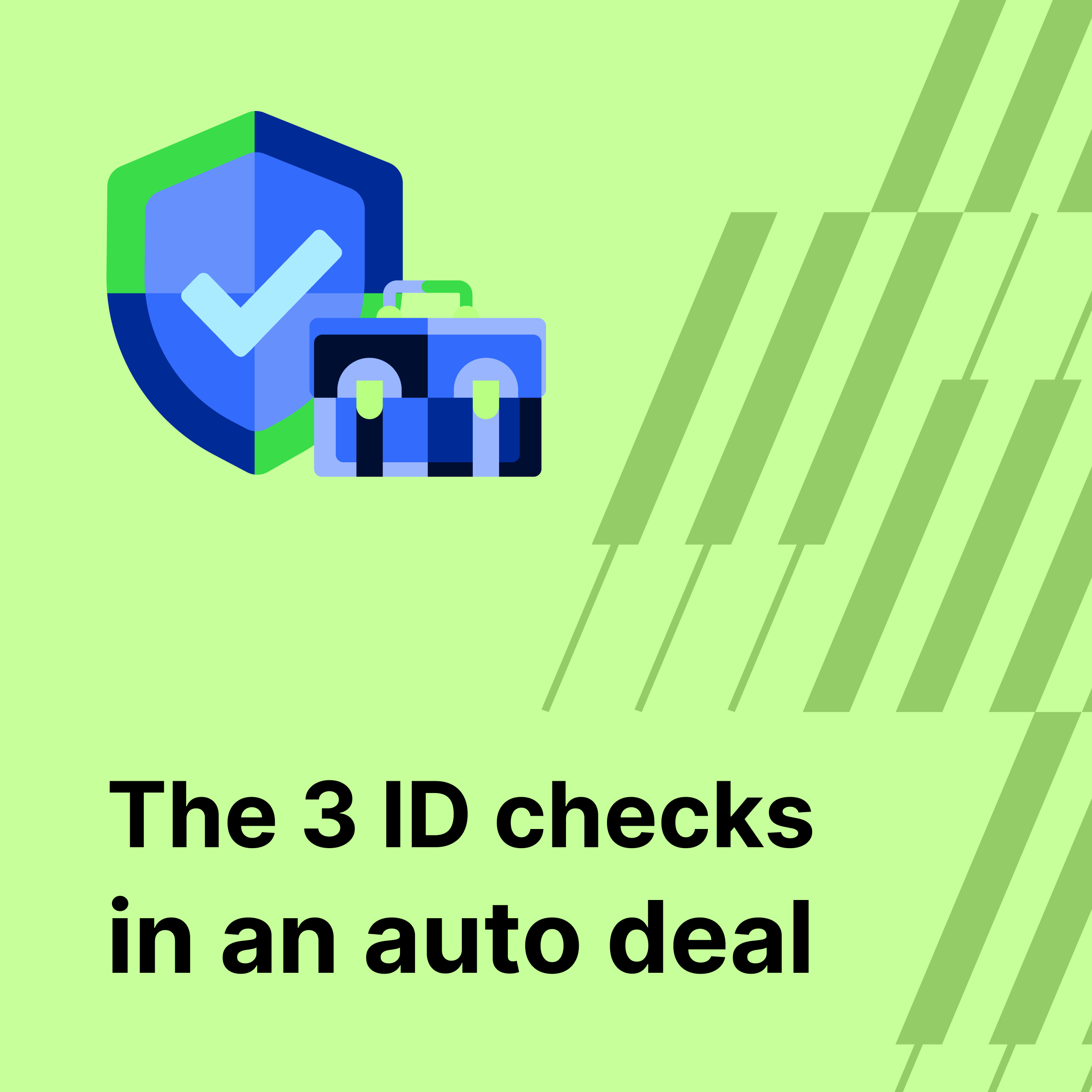
- A legitimate online notary session runs three sequential identity checks (knowledge-based authentication, credential analysis, and live notary review) before a signer ever reaches the document, which exceeds what in-person notarization requires.
- The video recording produced by every RON session is the single most powerful fraud deterrent: it captures the signer's identity, awareness, and intent in a format that can be submitted to law enforcement or a court.
- Digital certificates issued by platforms like Proof are cryptographically bound to the notary's verified identity, making the notary's signature tamper-proof and instantly distinguishable from a forged stamp.
- Not all RON platforms provide the same level of protection. Proof runs more than 25 verification checks during credential analysis alone, vets every notary before they join the platform, and issues digital certificates that meet Adobe Authorized Trust List (AATL) standards.
How real estate wire fraud works
The attack follows a predictable pattern. A criminal identifies a pending transaction, builds a profile of the parties involved, and monitors email traffic until the moment is right.
Here is a scenario that plays out regularly. A buyer is days away from closing. They receive an email that appears to come from their title company, complete with the correct transaction name, property address, and closing date. The email says the wire instructions have changed and provides a new account number. The buyer wires the funds. By the time anyone realizes the email was fraudulent and the account belongs to a criminal, the money is gone.
What makes this effective: the attacker has usually been watching the email thread for days or weeks. They know the deal details. The spoofed email looks identical to the legitimate one. And the pressure of an imminent closing makes people less likely to slow down and verify.
Timing is also a deliberate choice. Criminals frequently execute these attacks on Fridays, before holidays, or in the final days before a closing, when there is less time to catch the error and bank fraud departments are harder to reach.
Common tactics
- Email account compromise: Criminals hack or spoof the email accounts of agents, title officers, or lenders and send fraudulent wire instructions from addresses that look identical to the real ones.
- Domain spoofing: Fraudsters register domains that are one character different from legitimate firm names (for example, "titleco-closings.com" instead of "titlecoclosings.com") and use them to send convincing emails.
- Last-minute instruction changes: Fraudsters send "updated" wire instructions close to closing, knowing that deal pressure reduces scrutiny.
- Man-in-the-middle interception: In some cases, criminals intercept legitimate email threads and reply from within them, so the conversation history looks authentic.
- AI-assisted impersonation: Criminals now use generative AI to clone voices and create convincing phone personas, which means a callback to a "known" number is no longer a reliable safeguard if the number has been spoofed.
- Seller impersonation fraud: A growing variant targets vacant or unencumbered properties. Fraudsters impersonate the property owner, forge identification, and attempt to sell or refinance property they have no claim to. The American Land Title Association (ALTA) has flagged this as one of the fastest-growing threats in the title industry.
What you can do
- Establish a firm policy: wire instructions are always confirmed by phone, using a number independently verified from the firm's official website, not a number provided in an email.
- Never reply to an email to confirm wire instructions. Call a known contact directly or forward the email to a separately verified address.
- Ask your title company at the beginning of every transaction how they will communicate wire instructions and whether those instructions ever change.
- Train every member of your team to treat last-minute wire instruction changes as a red flag, regardless of how legitimate the email appears.
- Use a verified communication platform for sharing sensitive transaction data, rather than relying on standard email.
- Offer buyers the option to bring a cashier's check to closing if same-day wire confirmation is not possible.
Why real estate is a prime target for wire fraud
Real estate transactions combine every factor that makes wire fraud easy to execute. Deals involve buyers, sellers, agents, lenders, title companies, and attorneys, all exchanging information across different email systems and organizations. There is rarely a single, verified communication channel. Large sums move on tight deadlines. And the emotional weight of a home purchase makes buyers reluctant to slow down and question instructions.
CertifID's research found that one in 20 Americans involved in a home sale has been targeted by wire fraud. For title companies processing hundreds of transactions a year, that exposure compounds quickly. A single successful fraud event can result in six-figure losses, regulatory scrutiny, and reputational damage that is difficult to recover from.
Lenders face a parallel exposure. When a fraudulent closing occurs, questions about due diligence and process follow quickly. Having documented, verified identity checks and communication records is the difference between a defensible position and significant liability.
Why "call to verify" is no longer enough
The standard advice across most wire fraud guidance is to call and confirm. That advice is correct as far as it goes, but it has a critical limitation: phone numbers can be spoofed, and AI voice cloning now makes it possible for a fraudster to convincingly impersonate a title officer or agent on a live call.
Verification that depends entirely on a phone call is only as strong as the phone number being called. If the number was provided in a fraudulent email, or if the fraudster has spoofed the legitimate number, the callback confirms nothing.
The controls that actually close this gap are structural, not behavioral. They include:
- Verified communication platforms that authenticate the identity of every party before sensitive data is shared.
- Biometric identity confirmation that ties a person's verified identity to their instructions, so wire authorization cannot be spoofed by someone with access to an email account.
- Cryptographically signed records that make wire instructions tamper-evident. If instructions were modified after signing, the signature breaks.
- Real-time fraud monitoring that flags anomalies in transaction behavior before the wire is sent.
Behavioral training matters. Structural controls are what make the difference at scale.
What to do if real estate wire fraud occurs
Speed is critical. If funds are sent to a fraudulent account, the following steps give you the best chance at recovery.
- Call your bank immediately and request a recall of the wire. Most banks have a fraud response line available around the clock. The faster the recall request is made, the higher the probability that funds can be recovered before they are moved or withdrawn.
- File a complaint with the FBI's Internet Crime Complaint Center at IC3.gov. The FBI's Recovery Asset Team (RAT) can initiate a freeze request through the banking system when a complaint is filed promptly. Filing within 24 hours gives you the best chance of recovery.
- Report the fraud to the FTC at ReportFraud.ftc.gov.
- File a police report with your local law enforcement agency to create an official record.
- Notify your state real estate commission or insurance department, depending on which parties are involved.
- Preserve all email communications, including the fraudulent messages, for investigators.
Do not assume the money is gone simply because a bank initially says recovery is unlikely. Persistence through proper channels has resulted in recoveries, particularly when action is taken within the first 24 to 72 hours.
How Proof helps protect real estate transactions
Preventing wire fraud requires verified identity at every point where sensitive transaction information changes hands. Proof gives title companies, lenders, and real estate firms the tools to build that verification into their workflows rather than rely on email alone.
- Close handles the entire digital closing process, including eSign and Remote Online Notarization, with identity verification built into every signing session. Every participant is confirmed before they access or execute any document in the transaction.
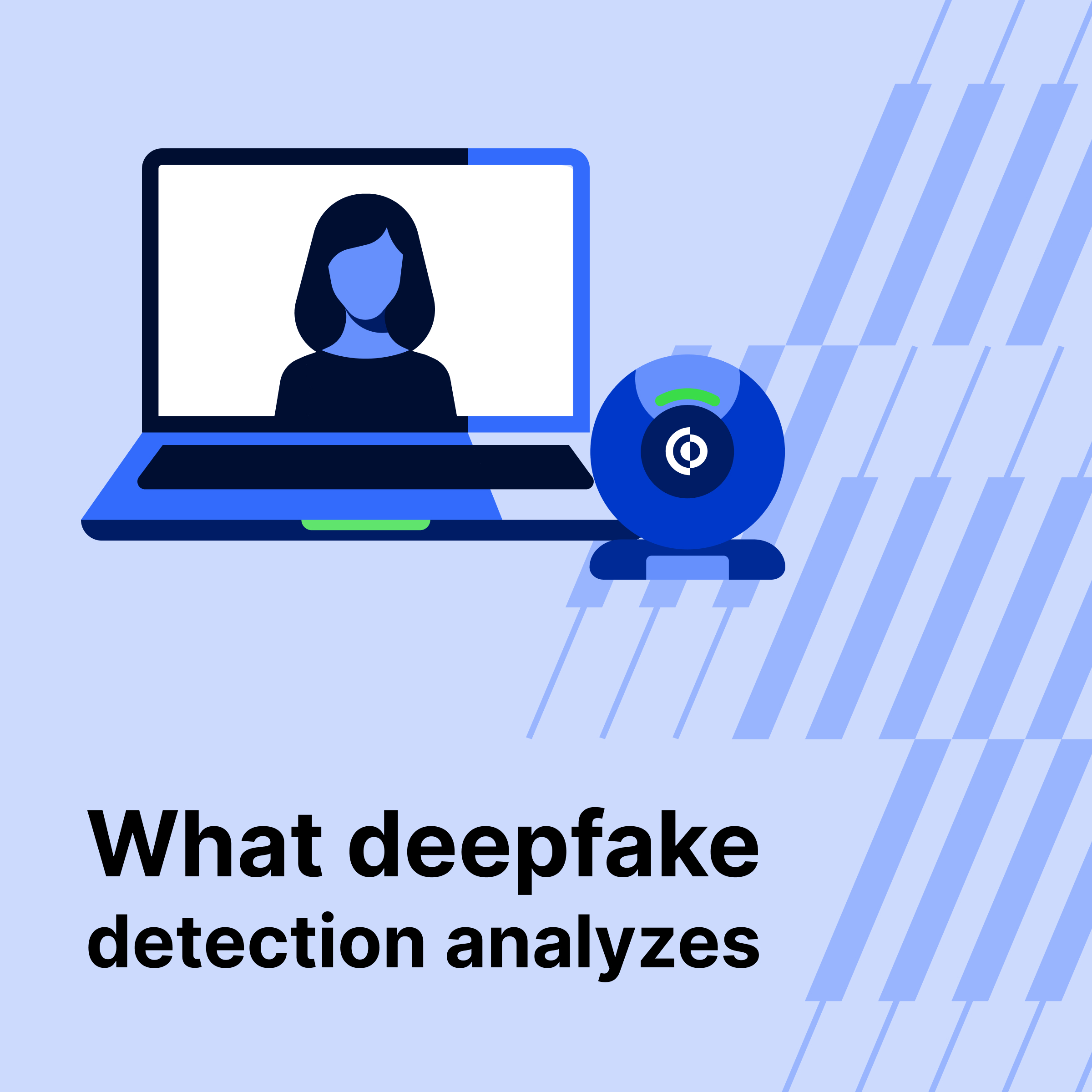
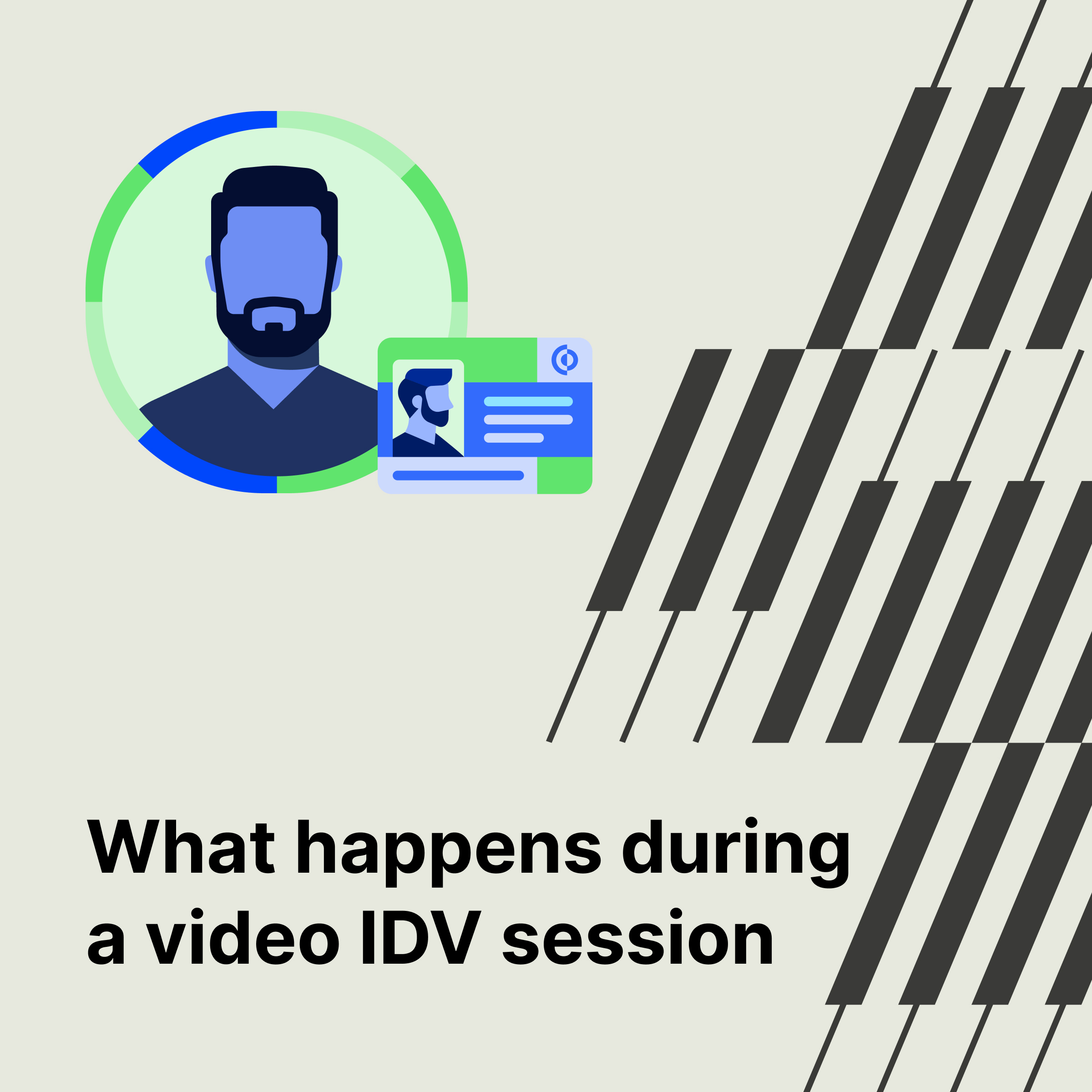
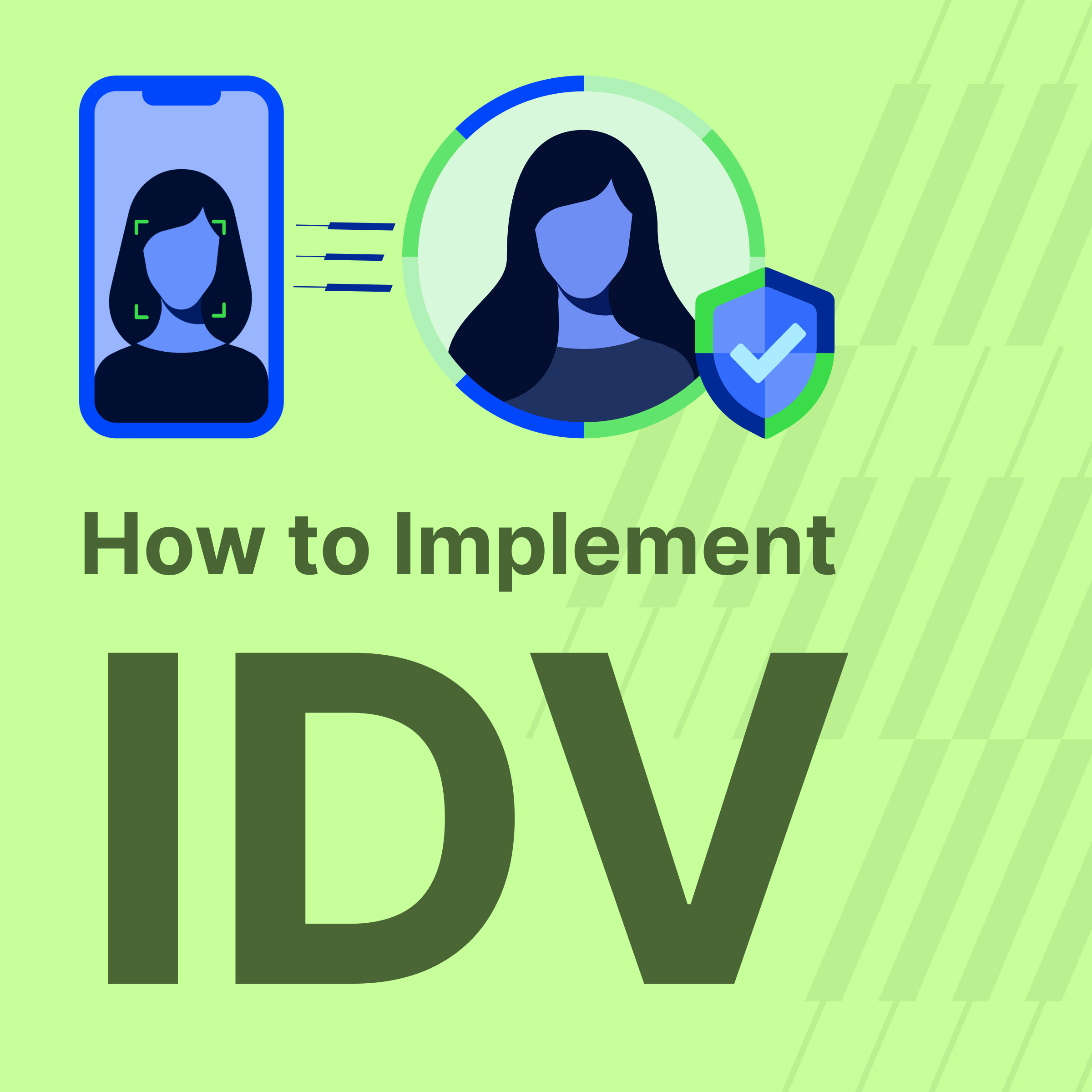
- Identify verifies the identity of every signer using credential analysis, biometric comparison, and liveness detection before any document is accessed. The result is a tamper-sealed audit trail tied to a confirmed identity, creating a defensible record for every transaction.
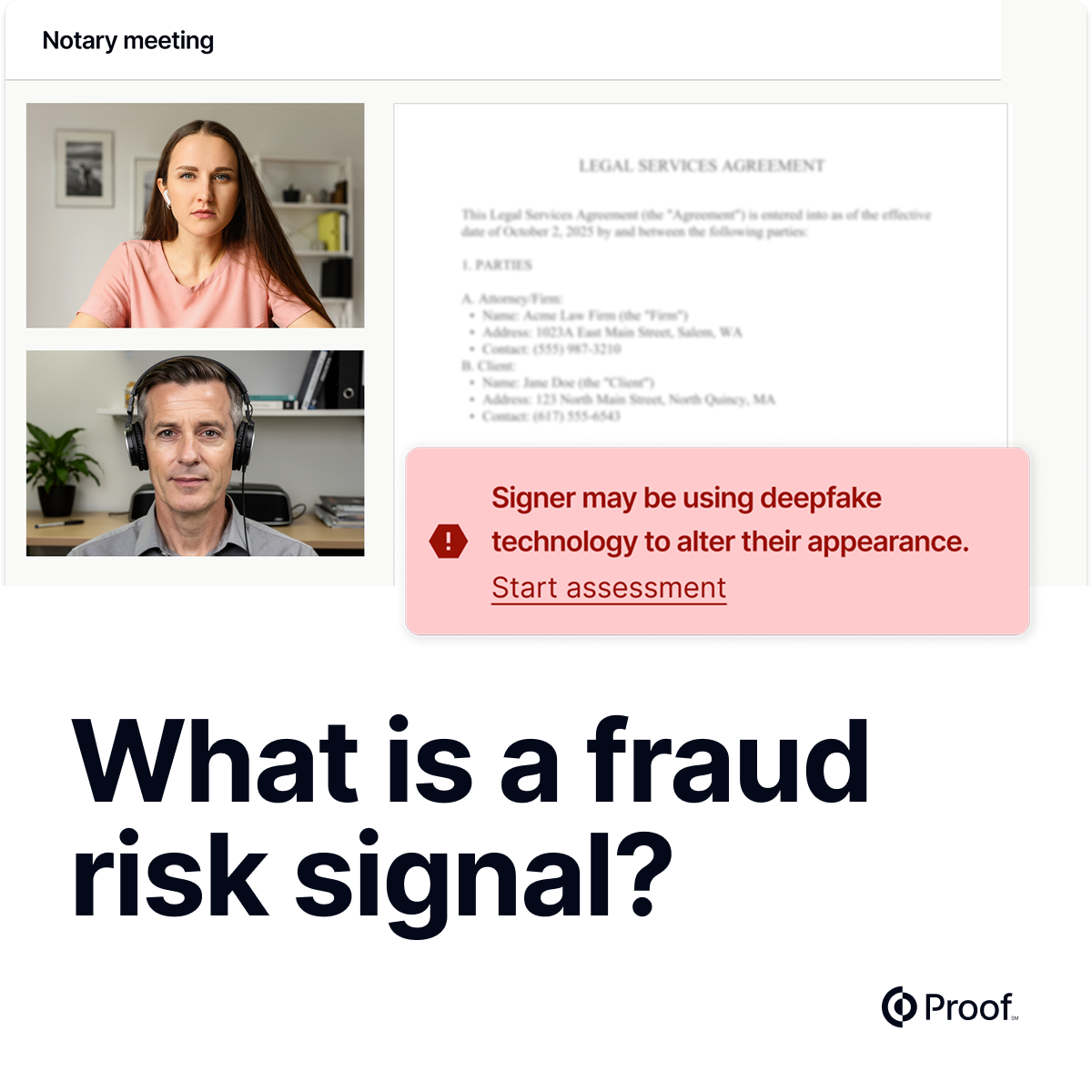
- Defend monitors signals across every interaction in the transaction lifecycle, flagging anomalies, suspicious behavior patterns, and fraud indicators in real time. When something looks wrong, your team knows before the deal closes.
Wire fraud is preventable when the right controls are in place. See how Proof Close secures the entire closing workflow and closes the identity gaps that wire fraud exploits.





































.jpg)










































.jpg)