Rental Fraud on the Rise: How to Prevent Scammer Tenants from Moving In


Updated August 20, 2026
Rental fraud is surging. More than 70% of major apartment landlords reported an increase in fraudulent rental applications in 2023, according to the National Multifamily Housing Council and the National Apartment Association. Fraudulent applicants are lying about who they are, fabricating income documents, and exploiting slow eviction timelines to live rent-free for months before anyone catches on. Property managers are left holding the cost, and the tools most of them rely on were not built to stop this.
Key takeaways
- Rental fraud happens when applicants misrepresent their identity, income, or rental history to qualify for a unit they could not otherwise secure.
- The most common tactics include fake pay stubs, forged credit reports, false employment records, and fabricated rental history, all of which are increasingly difficult to detect through manual review.
- Property managers are not equipped to be fraud investigators, and inconsistent manual screening creates fair housing liability exposure.
- A layered identity verification approach, combining automated document scanning, biometric matching, and a fraud decision engine, stops fraudulent applicants before they sign a lease.
Why rental fraud is getting harder to stop
The combination of pro-tenant eviction laws, COVID-era tenant protections that remain in place, and increasingly sophisticated document forgery tools has created conditions where rental fraud thrives.
Leasing incentives make the problem worse. When a property offers free months with no rent due, a fraudulent tenant can live rent-free for an extended period before anyone realizes the application was fraudulent. By the time the landlord discovers the problem, the legal clock has already been running.
There is also a structural mismatch between the threat and the tools most property managers use. Calling an employer or reviewing a W-2 form is not a reliable fraud check. Fraudsters know exactly what landlords look for, and they prepare accordingly.
The most common rental fraud tactics
Understanding how fraudulent applicants operate is the first step toward stopping them. These are the tactics property managers encounter most often:
- Fake pay stubs and employment records. Creating a fake pay stub is inexpensive and fast. Online tools make it easy to generate documents that look professional, complete with employer logos and formatted salary figures. Common tells include income rounded to a whole number, inconsistent formatting, and employer details that do not hold up under verification. Landlords should call employers directly and cross-reference pay stubs against bank statements showing actual deposits.
- Forged credit reports. Applicants who have been denied housing elsewhere sometimes arrive with their own credit report in hand, claiming it saves the landlord the cost of running one. The report may look legitimate but contain altered scores or payment history. Property managers should always pull their own credit and background reports through a verified service rather than accepting documents provided by the applicant.
- False rental history and fake references. An applicant with a poor rental history or a prior eviction may provide fabricated landlord contact information. A fake reference will validate false rental history and give a positive review. Cross-referencing addresses using public property records and contacting property management companies directly, rather than relying on numbers provided by the applicant, reduces this risk.
- Check fraud and overpayment schemes. Some fraudulent tenants provide checks for more than the required move-in amount and ask the landlord to refund the difference. Banks are required by law to make deposited funds available within two days, but checks can still bounce after the landlord has already sent money back. Landlords should return any overpayment check rather than depositing it, and should wait for full clearance before providing property access.
- Urgency and pressure to bypass screening. An applicant who pushes hard to skip steps or sign quickly may be trying to move in before a prior eviction appears on their record. Urgency is a red flag. Landlords should hold to their standard screening timeline regardless of pressure.
- Unauthorized subletting. A tenant may lease a unit legitimately and then sublet it to a third party, collecting rent without passing it to the landlord. Clear lease language prohibiting subletting without written consent, combined with regular property inspections, reduces this exposure.
- Lying about co-tenants. Concealing unauthorized occupants can indicate that the additional residents would not pass a background check. Lease agreements should specify guest rules clearly, with defined consequences for violations.
Why AI is making rental fraud harder to detect
Generative AI has changed the economics of document fraud. Fake pay stubs, employment letters, and even forged IDs that previously required skill and time to produce can now be generated in minutes. The visual quality of AI-generated documents is high enough to defeat manual inspection.
This matters for property managers because the traditional approach to fraud detection, which relies on a leasing agent reviewing documents and using their judgment, is no longer sufficient. A trained eye cannot reliably distinguish an AI-generated pay stub from a real one. The detection has to happen at the data and metadata level, which requires technology.
How to detect rental fraud before move-in
Stopping rental fraud requires a layered approach that addresses identity, documents, and financial history in a single workflow:
- Verify applicant identity before reviewing any documents. Self-reported data is the weakest link in any screening process. Confirming that the person submitting the application is who they claim to be, through government-issued ID scanning and biometric matching, eliminates the most basic form of fraud before it gets further.
- Pull your own credit and background reports. Never accept documents provided by the applicant as a substitute for running your own checks. Use a verified service that pulls directly from credit bureaus and eviction databases.
- Cross-reference employment and income claims. Call employers directly using contact information you find independently, not the number provided by the applicant. Request bank statements showing actual payroll deposits and compare them against the pay stubs provided.
- Use technology to flag document tampering. Automated credential analysis can detect inconsistencies in document formatting, metadata, and data patterns that are invisible to manual review. This layer catches forged documents that would otherwise pass a visual inspection.
- Apply the same process to every applicant. Consistency is both a fraud prevention measure and a fair housing protection. An automated workflow that applies identical verification steps to every applicant removes the variability that creates legal exposure.
How Proof helps property managers stop rental fraud
Proof gives rental companies a single, consistent solution for verifying applicant identity without requiring leasing agents to become fraud experts.
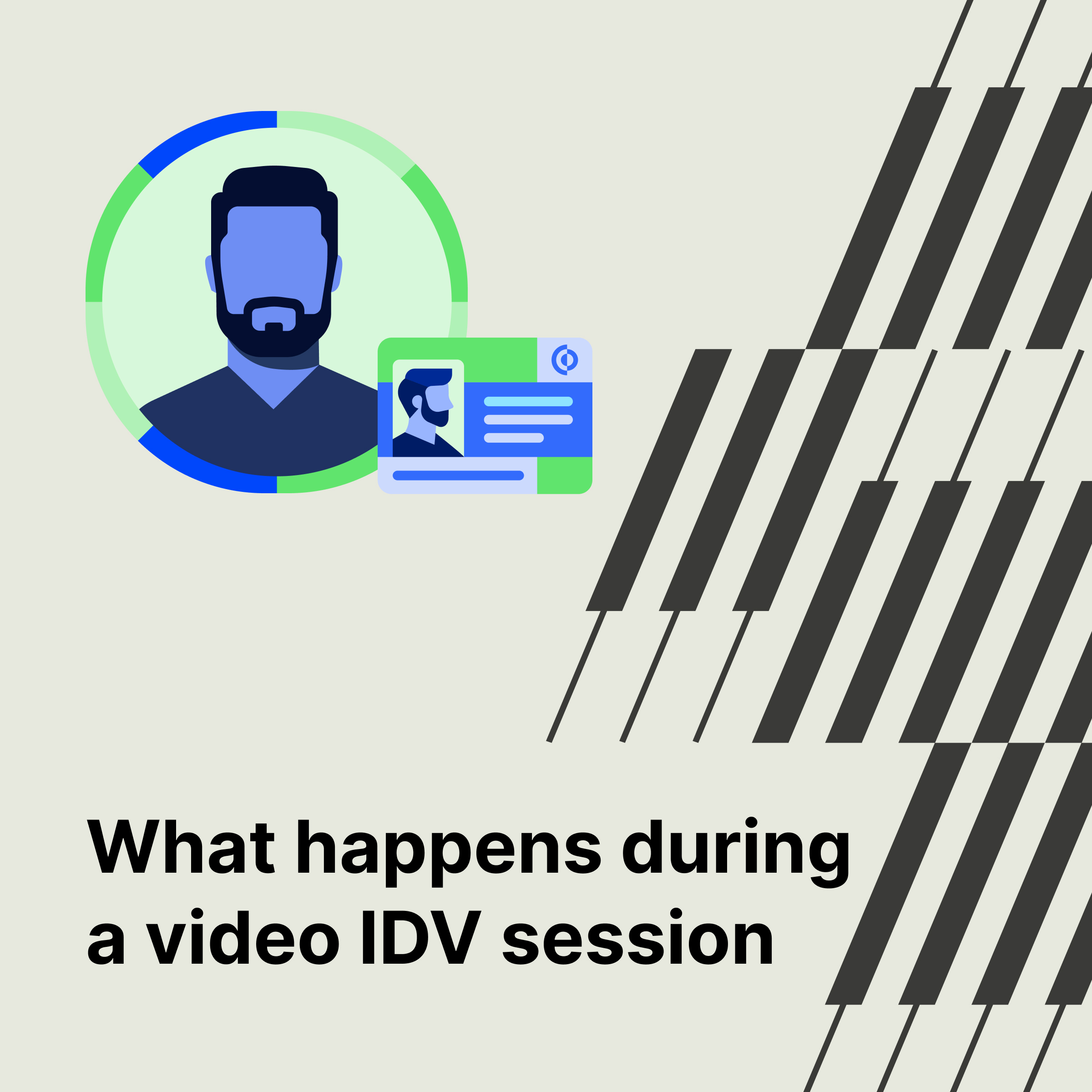
The process works through a simple link placed on the property's website or sent directly to an applicant. The applicant scans their government-issued ID, and Proof validates that the person physically present matches the person on the ID. That information then runs through a fraud decision engine that evaluates the applicant against a comprehensive set of risk signals.
If the applicant passes, they sign a form confirming their identity. The rental company receives a Proof Identity Report, which documents every verification step and provides a defensible record of the decision. If Proof flags or rejects an applicant due to fraud signals, the leasing agent is not making a judgment call, the system is, which eliminates the inconsistency that creates fair housing liability.
If an applicant cannot complete automated verification, they are routed immediately to a live notary from the Notarize Network. Notaries serve as trusted agents for identity verification, with near-instant availability and no appointment required. This fallback ensures that every applicant has a path to complete the process, and that the verification standard remains consistent regardless of which path they take.



























.jpg)















































.jpg)