What Is User Identification, Authentication, and Authorization?


Updated September 14, 2026
User identification is the first step in every digital transaction — and in a world where AI can generate convincing fake IDs, deepfake video calls, and synthetic identities at scale, getting that first step wrong has consequences that compound fast. In 2021, the FTC received more than 2.8 million fraud reports resulting in over $5.8 billion in losses. That number reflects what happens when identification is treated as sufficient proof of identity rather than as a starting point for verification.
This guide explains what user identification is, how it differs from authentication and authorization, and why all three must work together to protect high-stakes digital transactions.
Key takeaways
- User identification answers "Who are you?" by collecting a claimed identity. It is the starting point, not the finish line.
- Authentication answers "Can you prove it?" by verifying that the person claiming an identity actually controls the credentials associated with it.
- Authorization answers "What are you allowed to do?" by granting or restricting access based on a verified identity and assigned permissions.
- All three steps must work together. Strong identification without proper authentication leaves you exposed to impersonation. Solid authentication without appropriate authorization can grant excessive access.
- Passwords and basic multi-factor authentication (MFA) are no longer sufficient for high-stakes transactions. Deepfake technology, SIM swapping, and AI-generated documents have made layered verification a baseline requirement.
- Organizations handling regulated transactions, such as wire transfers, mortgage closings, or account ownership changes, need defensible, auditable records that bind actions to verified legal identities.
What is user identification?
User identification is the process by which a system recognizes a specific user through a unique identifier. In most digital contexts, that identifier is a username, email address, phone number, or account number. It answers the question: "Who are you claiming to be?"
Identification happens at the initial setup stage of any account or service. A username and password combination typically identifies a person each time they access that account. Users can also provide additional information, such as a government-issued photo ID or a social security number, to strengthen their identification claim.
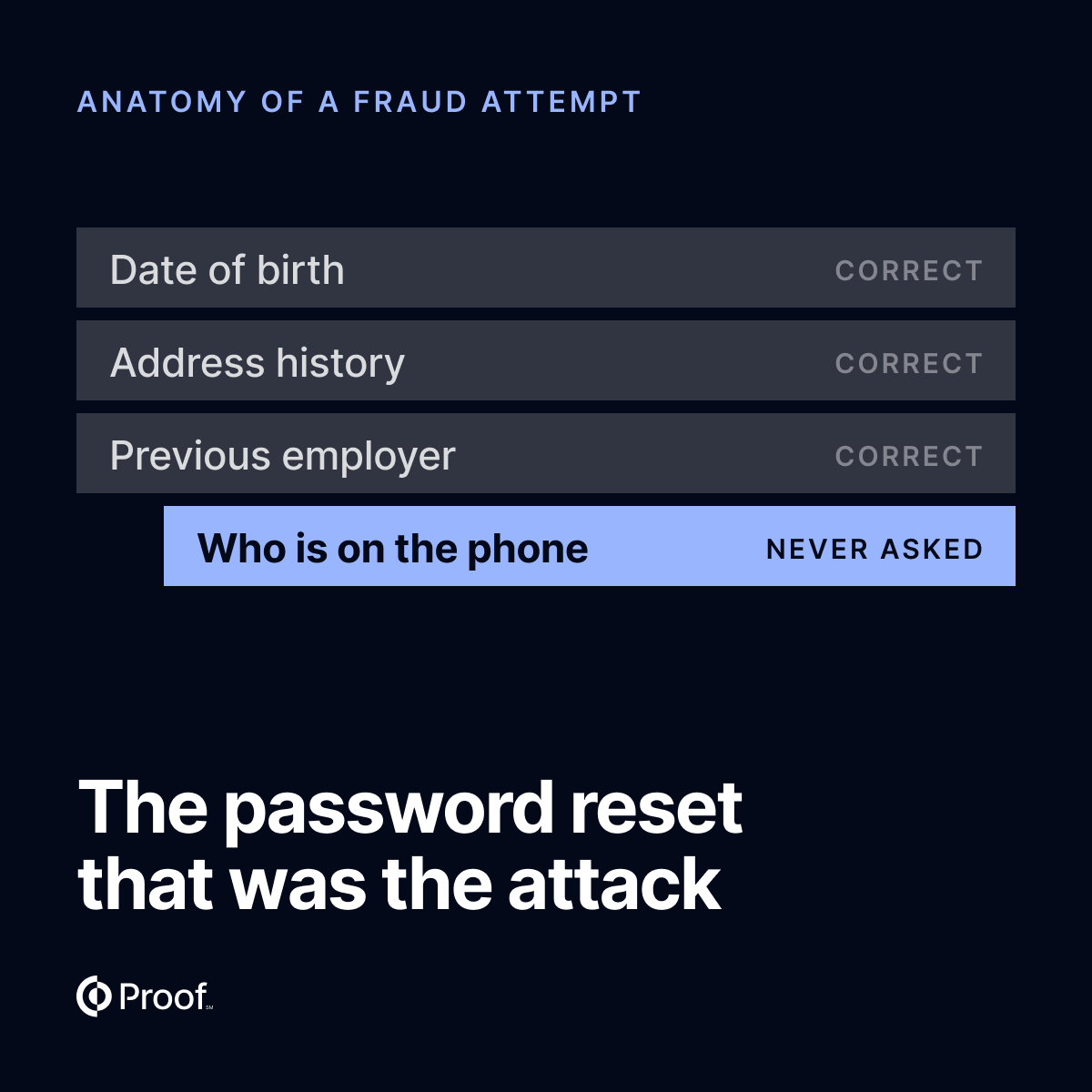
The critical limitation: identification alone only establishes a claim. It does not prove the claim is true. A stolen wallet, a hacked email account, or a data breach exposing personally identifiable information (PII) gives a fraudster everything they need to pass basic identification checks.
The three factors used in user identification
Depending on the transaction's requirements, identification can draw on one or more of the following:
- What you know. Information only the person in question would easily know, including passwords, personal identification numbers (PINs), maiden names, or answers to security questions.
- What you have. Possessions unique to a specific person, such as a physical key, a badge, a swipe card, or a registered mobile device.
- What you are. Biometric information that is immune to theft or replication, including fingerprints, facial scans, or voice patterns. This is the most secure form of identification because it cannot be transferred.
Common challenges in digital identification
Digital identification faces vulnerabilities that traditional in-person verification does not. Fraudsters can obtain personal information through data breaches, social engineering, or by purchasing it on the dark web. A social security number, address, and date of birth — the traditional markers of identity — are no longer sufficient proof in a connected world.
Document forgery has become increasingly sophisticated. AI-generated IDs and deepfake photos make it difficult to distinguish authentic credentials from fabricated ones. Even legitimate documents can be stolen and used by someone else, creating a scenario where the identification appears valid but belongs to the wrong person.
This is why identification is only the first step. Authentication must follow.
What is authentication, and why does it matter?
Authentication requires users to prove they are still the person they claimed to be during the identification phase. It verifies the claim made during identification.
If identification were the only barrier between a fraudster and a protected account, fraud rates would be catastrophically higher than they already are. Authentication adds a layer of protection by requiring proof, not just assertion.
Following basic identification, authentication initiates a match between the user's previously provided information and what they can demonstrate in the moment. Increasingly, authentication systems request a one-time verification code sent to an email address or phone number, even when the user's provided details match stored records.
Methods of authentication
Password-based authentication is the most common method. Optimal protection requires varied passwords using different strings of letters, numbers, and characters. In practice, many people reuse the same or similar passwords across accounts, which leaves them exposed to phishing and credential breaches. Passwords alone are insufficient for account protection.
Multi-factor authentication (MFA) requires more than one form of authentication, such as a CAPTCHA request or a security code sent via SMS. MFA reduces risk substantially, but it has its own vulnerabilities. SIM swapping attacks can compromise phone-based authentication. Email account takeovers can bypass email verification codes. MFA fatigue attacks exploit the tendency of users to approve push notifications without verifying them.
Certificate-based authentication (CBA) uses a digital certificate to identify a user, device, or machine before granting access. This form of authentication is more secure because it relies on both what the user has (the digital certificate) and what they know (their password).
Biometric-based authentication relies on individuals' unique biological characteristics. Facial recognition, fingerprint scanning, eye scanning, and voice recognition provide a high level of security with minimal disruption. When paired with MFA, biometrics add a meaningful additional layer. However, biometric systems face spoofing attempts using photos, videos, or synthetic fingerprints, which is why liveness detection has become a critical component of any serious biometric implementation.
Token-based authentication simplifies the authentication process for recognized users. After entering a username and password, a user can access protected systems without providing credentials again within a defined session window.
When authentication systems fail
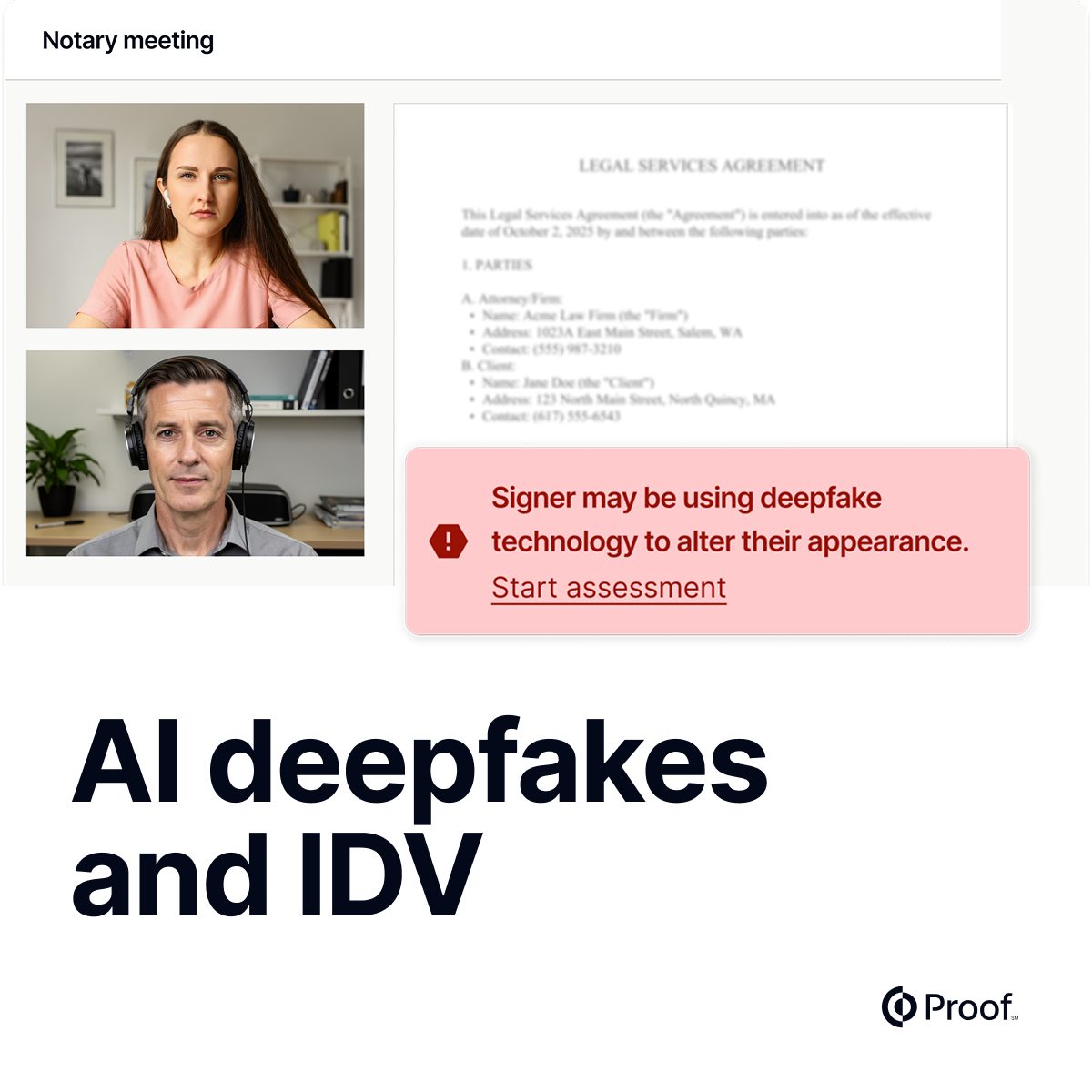
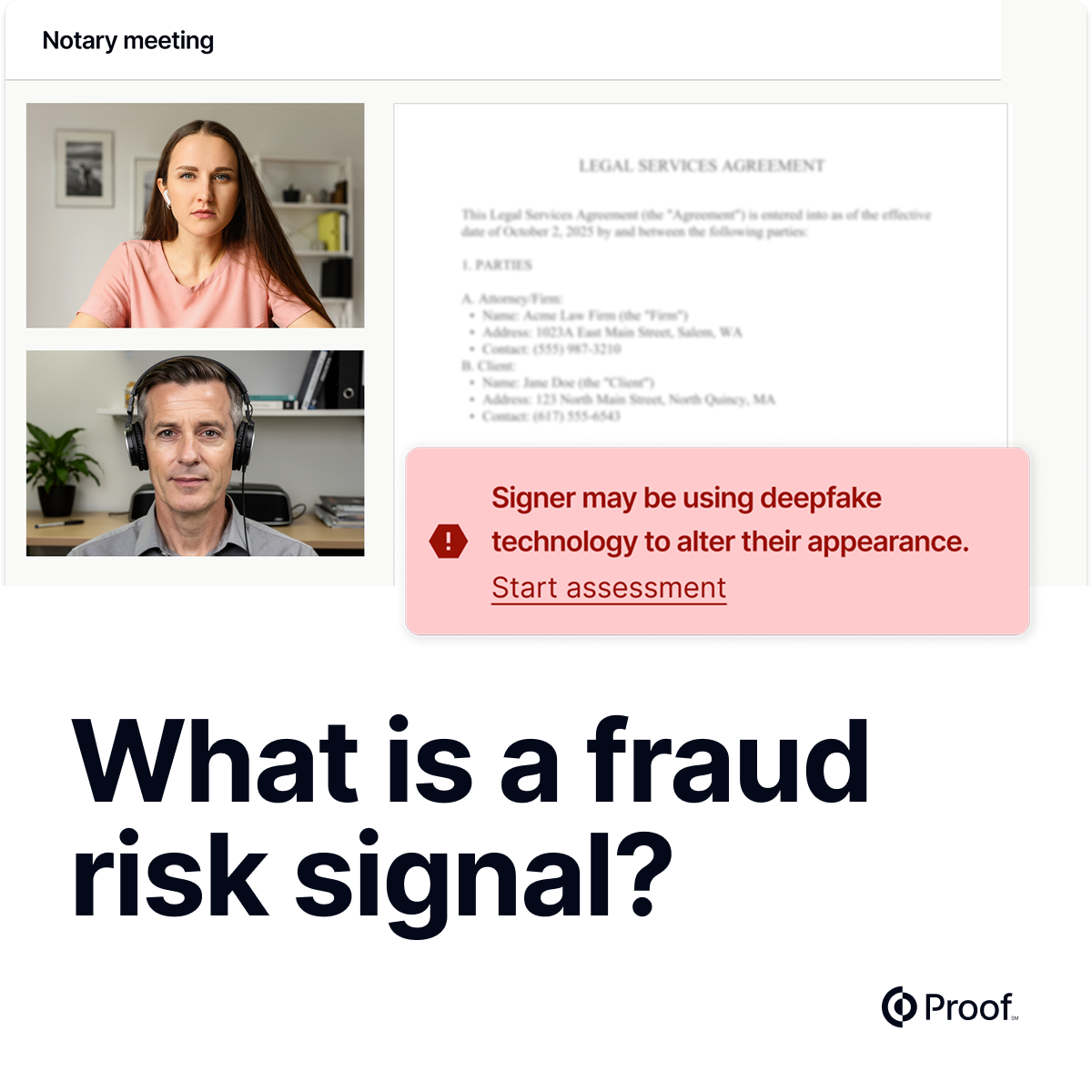
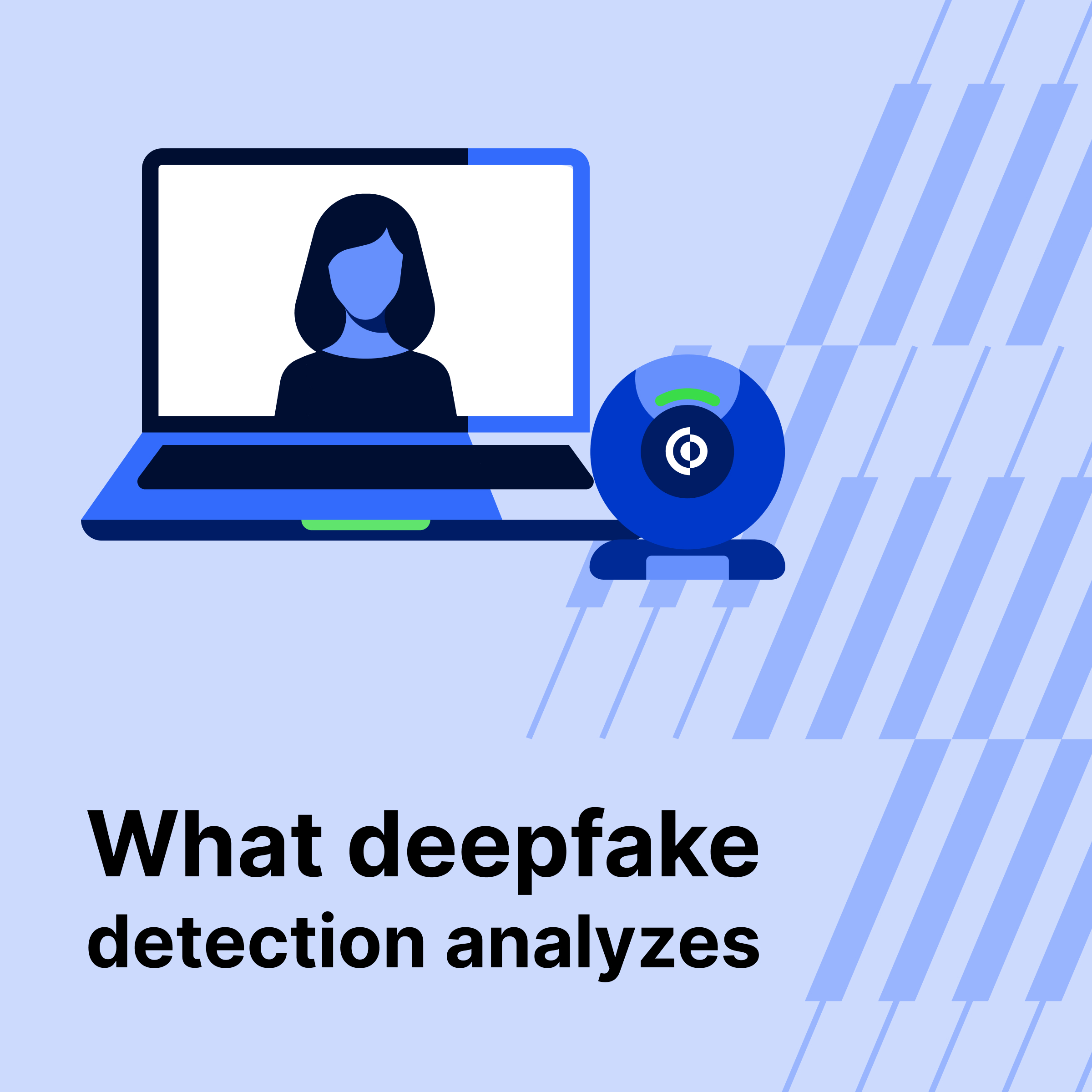
Authentication systems are not foolproof. The rise of AI-generated content has created new vulnerabilities. Deepfake technology can now produce convincing video calls that fool facial recognition systems. Voice cloning can bypass phone-based verification. These threats require authentication systems to evolve beyond traditional methods and incorporate liveness detection, behavioral analysis, and real-time fraud monitoring.
What is authorization, and how does it work?
Authorization grants users access, rights, and privileges to a service, account, or system based on previously secured identification and authentication. It answers the question: "What is this verified person allowed to do?"
Identification and authentication validate a person's identity. Authorization ensures that the verified person should actually have access to the specific resource or action they are requesting. A verified employee, for example, may be authenticated into a corporate system but unauthorized to access payroll records.
Authorization becomes critical when the stakes are high. Wire transfers, legal document signing, account ownership changes, and mortgage closings all require confirming that the authenticated person has the legal right to authorize the specific action they are requesting.
Effective authorization systems implement:
- Role-based access controls that restrict permissions by job function or user type
- Time-sensitive permissions that expire after a defined window
- Transaction limits based on risk levels
- Detailed audit trails that record who accessed what, when, from where, and what actions they performed
Those audit trails create defensible records that can withstand legal scrutiny if disputes arise.
Common authorization methods
API keys are secret codes that grant access to a system or resource, acting like an ID card to assign permissions and track data usage. In technical terms, an API key is a string of characters used to identify and authorize an application or user requesting access to an API (application programming interface).
Basic auth provides a key in the form of user credentials to access an online account. This process is straightforward but can leave credentials vulnerable if not paired with additional controls.
HMAC (Keyed-Hashing for Message Authentication) uses cryptography keys to enforce integrity and authenticity. Secure file transfer protocols such as FTPS, SFTP, and HTTPS use HMAC to ensure data integrity.
OAuth uses authorization tokens instead of passwords to connect an application to a user account. It allows users to grant other websites or applications access to their information without sharing passwords directly.
Identification vs. authentication vs. authorization: the key differences
These three concepts work together, but each serves a distinct function:
- Identification answers "Who are you?" It is about claiming an identity through usernames, email addresses, or ID documents. This is the starting point and offers the least security on its own.
- Authentication answers "Can you prove it?" It verifies that you are actually the person you claimed to be during identification. This is where passwords, biometrics, and verification codes come into play.
- Authorization answers "What can you do?" It determines what actions, resources, or information you can access based on your proven identity and assigned permissions. Even authenticated users may not be authorized for every action.
The key insight: all three must work together. Strong identification without proper authentication leaves you vulnerable to impersonation. Solid authentication without appropriate authorization can grant excessive access. Robust authorization built on weak identification creates a false sense of security.
How user identification works in high-stakes transactions
Think of the process like entering a secure building. You first show your ID at the front desk (identification), prove it is really you through additional verification (authentication), then receive specific permissions based on your role (authorization). In digital transactions, this same principle applies, whether you are accessing a bank account, signing a mortgage document, or authorizing a wire transfer.
For regulated industries, this layered process must produce records that are auditable and defensible. A financial institution processing a wire transfer cannot rely on a username and password as sufficient proof of authorization. A title company closing a real estate transaction needs to verify that the person signing is who they claim to be, and that they have the legal authority to execute the documents.
This is where identity verification extends beyond basic authentication. Verification binds actions to verified legal identities through credential analysis, biometric comparison, and, in high-risk scenarios, live human review over encrypted video.
Access control in high-risk environments
Authorization becomes especially critical in scenarios where the consequences of error are severe. Effective access control in these environments includes:
- Role-based permissions that limit what each user can initiate or approve
- Step-up verification requirements for high-value transactions
- Real-time fraud monitoring that flags anomalies before they complete
- Immutable audit logs that document every action with a timestamp and identity binding
These controls do not just reduce fraud. They create the evidence trail that legal and compliance teams need when disputes arise.
Why identification alone is no longer enough
The threat environment has shifted. Fraudsters now operate with AI tools that can generate convincing fake IDs in seconds, clone voices for phone-based verification bypass, and create deepfake video calls that fool facial recognition systems. The traditional markers of identity, including a social security number, a date of birth, and a scanned document, are all replicable.
Organizations handling high-stakes transactions need to move beyond identification and authentication toward identity verification: a process that cryptographically binds actions to proven legal identities and produces records that cannot be faked or disputed.
Proof Identify product combines IAL2-certified credential analysis, biometric comparison, and live agent fallback to create a durable identity record for every transaction. When automated checks are insufficient, Verify connects users to live agents over encrypted video for human-confirmed authorization. And Defend monitors every interaction for deepfakes, document forgery, and impersonation signals across all channels.
The goal is not to replace identification and authentication. It is to extend them into a framework where trust is provable, records are defensible, and fraud has nowhere to hide.






































.jpg)











































.jpg)