What Is eClosing Software?


Updated September 14, 2026
eClosing software enables lenders, title agents, and homebuyers to complete mortgage closings entirely online, replacing paper-heavy in-person processes with digital document preparation, eSigning, online notarization, and identity verification.
Mortgage closings have always been document-intensive, time-consuming, and prone to errors. A single missed signature can delay funding by days. A paper promissory note requires physical delivery to a servicer before a loan can be sold on the secondary market. eClosing software eliminates these friction points by digitizing every stage of the closing lifecycle, from document preparation through post-closing delivery.
Proof has processed more than $640 billion in real estate transactions on its platform. The patterns are consistent: lenders who adopt eClosing software close faster, fund sooner, and generate fewer errors than those still relying on paper.
Key takeaways
- eClosing software supports multiple closing types, from hybrid closings where borrowers eSign most documents before an in-person appointment, to full remote online notarization (RON) closings where the entire transaction happens digitally.
- The benefits extend to every party in the transaction: lenders reduce post-closing costs and fund faster, title agents catch errors before closing day, and borrowers avoid travel and scheduling friction.
- Identity verification is a non-negotiable component of any eClosing. Real estate fraud losses reached $275 million in 2025, up 58% in a single year, and the closing table is one of the highest-risk moments in the transaction.
- The right eClosing platform depends on your role, your existing systems, and the compliance requirements of the states where you close. Legal eligibility and integration depth matter more than interface polish.
What is an eClosing?
An eClosing, also called a digital closing or electronic closing, is a mortgage closing where some or all of the process happens online. Lender documents are digitized and routed electronically to all parties. Borrowers review, sign, and in some cases notarize documents through a secure platform rather than at a physical closing table.
The term covers a spectrum of closing types, not a single fixed process. Understanding where a specific transaction falls on that spectrum is the first step in evaluating eClosing software.
Types of eClosings
The four main closing types differ based on how many documents are signed electronically and whether notarization happens in person or remotely:
- Hybrid eClosing. Borrowers eSign the majority of documents before the closing appointment, then attend a short in-person meeting to wet-sign the remaining documents that require notarization. This is the most common entry point for lenders adopting digital closings. Hybrid eClosings are available in all 50 states.
- Hybrid eClosing with eNote. Same as a hybrid closing, with the addition of an electronic promissory note (eNote). The eNote is signed digitally and stored in an eVault, which allows the loan to be delivered electronically to a servicer or investor. This is also called an eMortgage.
- Full eClosing with RON. The entire closing happens online. Borrowers eSign all documents and complete notarization via a live video session with a remote online notary (RON). No in-person meeting is required. RON is authorized in 49 states and the District of Columbia as of 2026. California's permanent RON statute takes effect January 1, 2030.
- In-Person Electronic Notarization (IPEN). The borrower and notary meet in person, but all documents are digital and signatures are captured electronically. This option suits transactions where RON is not available or where the borrower prefers a face-to-face interaction.
Benefits of eClosing software
The efficiency gains from eClosing software reach every party in the transaction. The benefits are concrete and measurable, not theoretical.
For mortgage lenders
Lenders see the most significant gains in post-closing operations. When all documents are already digital, loans can be delivered electronically to a servicer and funded faster. Trailing documents no longer need to be physically collected, scanned, and shipped.
Proof's Close platform delivers an average of $443 in cost savings per mortgage closing and a 31% reduction in errors. Faster post-closing cycles mean lenders can sell loans to the secondary market sooner, improving cash flow and increasing the volume of loans they can originate.
Key lender benefits include:
- Automated document preparation and tagging for required signatures
- eNote creation and eVault storage for secondary market delivery
- Loan origination system (LOS) integrations that eliminate manual data entry
- Faster funding timelines once trailing documents are eliminated
For title companies and settlement agents
Title agents gain visibility into document status before closing day. When all parties can see what has been prepared, reviewed, and signed, errors surface earlier and rework drops.
eSigning capabilities within an eClosing platform flag missed signatures automatically, eliminating the need to chase down incomplete documents after the fact. Secure document storage means completed packages are accessible immediately to all parties.
For homebuyers
Borrowers can review their closing package before the appointment, ask questions in advance, and sign most documents from any device. The closing appointment itself is shorter. Travel is reduced or eliminated entirely for RON closings.
According to Qualia's research, 25% of recent homebuyers identified the volume of paperwork as the most challenging part of the closing process. eClosing software addresses that directly.
How eClosing software works
eClosing platforms manage the full closing lifecycle across three phases.
Pre-closing: document preparation and coordination
Before the closing date, the platform centralizes all documentation in one place. Lenders, title agents, and borrowers can see what has been submitted and what is still needed. Documents are tagged for required signatures and initials so nothing is missed.
This phase eliminates the back-and-forth of paper-based preparation. Everyone works from the same digital package, and the platform enforces completeness before the closing appointment is confirmed.
Closing: executing the transaction
The closing itself involves several distinct elements depending on the closing type:
- eSigning: Mortgage documents are signed electronically. The platform flags any unsigned fields before the session closes.
- Online notarization: For documents requiring notarization, borrowers connect with a live notary via secure video. Identity verification happens before the session begins.
- eNote signing: The electronic promissory note is signed and stored in a compliant eVault.
- eVault storage: All mortgage documents are stored and shared in a manner that meets investor and regulatory requirements.
A common question at this stage is whether online notarizations are legally valid. They are. Online notarizations are enforceable in every state that has authorized RON, and due to interstate recognition laws, every state recognizes notarial acts properly performed by notaries commissioned in other states.
Post-closing: faster funding and delivery
Once the closing is complete, digital documents can be delivered immediately to a mortgage servicer. There are no trailing documents to collect, no physical packages to ship, and no delays waiting for paper to arrive.
Faster post-closing cycles improve a lender's ability to sell loans on the secondary market quickly, freeing capital for new originations.
Identity verification and fraud prevention in eClosing
Real estate fraud losses hit $275 million in 2025, up 58% in a single year. The closing table is one of the highest-risk moments in any real estate transaction. A fraudster who successfully impersonates a seller or borrower at closing can transfer property or access loan proceeds without the legitimate owner's knowledge.
Modern eClosing platforms integrate identity verification directly into the closing workflow. The specific checks vary by platform, but a rigorous stack includes:
- Document authentication: The borrower's government-issued ID is captured and analyzed for signs of tampering or forgery.
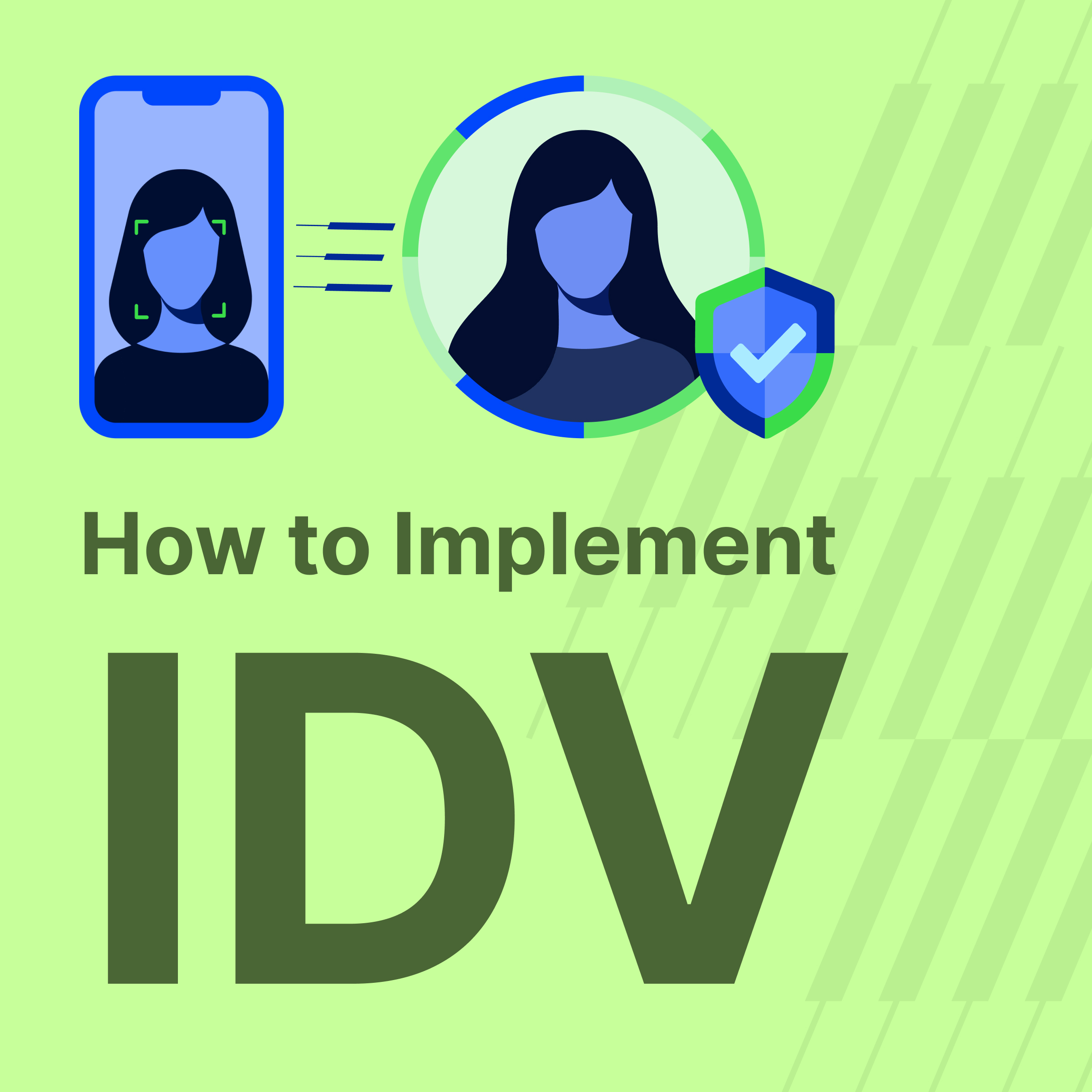
- Biometric verification: A selfie is compared against the ID photo using facial recognition.
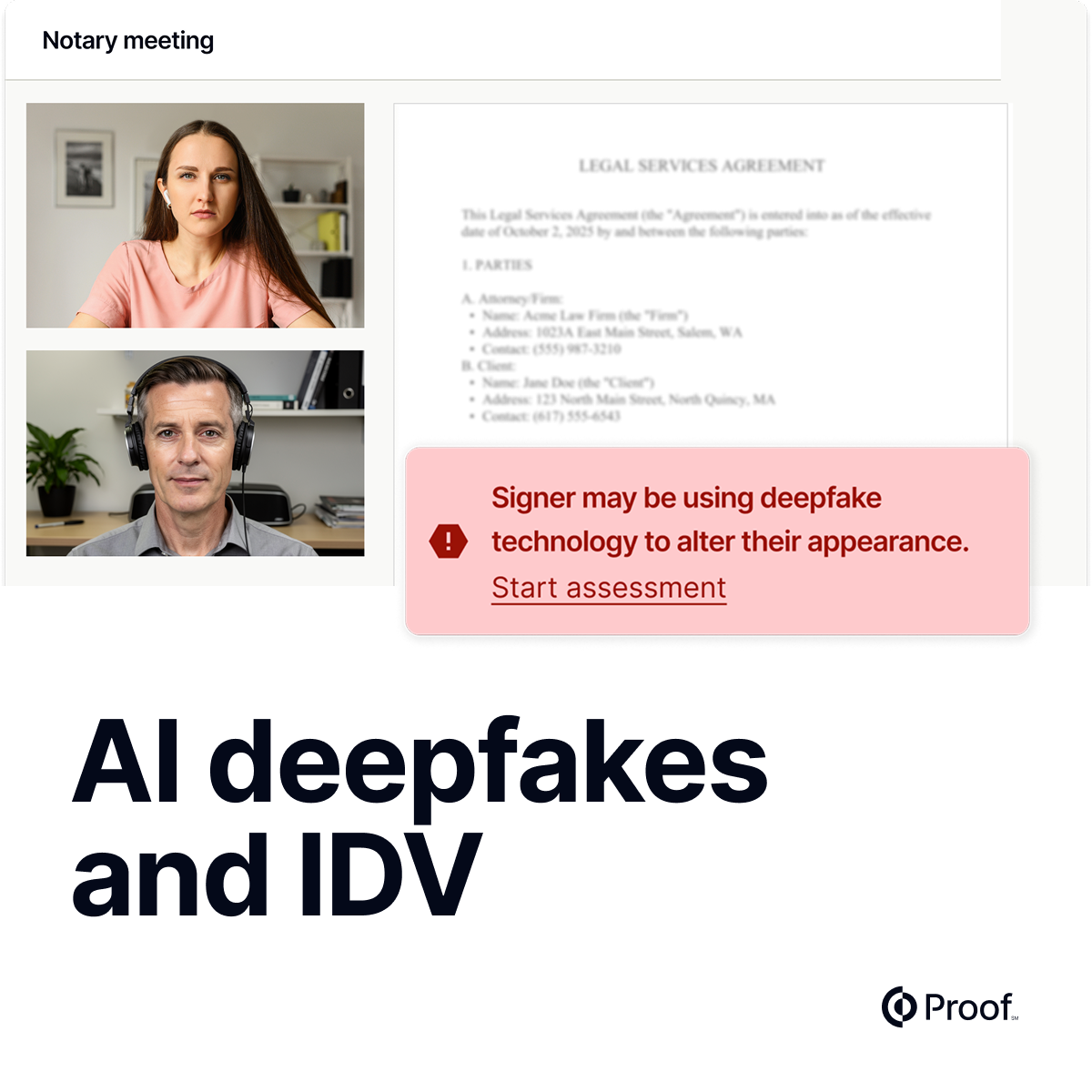
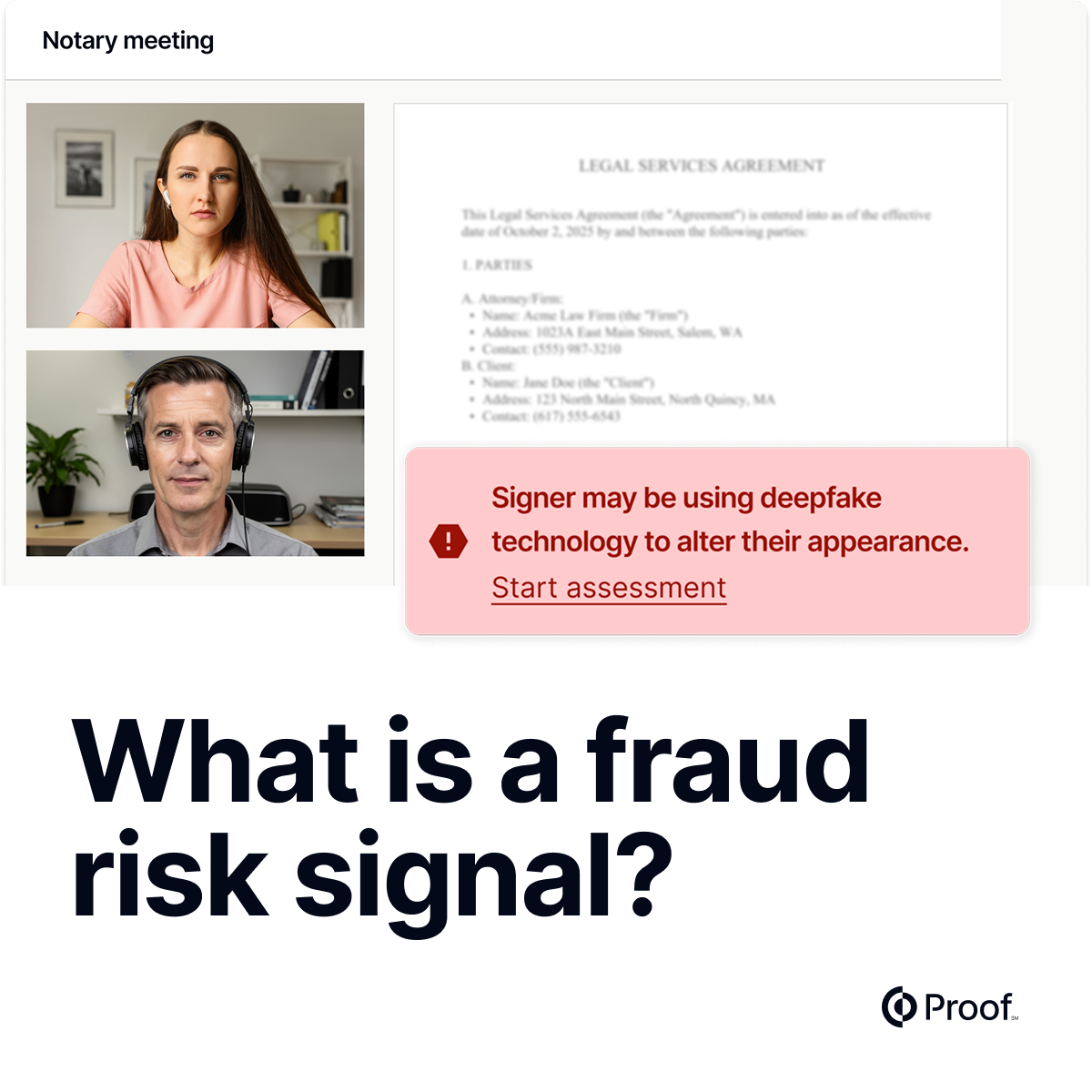
- Liveness detection: The system confirms the selfie is from a live person, not a photo or deepfake.
- Knowledge-based authentication (KBA): The borrower answers questions drawn from their credit history to confirm identity.
- Credential analysis: The ID is checked against issuing authority databases.
Proof's Identify solution completes 25 identity checks in under five seconds and holds Kantara IAL2 certification, the federal government's standard for high-assurance identity verification. When automated checks cannot reach a determination, the workflow routes to one of Proof's 1,800+ live identity agents for real-time review.
This layered approach matters because AI-generated fake IDs are now sophisticated enough to pass basic document checks. A platform that relies on a single verification method creates a gap that fraud is built to exploit.
How to choose the right eClosing platform
The right eClosing platform depends on your role, your existing technology stack, and the states where you close. A platform's interface is irrelevant if it cannot legally close a loan in the states where your borrowers live.
For mortgage lenders
Look for platforms with robust eNote capabilities, seamless LOS integrations, and MISMO compliance. Automated document preparation, investor delivery capabilities, and post-closing efficiency tools are the features that directly affect your cost per loan.
Proof's Close platform integrates with Ellie Mae, Resware, and other major LOS and title systems. The Proof Engine automatically enforces 4.5 million compliance rules covering state RON laws, underwriter requirements, and investor policies.
For title companies and settlement agents
Prioritize platforms that offer comprehensive closing coordination, secure document management, and strong integration with underwriter systems. RON and IPEN capabilities are both necessary for flexible closing options across different transaction types and states.
For real estate teams and brokerages
Focus on platforms with mobile accessibility and transaction management features that keep all parties informed throughout the process. Borrowers who can track their closing package status in real time arrive better prepared and ask fewer last-minute questions.
Key evaluation criteria
When comparing eClosing platforms, assess these dimensions before anything else:
- Compliance certifications: MISMO, SOC 2, Kantara IAL2, and state-specific RON authorization
- Integration capabilities: Compatibility with your existing LOS, title software, or CRM
- Identity verification depth: The number and type of checks performed, and whether a human fallback exists
- Fraud prevention: Real-time monitoring, deepfake detection, and audit trail capabilities
- Scalability: The platform's ability to handle your current volume with room for growth
- Support quality: Implementation assistance, training resources, and ongoing customer service
eClosing platform features to prioritize
When evaluating eClosing software, the feature set divides into three categories: core closing capabilities, security and compliance, and integration.
Core closing capabilities
- Hybrid and full eClosing support across all closing types
- Electronic signature with tamper-evident audit trails
- RON and IPEN support for flexible notarization options
- eNote creation and eVault storage for secondary market delivery
- Document preparation, tagging, and management tools
Security and compliance
- IAL2-certified identity verification with biometric and document checks
- MISMO certification for industry compliance
- SOC 2 Type 2 and WebTrust security certifications
- Real-time fraud detection and risk scoring
- Deepfake detection for video-based notarization sessions
- Comprehensive audit trails that document every action in the transaction
Integration and workflow
- LOS and title system integrations that eliminate manual data re-entry
- Real-time collaboration tools for all parties in the transaction
- Automated task management and deadline tracking
- Post-closing delivery automation to servicers and investors
- Mobile accessibility for borrowers signing from any device
The customer experience case for eClosing
The closing appointment is often the last direct interaction a lender or agent has with a borrower. If that interaction is efficient and easy, it leaves a positive final impression. If it involves a stack of paper, a two-hour appointment, and a missed signature that delays funding, it does not.
eClosing software gives lenders and title agents the tools to deliver a closing experience that borrowers remember positively. Borrowers who preview their documents before the appointment arrive with questions already answered. Shorter appointments mean less time off work. Remote closings eliminate travel entirely.
Positive closing experiences generate referrals. In a market where the cost of acquiring a new borrower is significant, the closing experience is a competitive asset, not just an operational detail.
With so much of the real estate industry embracing digital transformation, homebuyers increasingly expect online mortgage closings as a standard option. eClosing software gives lenders, title agents, and real estate professionals the infrastructure to meet that expectation while improving their own economics.