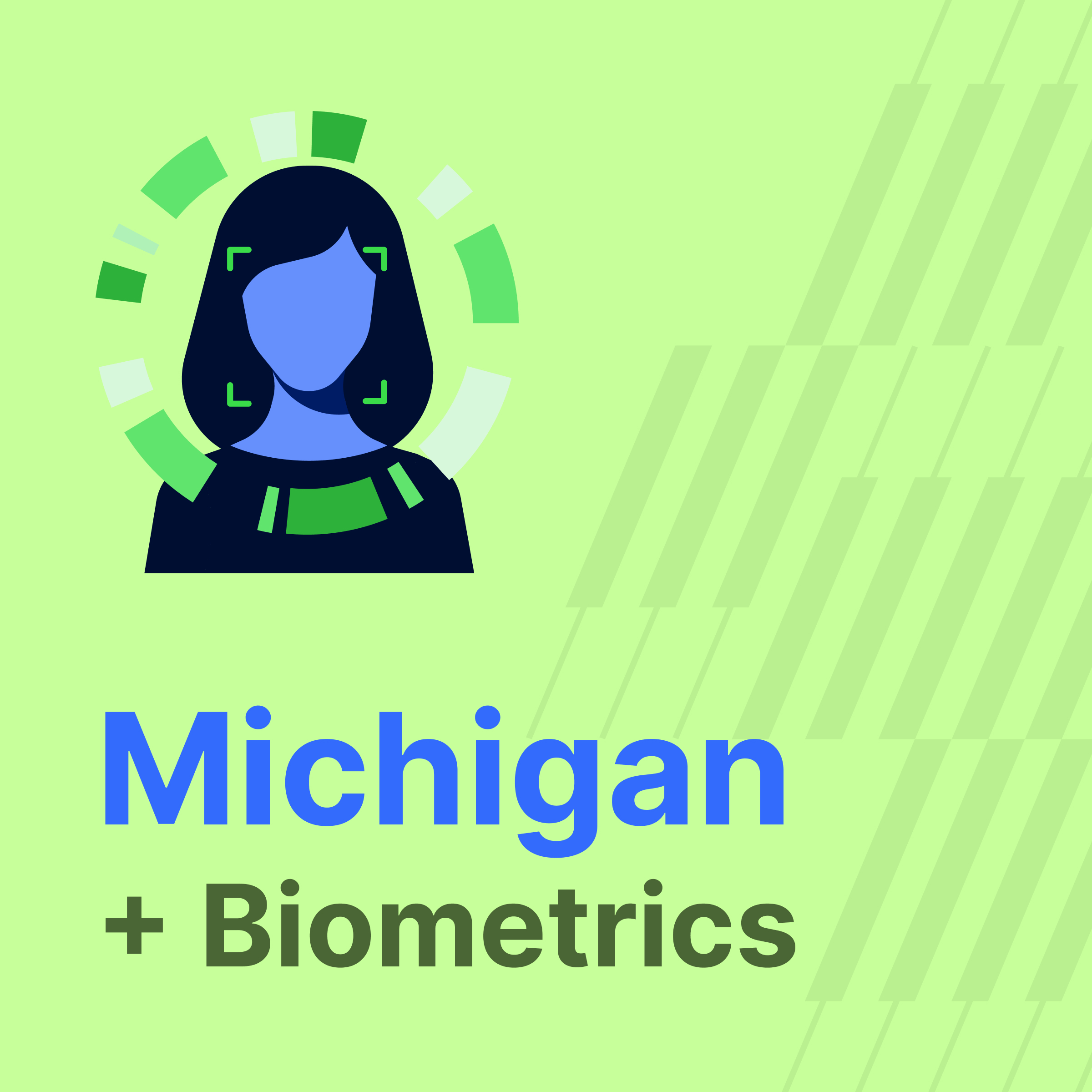
The Boom in Biometrics


Updated September 8, 2026
Passwords get stolen. Knowledge-based answers get guessed. PINs get phished. The "biometrics are not better article" argument, first popularized by writer Reuben Lorre, made a simple claim: biometric authentication carries its own serious risks that most organizations overlook. That argument is more relevant today than when it was written. Biometrics are harder to steal than passwords, but they are far from invulnerable. And unlike a password, a compromised biometric cannot be reset.
Biometric adoption has surged across industries over the past several years, driven by rising fraud, mobile device familiarity, and post-pandemic shifts toward contactless interactions. What was once emerging technology is now a baseline expectation for secure authentication. Consumers already unlock their phones with a fingerprint or face scan. The behavior is second nature. Meanwhile, fraud and identity-based attacks have escalated dramatically, pushing organizations to adopt authentication methods that are harder to steal, spoof, or share.
Key takeaways
- Biometrics prove who you are rather than what you know, which makes them significantly harder to steal or share than passwords. But they cannot be changed if compromised, which creates permanent exposure when a breach occurs.
- The six main types of biometric authentication are facial recognition, fingerprint and vein verification, voice recognition, iris and retina scanning, behavioral biometrics, and DNA-based identification.
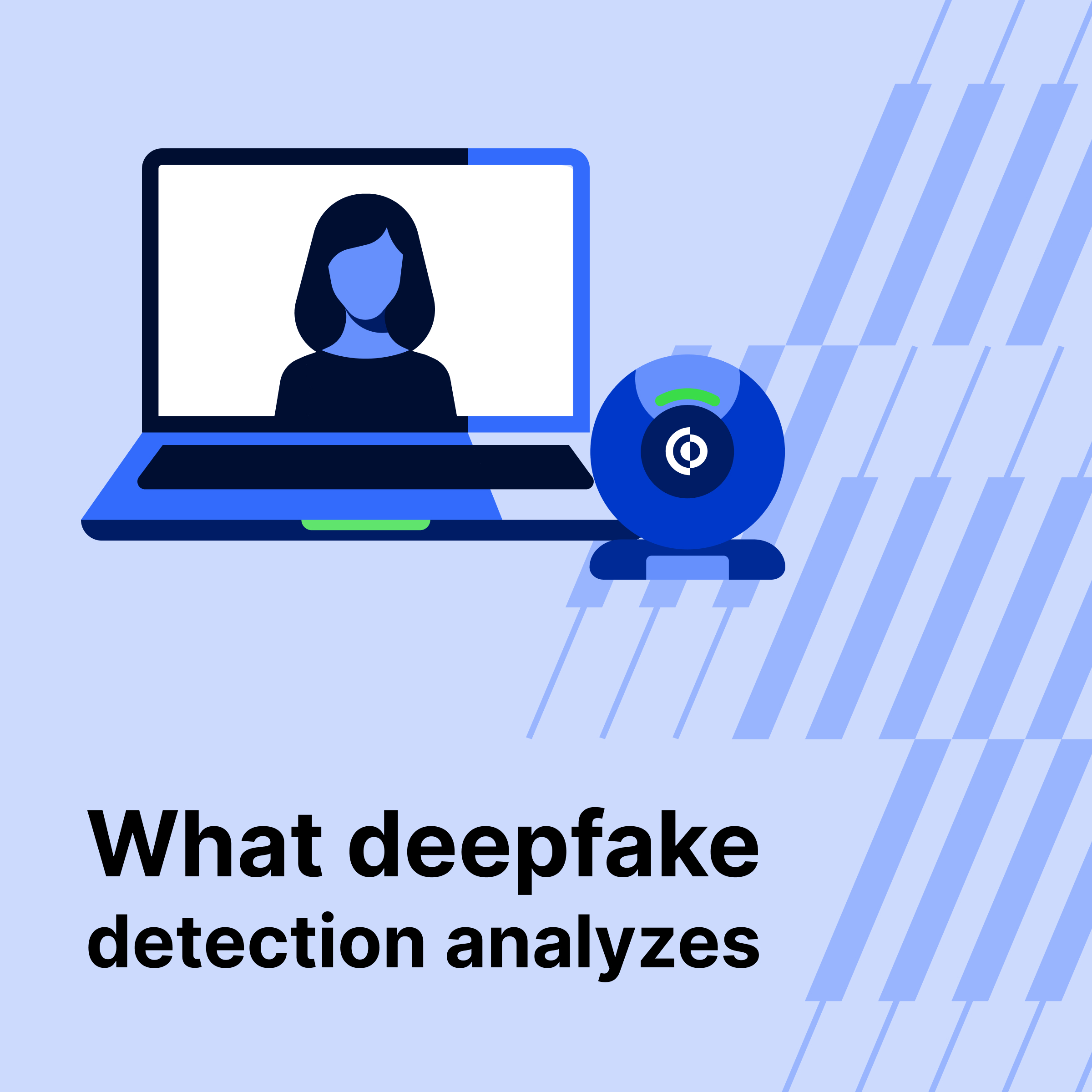
- AI-generated deepfakes and injection attacks now threaten biometric systems that rely on facial recognition without liveness detection or human supervision. A face in a camera is no longer proof that a real person is present.
- Biometrics work best as one layer in a multi-factor authentication stack. Security experts recommend combining a biometric with a PIN, smart card, or second factor that is identity-bound rather than knowledge-based.
How biometrics strengthen digital security
Data breaches and cyber incidents continue to rise year over year, and the financial and reputational damage compounds long after the initial event. More than 60% of companies in the Americas experienced a data breach or cyber incident in 2021. The average cost of a data breach reached $4.24 million per incident. Research also shows that companies that have experienced a breach underperform the market by more than 15% even three years later. In the vast majority of cases, the root cause is compromised passwords.
Common tactics
- Credential stuffing and password-based attacks, which Verizon research confirms account for the vast majority of data breaches
- Phishing campaigns designed to capture login credentials
- Social engineering that extracts security question answers from targets
What you can do
- Replace password-only authentication with biometric verification (facial, fingerprint, or iris)
- Layer biometrics with a PIN or smart card for two-factor authentication
- Adopt behavioral biometrics (typing cadence, mouse movement) as a secondary, passive fraud signal
Biometrics offer a fundamentally different approach. Unlike passwords, which can be stolen, guessed, or phished, your biometric features are unique to you. You can reset a password when it is compromised, but a biometric cannot be changed out for a new one. That permanence is what makes biometrics such a powerful deterrent.
Biometrics do not just improve security; they accelerate business. Faster authentication means faster transactions, shorter queues, and less friction at every customer touchpoint. That speed translates directly to revenue.
Consumers are already on board. Most people now expect to use biometrics to verify their digital identity or authorize payments, and digital natives, in particular, have grown up expecting seamless, tech-forward experiences that biometrics deliver.
There is also a responsibility that comes with biometric data. Biometric authentication can make interactions dramatically faster, easier, and more secure than traditional passwords, but organizations need to be thoughtful about how they collect, store, and protect biometric information. Unlike a password, a compromised biometric cannot be changed.
Types of biometrics
The right biometric method depends on your use case, your risk tolerance, and your customer experience requirements. Here are the primary types to know:
- Facial recognition. One of the most widely adopted biometric methods. Customers already use it to unlock their phones, making it passive, non-intrusive, and familiar. Facial recognition works by analyzing aspects of the facial area to verify or identify an individual, comparing a live image against a stored reference. In financial services, it is used to verify identity at account opening, wire authorization, and account recovery, where impersonation risk is highest. In real estate, it underpins the liveness checks required for remote online notarization. More advanced applications include live face recognition used by large venues to identify specific individuals in real time.
- Fingerprint and vein verification. Fingerprint biometrics, the most established form of biometric identification, capture the unique patterns formed by the raised ridges on a person's fingertips or palms. Vein pattern recognition is a separate technique that uses infrared sensors to map the arrangement of veins in fingers or hands, which form a unique pattern for each individual. Both are widely deployed, from mobile device authentication to physical access control at enterprise facilities, and are increasingly common in financial services and healthcare for identity verification at scale.
- Voice and passive voice recognition. All types of companies now use voice recognition, where people can use their voice to log into accounts. Some use voice biometrics to establish voice signatures. Passive voice biometrics works similarly but can verify a user during a regular conversation without requiring a specific enrollment phrase.
- Iris and retina scanning. Eye-based biometrics are among the most accurate identification methods available. Iris scanning captures the unique patterns in the colored ring around the pupil; participants simply look at a device for a few seconds. Retina scanning, by contrast, maps the blood vessel patterns at the back of the eye. Both methods are highly precise. A key advantage: neither requires exposing the entire face, making them well-suited for environments where masks or protective equipment are standard, like healthcare and pharmaceutical settings.
- Behavioral biometrics. While physical biometrics serve as a first line of identification, behavioral biometrics add a continuous layer of verification based on how someone interacts with a device. Examples include keystroke dynamics, where typing rhythm and speed create a unique signature that can identify the typist, as well as mouse movements, touchscreen gestures, and gait analysis, which captures the unique way a person walks based on physique, stride, and speed. The power of behavioral biometrics is that they work passively, in the background, without requiring the user to do anything extra. They function as continuous fraud signals that flag anomalies mid-session, not just at login.
- DNA biometrics. DNA-based verification is still early-stage for most enterprise use cases, but its trajectory follows the same arc every major biometric modality has taken. Currently more common in fields like paternity testing, exoneration of innocent suspects, and genealogy, the potential applications for identity assurance are significant. Worth monitoring.
One form of biometrics is powerful, but experts suggest combining two or more methods for maximum security. Two-factor authentication typically requires two of these three:
- Something you know — a password or PIN
- Something you have — a smart card, mobile device, or driver's license
- Something you are — a biometric like a fingerprint, face scan, or voiceprint
Layering biometrics with another factor makes authentication significantly harder to defeat. The strongest implementations combine a liveness-verified biometric with a second factor that is identity-bound, not just knowledge-based, because compromisable answers are a foundation that fraud has already learned to exploit.
How industries are using biometrics
Financial services, real estate, healthcare, government, travel — every industry today is looking for ways to improve customer service, remain secure, and reduce fraud. Biometrics are central to that effort, not as a standalone tool, but as a critical layer in a broader identity verification strategy.
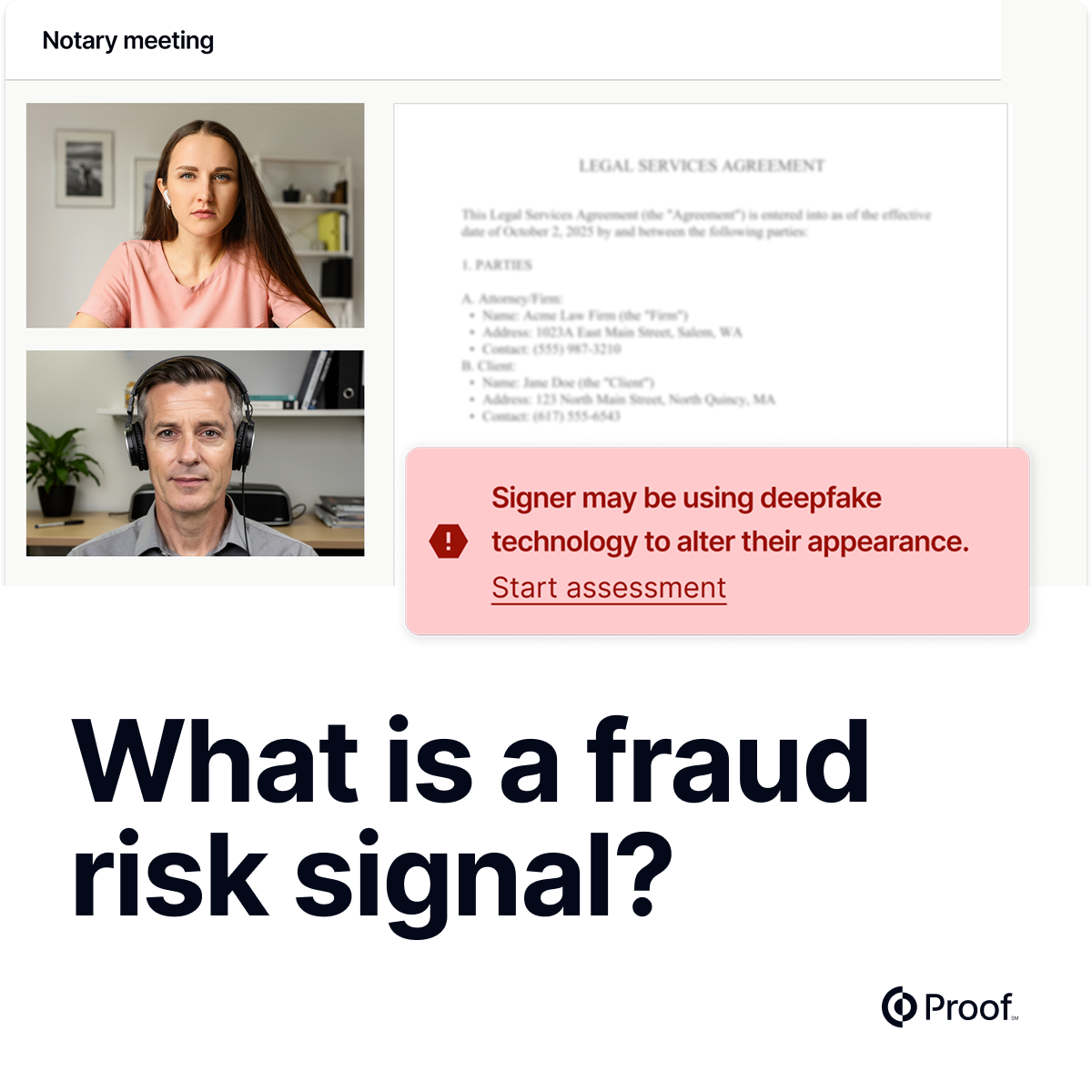
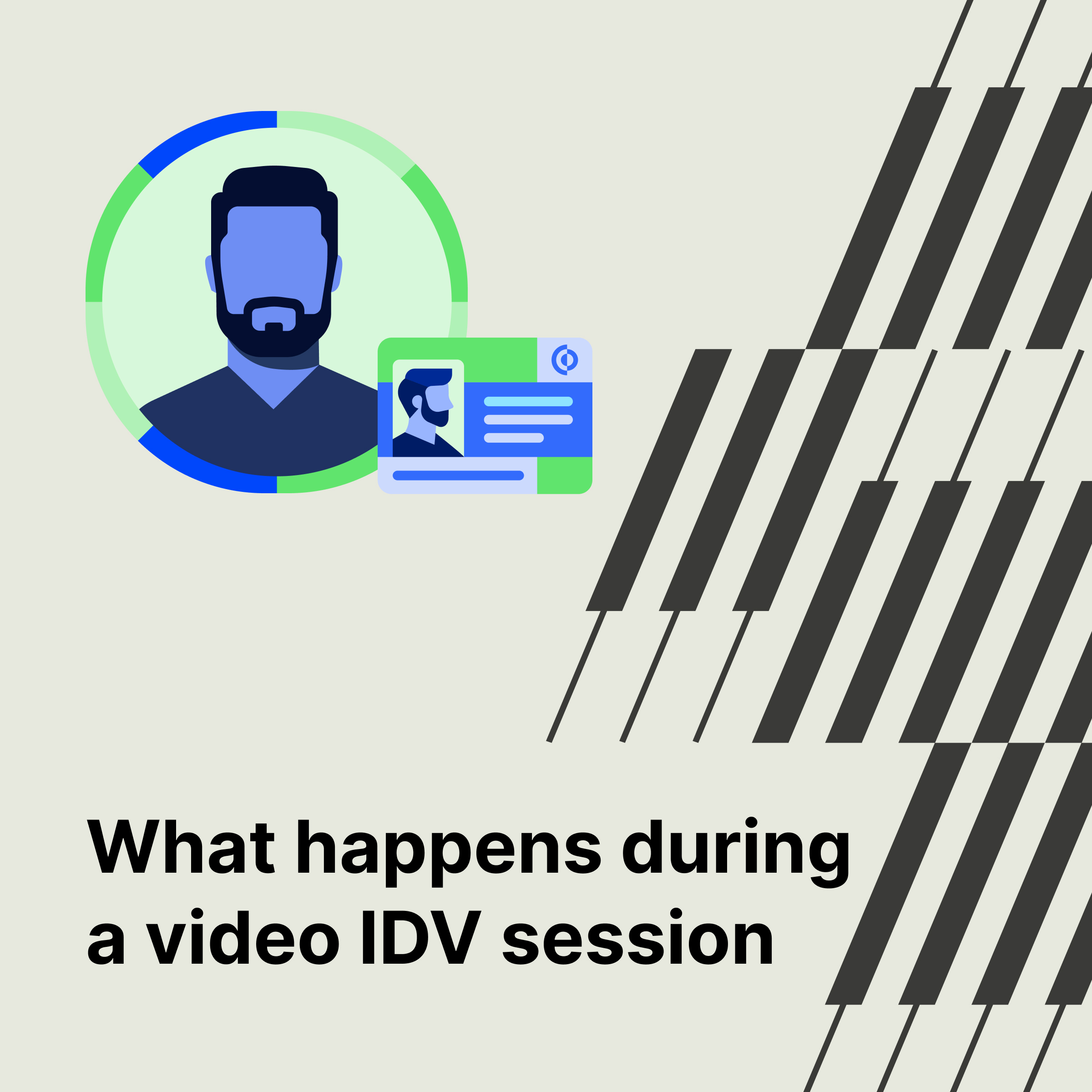
At Proof, biometrics are woven into the fabric of how we secure authorizations. From facial comparison and liveness detection during identity verification with Identify, to deepfake detection on live video sessions with Verify, to the multi-signal fraud intelligence powering Defend, biometric signals help ensure that the person authorizing a transaction is who they claim to be. In the age of AI-generated content and synthetic identities, the question is whether your platform can prove the person behind every interaction is real.
Learn how Proof secures identity across every critical moment.



























.jpg)



















































.jpg)