Guide: The Digital ID Verification Process


Updated September 15, 2026
Digital ID verification is the process of confirming that a person is who they claim to be during an online transaction. It replaces the in-person ID check with a layered set of digital signals: document scans, biometric comparisons, database lookups, and behavioral analysis. For businesses operating in regulated or fraud-sensitive industries, it is the difference between a defensible transaction record and a liability.
The stakes have risen sharply. The U.S. Federal Trade Commission reported that consumers lost $12.5 billion to fraud in 2024, a 25% increase over the prior year. Generative AI has made synthetic identities, deepfakes, and forged documents faster and cheaper to produce. Manual verification cannot keep pace. Digital ID verification can, but only when it is built on the right methods and applied at the right moments across the customer lifecycle.
Key takeaways
- Digital ID verification confirms a person's identity during online transactions using layered methods including document analysis, biometric comparison, and database matching.
- The identity verification process applies to far more than onboarding. High-stakes moments like wire authorizations, account changes, loan closings, and power of attorney signings each carry distinct fraud risk.
- Automated verification alone is insufficient against modern threats like deepfakes and synthetic identities. A fallback to live, human-supervised verification closes the gap that automation leaves open.
- Compliance frameworks including Know Your Customer (KYC) and Anti-Money Laundering (AML) regulations require documented, auditable identity checks. Digital ID verification creates that record automatically.
- The best digital ID verification systems produce a defensible, cryptographically signed record of the verification event, not just a pass/fail result.
What is digital ID verification?
Digital ID verification is the online equivalent of checking someone's government-issued ID before a sensitive transaction. The National Institute of Standards and Technology (NIST) defines identity verification as the process of confirming or denying that a claimed identity is correct. In a digital context, that process uses electronic data rather than a physical document handed across a counter.
Traditional verification required in-person presence: a notary, a bank teller, or a government clerk compared a face to a photo ID. Digital ID verification achieves the same outcome remotely by combining multiple data signals that are difficult to fake simultaneously. No single check is sufficient on its own. The strength of digital verification comes from layering methods so that a fraudster would need to defeat all of them at once.
Digital ID verification vs. traditional verification
Traditional ID verification is slow, geographically constrained, and dependent on human judgment. A bank employee comparing a face to a driver's license can be fooled by a good forgery or a confident impostor. Digital verification runs 25 or more automated checks in under five seconds, cross-referencing document authenticity, biometric match, database records, and device signals simultaneously.
The tradeoff is that digital verification requires deliberate design. A poorly configured digital ID check can be bypassed by someone with a stolen credential and a printed photo. A well-configured one, with liveness detection and cryptographic record-keeping, is significantly harder to defeat.
Why digital ID verification matters now
Fraud is not a background risk anymore. It is an operational cost that compounds across every unverified transaction.
Three forces are driving urgency for businesses evaluating digital ID verification:
AI-generated fraud and deepfakes. Generative AI has industrialized identity fraud. Synthetic identities combine real and fabricated data to pass standard KYC checks. Deepfake video can fool liveness detection systems that rely only on facial movement. Real estate fraud losses hit $275 million in 2025, up 58% in a single year, and AI-generated fake IDs are fast enough to pass standard verification at closing. Businesses that rely on document checks alone are operating with a gap that attackers are already exploiting.
Customer experience and conversion. Ninety percent of businesses have lost potential customers during the digital onboarding process, according to ABBYY's State of Intelligent Automation report. Friction at the identity verification step is a direct revenue leak. Digital ID verification, when implemented correctly, completes in seconds and requires no in-person visit, reducing abandonment without reducing security.
Regulatory compliance. KYC and AML regulations require documented proof that a business verified its customers' identities before opening accounts or processing transactions. Digital ID verification creates that audit trail automatically. Failure to comply carries fines, reputational damage, and in some cases criminal exposure for the institution.
How digital ID verification works
The digital ID verification process ties a person's biographic data (name, date of birth, address) to the physical person presenting it, using biometric data as the secure link between the two. Every method below addresses a different attack vector. Layering them raises the cost of fraud to a level most attackers will not absorb.
Document verification and credential analysis
The applicant submits a photo of a government-issued ID, typically a driver's license or passport. Automated systems analyze the document for authenticity: checking holograms, microprint, font consistency, and machine-readable zones against known templates for that document type. A forged ID that passes a visual inspection will often fail credential analysis because the security features do not match the issuing state's specifications.
Biometric verification and liveness detection
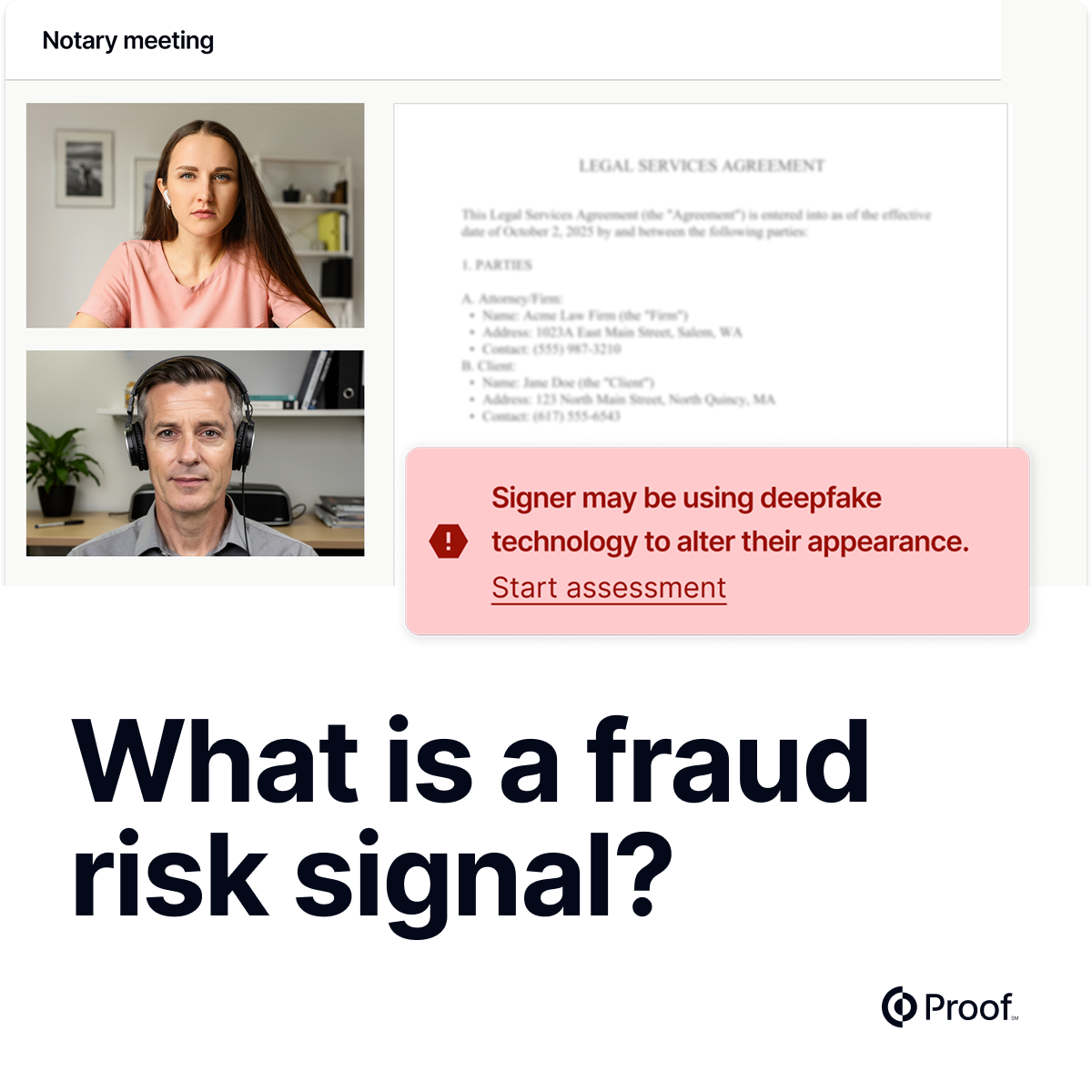
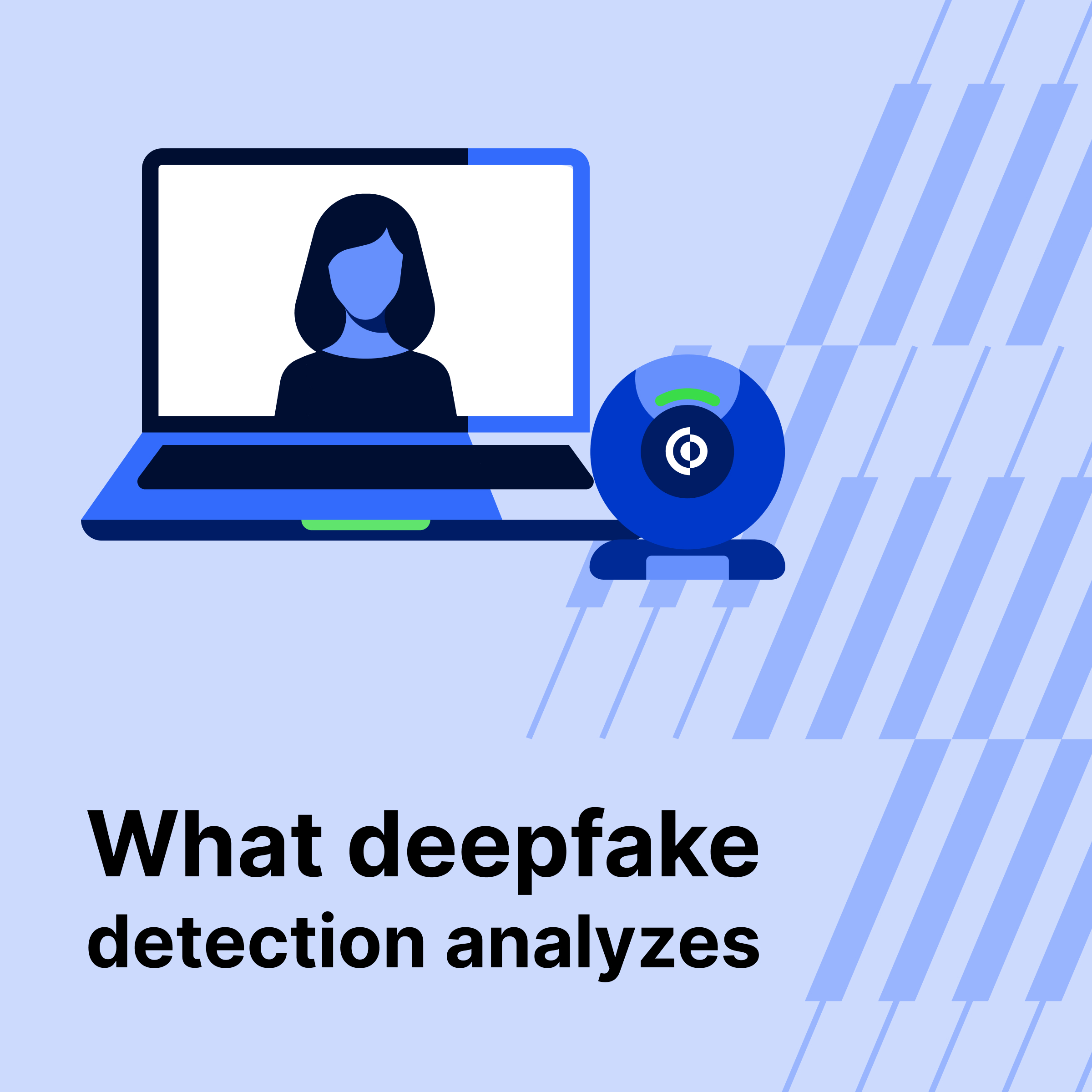
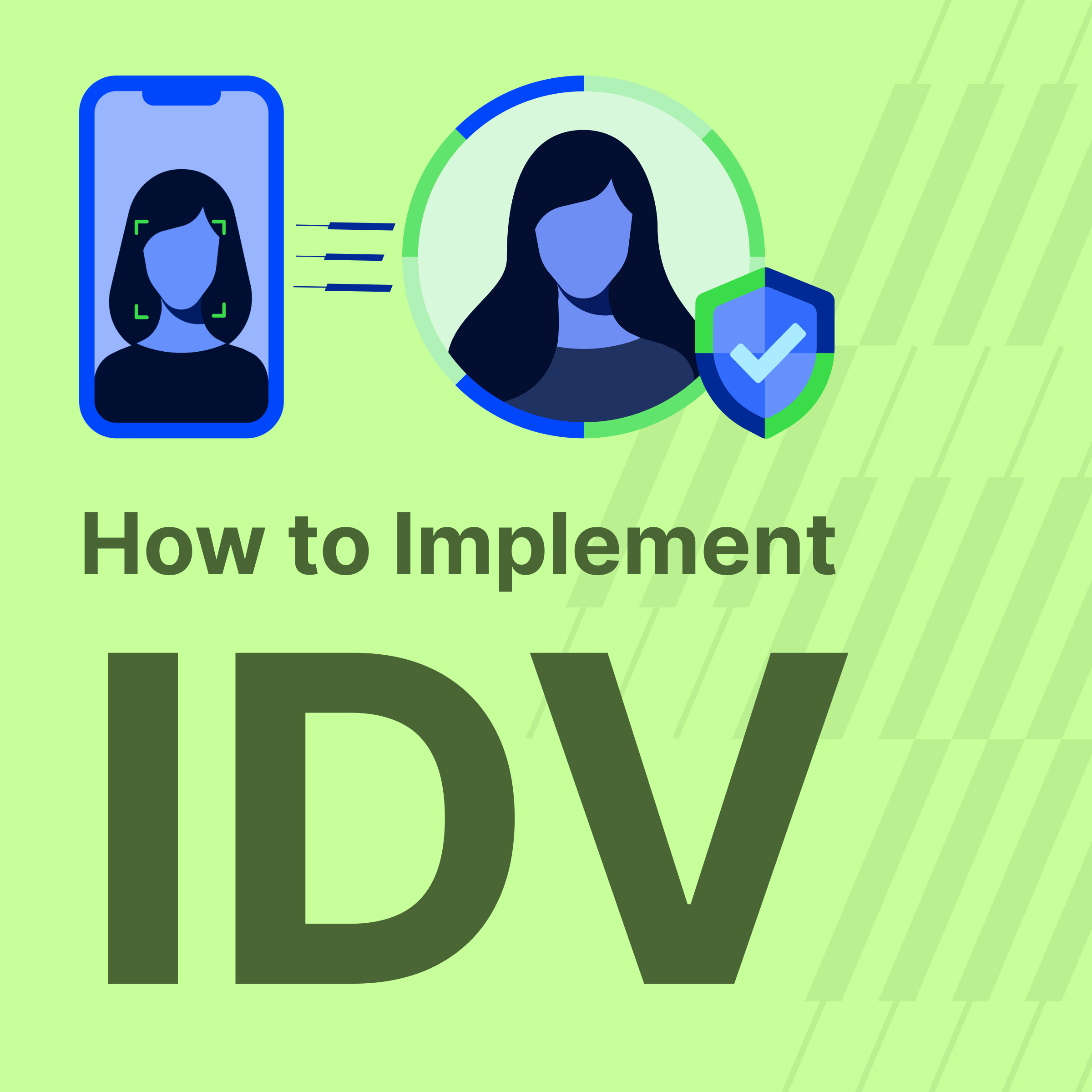
The applicant submits a real-time selfie or short video. Facial recognition software compares the biometric data from the selfie to the photo on the submitted ID. Liveness detection confirms that the person is physically present at the time of verification, not submitting a printed photo or a pre-recorded video. This check is the primary defense against deepfake attacks and photo spoofing.
Liveness detection has its own attack surface. Biometric injection attacks insert synthetic video directly into the camera feed, bypassing the device's physical sensor. Platforms that rely only on passive liveness checks are vulnerable. Active liveness challenges, combined with device integrity checks, close most of that gap.
Data matching and database verification
The applicant's submitted information is compared against authoritative data sources: credit bureau records, government databases, motor vehicle records, and watchlists. This step catches synthetic identities that use real-looking but fabricated data, and it flags applicants who appear on sanctions or fraud watchlists. Knowledge-based authentication (KBA) draws on credit profile data to generate questions only the real person should be able to answer.
Behavioral analytics and device intelligence
Verification platforms analyze how an applicant interacts with the verification flow: typing speed, copy-paste behavior, field completion order, and device signals like IP address, time zone consistency, and browser fingerprint. Bots and fraud kits behave differently from real people. Behavioral analytics catch automated attacks that pass document and biometric checks.
Device checks add another layer. An IP address associated with a known data center, a VPN masking a mismatched geolocation, or a device flagged in prior fraud attempts all raise the risk score before a human reviewer ever sees the case.
Cryptographic signing and defensible records
Standard verification produces a pass/fail result. Cryptographic verification produces a tamper-proof, identity-bound record of the entire verification event: what was checked, when, by what method, and with what result. That record travels with the document or transaction it supports and can be verified independently by any party who receives it.
This distinction matters in disputes. A lender who can produce a cryptographically signed verification record showing that a borrower completed IAL2-level identity proofing before signing a loan document is in a fundamentally different legal position than one who can only show that a checkbox was clicked.
Human-in-the-loop verification
Automated checks fail at the margins. A legitimate customer with a damaged ID, an unusual name format, or a face that does not match their credential due to aging or injury will sometimes fail automated verification. A fraudster with a sophisticated synthetic identity may pass it.
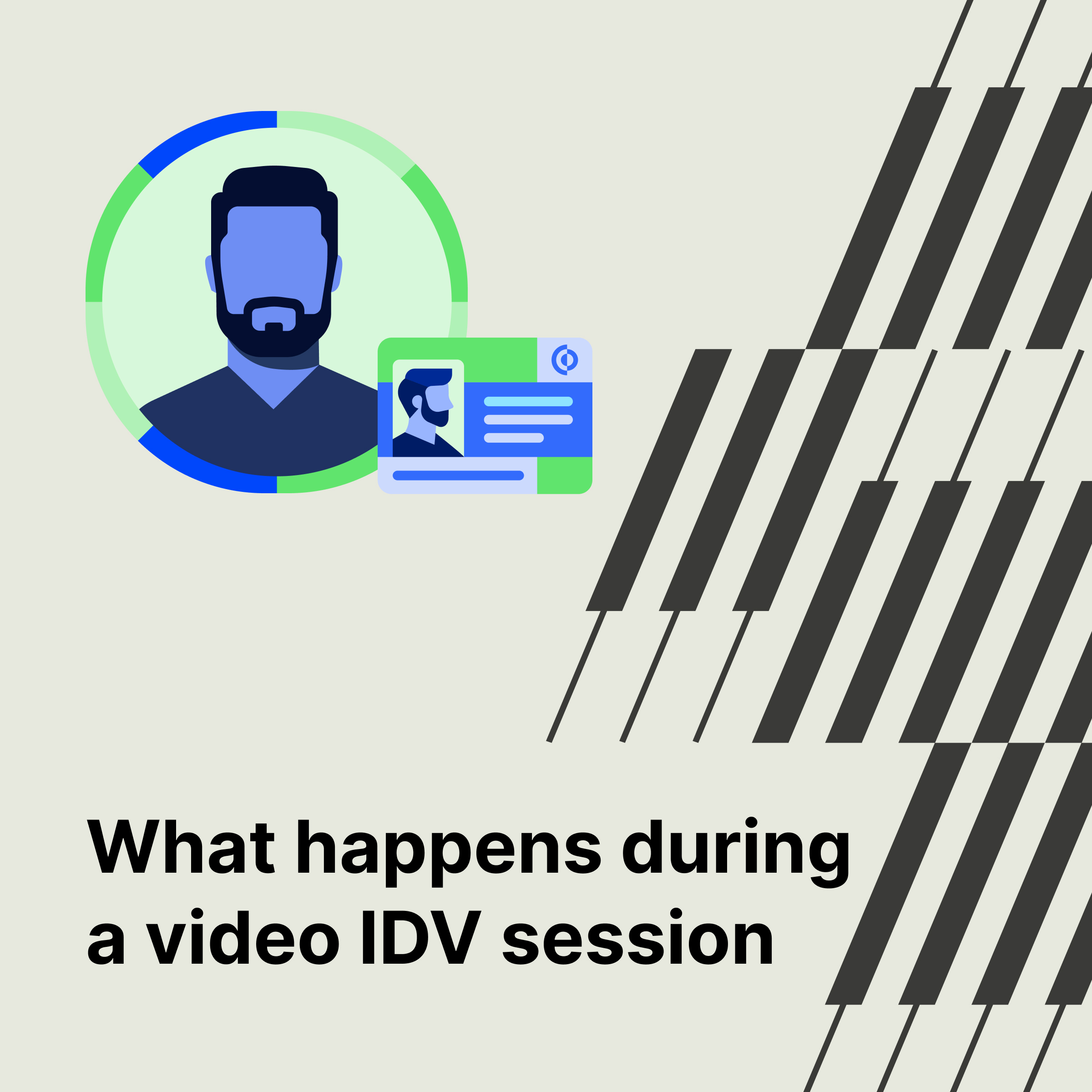
The fallback to a live, trained agent over encrypted video closes both gaps. The agent can make judgment calls that automated systems cannot, while the recorded video session creates an auditable record of the decision. Platforms like Proof route failed automated checks to on-demand trusted agents who complete the review in real time, so the customer experience does not stall while the security posture holds.
Digital ID verification methods
The methods used in a digital ID verification process vary by transaction type, risk level, and regulatory requirement. Higher-value or higher-risk transactions warrant more verification steps.
Common methods include:
- Government-issued photo ID submission. The applicant photographs their driver's license, passport, or state ID. Automated credential analysis checks authenticity.
- Facial biometric comparison. A real-time selfie is compared to the ID photo using facial recognition algorithms. Liveness detection confirms physical presence.
- Knowledge-based authentication. The applicant answers questions drawn from their credit profile. Dynamic KBA generates questions in realtime from data the applicant should know but that is not publicly available.
- Two-factor authentication. A one-time code is sent to a verified phone number or email address. The applicant must enter it to proceed. This method confirms device possession but does not verify identity on its own.
- Bank login credential verification. Integrations with financial institutions let applicants authenticate through their existing bank account, confirming both identity and account ownership.
- Digital footprint analysis. The applicant's email address, phone number, and device are checked against known accounts and fraud signals. An email address with no associated social or financial accounts is a higher-risk signal.
- Remote online notarization. A commissioned notary verifies the signer's identity over live video, checks their government-issued ID, and witnesses the signing. The notarized record carries legal weight in all 50 states. Platforms like Notarize combine identity verification with the notarization ceremony in a single workflow.





































.jpg)


















































.jpg)