Digital Identity Management: Why It's Essential for Business


Updated September 10, 2026
Digital identity management is the foundation of every secure online interaction your business has. Customers expect to transact with you remotely. Employees collaborate across time zones. Contractors access sensitive systems from anywhere. The internet connects all of them, but it does not verify any of them by default.
That verification gap is where fraud lives. Without a structured approach to digital identity management, your organization cannot confirm who is accessing your systems, signing your documents, or authorizing your transactions. The consequences range from data breaches to regulatory penalties to financial fraud.
This guide covers what digital identity management is, why it matters for your business, how it works in practice, and the steps to implement a system that actually holds up.
Key takeaways
- Digital identity management is the set of processes and technologies that create, verify, authenticate, and govern online identities across their full lifecycle, from onboarding through account changes and transaction authorization.
- Identity and access management (IAM) is the policy framework that governs resource access. Digital identity management is the discipline that makes IAM trustworthy by ensuring the identities inside that framework are real and verified.
- Generative AI has made fake IDs, deepfake video, and synthetic identities commercially viable attack tools. Systems built for a pre-AI threat environment are no longer sufficient.
- Effective digital identity management reduces fraud risk, supports regulatory compliance, improves both employee and customer experiences, and creates auditable records that hold up in disputes.
- Implementation follows four steps: audit your current landscape, select the right solution, define your deployment strategy, and continuously refine based on the data you collect.
What is digital identity management?
Digital identity management is the set of processes and technologies that allow people, organizations, and devices to securely establish, verify, and maintain their identities online. It governs how identity data is created, stored, accessed, and retired across the full user lifecycle.
A digital identity is a collection of data points that uniquely represent an individual or entity in an online system. For a person, that collection typically includes:
- Personally identifiable information (PII): email addresses, phone numbers, dates of birth, government ID numbers, and biometric data
- Credentials: usernames, passwords, authentication tokens, and digital certificates
- Behavioral and device signals: geographic location, device fingerprint, login patterns, and transaction history
- Verifiable records: documents, signed agreements, and cryptographically bound authorizations
A digital identity manager controls who can access that data and under what conditions. Your HR department collects sensitive employee records, but your marketing team has no business seeing them. Your finance team authorizes wire transfers, but that authorization should require a higher level of identity assurance than logging into a project management tool. Digital identity management enforces those distinctions at scale.
What is identity and access management (IAM)?
Identity and access management (IAM) is the policy and technology framework that controls which users can access which resources, including databases, networks, applications, and devices.
Think of it this way: digital identity provides the "who," and IAM establishes the rules for what that "who" is allowed to do. IAM systems manage user accounts, passwords, privileges, roles, groups, and entitlements across multiple systems and platforms. They rely on the attributes associated with a verified digital identity to make access control decisions.
Features like single sign-on (SSO) reduce the number of credentials users must manage. Role-based access control (RBAC) ensures employees only access what their job requires. Multifactor authentication (MFA) adds a second verification layer beyond passwords.
IAM is the framework. Digital identity management is the discipline that makes the identities inside that framework trustworthy.
Why digital identity management is critical for businesses
Digital identity management protects your organization, your customers, and your ability to operate. Without it, you have no reliable way to confirm that the person requesting access, signing a document, or authorizing a transaction is who they claim to be.
The business case is concrete:
- Fraud risk mitigation. Knowing your customers means you can detect when someone else is using their identity. The theft of valid accounts accounts for 30% of all cybersecurity incidents, according to IBM's X-Force Threat Intelligence Index.
- Data breach prevention. Knowing who is accessing your systems and resources reduces the risk of unauthorized exposure. The average cost of a data breach was $4.88 million in 2024, a 10% increase from the prior year.
- Regulatory compliance. Regulations including the General Data Protection Regulation (GDPR), the Health Insurance Portability and Accountability Act (HIPAA), and state-level data privacy laws require organizations to control access to sensitive information and maintain audit trails. Digital identity management creates the access controls and documentation those frameworks demand.
- Customer trust. Customers share sensitive information with you because they expect you to protect it. A breach or fraud incident destroys that trust in ways that take years to rebuild.
How digital identity management works
Digital identity management operates across five stages:
- Registration. A user establishes their identity by providing attributes and credentials. The system creates a record linking those attributes to the individual.
- Authentication. When the user returns, the system verifies they are the same person who registered. Authentication methods include passwords, MFA, biometrics, and cryptographic certificates.
- Authorization. Once authenticated, the system determines what the user is permitted to access or do based on their role, permissions, and the sensitivity of the resource.
- Lifecycle management. Identities change. Employees are promoted, contractors finish engagements, customers close accounts. Lifecycle management tracks and updates identity records from initial onboarding through final deactivation.
- Auditing. The system logs user activity continuously, creating records that detect suspicious behavior, support compliance reporting, and provide evidence in the event of a dispute.
Each stage depends on the one before it. Authentication is only meaningful if registration was rigorous. Authorization is only trustworthy if authentication is reliable. Auditing is only useful if the underlying identity records are accurate.
Types of digital identities
Not all digital identities are the same. Understanding the distinctions matters for designing a system that addresses your actual risk surface:
- Human digital identities represent individual people. They include PII, biometrics, behavioral patterns, and credentials. These are the identities most organizations focus on for customer onboarding, employee access, and contractor management.
- Machine digital identities represent non-human entities: applications, servers, IoT devices, and automated processes. They typically use certificates, tokens, or API keys to authenticate. As AI agents begin executing transactions on behalf of people, machine identity management is becoming a critical security concern.
- Organizational digital identities represent businesses and institutions in B2B transactions. They authenticate the parties involved in contracts, data sharing agreements, and financial relationships.
- Transaction-bound identities are an emerging category. Rather than simply verifying who someone is at a point in time, transaction-bound identity cryptographically links a verified person to a specific action, such as signing a document, authorizing a wire transfer, or approving an account change. That link creates a verifiable record that survives disputes.
Benefits of implementing digital identity management
Improved employee experience
From onboarding to daily operations, digital identity management removes friction for your workforce. Employees can electronically complete documentation like contracts and forms without printing or in-person visits. Access provisioning becomes automated, so new hires have the tools they need on day one rather than waiting days for IT to configure permissions.
Higher verification accuracy
A digital identity built from multiple data points is harder to fake than a single credential. Correlating username, device fingerprint, geographic location, and behavioral patterns creates a more accurate picture of the person accessing an account. When one signal is anomalous, the system flags it for review rather than granting access automatically.
Better customer experience
Customers want to interact with your business online without exposing sensitive information over email or phone. Digital identity management enables them to create verified accounts, make payments, and complete transactions through secure channels. They get convenience. You get a verifiable record of who did what and when.
Reduced cost and increased efficiency
Organizations that digitize identity workflows reduce paper usage, eliminate manual verification steps, and accelerate transaction timelines. Remote work becomes operationally viable when identity can be verified without in-person presence. Customers can complete transactions at any hour without requiring staff intervention.
Compliance documentation
Digital identity management creates the audit trails that regulators require. When an examiner asks who accessed a sensitive record, or who authorized a transaction, a properly implemented system produces that answer from a verifiable log rather than from memory or paper files.
The threat environment digital identity management must address
The threat landscape has changed faster than most identity systems have adapted. Three shifts define the current risk environment.
Credential theft at scale. Attackers do not need to break through your defenses if they can steal valid credentials and walk through the front door. Phishing, social engineering, and data broker markets have made credential theft a commodity operation.
Generative AI and synthetic fraud. AI tools can generate convincing fake IDs, deepfake video, and synthetic identities at commercial scale. Real estate fraud losses reached $275 million in 2025, up 58% in a single year, driven in part by AI-generated documents that pass standard verification at closing. Systems that rely on visual inspection or knowledge-based authentication (KBA) alone are no longer adequate.
Account takeover through help desk channels. Attackers increasingly target account recovery workflows rather than login systems. A help desk agent who resets credentials based on a phone call or email request, without verifying identity, hands an attacker the keys. The Scattered Spider threat group dismantled two major casino operations in 2023 using exactly this vector.
Weak or stolen passwords account for approximately 80% of data breaches, according to research cited by Mastercard. Password-based systems are a liability, not a security control.
How to implement a digital identity management system
Scaling your business means providing digital transactions to customers and employees. A structured implementation process reduces the risk of gaps and ensures the system you build actually addresses your threat environment.
Step 1: Audit your current landscape
Before selecting a solution, review your existing identity verification processes and documentation. Identify:
- What types of digital experiences you currently provide and plan to offer
- What identity data you already collect and where it is stored
- What paper-based processes you want to digitize
- Which regulations apply to your industry and what they require
This audit surfaces gaps between your current state and what a compliant, fraud-resistant system requires.
Step 2: Select the right solution
No two organizations have identical needs. The questions that should drive your evaluation include:
- Will this system cover employees and contractors, customers, or both?
- Does it support the verification assurance levels your industry requires (for example, National Institute of Standards and Technology (NIST) Identity Assurance Level 2 (IAL2) for regulated financial transactions)?
- How does it handle cases where automated verification fails?
- Does it integrate with your existing systems without requiring a full rebuild?
- Does it produce the documentation you need to demonstrate compliance?
- How does it address AI-generated fraud, deepfakes, and synthetic identities?
Step 3: Define your deployment strategy
Once you select a solution, plan the rollout before you launch it. Key decisions include:
- How the system integrates with your existing applications
- How identity data will be stored securely and in compliance with applicable regulations
- How you will reduce the number of separate login credentials users must manage
- How access controls will be configured to enforce least-privilege principles
- How you will communicate the change to employees and customers
Step 4: Continuously refine the system
The longer you operate your digital identity management system, the more data you collect. A user who initially registered on a laptop may now access your system from a phone and a tablet. Behavioral patterns shift. New fraud techniques emerge. Monitor outcomes, review anomalies, and iterate your processes to improve accuracy and return on investment over time.
Digital identity management and the AI era
Generative AI has changed the threat model for identity verification. The assumptions that traditional systems were built on, that documents can be trusted, that a face in a camera is a real face, that some information stays secret, are under sustained commercial-scale attack.
Modern digital identity management must account for:
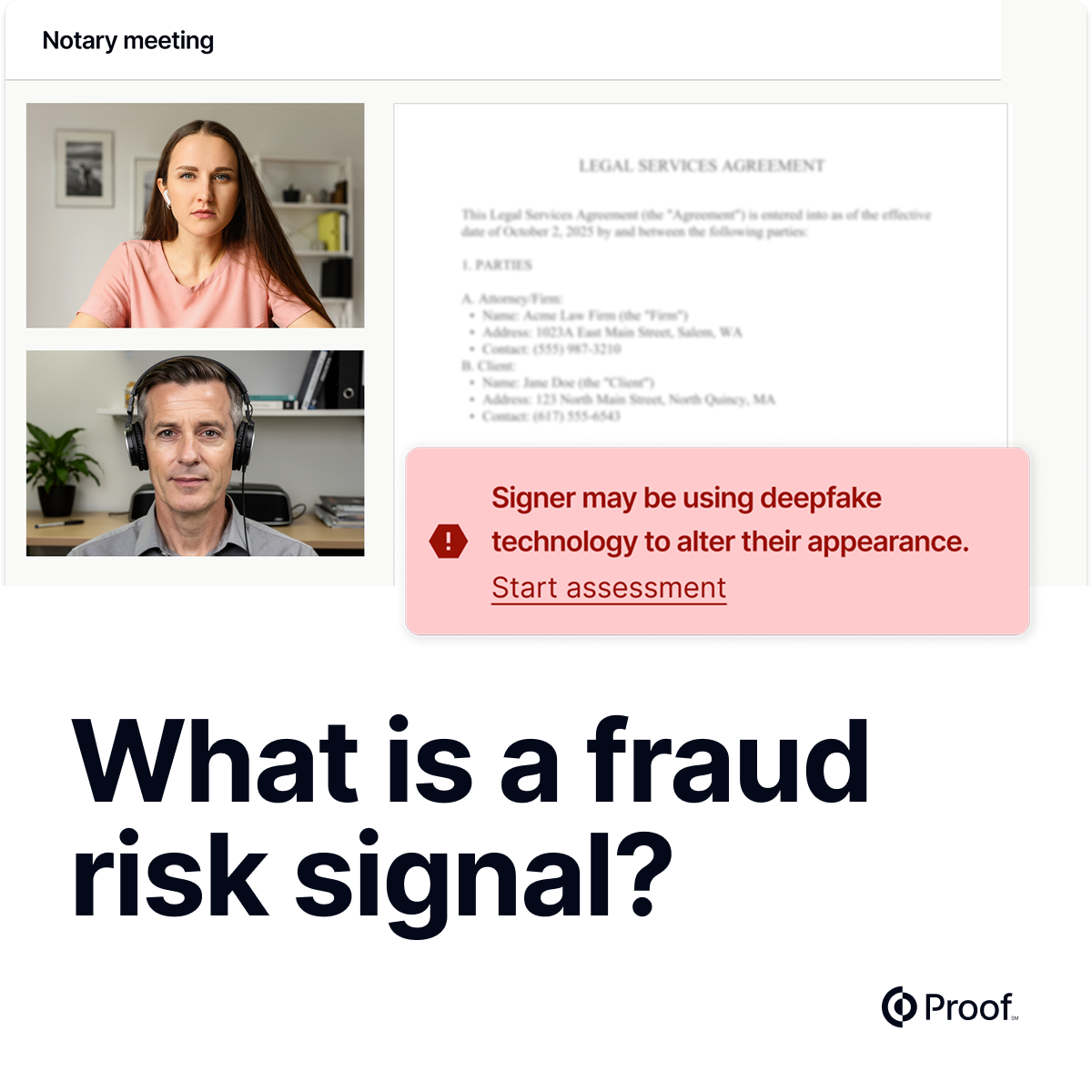
- Deepfake detection. Live video verification requires analysis that goes beyond visual inspection. Behavioral signals, liveness detection, and cryptographic binding to a verified credential are necessary layers.
- Document forgery. AI can generate convincing fake IDs that pass standard optical character recognition (OCR) checks. Verification systems need to cross-reference document data against authoritative sources, not just check that the document looks real.
- Synthetic identities. Fraudsters combine real and fabricated data to create identities that pass basic know-your-customer (KYC) checks. Detecting synthetic identities requires behavioral analysis and cross-transaction signals, not just point-in-time verification.
- Cryptographic binding. The most durable response to AI-generated fraud is tying verified identity to specific actions using cryptographic records that cannot be retroactively altered. A signed document linked to a biometrically verified identity creates evidence that survives disputes in ways that a password-protected login cannot.
How Proof helps businesses verify digital identities
Building a digital identity means collecting enough verified data to connect a physical person to their online actions with confidence. Proof's platform provides the identity verification infrastructure to do that across the full transaction lifecycle.
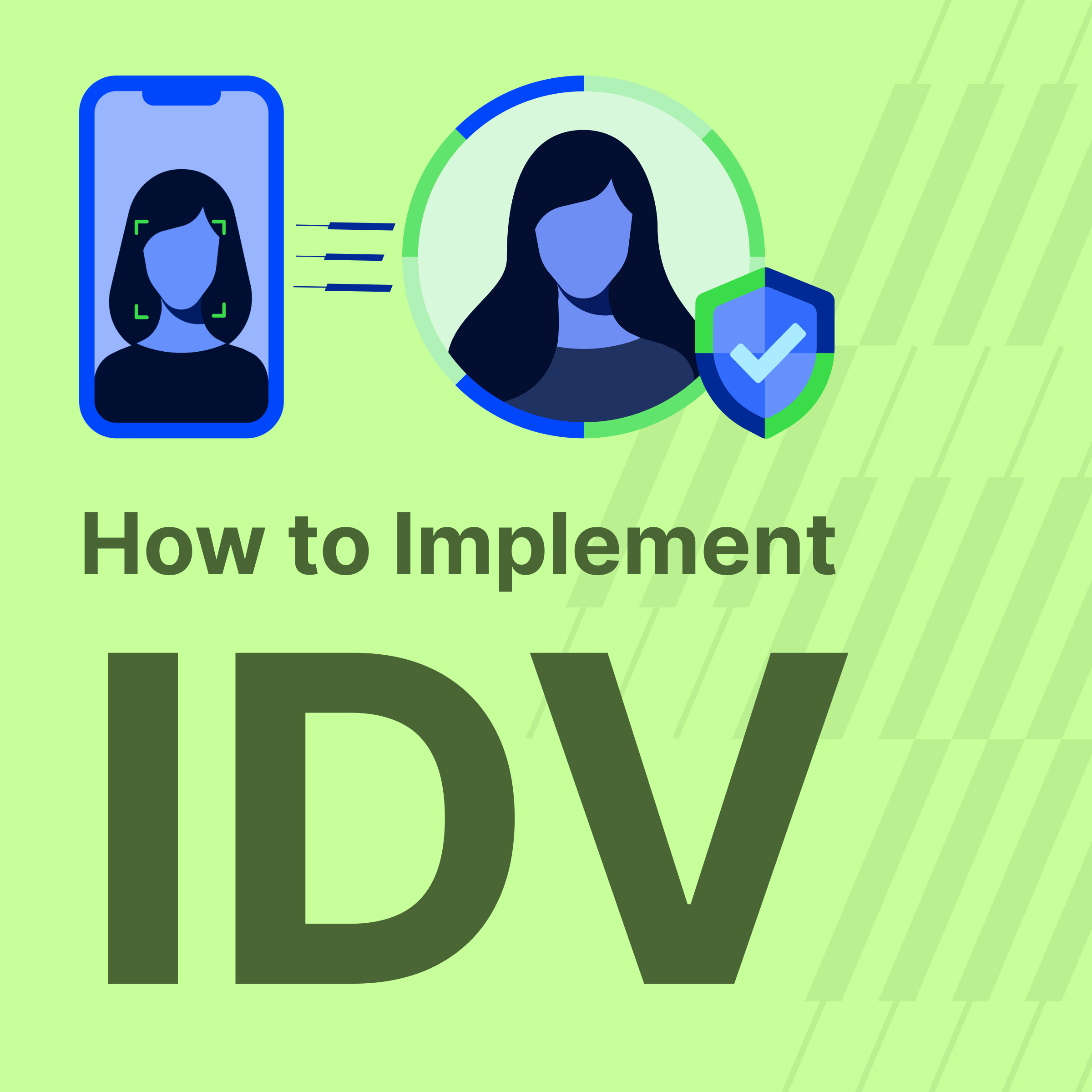
Proof Identify enables businesses to verify customer and employee identities to NIST IAL2 standards, combining document capture, biometric comparison, and credential analysis. When automated verification reaches its limits, the system escalates to a live identity agent for human-in-the-loop review. Every verification produces a detailed identity report that becomes a durable record.
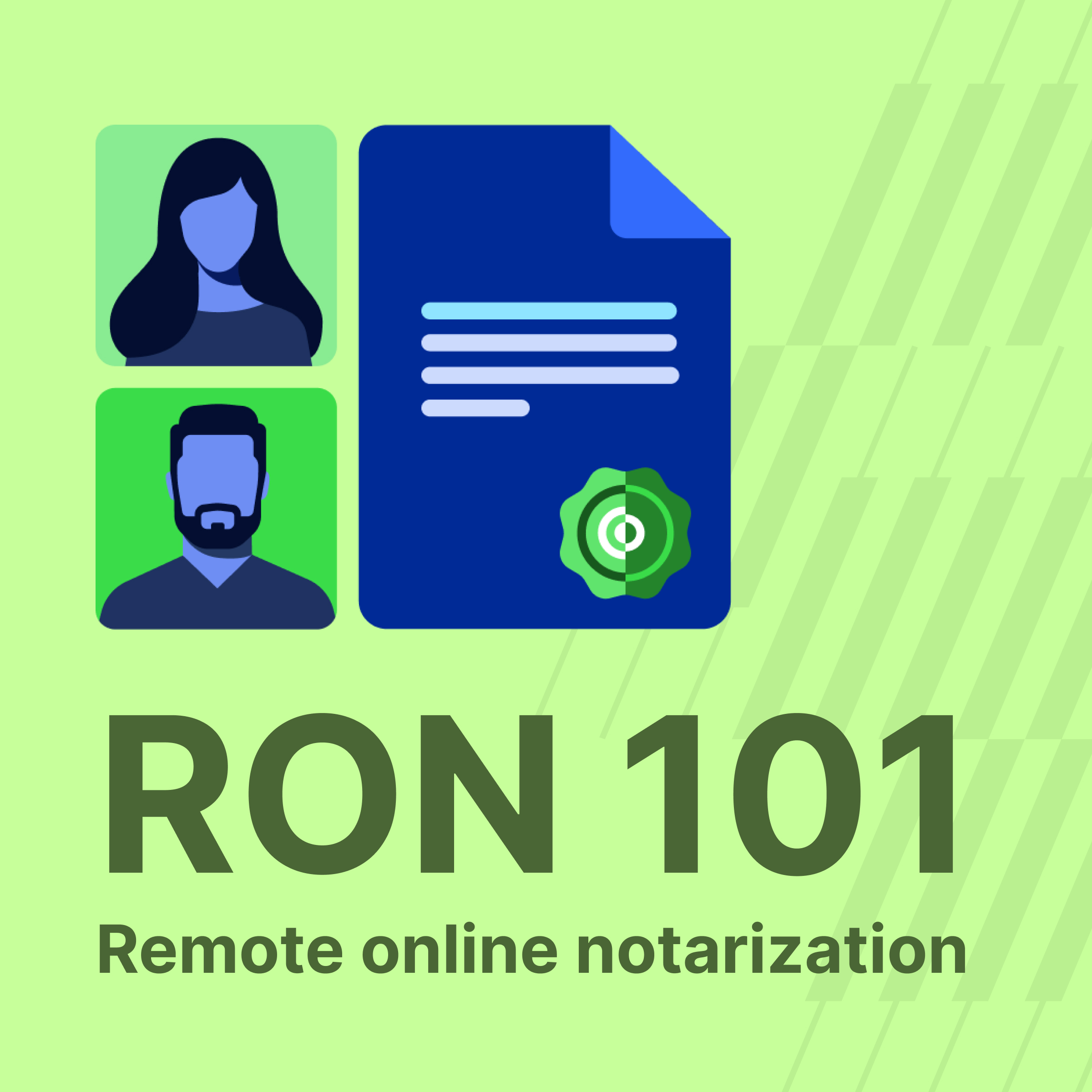
For transactions that require notarization, Proof's online notarization platform connects customers to vetted notaries via 24/7 video sessions, completing identity verification and document signing in a single workflow. The result is a third-party verified connection between a physical person and their online identity, without requiring customers to appear in person.
By incorporating Proof into your digital identity management plans, you can offer higher assurance verification without adding friction that drives customers away.































.jpg)
















































.jpg)