

Solving the $80B problem of false records and identity theft
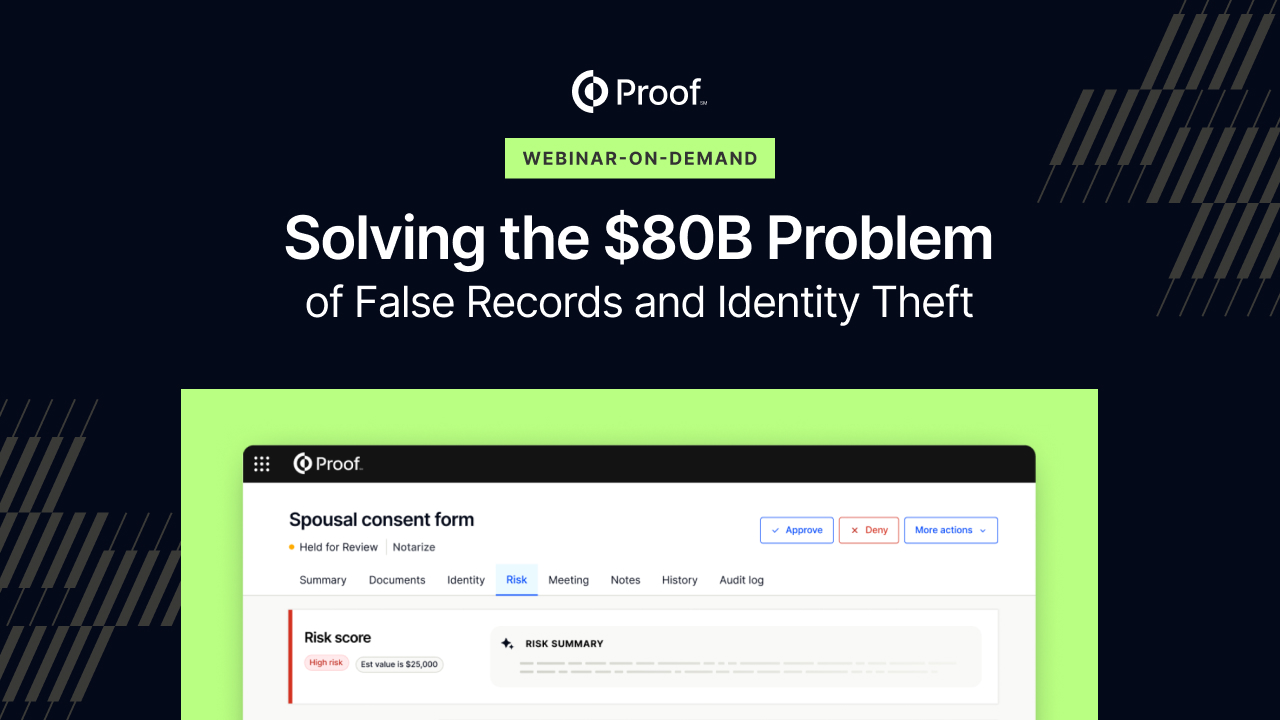
KYC answers one question very well: is this person real at the moment they open the account. Millions of credentials are exposed in breaches every year, which turns a legitimate account into a reusable asset for whoever ends up holding the password. Enhanced due diligence performed perfectly still leaves the transaction unmonitored, because it was scoped to onboarding by design.
In 30 minutes we will cover where KYC stops, what belongs in the gap, and how Defend applies identity data to every transaction. Here is what we will get into:
- KYC establishes identity at account opening while false records and identity theft occur at transaction time, so the two require different controls.
- Breached credentials turn a legitimate account into an attack surface, which makes ongoing authentication strength more consequential than onboarding rigor.
- Transaction-level identity data gives fraud teams evidence at the moment a decision still has to be made.
- Enhanced due diligence is triggered by customer risk rather than transaction risk, so a high-risk transaction by a low-risk customer passes through unexamined.
Meet our speakers

Hilary Walker

Kurt Huebner

Kelley Pidhirsky
Register now


Access the webinar
By clicking the button, you agree to the General Terms and acknowledge the Privacy Policy. You also agree to be contacted at the email provided for marketing and public affairs purposes.
Want to learn more?
Request a chat with our team!